













Container throughput at Philippine ports increases steadily: exceeding 4.3 million TEUs in the first half of 2026
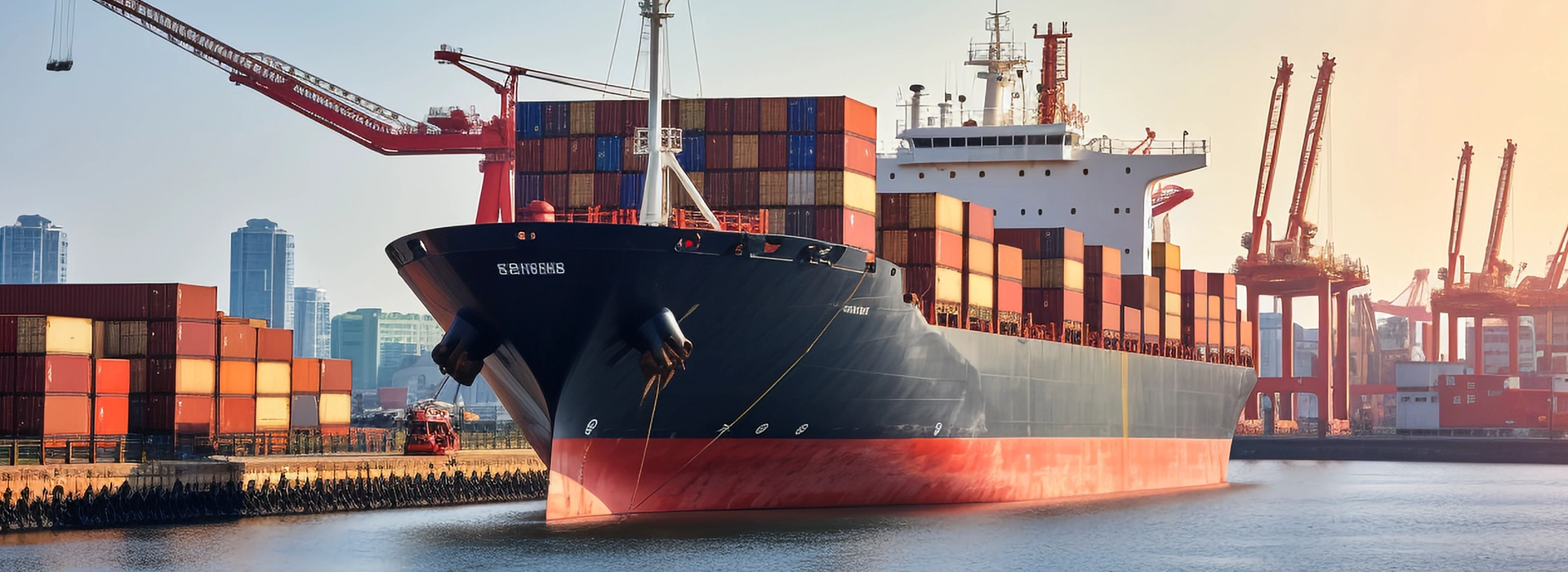
According to the latest official statistics from the Philippine Ports Authority (PPA), in the first half of 2026, the container throughput of ports under the jurisdiction of the Philippines increased by 2.8% year-on-year to 4.3 million TEU, and the total cargo throughput reached 154 million tons. Among them, the Manila International Container Terminal (MICT) accounts for 36%, and the volume of foreign trade import and export containers and domestic trade shipping have shown steady growth.

The latest official shipping and trade statistics released by the Philippine Ports Authority (PPA) show that in the first half of 2026, container throughput at major ports in the Philippines increased steadily, with a cumulative container throughput of 4.3 million TEU, a year-on-year increase of 2.8% from 4.182 million TEU in the same period last year. At the same time, the total cargo throughput of the Philippines' ports reached 154 million tons, a year-on-year increase of 3.2%, reflecting the continued resilience of the Philippines' macroeconomic and trade activities and import and export shipping demand.
1. Analysis of import, export and domestic trade container structure
Of the total throughput of 4.3 million TEU in the first half of 2026:
- Foreign trade container : accounted for 65.2% of the total, reaching a total of 2.803 million TEU, an increase of 2.1% from 2.746 million TEU in the same period last year.
- Imported box volume : Reached 1.428 million TEU, a year-on-year increase of 3.6%, indicating solid demand for domestic manufacturing raw materials and consumer goods.
- Export box volume : A slight increase of 0.6% to 1.375 million TEU, maintaining stable operation.
- Domestic trade container : The growth rate was even more significant, with a year-on-year increase of 4.2% to 1.497 million TEU (1.436 million TEU in the same period last year), and the inter-island logistics turnover efficiency was further improved.
- Ro-Ro and ship dynamics : The transport volume of ro-ro vehicles increased by 4.9% to 6.876 million; the number of ships calling ports in the Philippines totaled 331,005.
2. Operational performance of key port areas and hub terminals
From the perspective of geographical distribution, ports in Luzon are still the core pillars of Philippine shipping, accounting for 76.3% of the national total (3.281 million TEU completed, a year-on-year increase of 2.4%). The port of Mindanao completed 778,700 TEU (an increase of 3.0%), while the ports of Visayas achieved a strong increase of 8.6%, reaching 240,600 TEU.
| Port/terminal name | Throughput (TEU) in the first half of 2026 | National share (%) | Year-on-year change (%) | Operational characteristics |
|---|---|---|---|---|
| Manila International Container Terminal (MICT) | 1,550,000 | 36.0% | +0.8% | The Philippines’ largest foreign trade container gateway hub |
| Manila South Harbor | 742,514 | 17.3% | +3.1% | Core foreign trade and offshore route distribution hub |
| Manila North Harbor | 685,339 | 15.9% | +1.9% | Domestic inter-island container trunk hub |
| Davao Port District Private Terminal (Davao/DICT) | 407,083 | 9.5% | +5.5% | Agricultural product exports and key nodes in the southern cold chain |
| Batangas Port | 166,045 | 3.9% | +3.7% | Southern Luzon Automobile and Industrial Products Diversion Port |
| Cagayan de Oro Port (CDO) | 152,931 | 3.6% | +7.0% | Northern Mindanao Industrial and Manufacturing Distribution Center |
3. Port Authority’s Outlook and Policy Trends
When assessing the trend in the second half of the year, PPA general manager Jay Daniel Santiago pointed out that judging from various macroeconomic indicators and trade trends, management maintains optimistic expectations for cargo volume growth throughout the year. In order to cope with the rising freight demand, the Port Authority is accelerating the digitalization of the port to improve efficiency, optimizing the turnover mechanism of heavy and empty containers in the yard, and strengthening the coordination of transportation in core congested corridors such as Manila to ensure a smooth supply chain.
4. International logistics industry observations and operational suggestions (industry perspective)
Based on the current Philippine shipping market structure, professional freight forwarders in the industry recommend that foreign trade companies and cross-border cargo owners:
- Pay close attention to the storage and pick-up time at the main port of Manila : MICT and South Harbor carry more than 50% of the container volume in the Philippines. It is necessary to plan the booking properly before the peak season and reserve sufficient free time and empty container return time window;
- Optimize multi-port diversion plan : For factory equipment and heavy cargo destined for southern Luzon or Mindanao, direct flights/transshipments to Batangas or Davao can be flexibly evaluated based on the terminal delivery address to avoid land transportation congestion in Manila and additional trailer costs;
- Compliance documents and customs declaration coordination : Ensure that the bill of lading, certificate of origin (such as FORM E) and packing list product name, HS code, and piece weight are strictly consistent, complete the pre-customs clearance process in advance, and reduce the risk of inspection and detention at the destination port.