







The latest developments in the Philippine freight market: sea freight prices are raised across the board at the end of the year and US air freight space continues to tighten
Affected by the surge in shipment demand during the peak season at the end of the year, freight rates on major shipping routes in the Philippines have generally increased. Congestion at container yards and restrictions on the return of empty containers have further lengthened the turnover cycle. In terms of air transportation, space on the route from the Philippines to the United States is extremely tight and freight rates are rising. Coupled with truck restrictions in Metro Manila and fine-tuning of the manufacturing PMI, Philippine import and export logistics faced complex supply and demand challenges in the fourth quarter.
1. Driven by demand during the peak season at the end of the year, shipping rates in the Philippines rose across the board
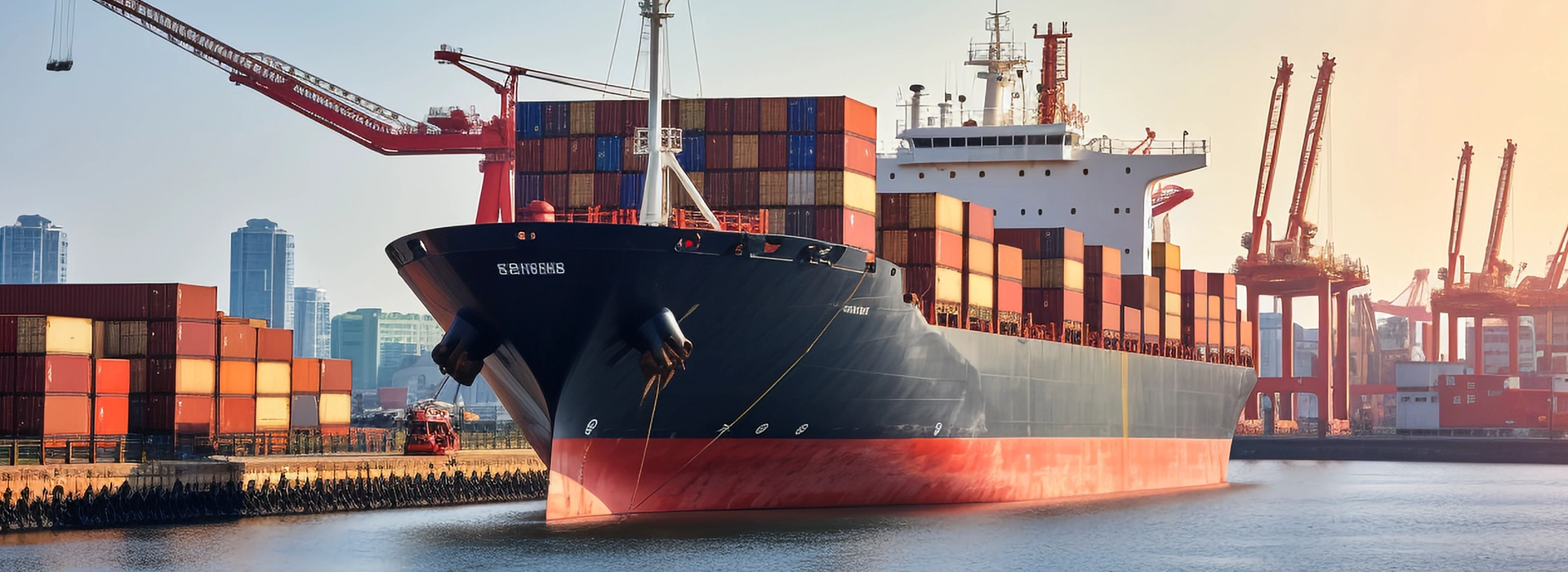
According to the latest monitoring data from China-Philippines and Asia-Pacific Logistics, after entering the fourth quarter, the freight rates of all major maritime import and export routes in the Philippines have increased significantly. As retailers and manufacturing companies accelerate the pace of year-end stocking and customs clearance, container throughput at major hub ports such as Manila Port continues to rise. However, the congestion in container depots (Depots) around the port has intensified, and some depots have implemented flow restrictions on the reception of empty containers, resulting in a significant increase in empty container return and trailer turnaround times, further pushing up the comprehensive operating costs of the supply chain.
2. Asia’s short-ocean shipping capacity is tight, and booking lead times have been significantly lengthened.
In terms of regional routes, the capacity shortage in Asia's intra-Asia short-distance shipping routes is particularly prominent. Affected by the adjustment of mainline ship routes, the shortage of feeder vessels and the suspension of some shipping companies (blank sailings), the short-ocean freight rates from major hub ports in China and Southeast Asia to the Philippines have climbed to a stage high. Freight experts suggest that the current booking cycle for short-distance near-ocean cargo should be planned according to the lead time of ocean trunk lines, and sufficient buffer time for loading and storage should be reserved.
3. The air cargo market is divided, and the US line transportation capacity is highly tight.
Similar to shipping, the air cargo market from the Philippines to Europe, the United States and Asia shows a clear differentiation trend:
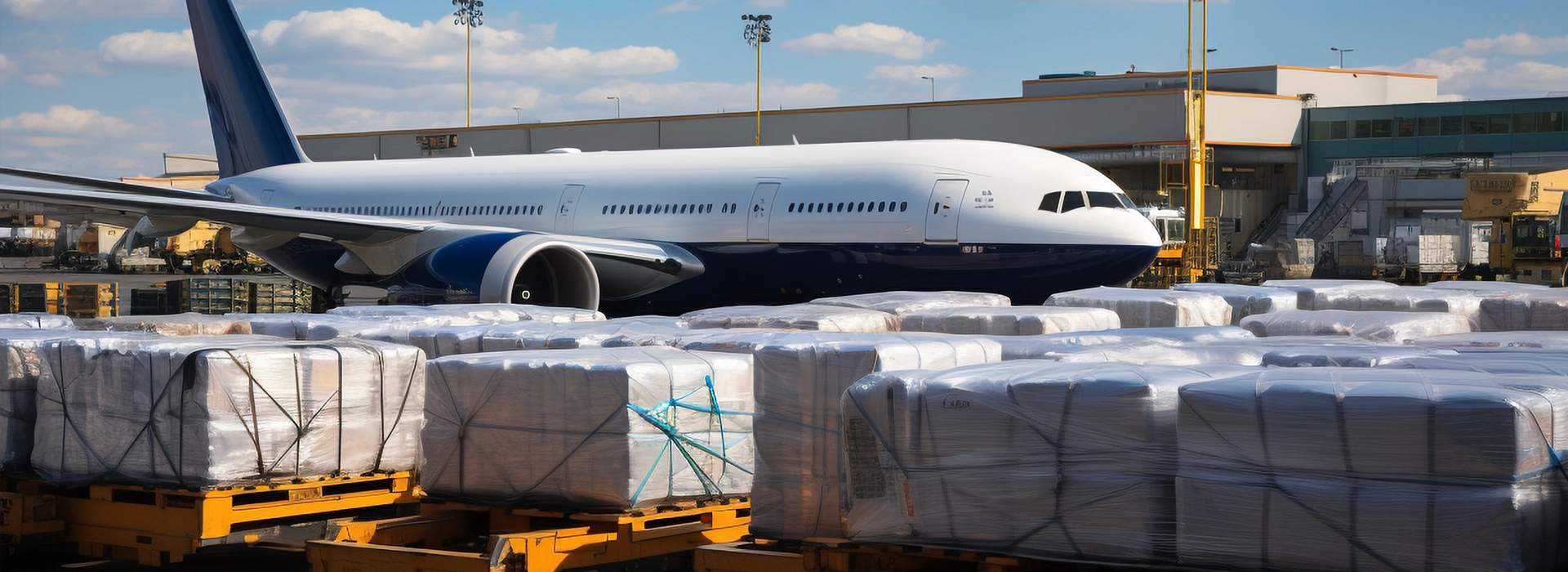
- US Lanes: Air transport capacity from the Philippines to the east and west coast of the United States continues to be tight, and freight prices remain at high levels. Due to the lack of investment in new freighter capacity before the end of the year, the high freight rate trend is expected to continue steadily until the end of the year.
- Europe Lanes: The overall situation is in the seasonal recovery stage, shipping space is relatively controllable, and freight rates remain stable.
- Asia Lanes: The demand for cargo volume is relatively mild, the supply of flights is sufficient, and the freight trend is stable.
4. Local traffic control and manufacturing fundamentals are intertwined
On the domestic operations side of the Philippines, the Metropolitan Manila Development Authority (MMDA) and the transportation department have implemented phased truck restrictions and traffic control on key arterial roads, which has brought a short-term test to the efficiency of land transportation connections in the southern corridor and around the port area. At the same time, the latest Philippine Manufacturing Purchasing Managers Index (PMI) released by S&P Global recorded 49.6, slightly lower than the 50 boom-bust dividing line, showing that the local manufacturing industry remains cautious in production and replenishment activities, which is in contrast to the strong logistics demand on the consumer side during the peak season.
5. Supply chain response suggestions
In view of the current freight environment, professional logistics consultants recommend that import and export cargo owners:
- Lock your cabin in advance: For air cargo destined for the U.S. and Asian short-sea shipping, lock in the booking plan at least 2-3 weeks in advance;
- Reasonably arrange collection and transportation time: Pay close attention to the trailer pick-up and return policy and road restrictions announcements in the Manila Port area to avoid high demurrage & detention due to delayed containers;
- Establish a flexible inventory mechanism: Establish emergency buffer plans for typhoon season and regional port turnover delays to ensure supply chain resilience.
Q1: Are you a real freight forwarder or just a middleman agent?
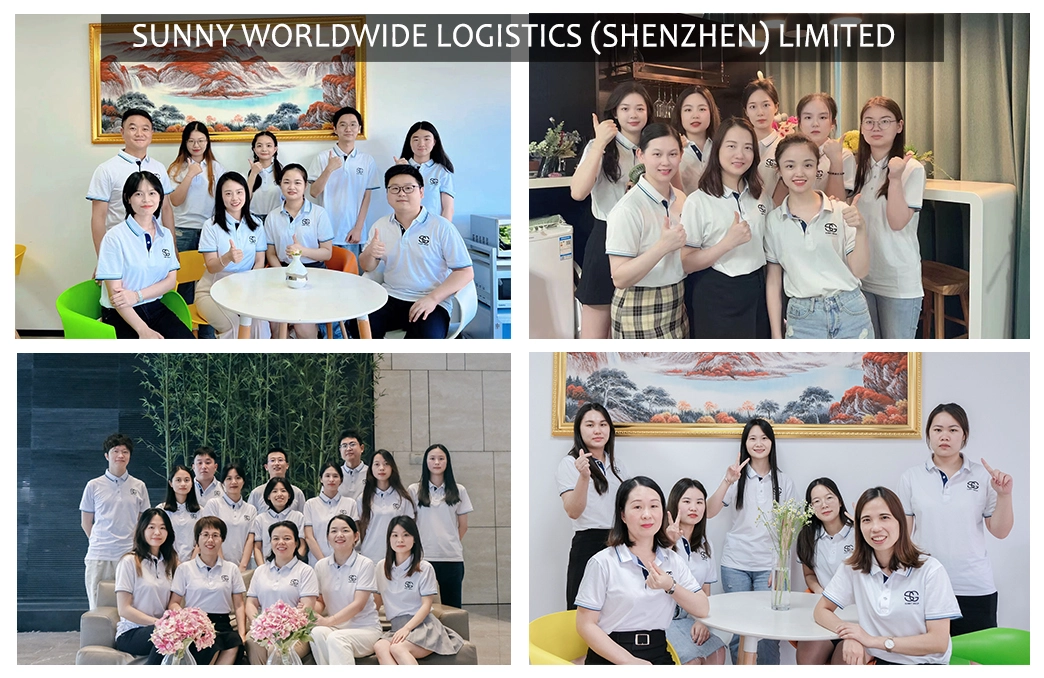
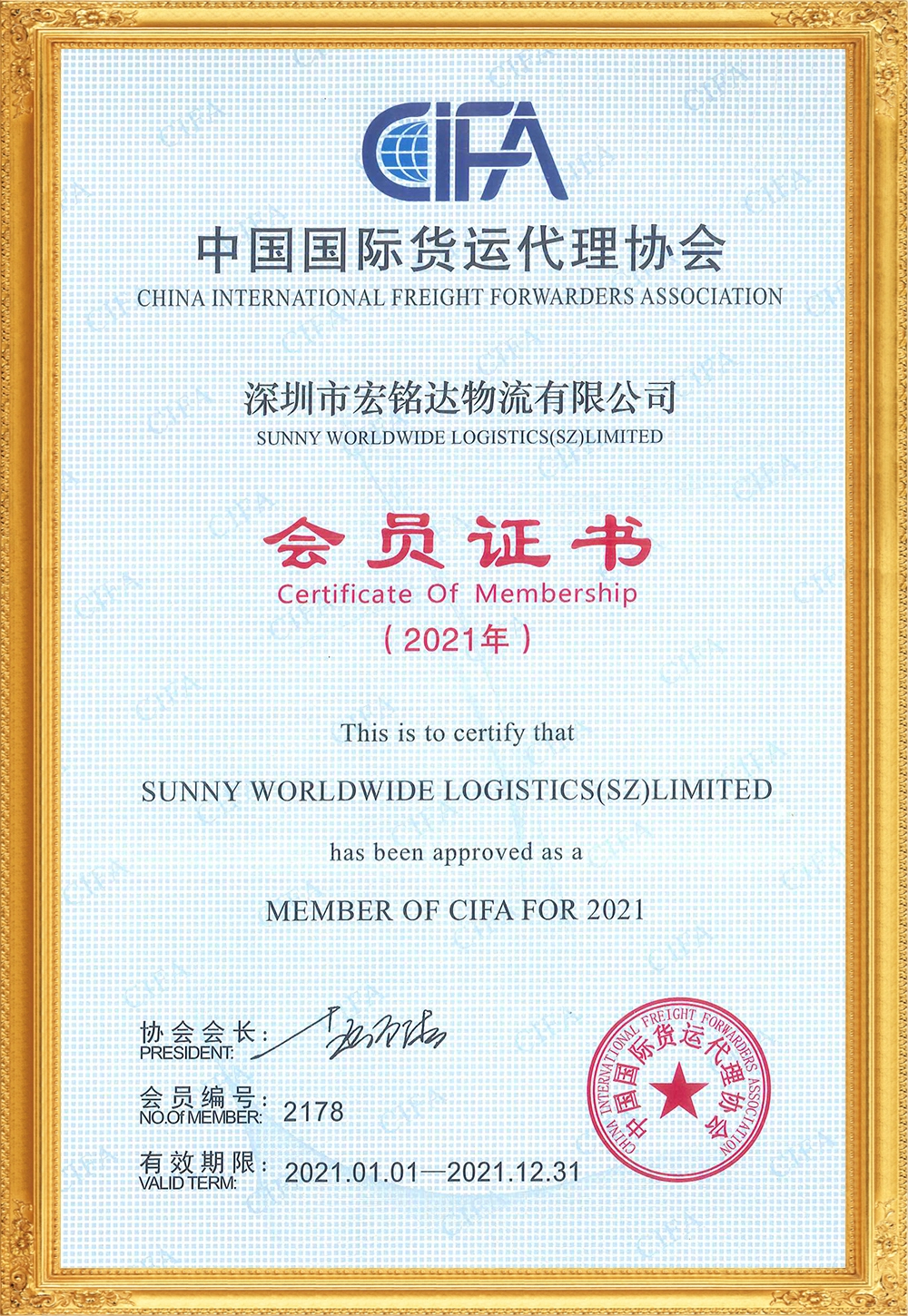
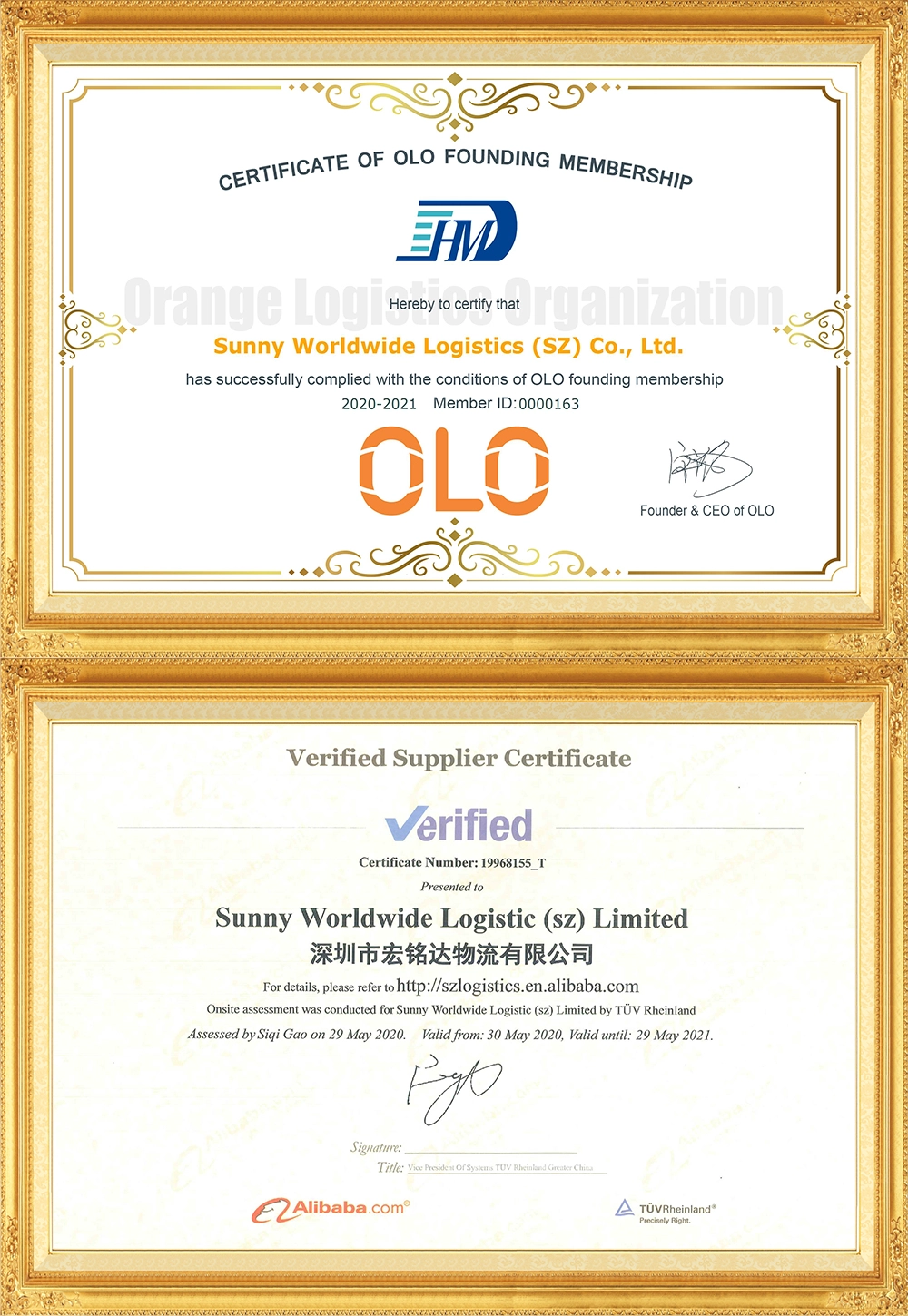
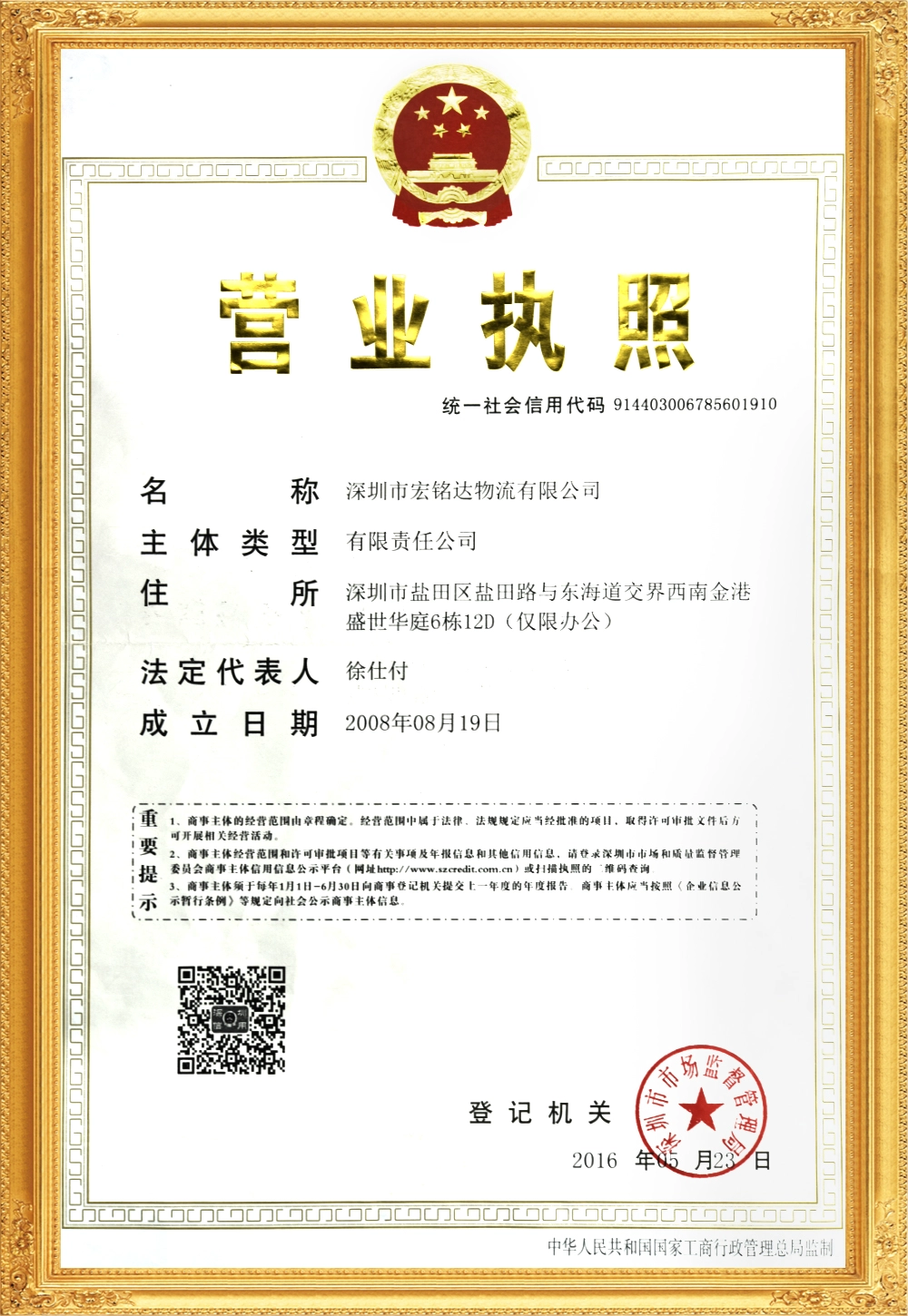
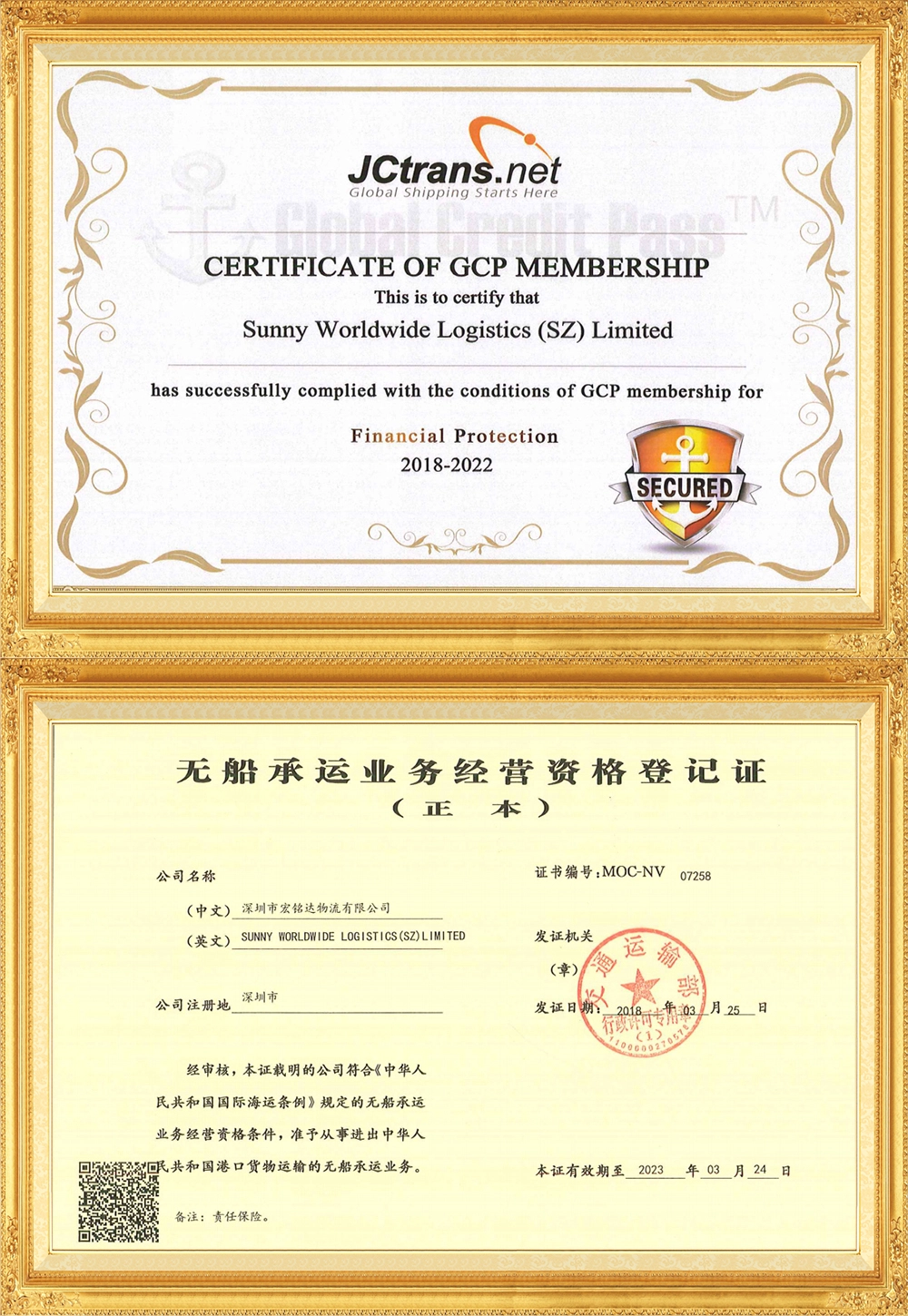
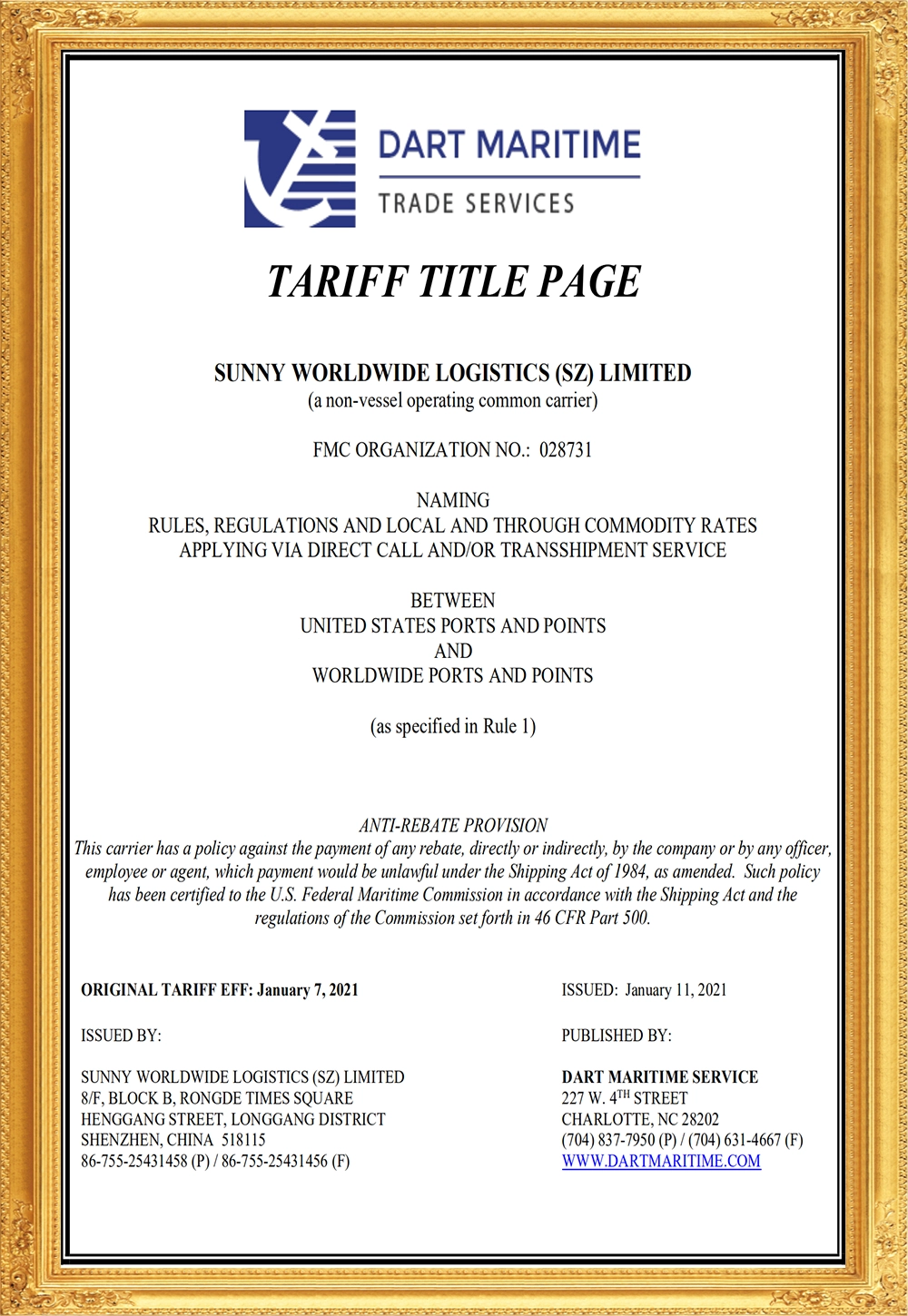
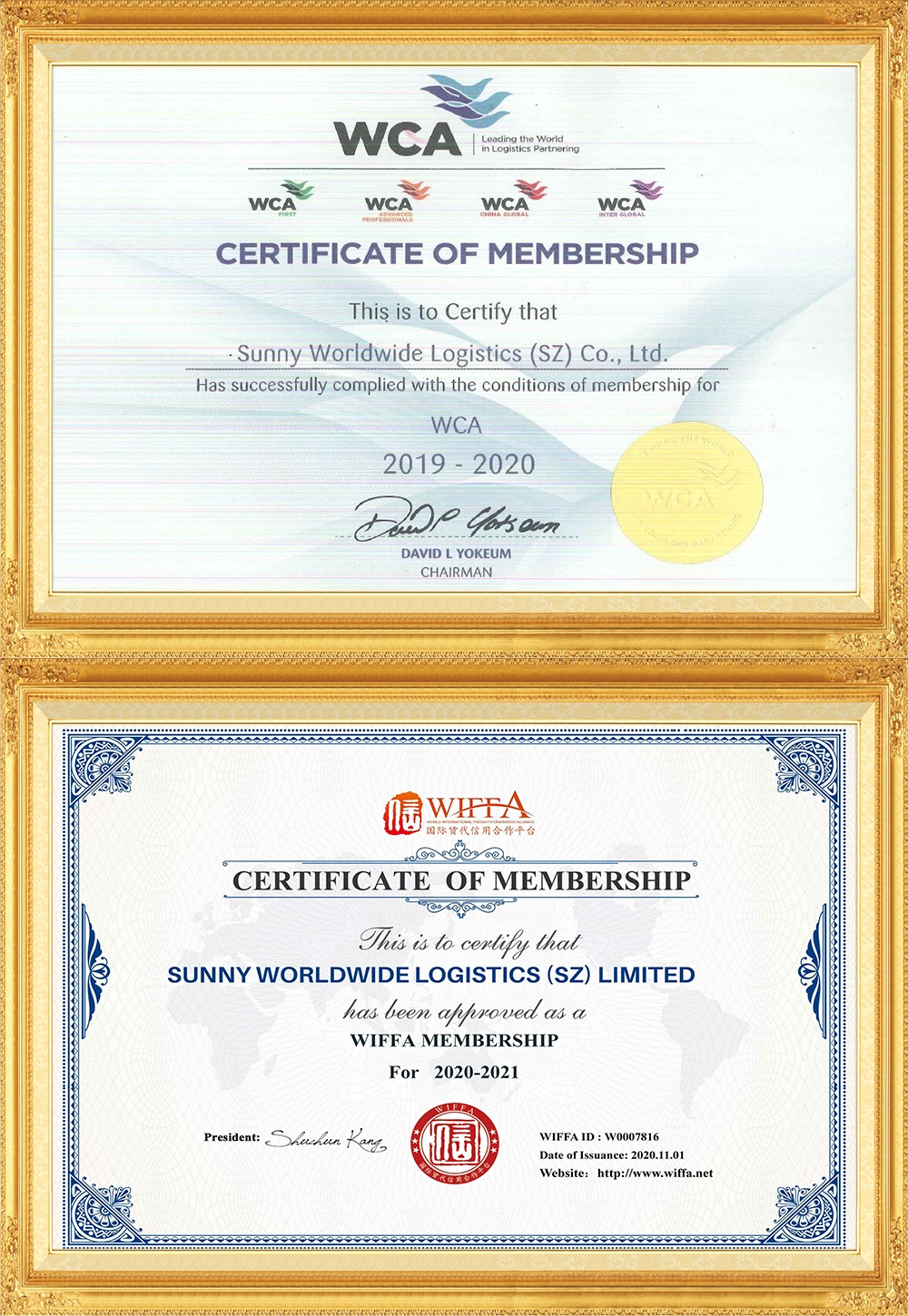
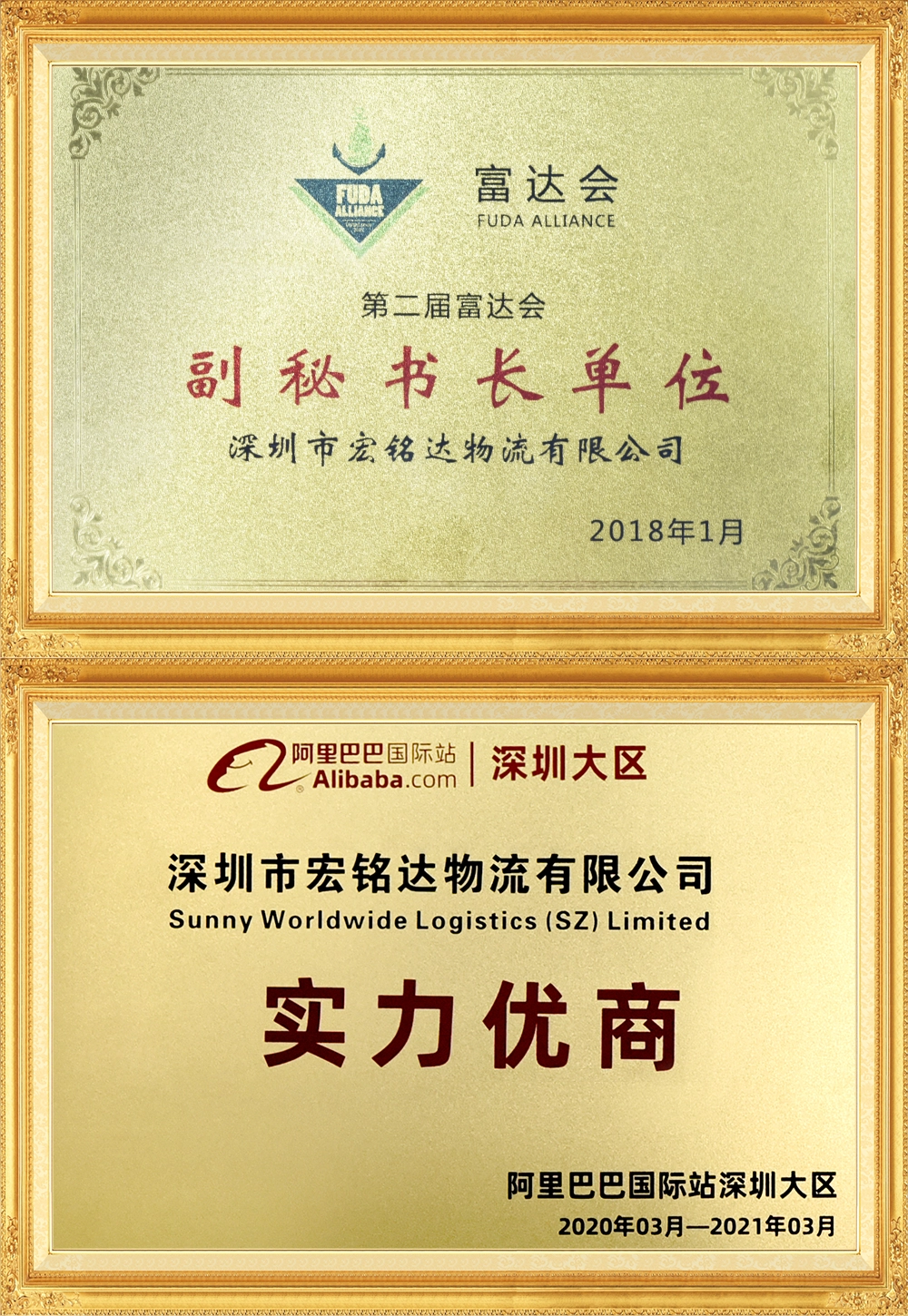
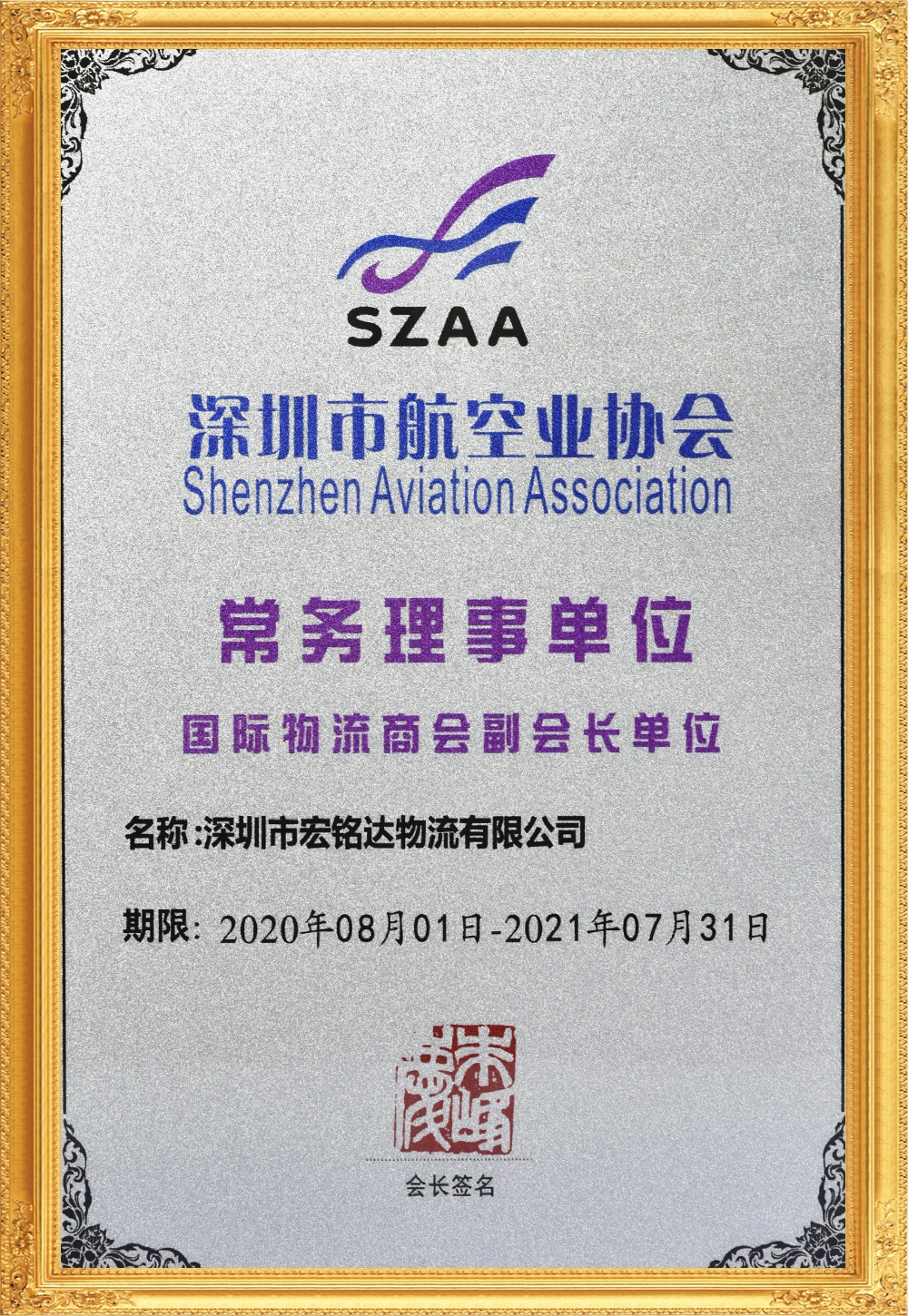
A: We are a direct international freight forwarder, not an agent. Sunny Worldwide Logistics was founded in 1998 — with 27 years in shipping, we know every pitfall in freight and how to avoid them.
Q2: Do you have your own warehouse near the port?
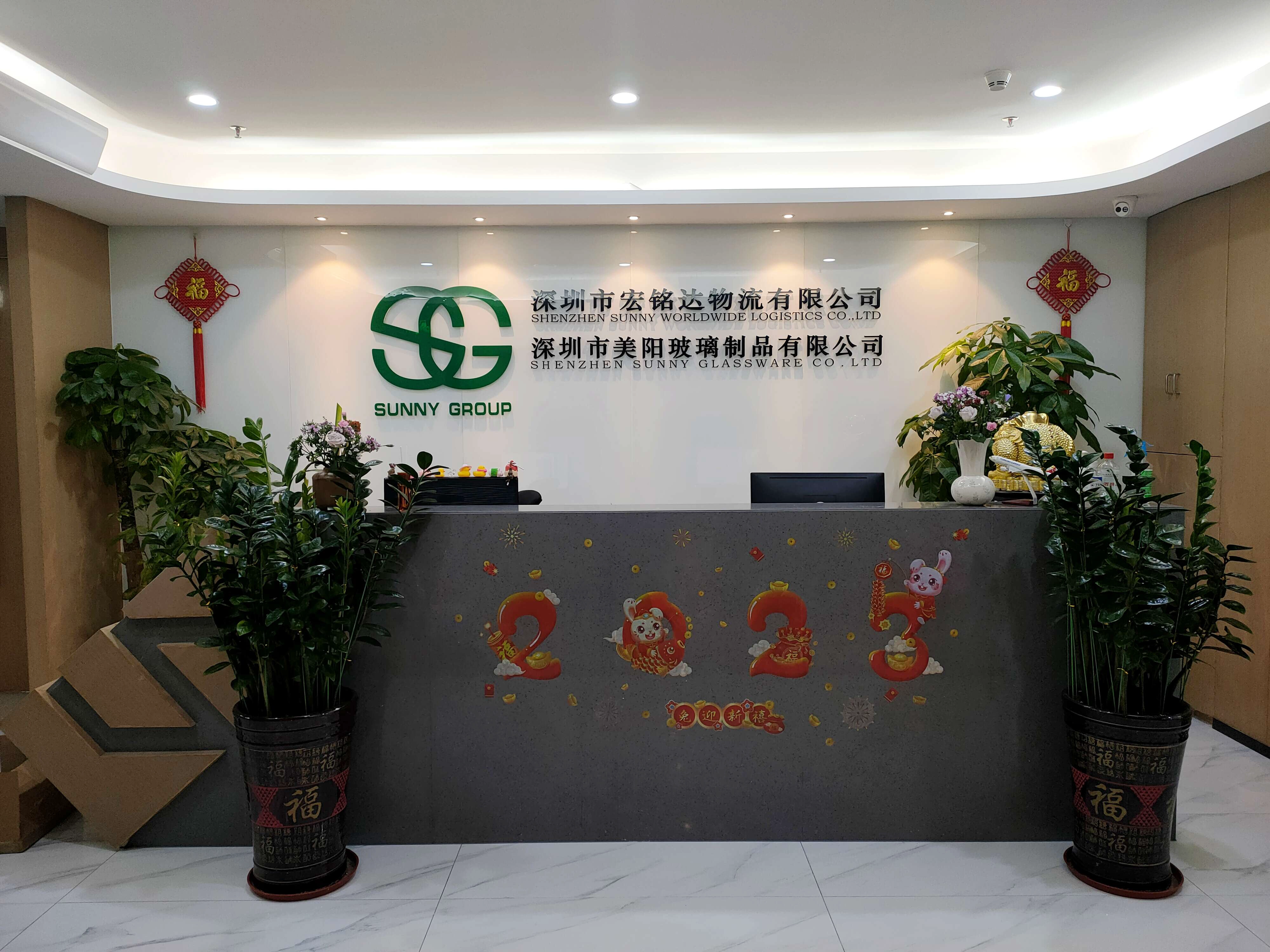
A: Yes. We own an exclusive foreign-trade warehouse at Yantian Port — only 3 companies among 60,000+ forwarders in Shenzhen can say that. Your cargo is stored and loaded in our own facility, not handed to a third party.
Q3: Do you have your own trucks for pickup?
A: Yes, we operate our own fleet of container trucks, available on call — no waiting for outsourced trucking, which makes us one of the fastest in pickup among Shenzhen forwarders.
Q4: How long have you been in freight forwarding? Is your company reliable?
A: Since 1998, 27 years. We own a 1,800㎡ Grade-A office building in Longgang, Shenzhen — few forwarders in the city can match that strength.
Q5: What shipping services do you offer from China?
A: One-stop service: sea freight (FCL/LCL), air freight, railway, land trucking, customs declaration, warehousing, cargo inspection, container loading supervision, fumigation, and cargo insurance.
Q6: Can you pick up goods from my suppliers in Yiwu, Guangzhou or other cities?
A: Yes. We collect cargo from suppliers across China and consolidate it at our warehouse before shipping — with loading photos provided before departure.
Q7: Which countries do you ship to?
A: Worldwide — America, Europe, Australia, Middle East, Africa, Latin America. If there's a port, we can get your cargo there.
Q8: How can I get a shipping quote from China?
A: Send us your cargo details (type, volume/weight, destination) via:
📧 Email: sales36@swwlogistics.com.cn
💬 WhatsApp/WeChat: +86-19076129125(Lily)
📞 Tel: 0755-25643421
🌐 Rate inquiry: swwlsrates.com
Q9: Where is your company located? Can I visit your office?
A: 8th Floor, Block B, Rongde Times Square, Henggang, Longgang District, Shenzhen. Clients are welcome to visit.
Q10: Do you have any guarantee if something goes wrong with my shipment?
A: We take full responsibility for every shipment under our control — except force majeure (natural disasters). 27 years of zero-escape reputation backs every booking.