



Multiple Philippine ministries and commissions have promoted the JAO joint administrative order: comprehensively standardizing container management and shipping miscellaneous charges to resolve the year-end congestion crisis at Manila Port
With the arrival of the year-end peak season, the Philippine Department of Finance, the Bureau of Customs (BOC) and the Port Authority (PPA) jointly finalized the JAO administrative order to strictly control the miscellaneous fees of international shipping companies and mandate a 130% empty container yard quota. At the same time, BOC implemented emergency measures such as extending the inspection area until midnight, adding temporary temporary storage yards outside, and clearing out 3,598 stranded heavy containers to ensure smooth flow of Manila port logistics and foreign trade supply chains.
1. A cross-departmental high-level meeting was held to directly address Manila port congestion and supply chain congestion.
With the peak shipping season of Christmas and New Year's Day in the West approaching, major core container ports in Manila, the capital of the Philippines, are facing severe throughput pressure and empty container return bottlenecks. In order to ensure the smooth flow of international trade goods and ensure the supply of people's livelihood supplies, the Philippine Department of Finance (DOF) took the lead in convening the top leaders of the Cabinet Secretariat, Department of Transportation (DOTr), Department of Trade and Industry (DTI), Bureau of Customs (BOC), Port Authority (PPA), and Philippine Reclamation Agency (PRA) to reach a high degree of consensus on comprehensively managing port congestion and implementing measures to address both the symptoms and root causes.
According to the latest statistics disclosed by the Bureau of Customs (BOC) and the Philippine Multimodal Transport and Logistics Association (PMTLAI), Luzon ports have long been in a structural imbalance of "heavy imports and light exports". Taking the Manila International Container Terminal (MICP) as an example, in the first ten months of this year, it processed a total of 1.36 million TEUs for imports, while exports were only 1 million TEUs. The export container volume is only equivalent to 74% of the import container volume; the overall import turnover dwell time (Dwell Time) of the Manila port area reached an average of 8 days, which is much higher than the ideal operating range of 5 to 6 days. The net backlog of undeparted containers in the Luzon Port Group in the first three quarters has exceeded 208,000 TEU, seriously squeezing the resources of the port area’s operating terminals and surrounding storage yards.
2. JAO Joint Administrative Order Finalized: Reshaping International Shipping Charge Transparency and Yard Responsibility
At this meeting, all ministries and commissions unanimously agreed to speed up the formal entry into force of the Joint Administrative Order on Port Container Management and Logistics Charge Supervision (Joint Administrative Order, referred to as JAO) signed by multiple parties. The administrative order restarts and significantly expands the supervisory powers for foreign-owned liner companies. The core purpose is to break the unreasonable miscellaneous fees at the destination port and establish rigid system constraints for container turnover and return:
- Unified and transparent charging standards : International shipping companies and their agents in the Philippines are required to strictly abide by the principles of openness, transparency, reasonableness and uniformity when collecting fees related to cargo handling, release, shifting, return and local charges (Local Charges), and resolutely put an end to hidden price increases and repeated charges.
- Mandatory allocation of 130% yard quota : It is expressly stipulated that international liner companies must build or lease sufficient container storage sites in the Philippines, and their storage capacity must reach more than 130% of BOC's approved daily average container forecast stock. It is strictly prohibited to directly use public port areas as long-term empty container storage sites.
- Standardize deposit refund and demurrage accounting : The shipping company is clearly required to unconditionally refund the container deposit of the importer or freight forwarder within 15 calendar days after receiving the equipment handover order (EIR); the demurrage fee shall be subject to the principle of "independent settlement of each container". Containers that have left the port area during the container-free period shall not be charged any overdue fees due to the detention of other containers under the same bill of lading.
- Establish high penalties for non-compliance : Set a single administrative fine ranging from 5,000 to 100,000 pesos for responsible parties who fail to withdraw empty containers in accordance with regulations, obstruct the return of containers without authorization, or charge illegal fees, and establish a joint credit punishment mechanism.
3. Emergency measures to clear the harbor and ensure traffic flow are implemented immediately: extending inspection time and adding peripheral storage yards
In response to the current congestion situation, the Philippine Customs Bureau and relevant law enforcement agencies have simultaneously launched a number of immediate and short-term measures to ensure smooth traffic:
- Inspection hours extended to midnight : From now on, the working hours of the Designated Inspection Areas (DEA) of various ports in Manila will be directly extended from 8 am to 5 pm to 8 am to midnight (8:00–24:00); the Philippine Bureau of Animal Industry (BAI) will simultaneously adjust its quarantine stations at MICP and Manila South Port to 24-hour duty to speed up the customs clearance of frozen fresh food and agricultural products.
- Electronic Container Tracking (E-TRACC) expansion : For containers transferred from Manila bonded to inland supervision warehouses or peripheral bonded areas, the system service provider urgently equipped 500 additional GPS electronic locks, and dispatched additional technical specialists during extended night hours to be responsible for lock application and data verification to ensure the safe and rapid release of transshipment containers.
- Powerful cleaning of overdue heavy containers : BOC-POM and BOC-MICP issued time-limited removal orders for the 3,598 long-term heavy containers detected. As of early November, 1,683 containers have been released from the port, and the remaining 1,915 containers have been ordered to be cleared by the consignee within two weeks.
- Identifying emergency storage sites outside Metro Manila : BOC is actively coordinating with the provinces of Bulacan, Cavite and the Reclamation Department, and plans to use dozens of hectares of flat land as a public empty container buffer yard to divert pressure from the core terminal.
4. Industry advice and long-term mechanism construction
The Philippine Logistics and Freight Forwarding Industry Association has expressed high support for the implementation of JAO, and called on the government to establish a single authority to coordinate and supervise international shipping companies, and promote a "Generic Sweeper Vessels" joint return mechanism that is not limited to shipping company brands. In addition, the Cabinet Secretariat is taking the lead in coordinating with local governments around Metro Manila to explore temporarily relaxing truck bans and suspending local tolls (Pass-Through Fees) during the year-end peak season, so as to create convenient conditions for opening up land transportation channels for collection and distribution behind the port.
Q1: Are you a real freight forwarder or just a middleman agent?
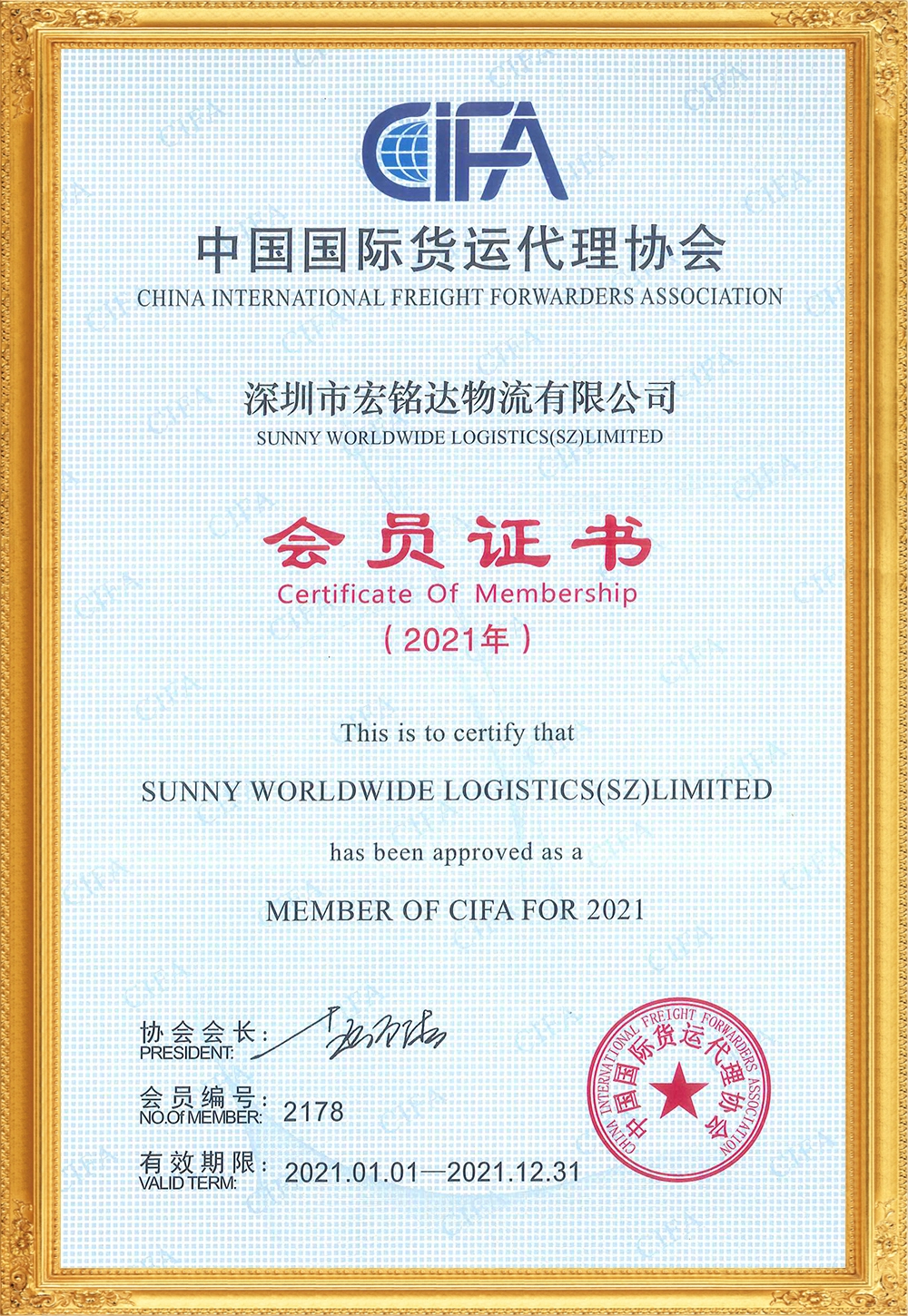
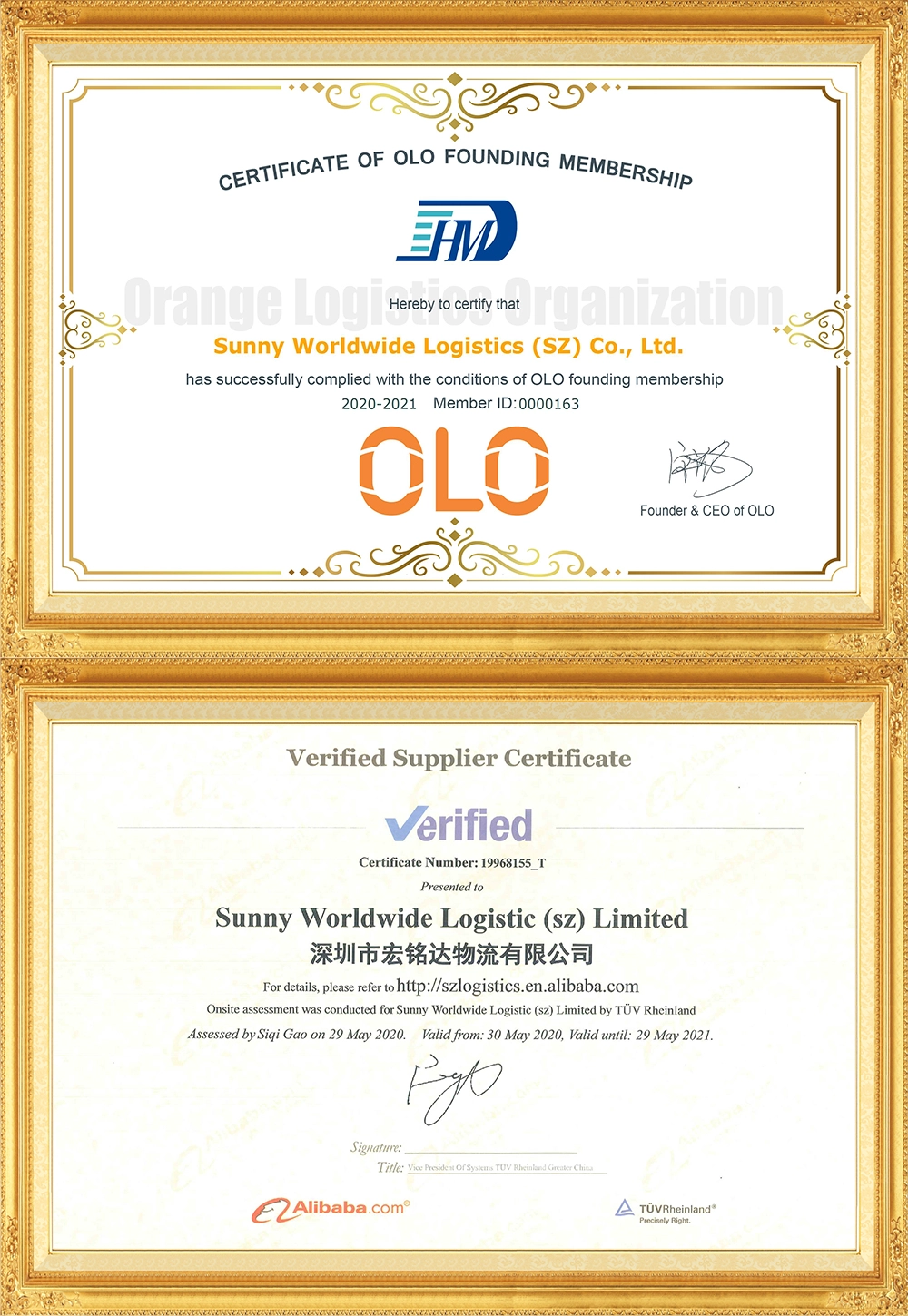
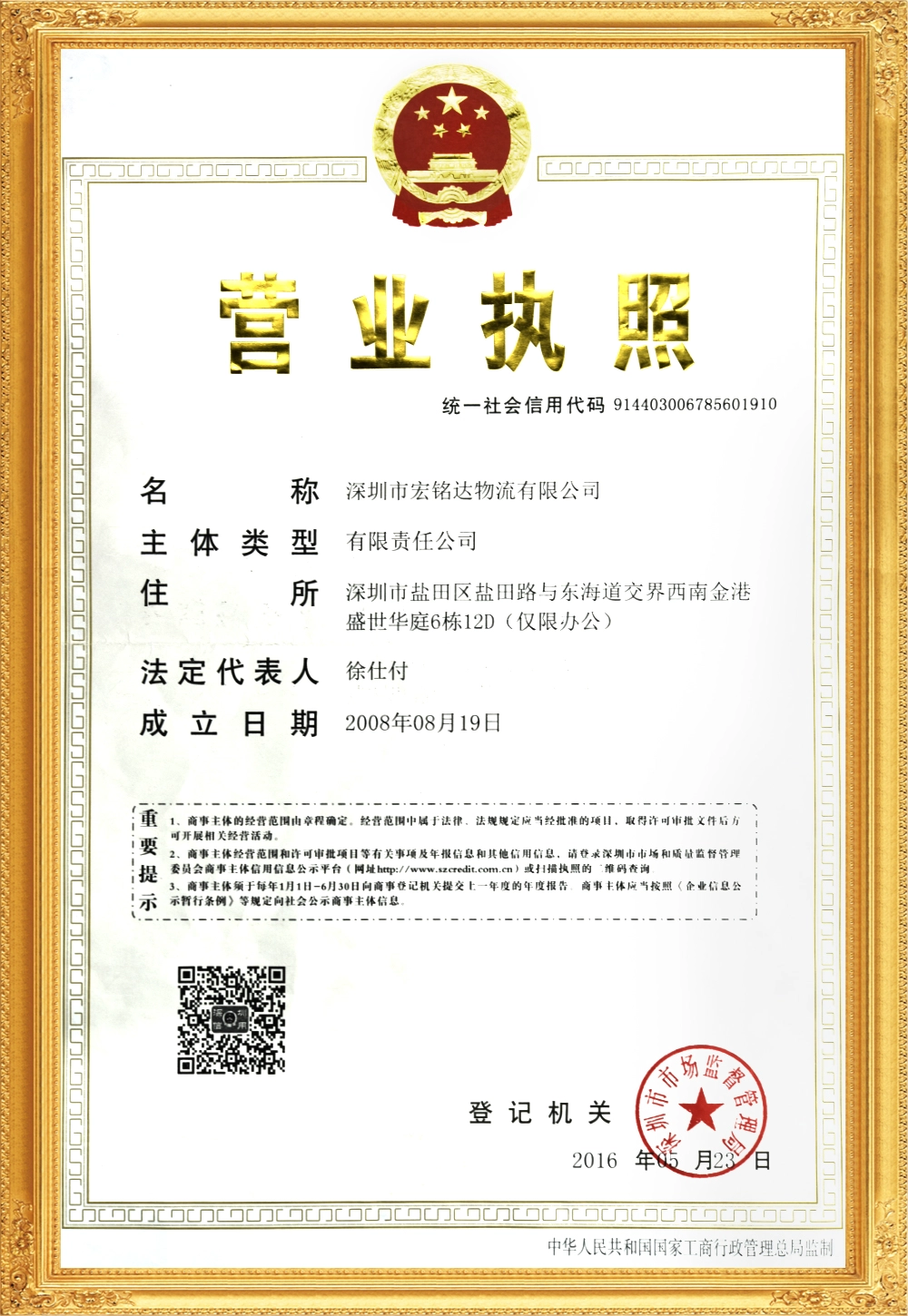
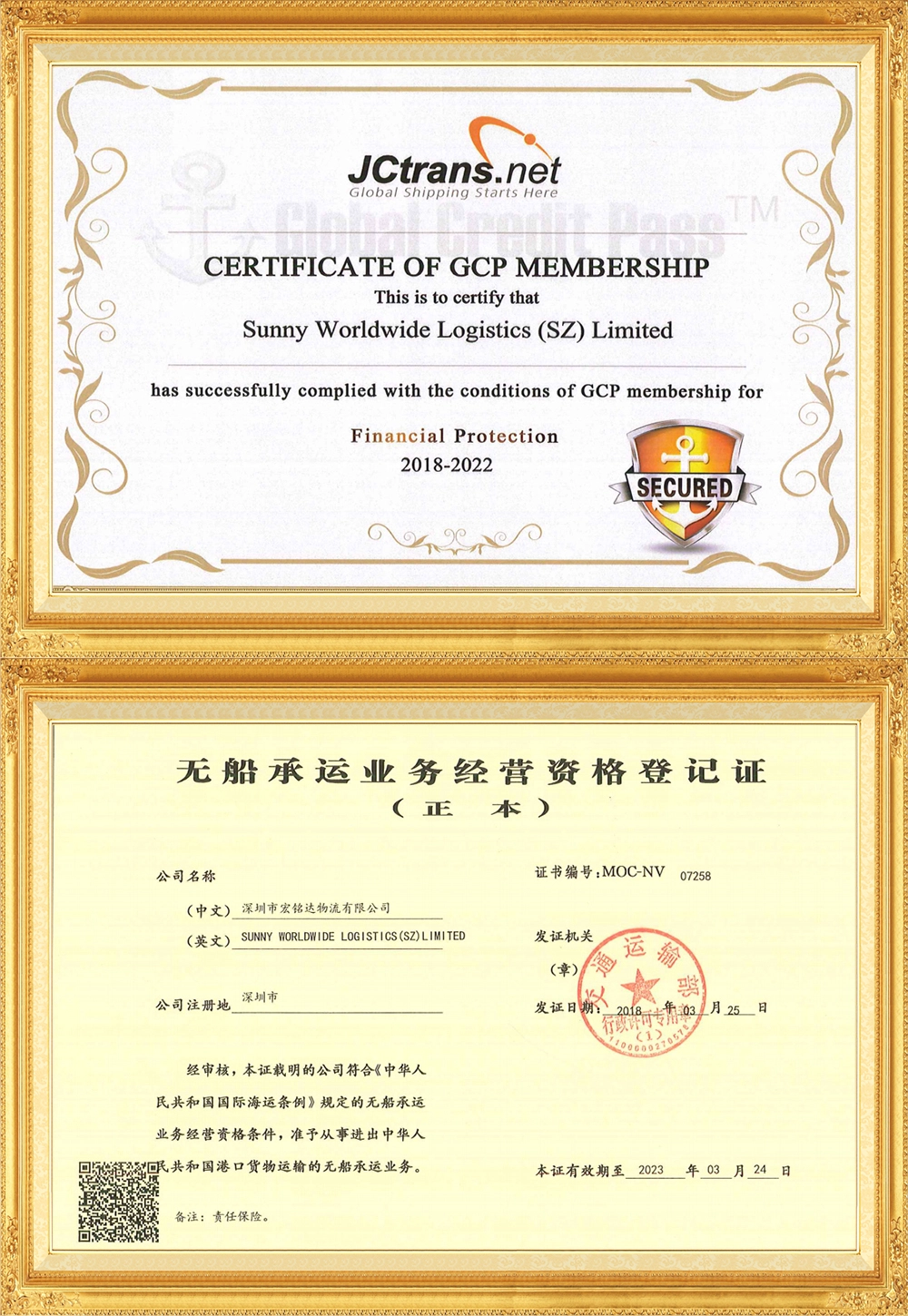
A: We are a direct international freight forwarder, not an agent. Sunny Worldwide Logistics was founded in 1998 — with 27 years in shipping, we know every pitfall in freight and how to avoid them.
Q2: Do you have your own warehouse near the port?
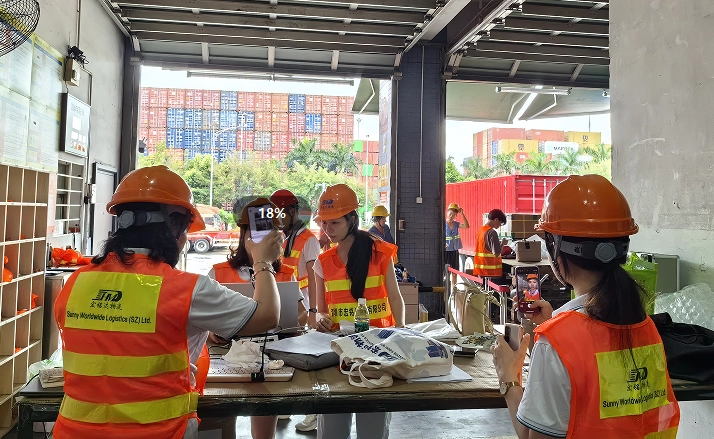
A: Yes. We own an exclusive foreign-trade warehouse at Yantian Port — only 3 companies among 60,000+ forwarders in Shenzhen can say that. Your cargo is stored and loaded in our own facility, not handed to a third party.
Q3: Do you have your own trucks for pickup?
A: Yes, we operate our own fleet of container trucks, available on call — no waiting for outsourced trucking, which makes us one of the fastest in pickup among Shenzhen forwarders.
Q4: How long have you been in freight forwarding? Is your company reliable?
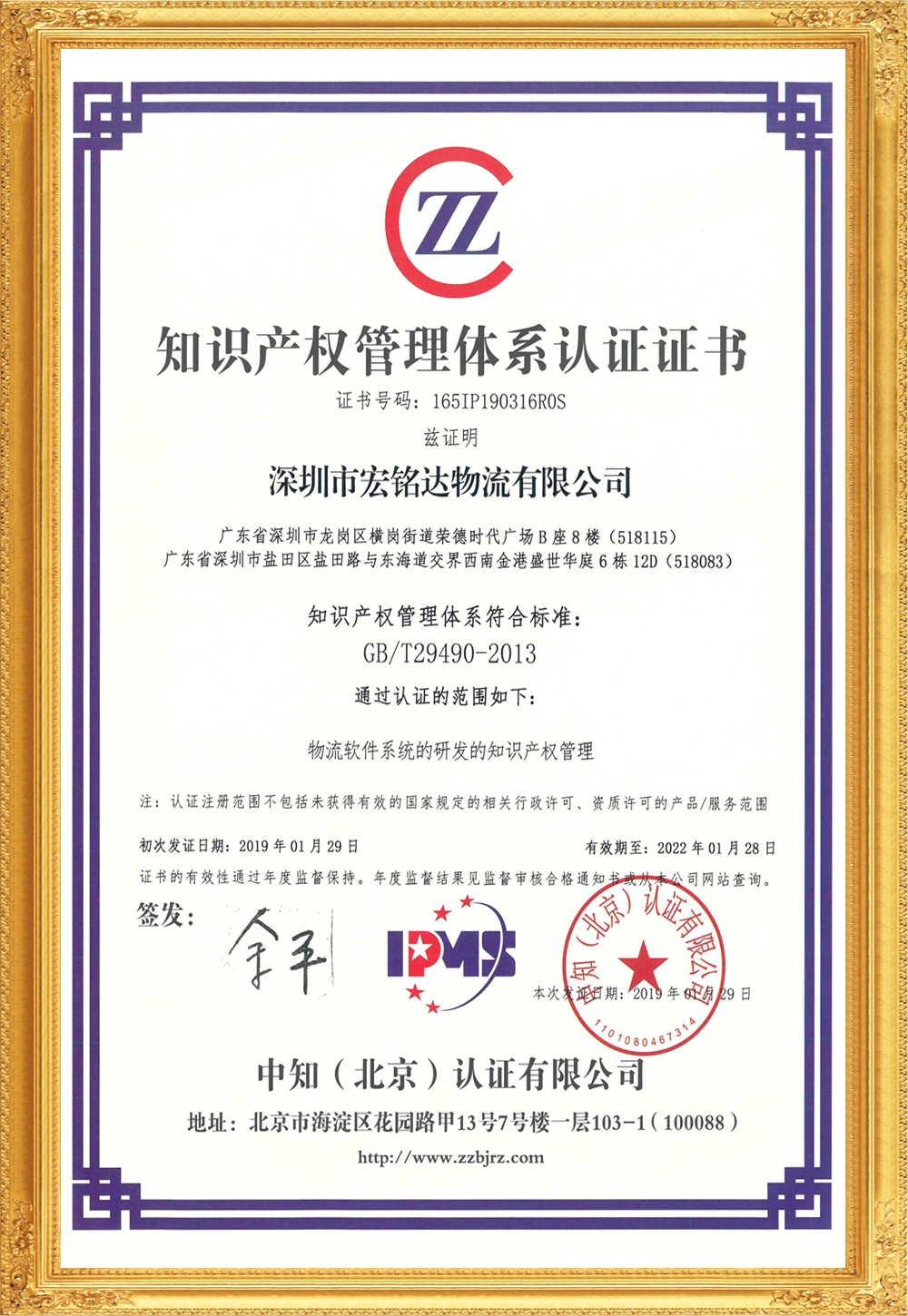
A: Since 1998, 27 years. We own a 1,800㎡ Grade-A office building in Longgang, Shenzhen — few forwarders in the city can match that strength.
Q5: What shipping services do you offer from China?
A: One-stop service: sea freight (FCL/LCL), air freight, railway, land trucking, customs declaration, warehousing, cargo inspection, container loading supervision, fumigation, and cargo insurance.
Q6: Can you pick up goods from my suppliers in Yiwu, Guangzhou or other cities?
A: Yes. We collect cargo from suppliers across China and consolidate it at our warehouse before shipping — with loading photos provided before departure.
Q7: Which countries do you ship to?
A: Worldwide — America, Europe, Australia, Middle East, Africa, Latin America. If there's a port, we can get your cargo there.
Q8: How can I get a shipping quote from China?
A: Send us your cargo details (type, volume/weight, destination) via:
📧 Email: sales36@swwlogistics.com.cn
💬 WhatsApp/WeChat: +86-19076129125(Lily)
📞 Tel: 0755-25643421
🌐 Rate inquiry: swwlsrates.com
Q9: Where is your company located? Can I visit your office?
A: 8th Floor, Block B, Rongde Times Square, Henggang, Longgang District, Shenzhen. Clients are welcome to visit.
Q10: Do you have any guarantee if something goes wrong with my shipment?
A: We take full responsibility for every shipment under our control — except force majeure (natural disasters). 27 years of zero-escape reputation backs every booking.