






Strong growth in foreign trade and containers, Philippine port cargo throughput continues to rise
The latest data from the Philippine Ports Authority (PPA) shows that driven by strong foreign trade imports and exports and growth in container throughput, cargo volume at ports across the Philippines continues to rise steadily. The surge in international freight demand and the optimization of operational efficiency of core terminals such as Manila and Batangas have effectively supported the connectivity of the islands and the resilience of the regional supply chain.
As the global trade pattern continues to evolve and ASEAN regional economic integration accelerates, the Philippine logistics and freight industry is ushering in a new wave of growth. According to the latest statistical and operational data released by the Philippine Ports Authority (PPA), driven by the expansion of foreign trade, the booming development of cross-border e-commerce, and domestic infrastructure construction, the cargo throughput and container transportation volume of major ports across the Philippines have achieved steady growth, highlighting the country's hub status and economic vitality in the global supply chain.
1. Foreign trade and container transportation have become the main engines of growth
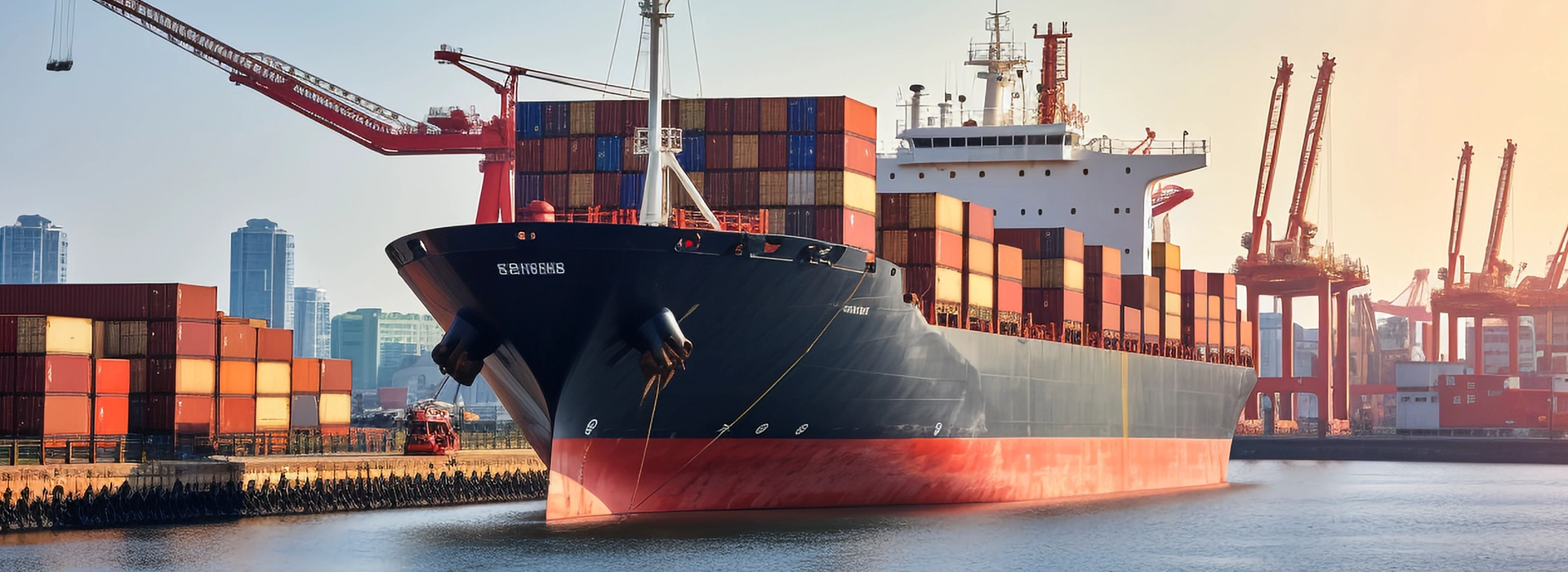
Data show that the cargo throughput of major ports under the jurisdiction of the Philippine Ports Authority has increased steadily, with the increase in foreign trade import and export goods being particularly significant. The hub port group with the capital Manila International Container Terminal (MICT), Manila South Port and Batangas Port as its core handles most of the country's foreign trade maritime cargo. The export demand for electronic components, processed agricultural products, mineral resources, and consumer industrial products has increased significantly. At the same time, the increase in imports of machinery, equipment, and raw materials has promoted an overall rebound in seaborne import and export volume.
In terms of container transportation, the handling capacity of standard containers (TEU) at major terminals has reached new highs. Port operator Asian Terminals Inc. (ATI) and International Container Terminal Services Inc. (ICTSI) have significantly shortened ship berthing turnaround time and cargo clearance and removal cycles by upgrading quay crane equipment, optimizing container yard management, and introducing automated terminal operating systems, providing a strong guarantee for the peak cargo season.
2. Ro-Ro transportation and deepening connectivity of the islands
As an archipelagic country, inter-island logistics has always been the lifeblood of the Philippines’ domestic supply chain. The latest data shows that the national ro-ro (RoRo, Roll-on/Roll-off) transportation volume maintains double-digit or high-single-digit annualized growth. The "Build, Build, Build" and "Infrastructure Expansion Plan" actively promoted by the government focus on strengthening the maritime logistics corridor between Luzon, Visayas and Mindanao.
The efficient operation of the RoRo route not only significantly reduces the transshipment losses and logistics costs of agricultural products, fresh food and daily consumer goods between islands, but also allows small, medium and micro enterprises in remote islands to connect with major consumer markets at low cost, effectively promoting the balanced development of regional economies.
3. Digital upgrades and supply chain challenges coexist
Although the overall freight performance is outstanding, the Philippine logistics supply chain still faces practical challenges such as transportation congestion around ports, uneven deployment of land transportation fleet capacity, and extreme weather disruptions. Especially during the peak shipping season at the end of the year, the terminal storage rate has been operating at a periodically high level, which has caused industry concerns about rising container demurrage fees and comprehensive logistics costs.
In this regard, the Philippine government has worked closely with the Bureau of Customs (BOC), port authorities and private logistics associations to comprehensively accelerate the implementation of digital transformation. This includes promoting electronic bills of lading, online booking and reservation entry systems, and optimizing the paperless customs clearance process, striving to shorten customs clearance time from the source and improve the transparency and predictability of the entire logistics chain.
4. Future Prospects and Regional Competitiveness
Industry authoritative organizations predict that with the continued expansion of the host country's consumer market and the release of dividends from the Regional Comprehensive Economic Partnership Agreement (RCEP), the Philippines' freight and logistics market will maintain a compound annual growth rate of more than 6% in the next few years. Major shipping giants and multinational logistics companies are increasing investment in modern warehousing, cold chain logistics and multimodal transport facilities in the Philippines. By continuously improving the multi-dimensional three-dimensional logistics network of sea, land and air, the Philippines is steadily moving towards becoming a highly competitive modern logistics hub in Southeast Asia.
Q1: Are you a real freight forwarder or just a middleman agent?
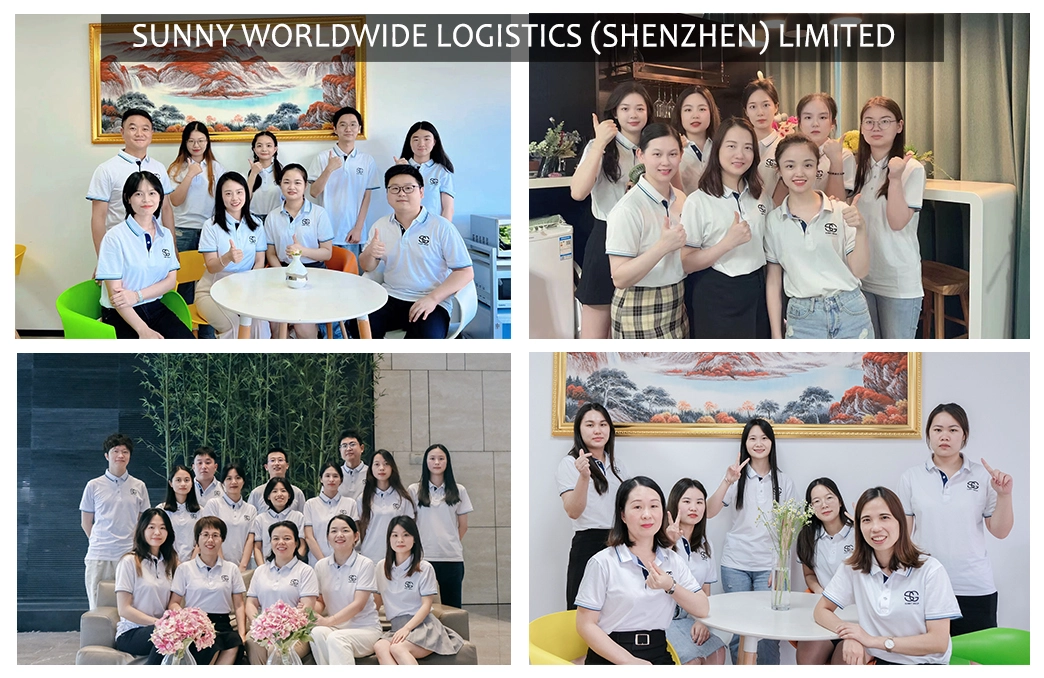
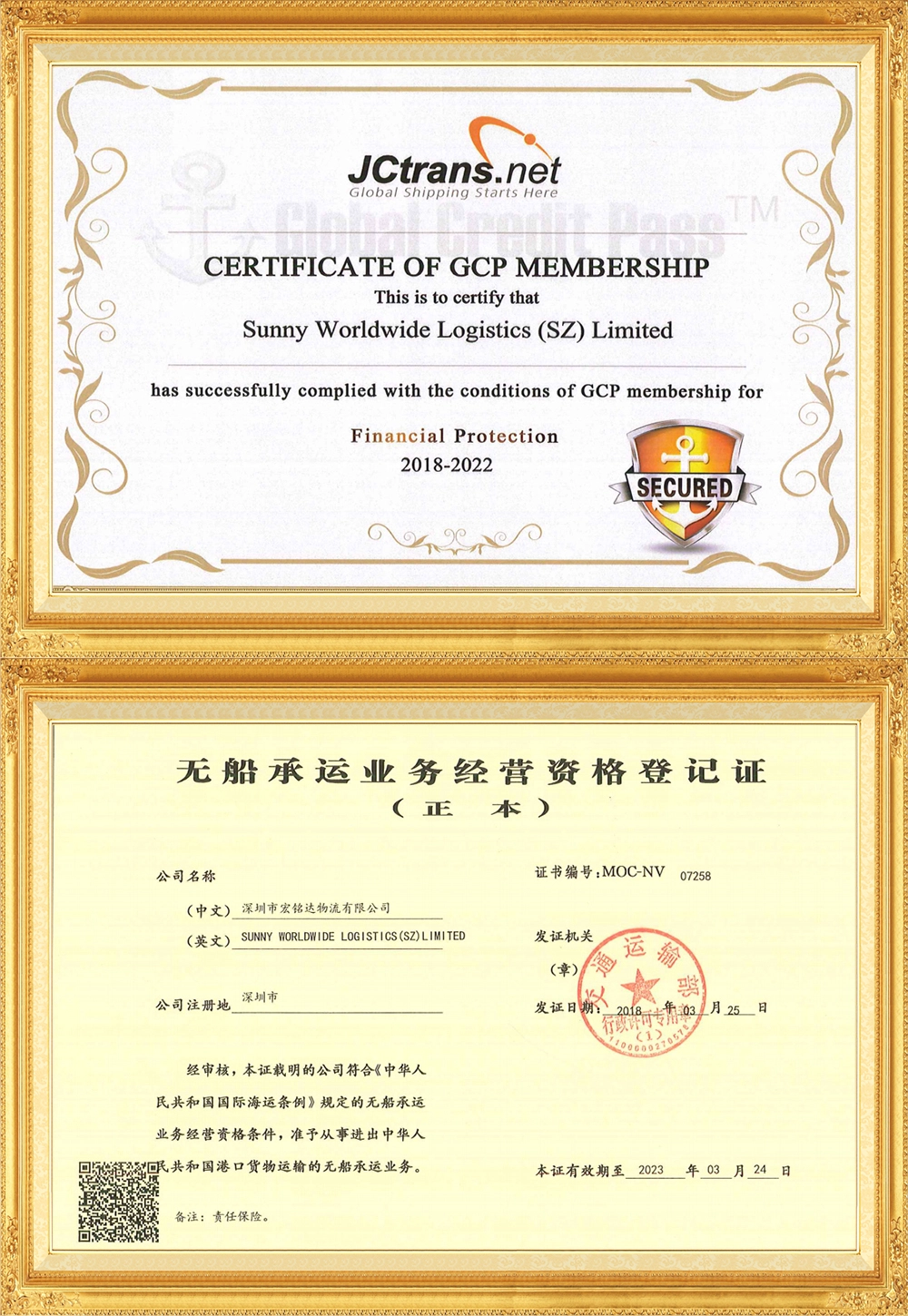
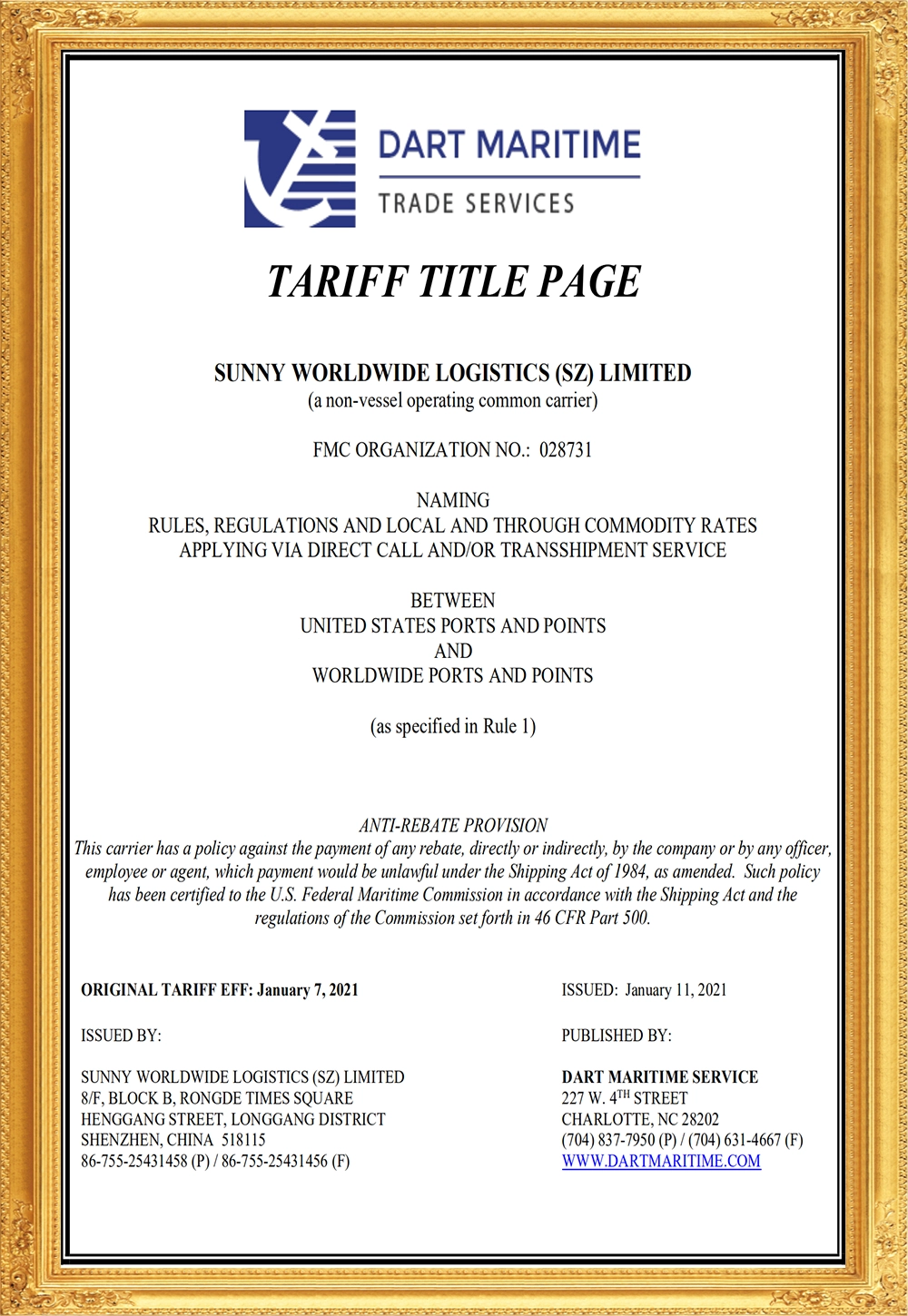
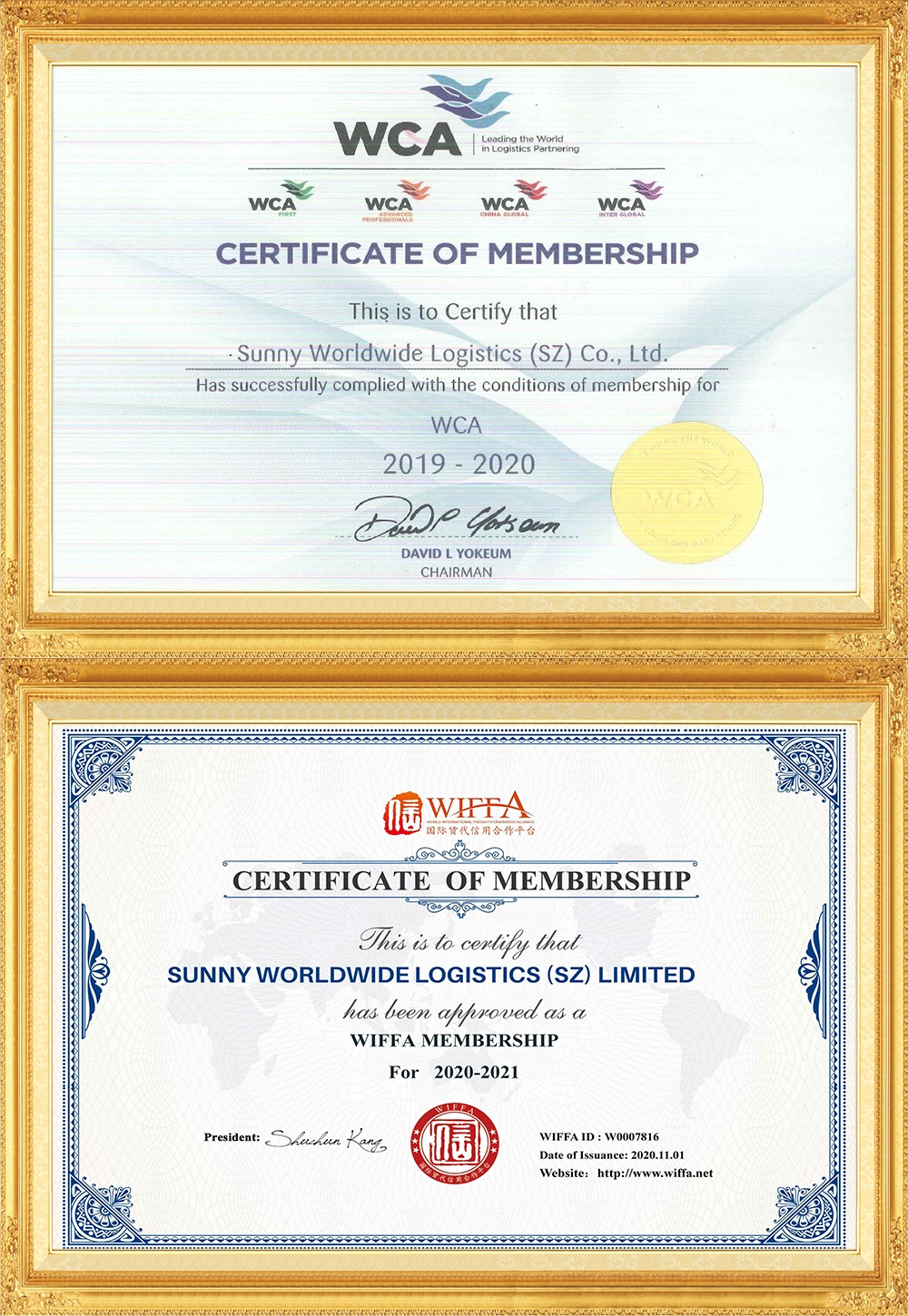
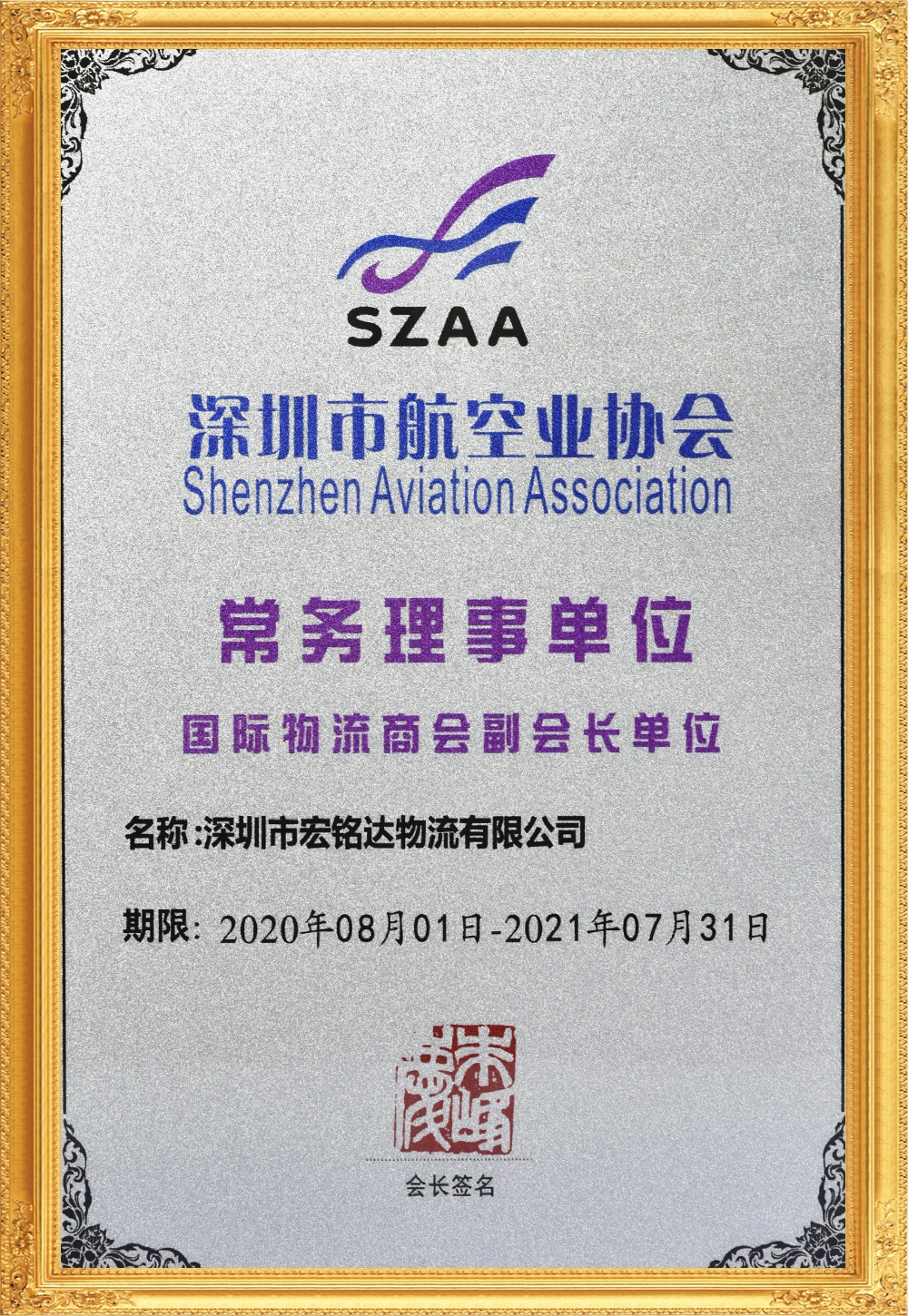
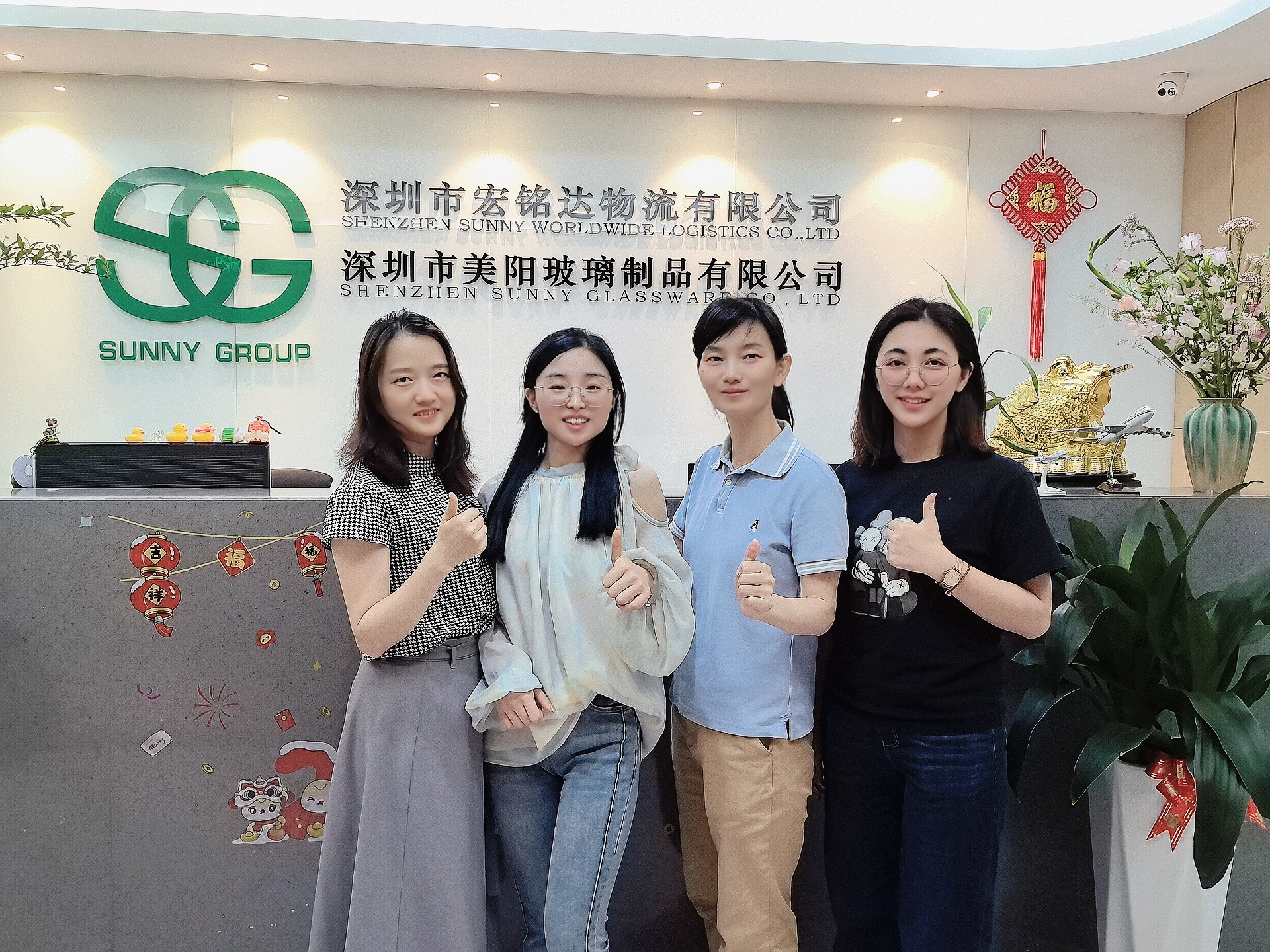
A: We are a direct international freight forwarder, not an agent. Sunny Worldwide Logistics was founded in 1998 — with 27 years in shipping, we know every pitfall in freight and how to avoid them.
Q2: Do you have your own warehouse near the port?
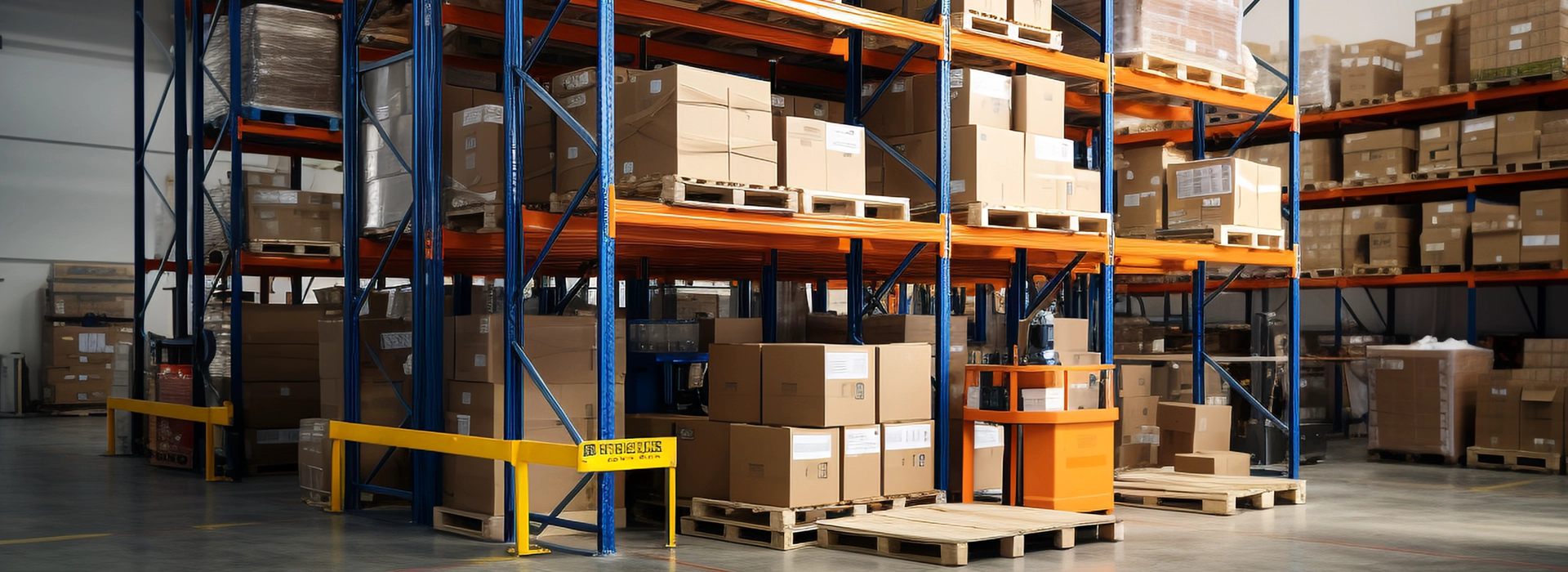
A: Yes. We own an exclusive foreign-trade warehouse at Yantian Port — only 3 companies among 60,000+ forwarders in Shenzhen can say that. Your cargo is stored and loaded in our own facility, not handed to a third party.
Q3: Do you have your own trucks for pickup?
A: Yes, we operate our own fleet of container trucks, available on call — no waiting for outsourced trucking, which makes us one of the fastest in pickup among Shenzhen forwarders.
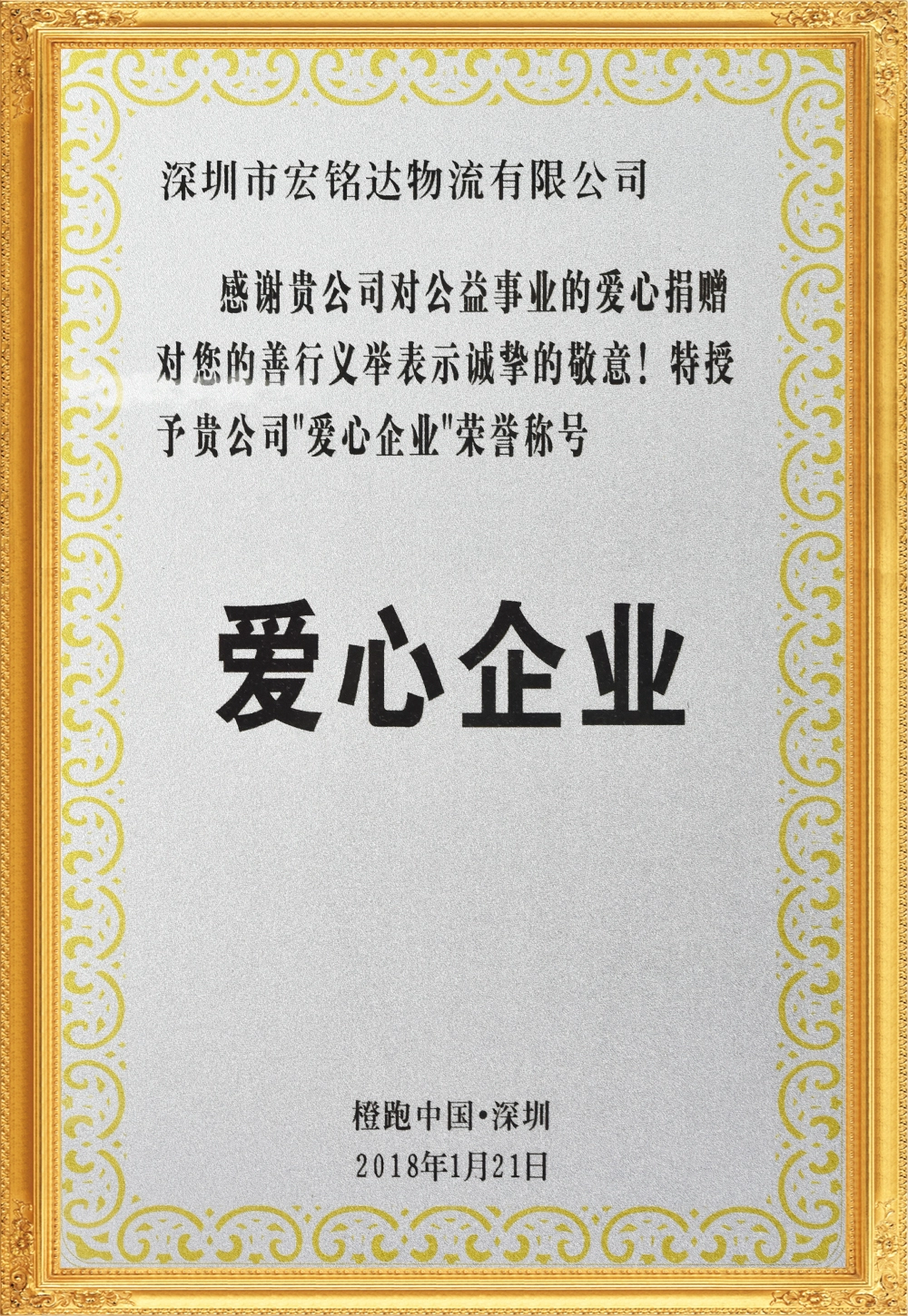
Q4: How long have you been in freight forwarding? Is your company reliable?
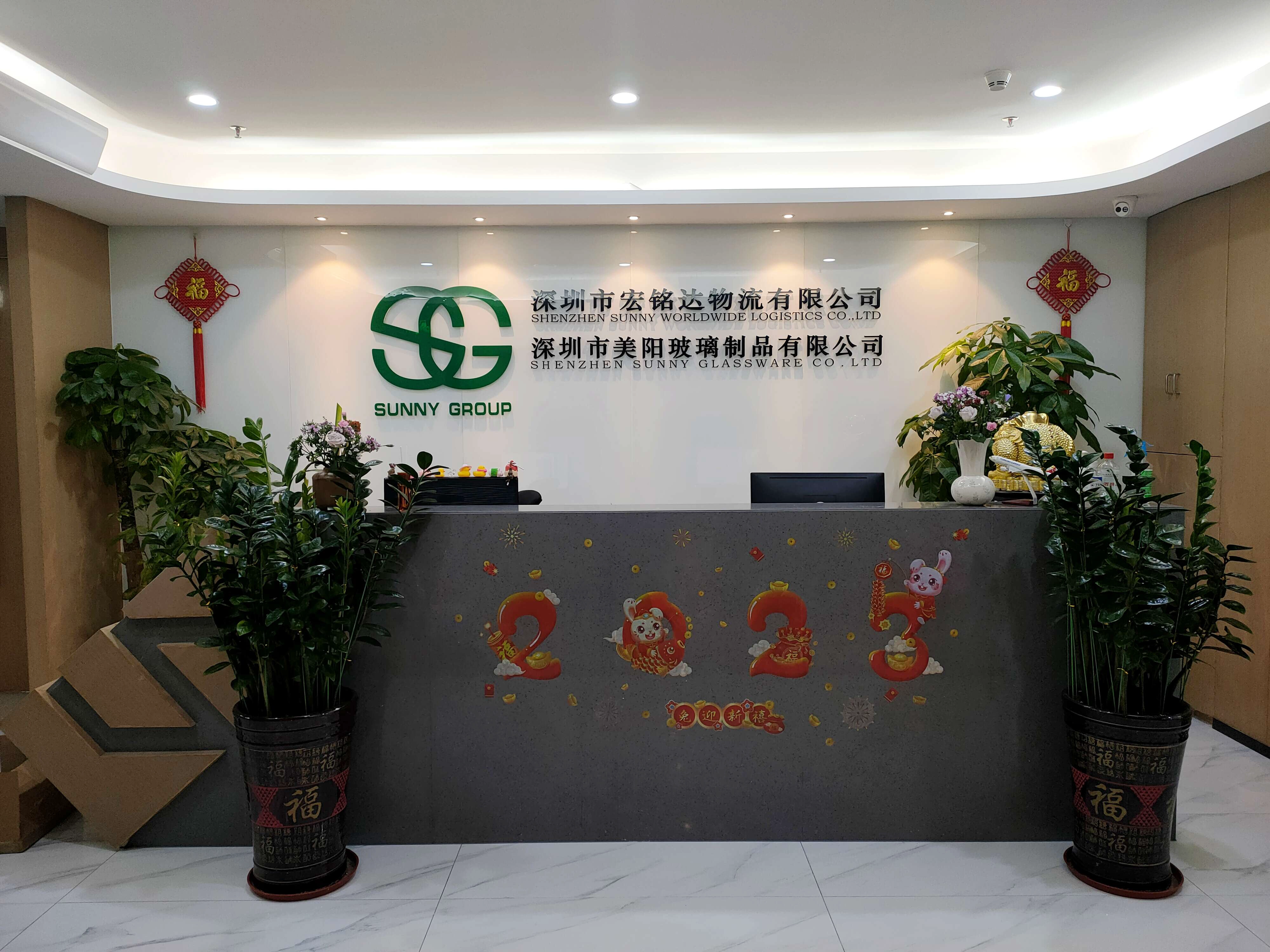
A: Since 1998, 27 years. We own a 1,800㎡ Grade-A office building in Longgang, Shenzhen — few forwarders in the city can match that strength.
Q5: What shipping services do you offer from China?
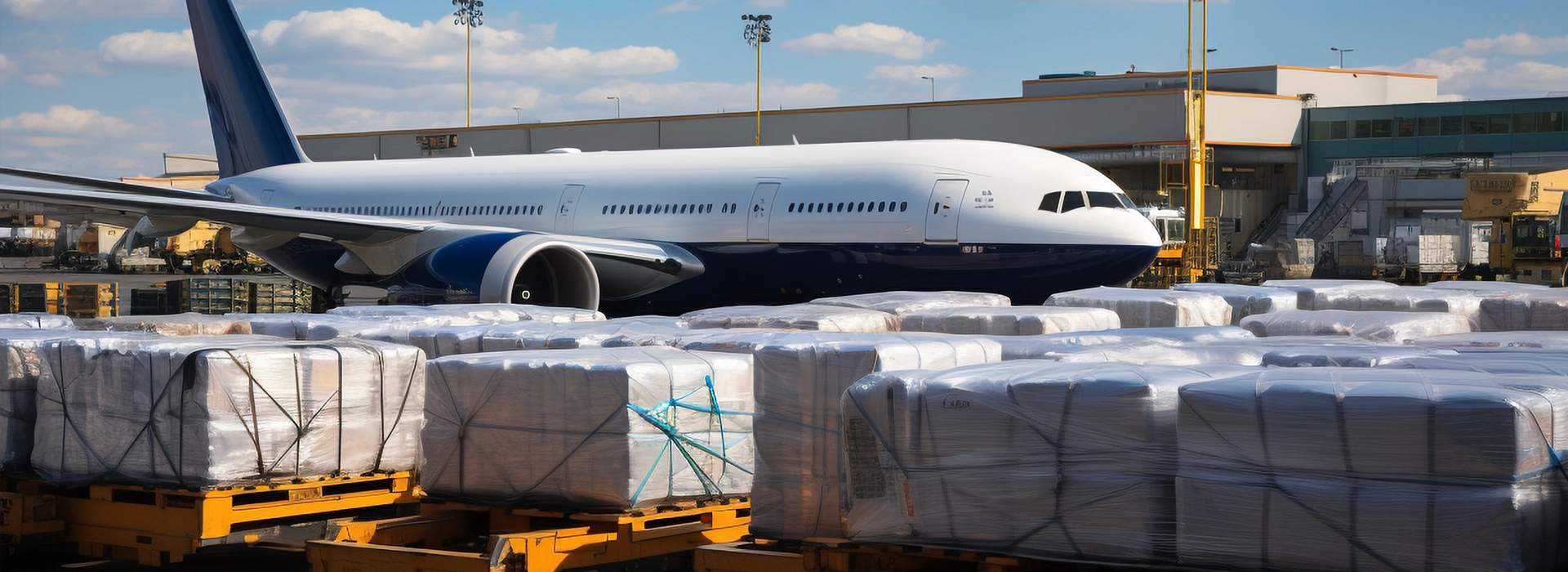
A: One-stop service: sea freight (FCL/LCL), air freight, railway, land trucking, customs declaration, warehousing, cargo inspection, container loading supervision, fumigation, and cargo insurance.
Q6: Can you pick up goods from my suppliers in Yiwu, Guangzhou or other cities?
A: Yes. We collect cargo from suppliers across China and consolidate it at our warehouse before shipping — with loading photos provided before departure.
Q7: Which countries do you ship to?
A: Worldwide — America, Europe, Australia, Middle East, Africa, Latin America. If there's a port, we can get your cargo there.
Q8: How can I get a shipping quote from China?
A: Send us your cargo details (type, volume/weight, destination) via:
📧 Email: sales36@swwlogistics.com.cn
💬 WhatsApp/WeChat: +86-19076129125(Lily)
📞 Tel: 0755-25643421
🌐 Rate inquiry: swwlsrates.com
Q9: Where is your company located? Can I visit your office?
A: 8th Floor, Block B, Rongde Times Square, Henggang, Longgang District, Shenzhen. Clients are welcome to visit.
Q10: Do you have any guarantee if something goes wrong with my shipment?
A: We take full responsibility for every shipment under our control — except force majeure (natural disasters). 27 years of zero-escape reputation backs every booking.