






The Philippine Ports Authority releases the latest freight news: foreign trade volume drives steady growth in port throughput across the country
The latest data from the Philippine Ports Authority shows that driven by strong foreign trade import and export, the national port cargo throughput reached 154 million tons, and the container handling volume exceeded 4.3 million TEUs. The Port Authority is accelerating the digital transformation of trunk hubs and terminal congestion management to provide robust customs clearance and efficient transit guarantees for regional supply chains and cross-border maritime trade.

1. Core freight data: Foreign trade goods have become the main growth engine
According to the latest authoritative freight statistics report released by the Philippine Ports Authority (PPA), thanks to the resilience of cross-border trade and the deepening of industrial chain coordination within the ASEAN region, the cargo throughput and container handling volume of Philippine ports have both increased.
During the statistical period, the country’s major commercial ports under the jurisdiction of the PPA completed a cumulative cargo throughput of 154.033 million metric tons (MMT) , an increase from 149.187 million metric tons in the same period last year 3.2% ;The national container throughput reached 4.3 million TEU , year-on-year growth 2.8% .
From the perspective of supply structure, Foreign trade import and export goods Showing a very dynamic growth momentum, it has become the core driving force for the increase in port throughput across the country:
- Foreign trade import volume : Mainly industrial raw materials, machinery and heavy industry equipment, consumer electronic parts and livelihood supplies, with significant growth;
- Foreign trade export volume : The external delivery of semiconductor components, agricultural and sideline products (such as bananas, pineapples and coconut processed products) and mineral resources maintained a steady increase;
- Domestic trade coastal transportation : Ro-Ro ships (Ro-Ro) and domestic trade container transfers between the Philippine Islands maintain stable operation, effectively ensuring the internal circulation of the archipelago’s economy.
📊 Overview of key operating indicators of Philippine ports
| Core indicator items (Metric) | Completed volume during the reporting period (Current Volume) | YoY Change | Key Drivers |
|---|---|---|---|
| Hong Kong cargo throughput | 154.033 MMT (million metric tons) | ⬆️ +3.2% | Imports of foreign trade manufacturing raw materials and infrastructure projects surge |
| Total container handling volume | 4.30 Million TEUs (10,000 standard boxes) | ⬆️ +2.8% | Increased liner density on transpacific routes and Asian short-ocean routes |
| Proportion of foreign trade freight | About 62.4% | ⬆️ +4.1% | Collaborative expansion of cross-border e-commerce, high-tech manufacturing and agricultural exports |
| Ship berthing times | Over 357,000 ships | ⬆️ +1.9% | Added offshore branch lines and direct weekly flights to Southeast Asia |
2. Performance of major port hubs and infrastructure modernization
In terms of regional hubs, the Luzon port group with Manila International Container Terminal (MICT), Manila South Harbor, Batangas and Subic Bay as its core is responsible for more than 70% of the country's international trade heavy container circulation.
- Efficiency improvements in Metro Manila port area : Faced with the storage pressure during the traditional peak shipping season, PPA, in collaboration with the Bureau of Customs (BOC), continues to implement the container advance declaration system and the terminal rapid port clearing mechanism, reducing the average berth waiting time to a healthy level in the industry;
- Southern and central hub diversion : The direct foreign trade routes of Cebu Port, Cagayan de Oro and Davao Port have continued to expand, effectively easing the pressure on land truck transportation in the capital area and significantly reducing inland short-term barge costs for cargo owners in surrounding hinterlands;
- Green and smart port construction : PPA focuses on accelerating the installation of automated quay cranes at major berths, the circulation of electronic bills of lading (e-DO) and the popularization of green and low-carbon shore power facilities, and comprehensively promotes digital paperless customs declaration and inspection circulation.
3. International logistics observation and cargo owner’s shipping suggestions
Combined with the macro freight dynamics disclosed by the Philippine authorities, international logistics supply chain experts put forward the following practical suggestions for the majority of foreign trade export companies and freight forwarders:
- Scientific planning of shipping schedule and destination port selection : For cargo destined for southern Luzon, it is recommended that cargo owners evaluate the feasibility of direct shipping to Batangas or Subic to avoid a concentrated flow to the Port of Manila during peak periods;
- Strictly control document consistency and compliance declaration : The Philippine Customs is extremely strict in reviewing the product name, gross weight/net weight and value declaration. Before shipment, be sure to ensure that the bill of lading, packing list, commercial invoice and certificate of origin (such as FORM E) are 100% consistent to avoid inspection detention and additional storage fees at the port of destination;
- Strengthen end-to-end timeliness tracking of the entire chain : It is recommended to choose a service provider with customs clearance capabilities at the destination port and a complete local delivery network to lock in the Free Detention/Demurrage time limit in real time to ensure smooth customs clearance and departure of the goods within 48-72 hours after berthing.
Q1: Are you a real freight forwarder or just a middleman agent?
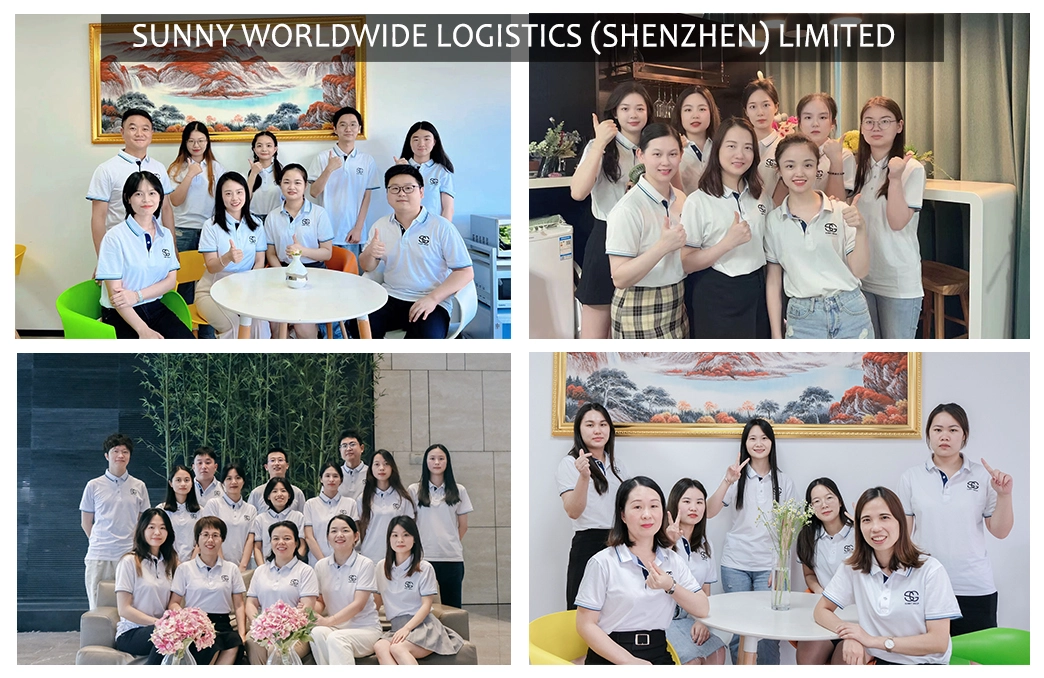
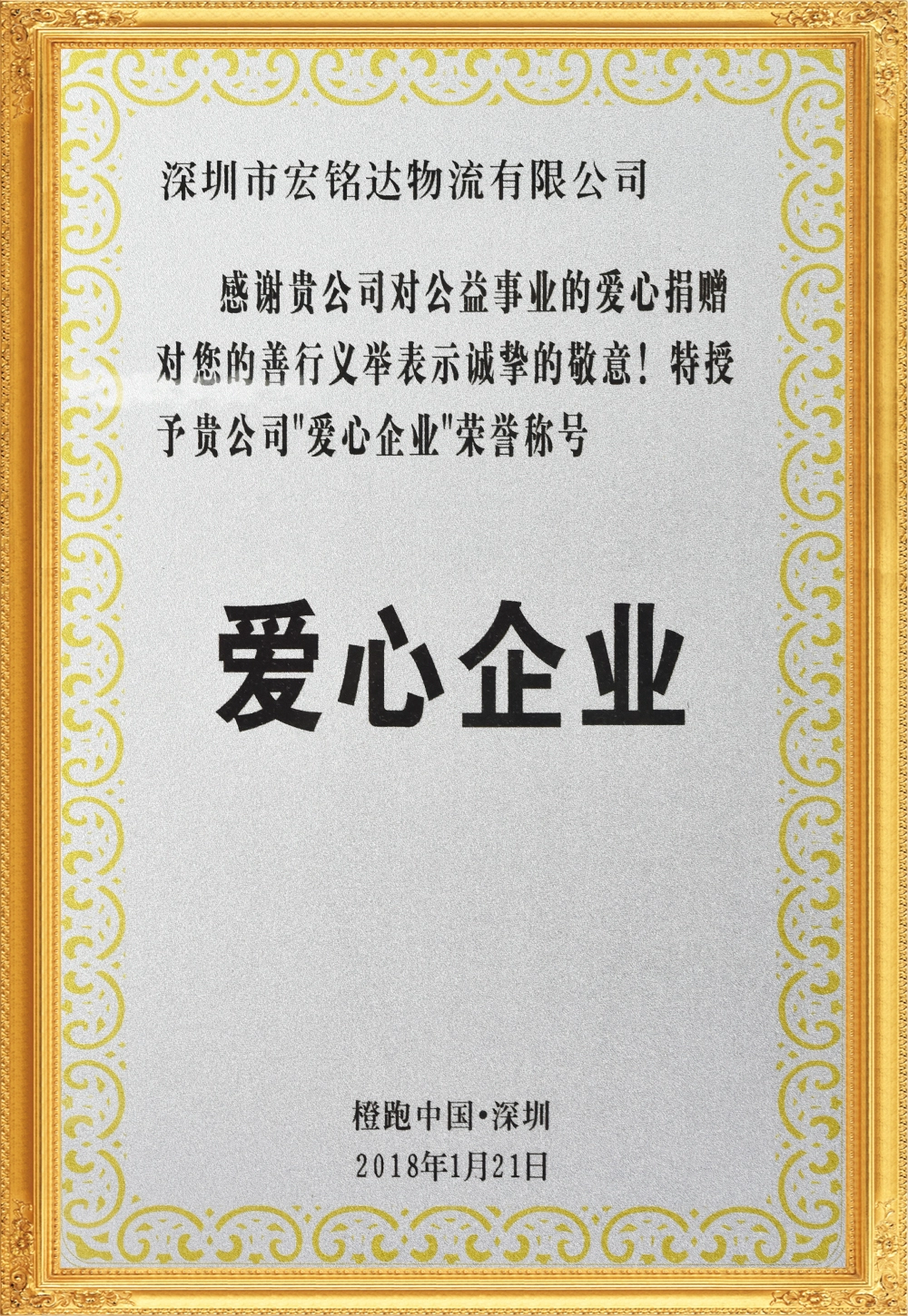
A: We are a direct international freight forwarder, not an agent. Sunny Worldwide Logistics was founded in 1998 — with 27 years in shipping, we know every pitfall in freight and how to avoid them.
Q2: Do you have your own warehouse near the port?
A: Yes. We own an exclusive foreign-trade warehouse at Yantian Port — only 3 companies among 60,000+ forwarders in Shenzhen can say that. Your cargo is stored and loaded in our own facility, not handed to a third party.
Q3: Do you have your own trucks for pickup?
A: Yes, we operate our own fleet of container trucks, available on call — no waiting for outsourced trucking, which makes us one of the fastest in pickup among Shenzhen forwarders.
Q4: How long have you been in freight forwarding? Is your company reliable?
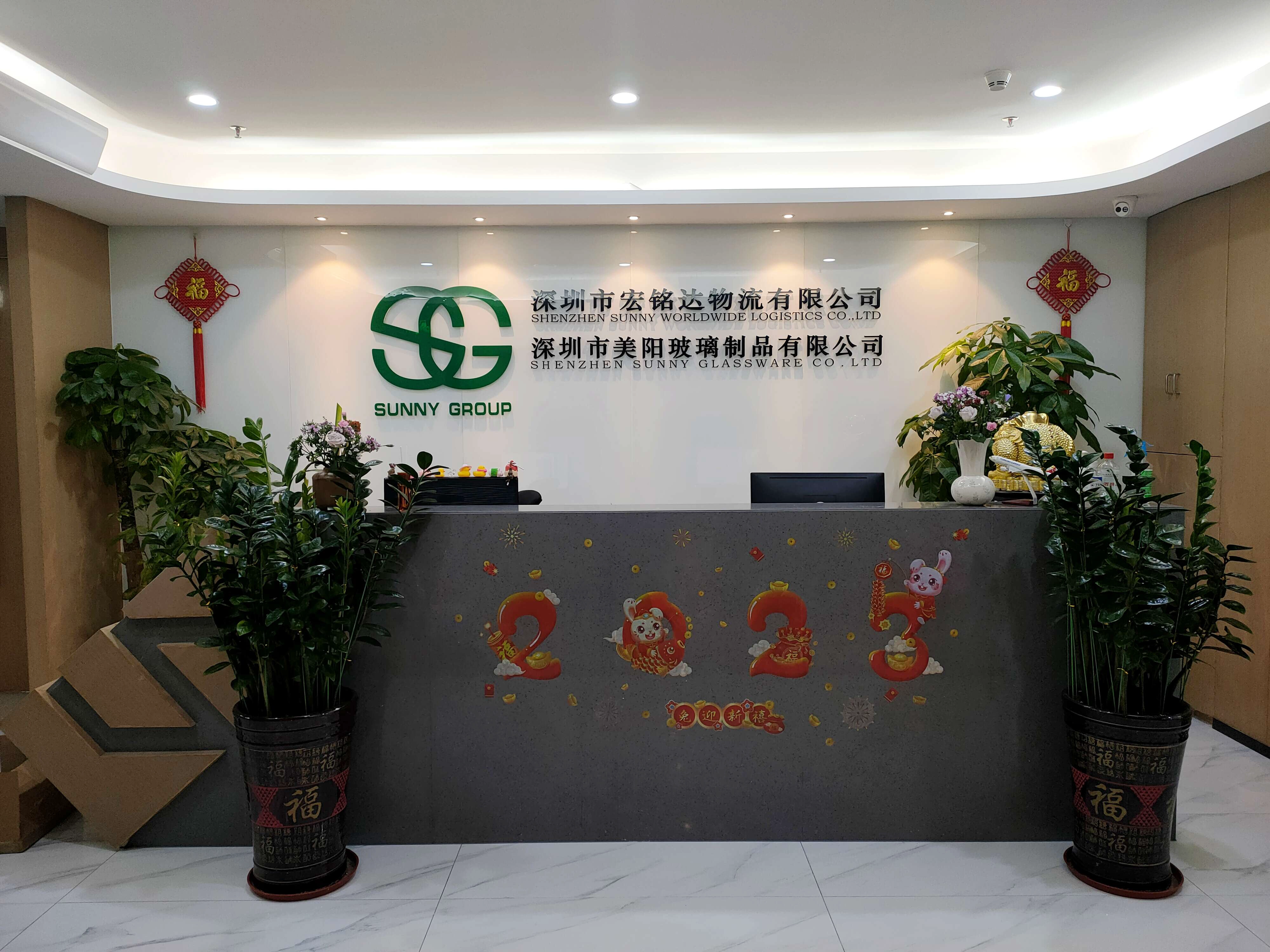
A: Since 1998, 27 years. We own a 1,800㎡ Grade-A office building in Longgang, Shenzhen — few forwarders in the city can match that strength.
Q5: What shipping services do you offer from China?
A: One-stop service: sea freight (FCL/LCL), air freight, railway, land trucking, customs declaration, warehousing, cargo inspection, container loading supervision, fumigation, and cargo insurance.
Q6: Can you pick up goods from my suppliers in Yiwu, Guangzhou or other cities?
A: Yes. We collect cargo from suppliers across China and consolidate it at our warehouse before shipping — with loading photos provided before departure.
Q7: Which countries do you ship to?
A: Worldwide — America, Europe, Australia, Middle East, Africa, Latin America. If there's a port, we can get your cargo there.
Q8: How can I get a shipping quote from China?
A: Send us your cargo details (type, volume/weight, destination) via:
📧 Email: sales36@swwlogistics.com.cn
💬 WhatsApp/WeChat: +86-19076129125(Lily)
📞 Tel: 0755-25643421
🌐 Rate inquiry: swwlsrates.com
Q9: Where is your company located? Can I visit your office?
A: 8th Floor, Block B, Rongde Times Square, Henggang, Longgang District, Shenzhen. Clients are welcome to visit.
Q10: Do you have any guarantee if something goes wrong with my shipment?
A: We take full responsibility for every shipment under our control — except force majeure (natural disasters). 27 years of zero-escape reputation backs every booking.