





- Browse Categories
- Air Freight
- Sea Freight
- Contact Us
-
TEL:+86-755-25643417
Fax: +86 755 25431456
Address:Room 806, Block B, Rongde Times Square, Henggang Street, Longgang District, Shenzhen, China
Postcode: 518115
E-mail: sales1@swwlogistics.com.cn Contact Now
- Logistics Services




- News CenterMore>>
-
- Philippine Ports Authority releases freight data: Manila Port throughput increases steadily and digital customs clearance upgrades
- Philippine port throughput is rising steadily: cargo volume will exceed 154 million tons in 2026
- Philippine sea and air cargo throughput grows strongly: ports and airports accelerate port dredging and improve efficiency
- The Philippines comprehensively promotes the construction of the Luzon Economic Corridor and SCMB freight railway and strives to solve the problems of port congestion and high freight rates.
- Multiple Philippine ministries and commissions have promoted the JAO joint administrative order: comprehensively standardizing container management and shipping miscellaneous charges to resolve the year-end congestion crisis at Manila Port
- Philippines cross-department finalizes JAO administrative order to break port congestion: expand storage yard and extend customs inspection
- Multiple departments in the Philippines have joined forces to promote port dredging and freight reform to comprehensively relieve the pressure on Manila's shipping stagnation at the port.
- Philippine port delays rise during peak season, Clark aviation hub opens
- The Philippine Ports Authority has increased loading and unloading rates at the Port of Manila and taken multiple measures to address empty container storage and supply chain congestion.
- The volume of foreign trade cargo at Philippine ports has grown steadily, and the customs and port authorities have strengthened digital transportation.
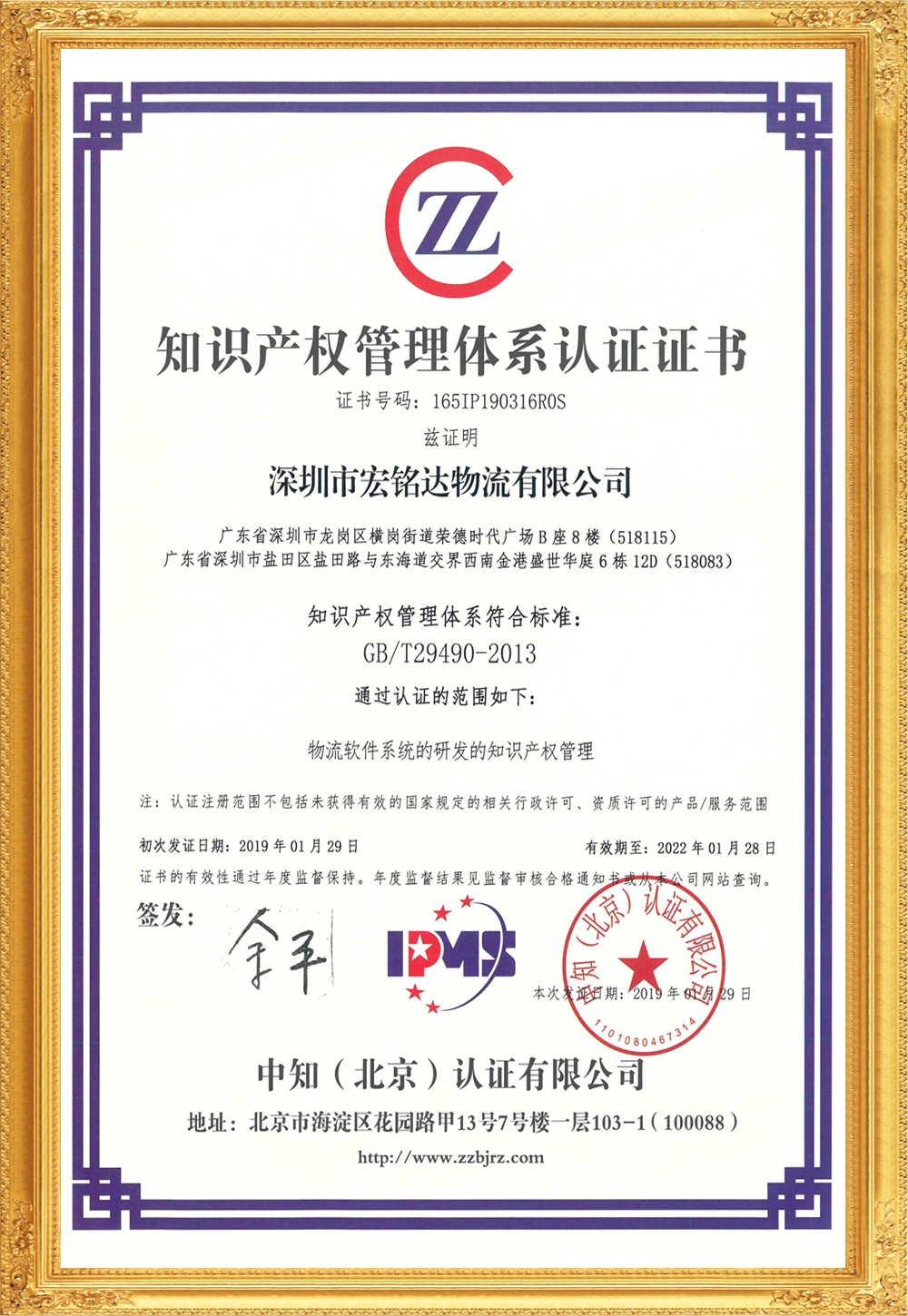
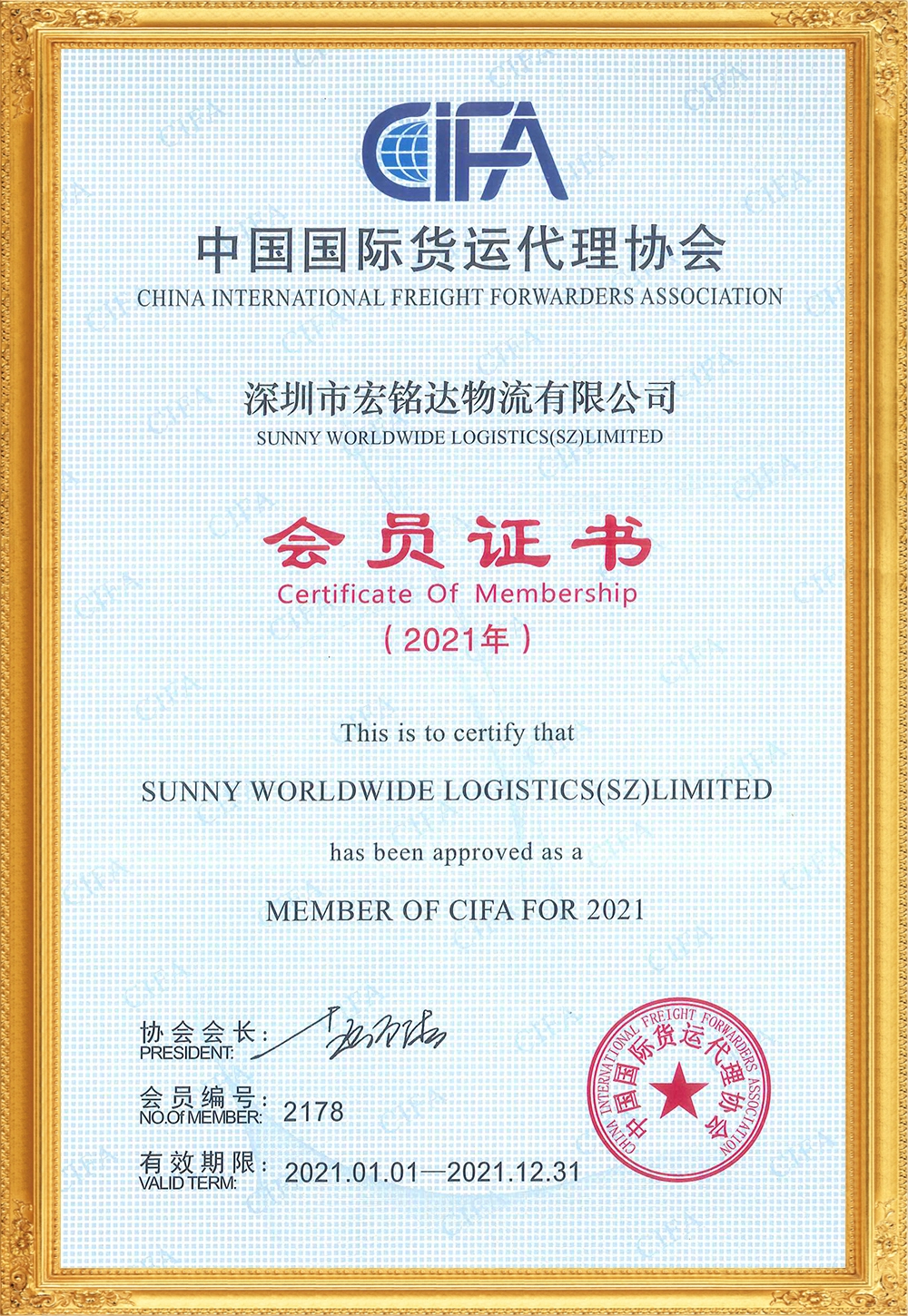
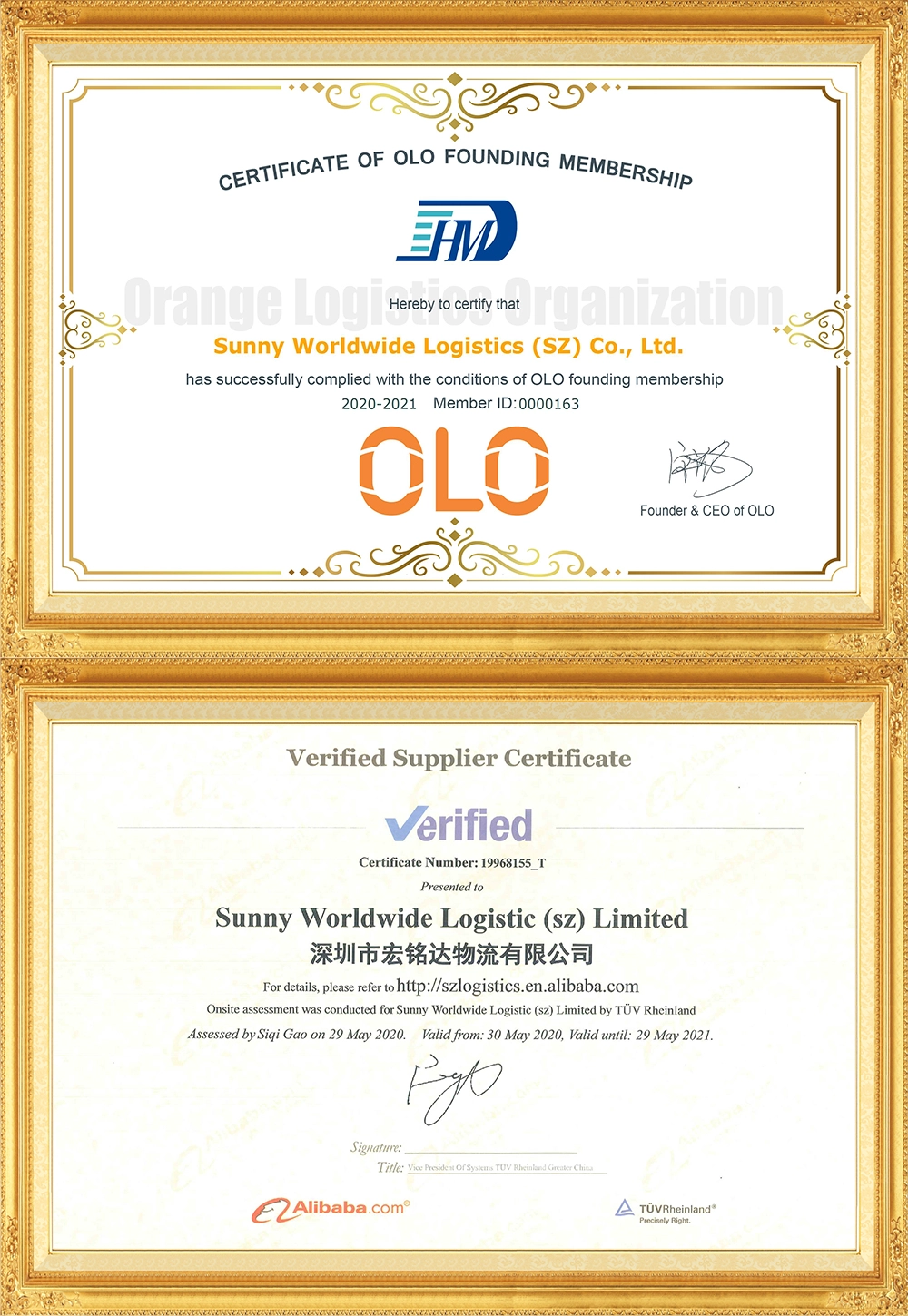
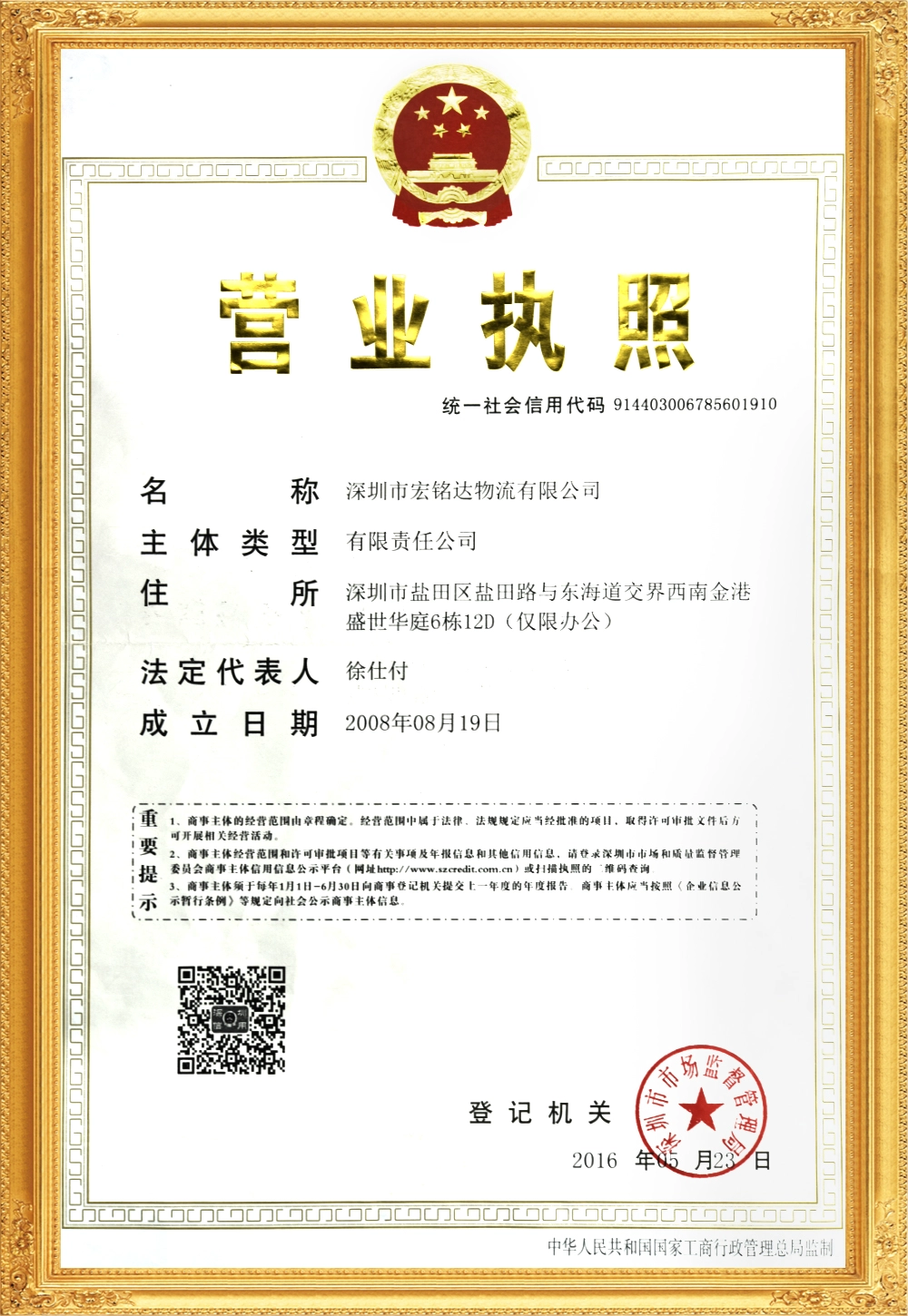
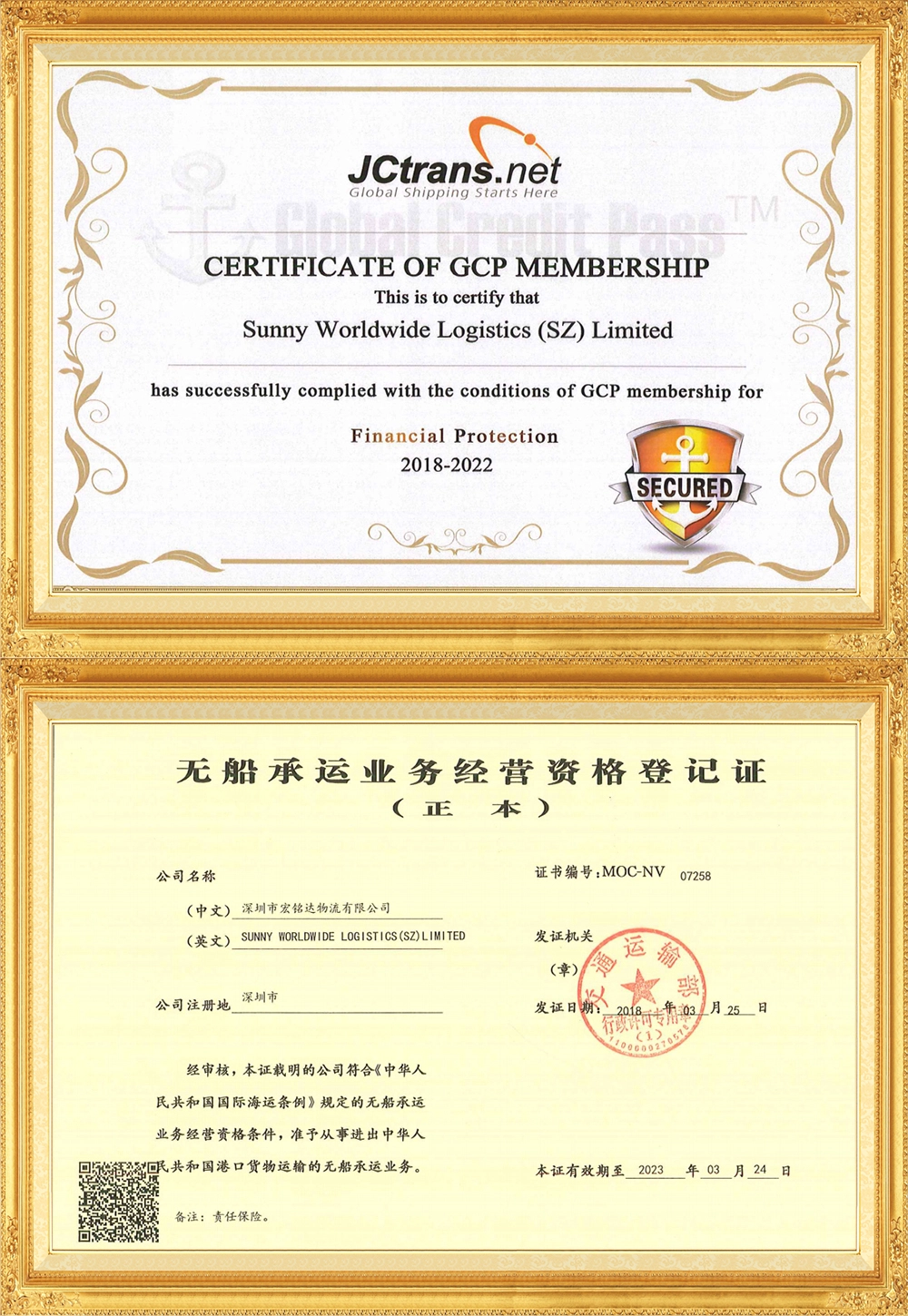
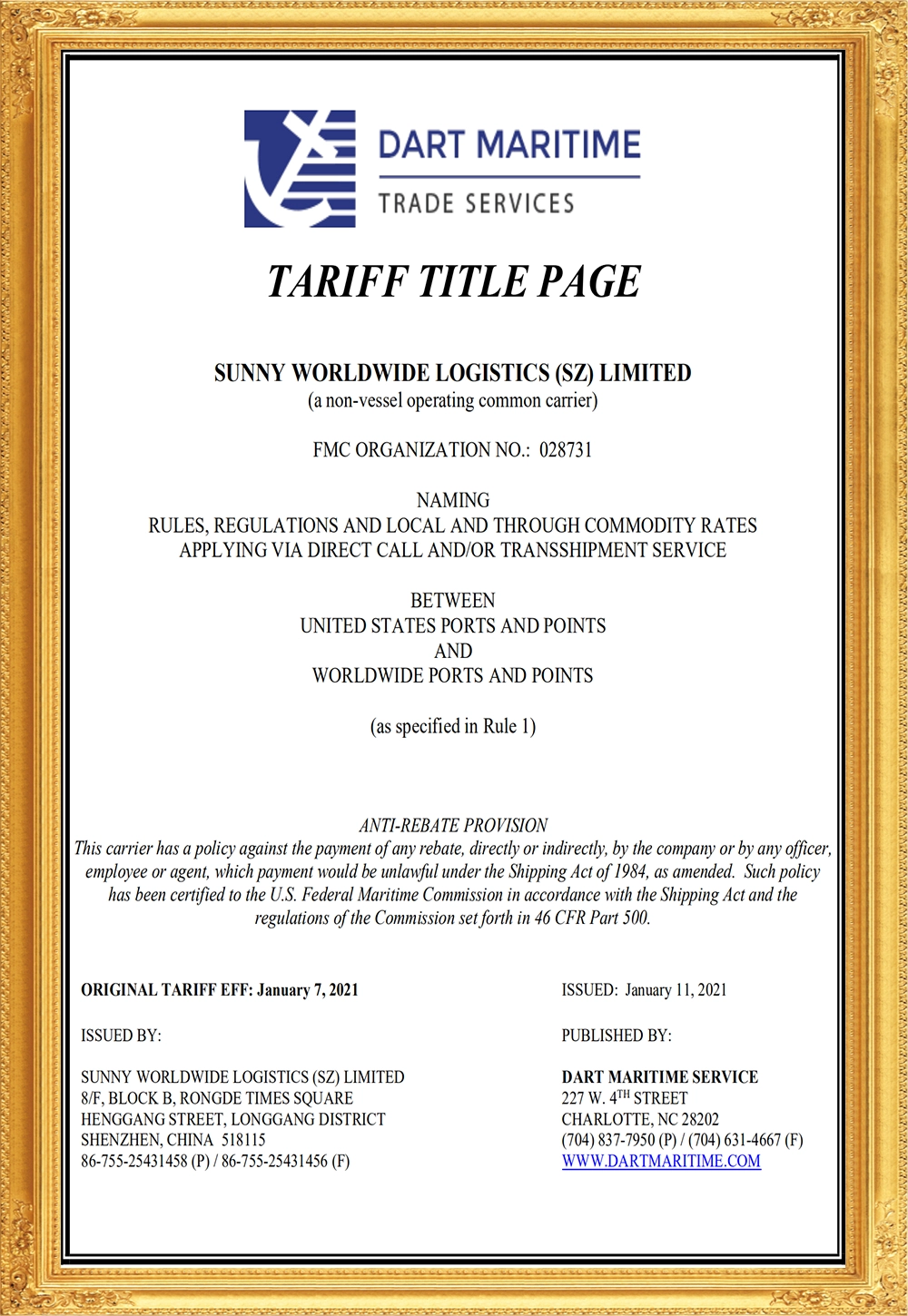
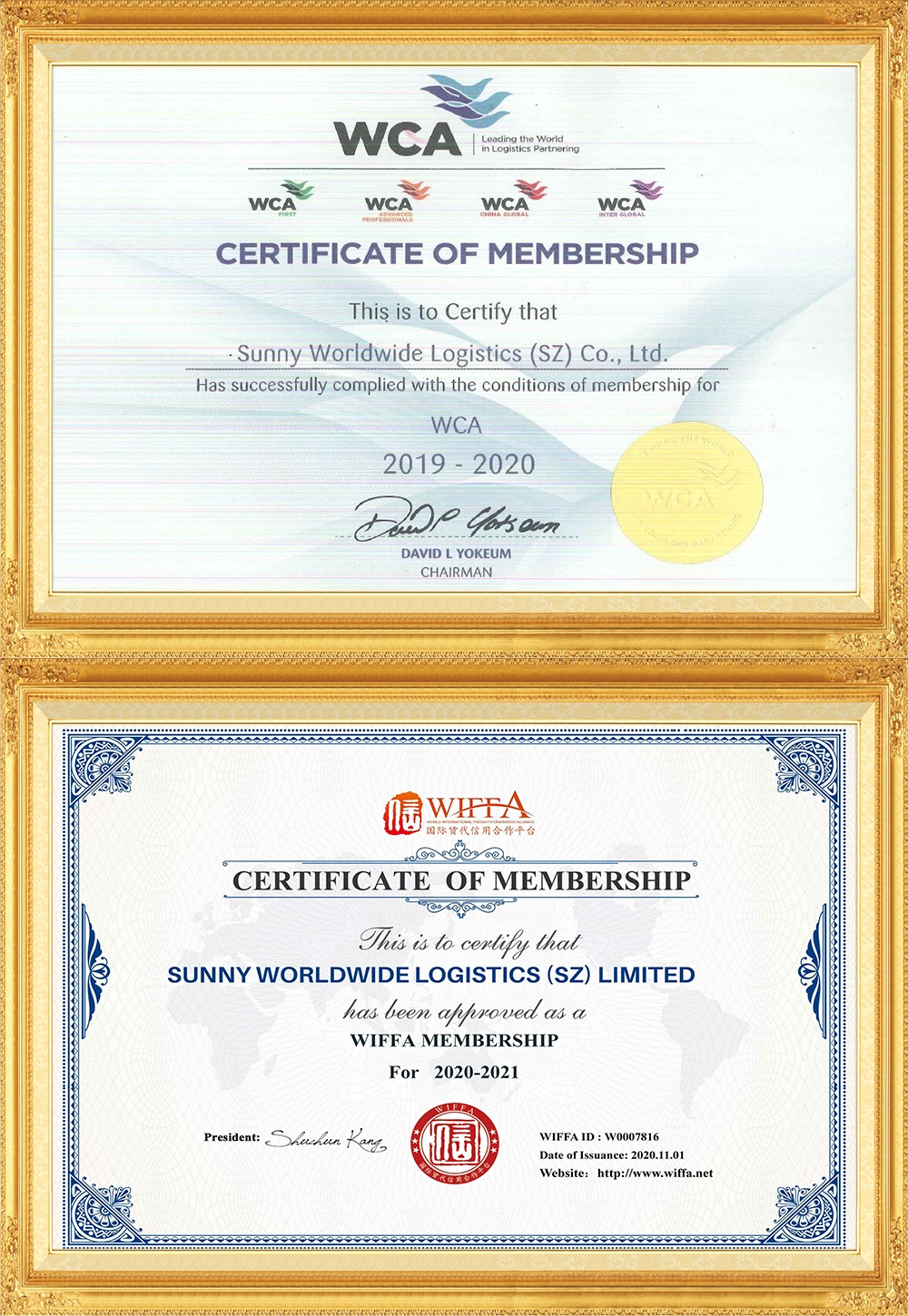
- Certifications
-



- Follow us
- Subscribe
-
Get email updates on new products


CCTV and Security Camera Systems Shipping to Philippines | DDP
- Place of Origin: China
- Departure Country/Region: CHINA (Shenzhen / Guangzhou / Dongguan)
- Destination Country/Region: PH (Philippines - Manila, Cebu, Davao)
- Transit Time (Days): Sea: 15 Days (Manila) / 25 Days (Cebu & Davao); Air: 3-5 Days
- Shipping Method: DDP Door to Door (Sea LCL & FCL)
- Cargo Type: IP cameras, NVRs, hard drives, PoE switches, cabling and brackets
A CCTV package is bought against a date. The building opens, the tenant moves in, the audit is scheduled, and the cameras have to be recording before any of it happens. Freight that arrives a week late is not a logistics problem at that point, it is a contract problem.
Sunny Worldwide Logistics has handled electronics and project cargo on the China–Philippines lane for more than 20 years. Security equipment is a category we plan backwards from the installation date, because the hardware itself is rarely the difficult part.
Why Security Hardware Fails on Timing, Not on Freight
A camera kit is not one product. It is cameras, recorders, hard drives, network switches, power supplies, brackets, connectors and several hundred metres of cable, usually from two or three suppliers who have no idea the others exist. Each order is small. Each one ships separately unless somebody consolidates them.
The result is a site with cameras, no cabling, and an installer being paid to wait. Consolidating the whole package into one booking does more for a project schedule than any single supplier can, and it fixes the second problem at the same time: one entry declaration instead of four partial ones arriving on different days.
Why DDP Suits Project Cargo
Security equipment is electronic, high-value and classified across several tariff lines. Cameras, recorders and cable do not share a duty treatment, and an invoice that lists the whole project as "security system" invites an examination at the worst possible moment.
Under DDP terms the landed cost is fixed before loading, so the project budget is closed at the quotation stage rather than reopened when the broker's invoice arrives. Duty, VAT, clearance and delivery sit in one figure, and the consignee receives the goods at the site without a second payment to a broker he has never met.
How We Handle Security Equipment
Cameras, domes and PTZ units
Domes scratch, PTZ heads are mechanically fragile, and both are packed in retail boxes that were never designed for an ocean container. They travel cartoned, on pallets, with the lenses protected and nothing stacked on the dome side of the box.
Recorders, drives and switches
NVRs and PoE switches are anti-static sensitive and do not enjoy humidity. Hard drives are the most fragile item in the shipment and are packed separately from anything heavy. We keep them off the container floor and away from the doors, where condensation forms first.
Cable reels and brackets
Cable is dense and heavy, and a loose reel unwinds across a container. Reels are chocked and strapped, poles and brackets are bundled, and the heavy items go at the base of the load under the cartons rather than over them.
Wireless kits and certification
Some wireless cameras and transmitters need a local type-approval certificate before they can be sold or installed. We ask for the product specification at quotation stage and flag the lines that need paperwork, so the certificate is obtained while the container is still at sea rather than after it is discharged.
Documents and Serial Numbers
The commercial invoice needs one line per model, with the model number, description, quantity and unit value. Where the consignee will claim warranty, a packing list that records serial numbers per carton is worth the extra hour: a failed camera can then be replaced against the record instead of against a photograph of a box.
Classification matters more here than on general cargo. Our note on Philippines customs duty for electronics explains how the treatment differs between a camera, a recorder and a cable, and why the invoice has to follow it. For small sample or pilot orders, the BOC de minimis rules decide whether duty applies at all.
How the Shipment Moves
- Collection. Factory pickup in Shenzhen, Dongguan or Guangzhou with our own trucking fleet, counted against the packing list at the door.
- Consolidation and inspection. Receiving at our warehouse, carton condition check, re-packing of any retail box that will not survive the voyage, and a load plan that separates drives from cable.
- Export and ocean leg. Declaration filed against the model-level invoice, container booked to Manila, Cebu or Davao. Sea freight runs about 15 days door to door to Manila and about 25 days to Cebu or Davao.
- Clearance and site delivery. Duty and VAT assessed and paid, container released, and delivery to the installation address. Clearance is typically 1 to 2 days faster than the industry average, and delivery is free within 30km of the Metro or downtown area.
Where a project cannot wait, air freight at 3 to 5 working days moves the commissioning kit while the bulk travels by sea. The sequencing is described on our service flow page, and the same terms apply on our Manila DDP shipping service.
Why Shippers Choose Sunny Worldwide Logistics
We own the first mile. Our own trucking fleet works the Shenzhen and Guangzhou ports, so a pickup from an electronics factory does not depend on a third-party truck arriving on time.
More than 20 years on this lane, through every change in Philippine import rules. NVOCC and FMC registered, and members of the Worldwide Cargo Alliance, CIFA, JCTRANS, WIFFA, FUDA, SZSSA and OLO.
Every inquiry gets at least three routing or consolidation options, designed to save clients at least 5% against their current arrangement. Optional cargo insurance is available for high-value electronics, and the warehouse system keeps a record of what arrived and what shipped.
Frequently Asked Questions
Can cameras and cabling ship together?
Yes, and they should. One booking, one declaration and one delivery date is what keeps an installation on schedule. We load the heavy reels at the base and the cameras above them.
Do you declare the goods at the real value?
Always. Electronics are checked, and an undervalued invoice is a penalty risk that lands on the consignee. The DDP figure is built on the declared value, which is why it does not change after arrival.
How quickly can a project kit reach Manila?
About 15 days door to door by sea, and 3 to 5 working days by air. For Cebu and Davao the sea transit is about 25 days, so the booking date should be set against the handover date, not against the factory's dispatch date.
Send the model list, the supplier locations and the site address, and you will get a DDP figure with the classification and the certification questions already checked. Contact Sunny Worldwide Logistics — we take care of the cargo more than the owner does.
Tel:+86 13534256878
Wechat:+86 13534256878
Contact Person:Mavis

- Other Products