








The surge in demand during the peak season at the end of the year has pushed up shipping rates in the Philippines, and air transport capacity to the United States continues to be tight.
Affected by the peak shipping season at the end of the year and the intensive replenishment of the supply chain, freight rates on all shipping routes in the Philippines have increased across the board. Congestion in container yards and restrictions on the return of empty containers have aggravated turnover delays. At the same time, air cargo space from the Philippines to the east and west coasts of the United States is in short supply and freight rates are high; Asian near-ocean branch line capacity is also tightening, and the overall foreign trade freight logistics chain is facing the test of pressure during peak periods.
1. Market overview and freight rate trends
According to the latest "Asia-Pacific Freight Logistics Industry Monthly Observation Report" and Philippine Ports Authority (PPA) operating data, with the arrival of global holiday consumption and year-end trade peak season in the fourth quarter, the Philippine international freight market has ushered in a comprehensive situation of rising freight rates and tight capacity balance. Prices have generally increased across all shipping routes, and space on the main European and American air shipping routes continues to be sold out. The turnover efficiency of ports and yards faces severe challenges.
2. Shipping market: Rising freight rates across the board and bottlenecks in yard congestion
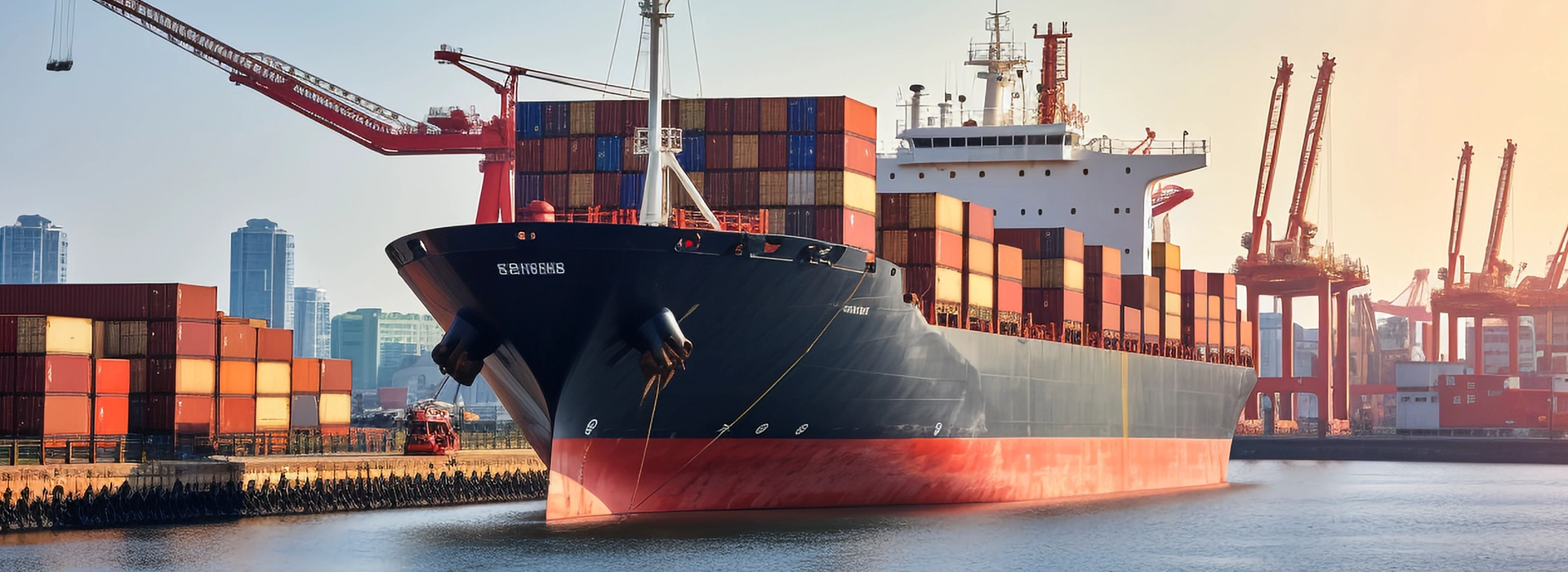
In the field of maritime transportation, the shipping rates of all outbound and inbound trunk lines and near-ocean routes in the Philippines have shown a clear upward trend. Key features include:
- Short-haul, near-ocean shipping capacity is extremely tight : Due to the detour of mainline ships, the shortage of feeders, and the implementation of blank sailing by some shipping companies on major routes, the capacity space of Asian short-ocean routes (especially those connecting mainland China, major ASEAN hub ports, and ports such as Manila and Cebu in the Philippines) is extremely tight, and freight rates have remained at high levels during the year.
- Congestion in the yard and difficulty in returning empty containers : Congestion in major Manila ports and surrounding container depots (Depots) has intensified, and some depots have implemented restrictive acceptance policies, which has resulted in a significant increase in the time it takes for container truck fleets to return empty containers, thereby increasing trailer detention fees and the risk of delayed port declarations.
- Port foreign trade throughput maintains growth : The cumulative international cargo throughput of Philippine ports this year exceeded 155 million tons, a year-on-year increase of 2.76%. The container throughput exceeded 6.48 million TEU. The volume of foreign trade cargo continued to increase the terminal operating load.
3. Air cargo: The capacity of routes to the United States is in short supply, and regional trends are divergent.
The Philippine air freight market shows differentiation in different flows:
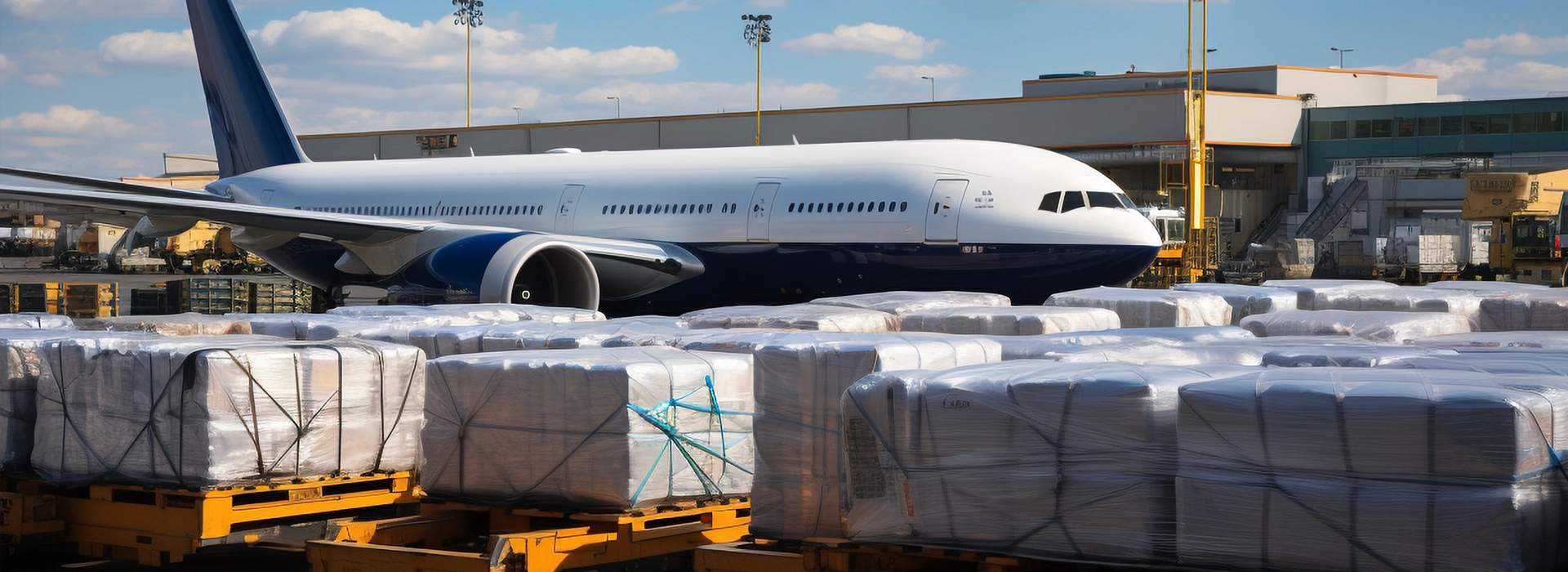
- Seats on routes to the United States are tight and freight rates are high : Space is extremely scarce on the Philippines’ major cargo routes to the east and west coasts of the United States. Due to the surge in cross-border e-commerce cargo volume and the increase in shipments of high-tech electronic components in the fourth quarter, U.S. freight rates continue to rise and consolidate at a high level. It is expected that there will be no new all-cargo aircraft capacity additions until the end of the year.
- Asia-Pacific and European routes are relatively stable : Air freight capacity to other regions in Asia is relatively abundant, and freight rates remain stable; cargo volume on European routes has rebounded slightly, but space supply is still relatively stable.
4. Macroeconomic policies and regional operation suggestions
Traffic control and truck movement restrictions in Metro Manila during the recent ASEAN Summit have further reduced the timeliness of land transportation connections. In addition, the Philippine Manufacturing Purchasing Managers Index (PMI) recently recorded 49.6, which is near the critical point. The sensitivity of enterprise import and export to logistics costs and turnover time has increased significantly.
Operational suggestions for cargo owners and foreign trade companies:
- Lock air freight space in advance : For urgent orders and high-value products to the United States, it is recommended to book space at least 2 to 3 weeks in advance and confirm the price guarantee plan.
- Extend shipping booking lead time : Adjust the booking lead time of Asian short-sea and short-distance shipping to the same standard as that of ocean trunk lines, and reserve sufficient time for container return and customs clearance at the yard.
- Establish meteorological and port buffer periods : Pay close attention to regional hub port terminal operation dynamics and year-end weather changes, and rationally formulate shipping schedules to avoid additional port and container detention fees.
Q1: Are you a real freight forwarder or just a middleman agent?
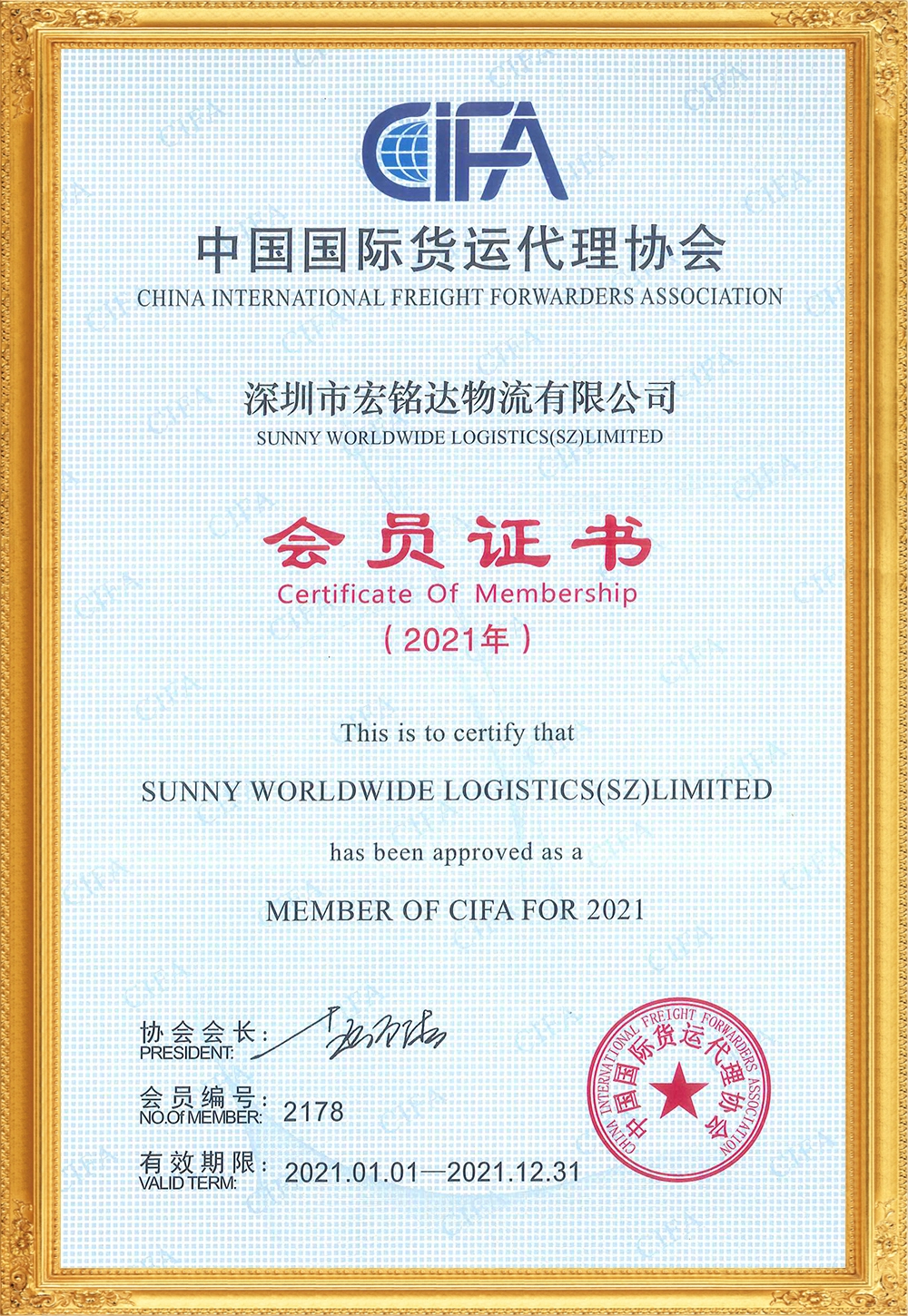
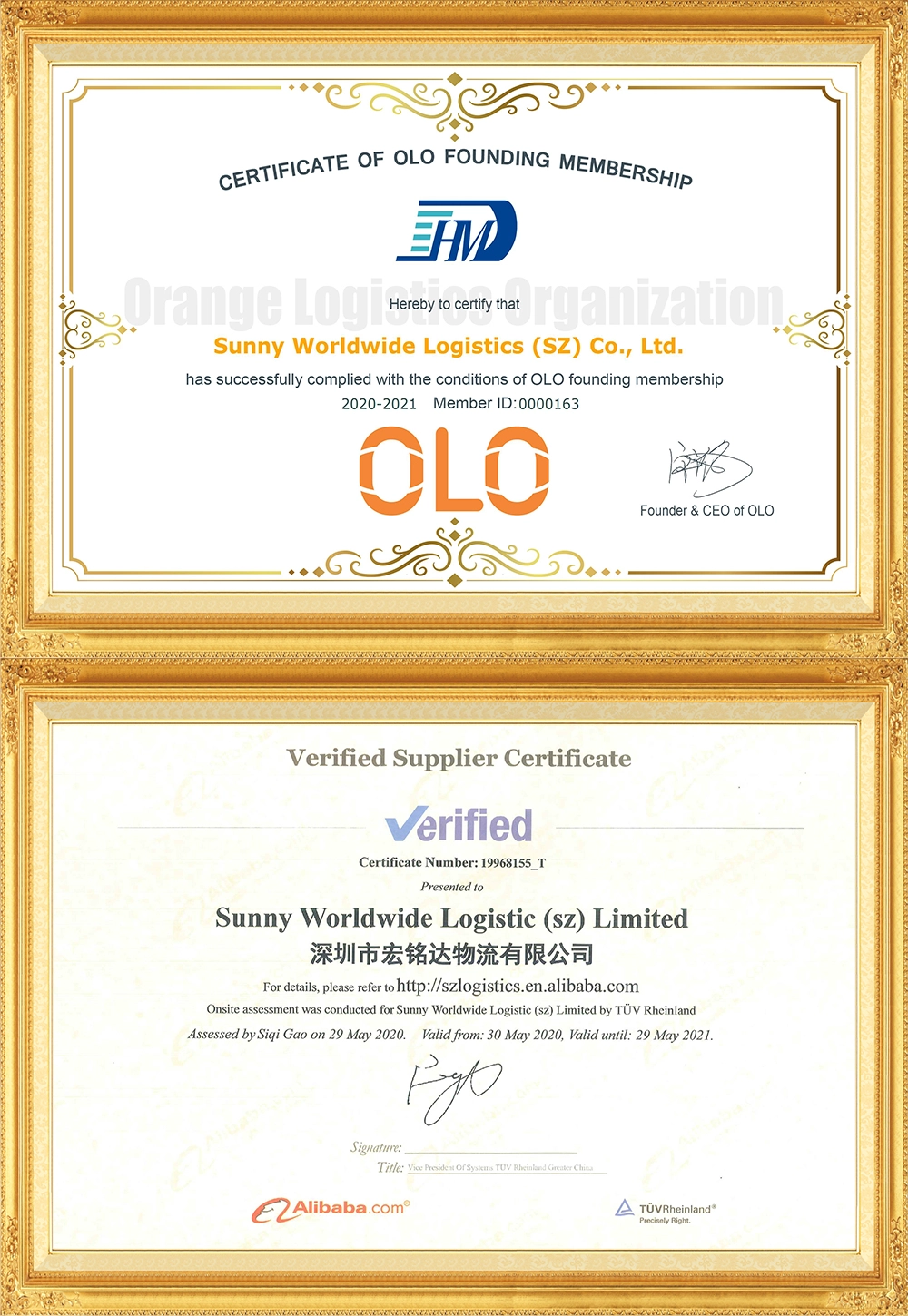
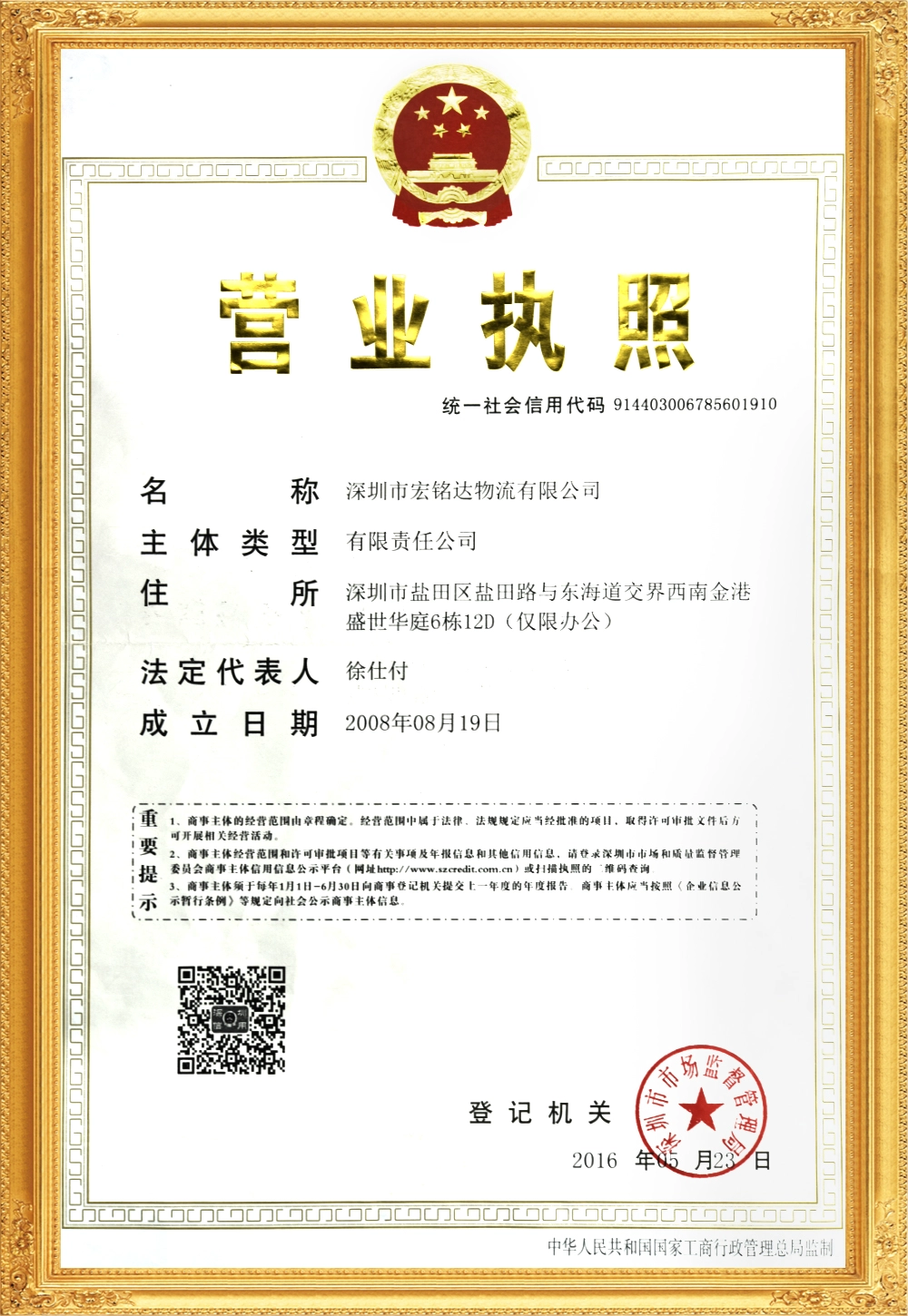
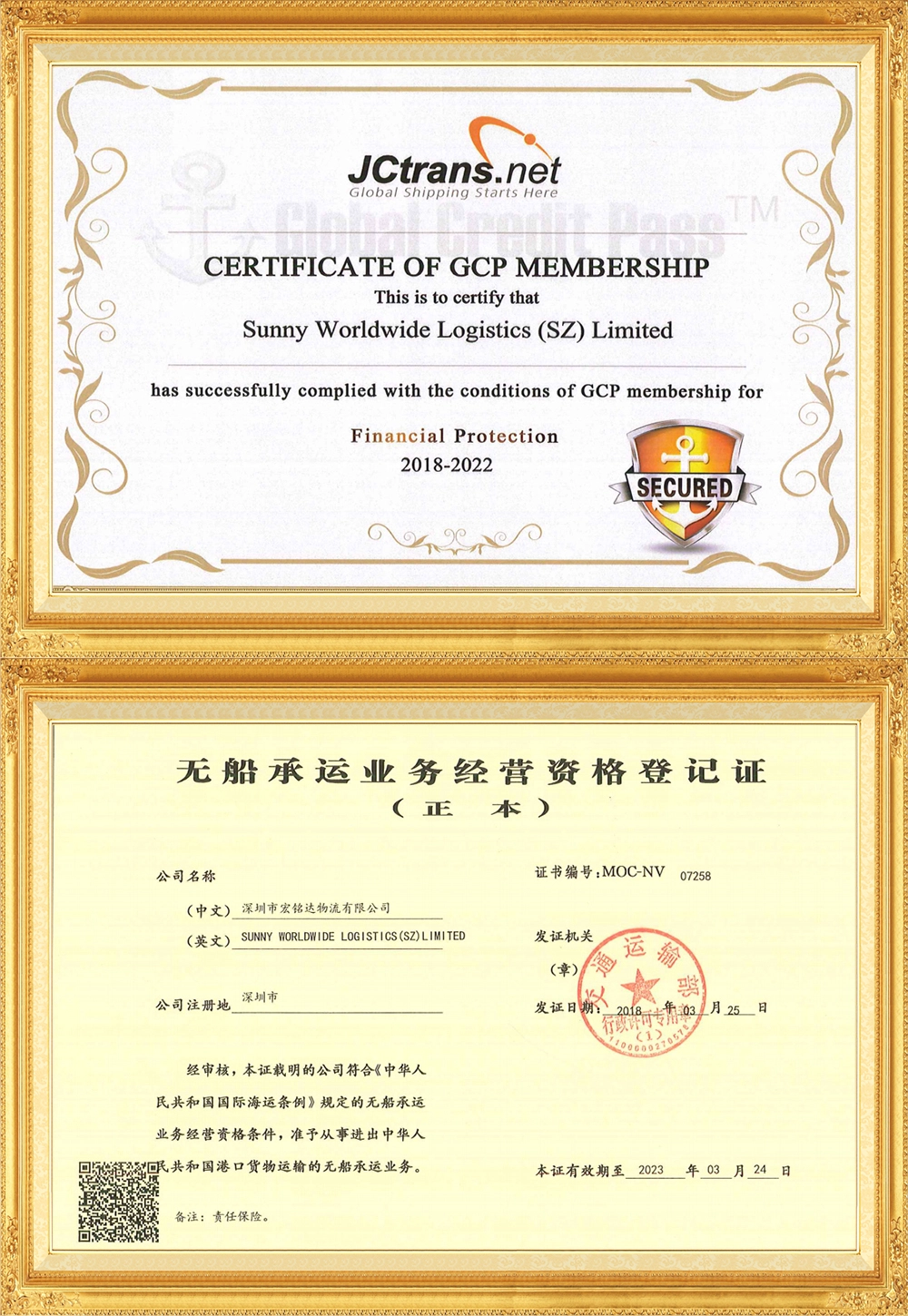
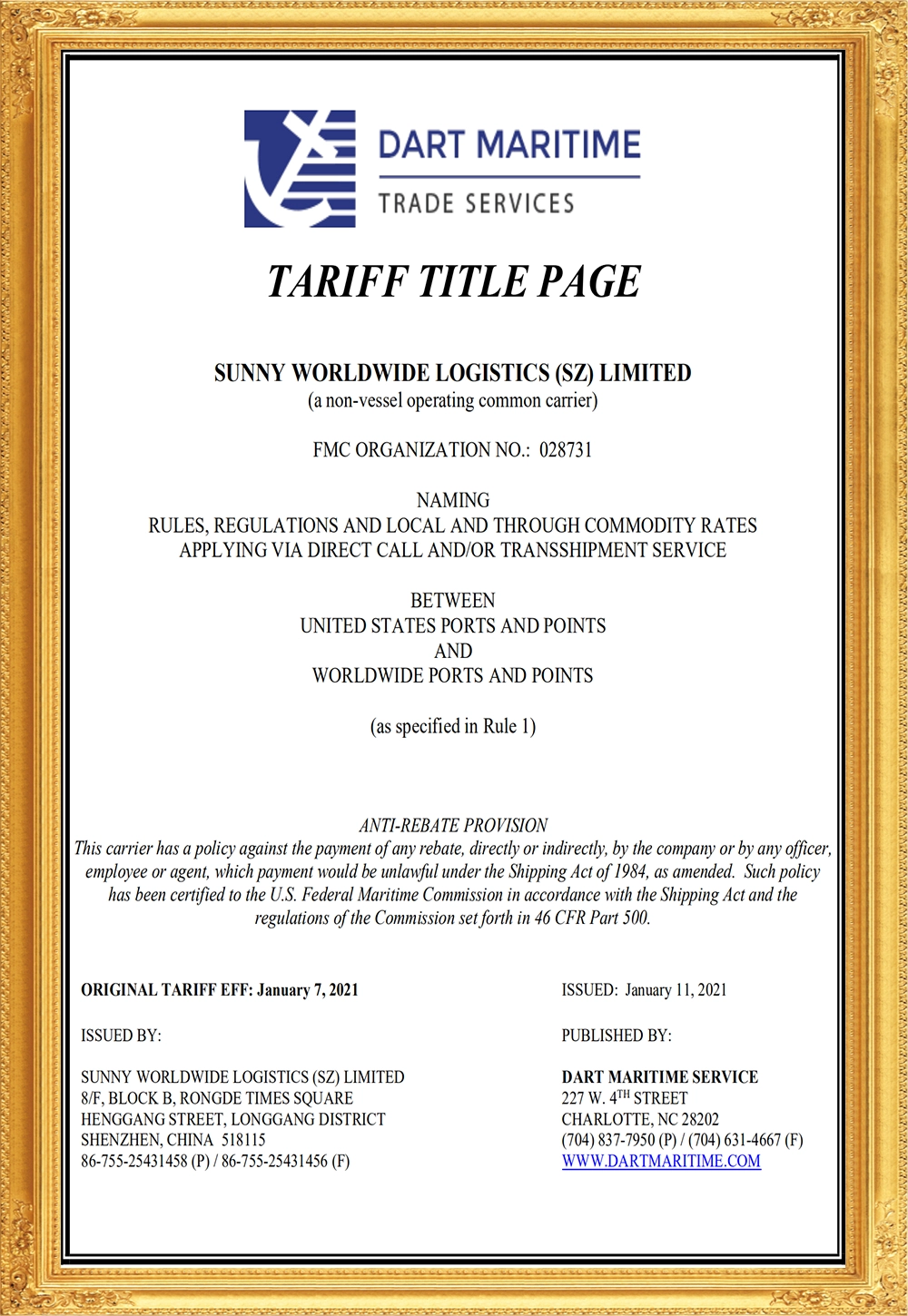
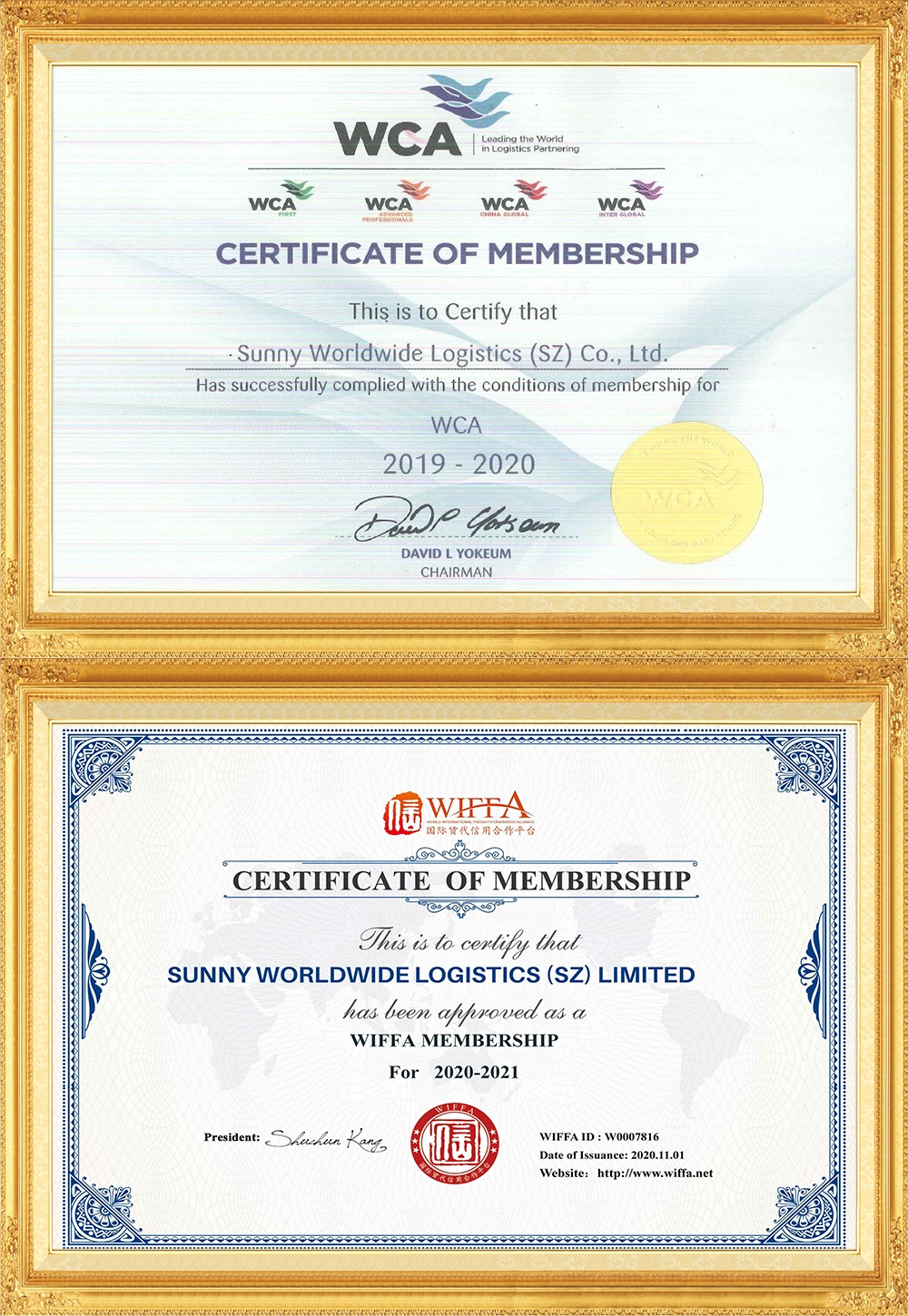
A: We are a direct international freight forwarder, not an agent. Sunny Worldwide Logistics was founded in 1998 — with 27 years in shipping, we know every pitfall in freight and how to avoid them.
Q2: Do you have your own warehouse near the port?
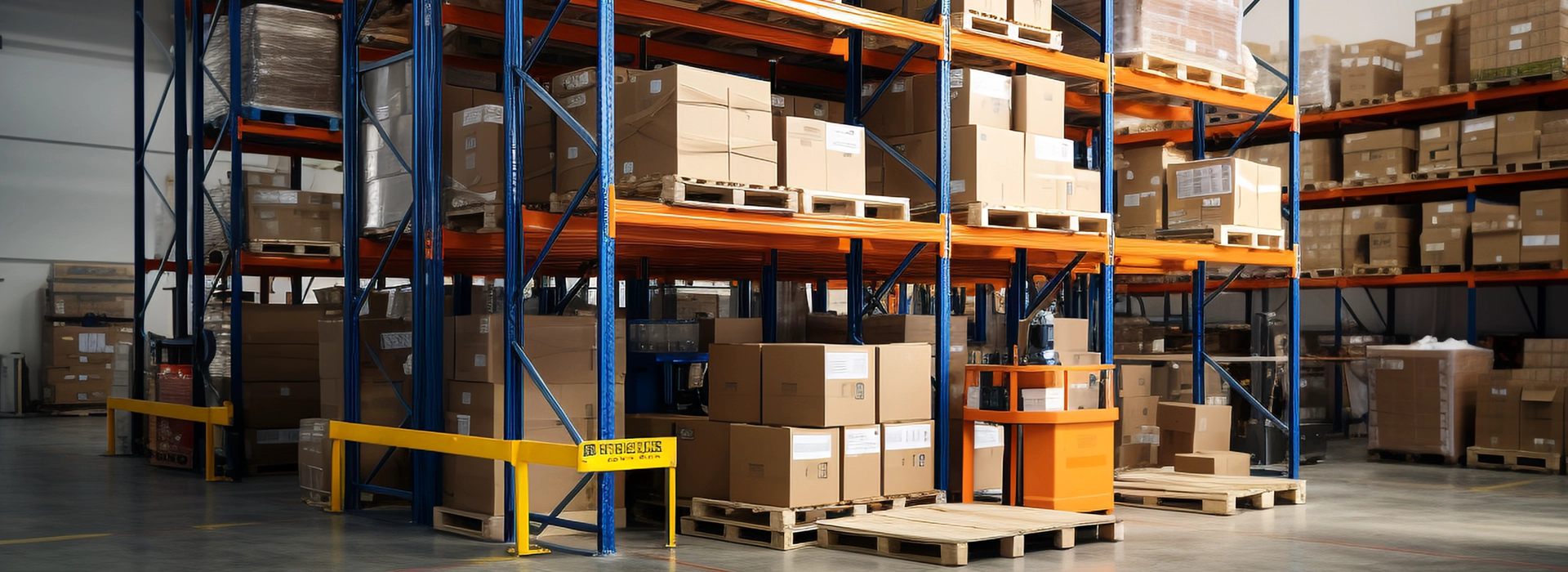
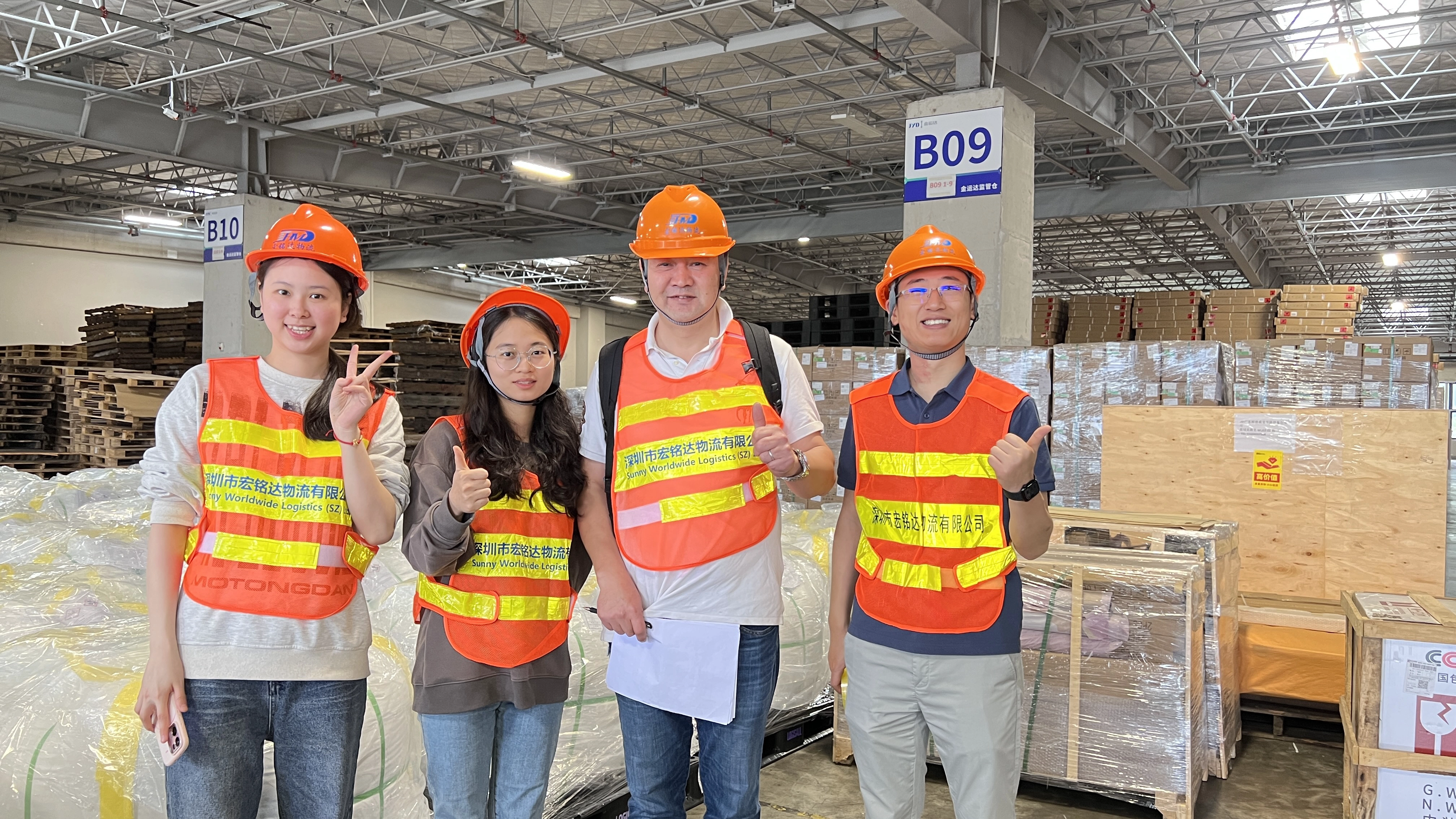
A: Yes. We own an exclusive foreign-trade warehouse at Yantian Port — only 3 companies among 60,000+ forwarders in Shenzhen can say that. Your cargo is stored and loaded in our own facility, not handed to a third party.
Q3: Do you have your own trucks for pickup?
A: Yes, we operate our own fleet of container trucks, available on call — no waiting for outsourced trucking, which makes us one of the fastest in pickup among Shenzhen forwarders.
Q4: How long have you been in freight forwarding? Is your company reliable?
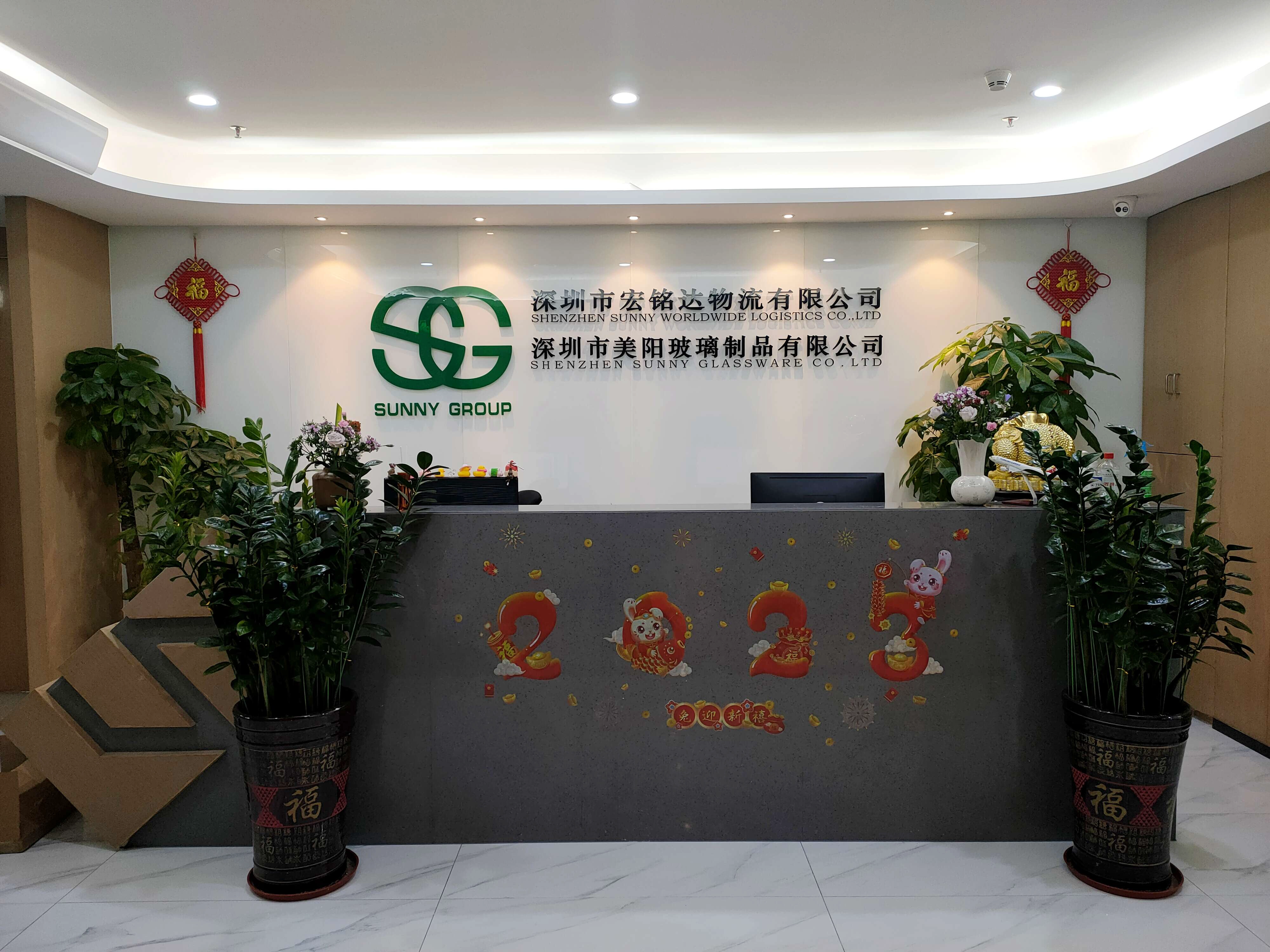
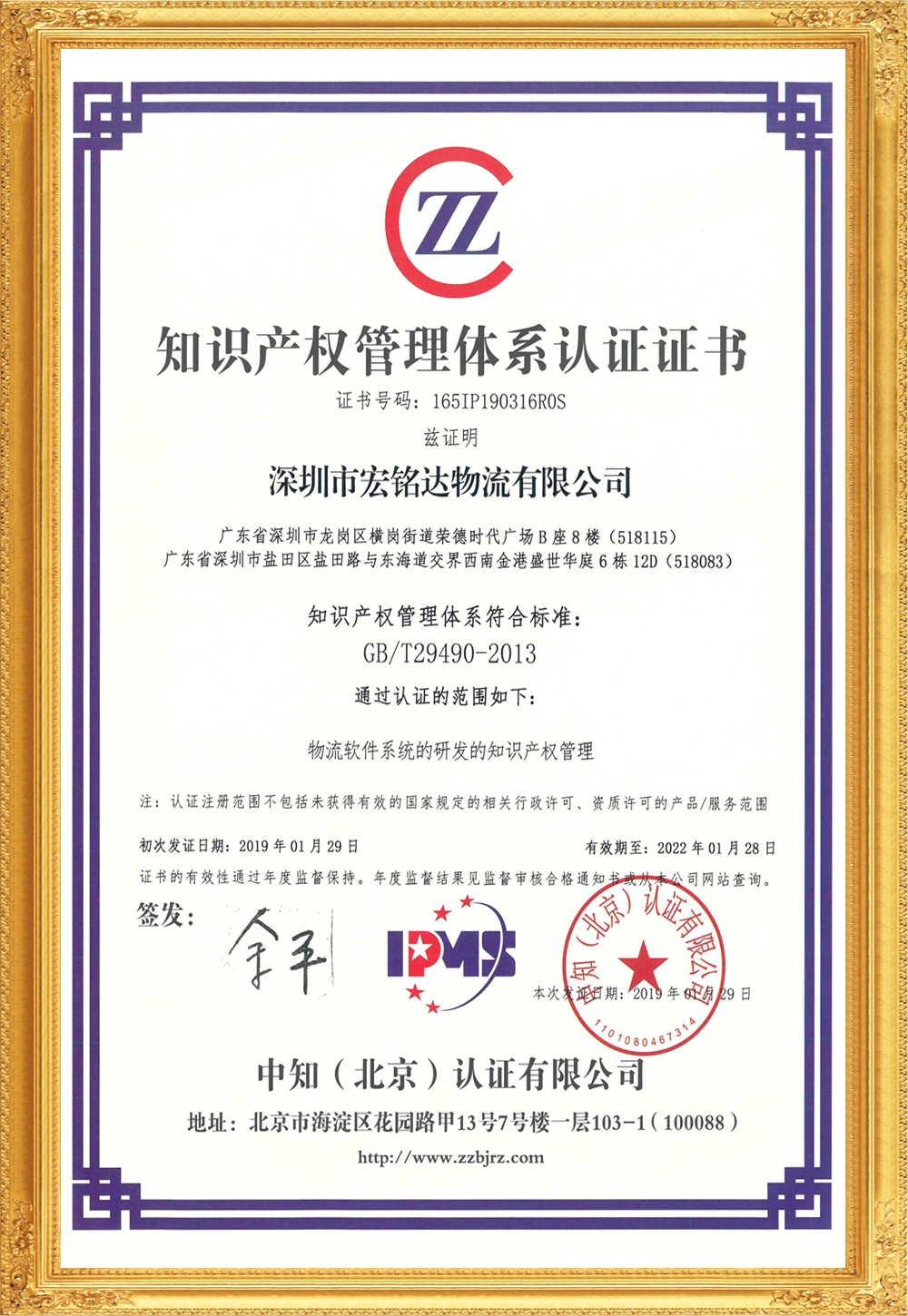
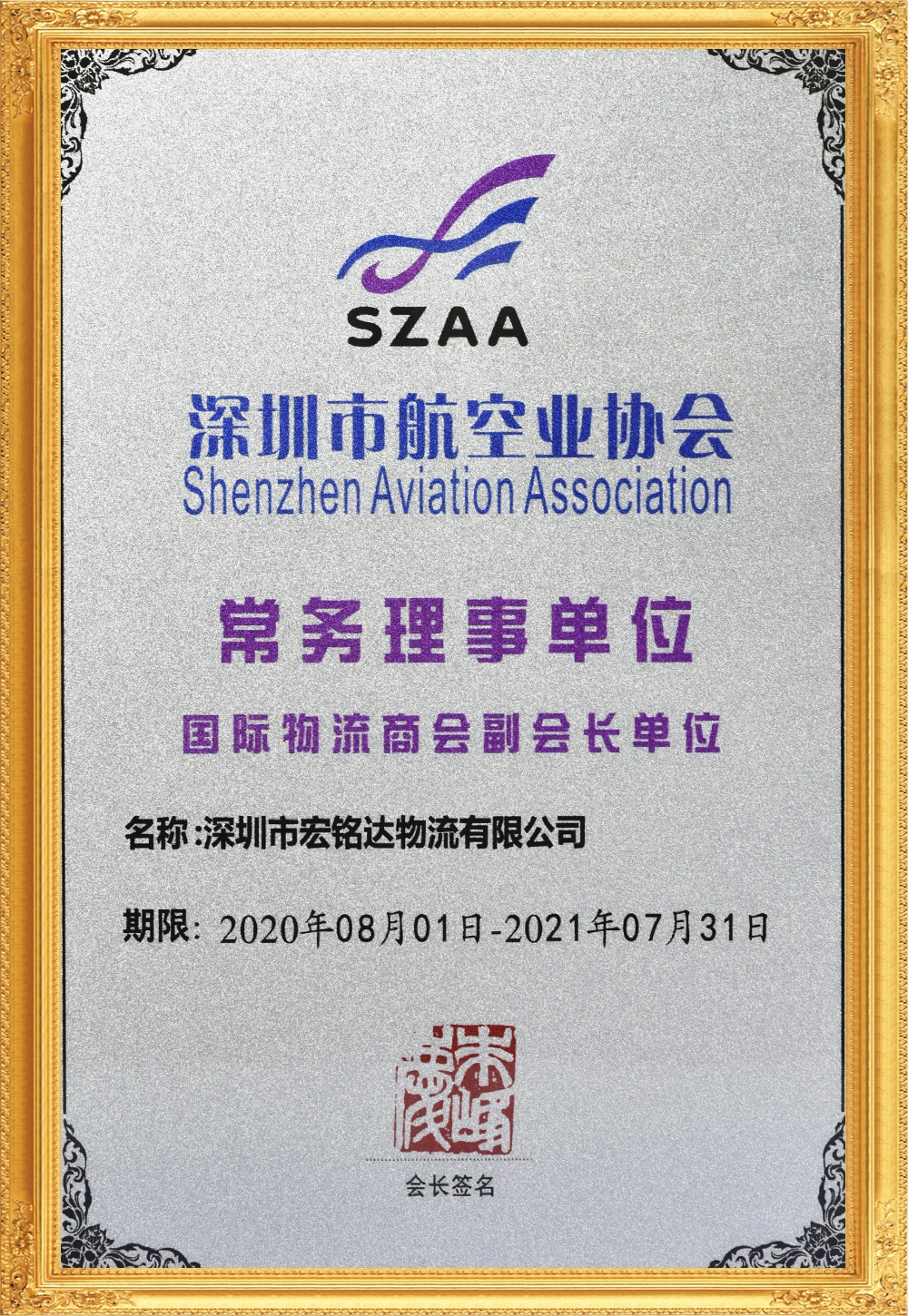
A: Since 1998, 27 years. We own a 1,800㎡ Grade-A office building in Longgang, Shenzhen — few forwarders in the city can match that strength.
Q5: What shipping services do you offer from China?
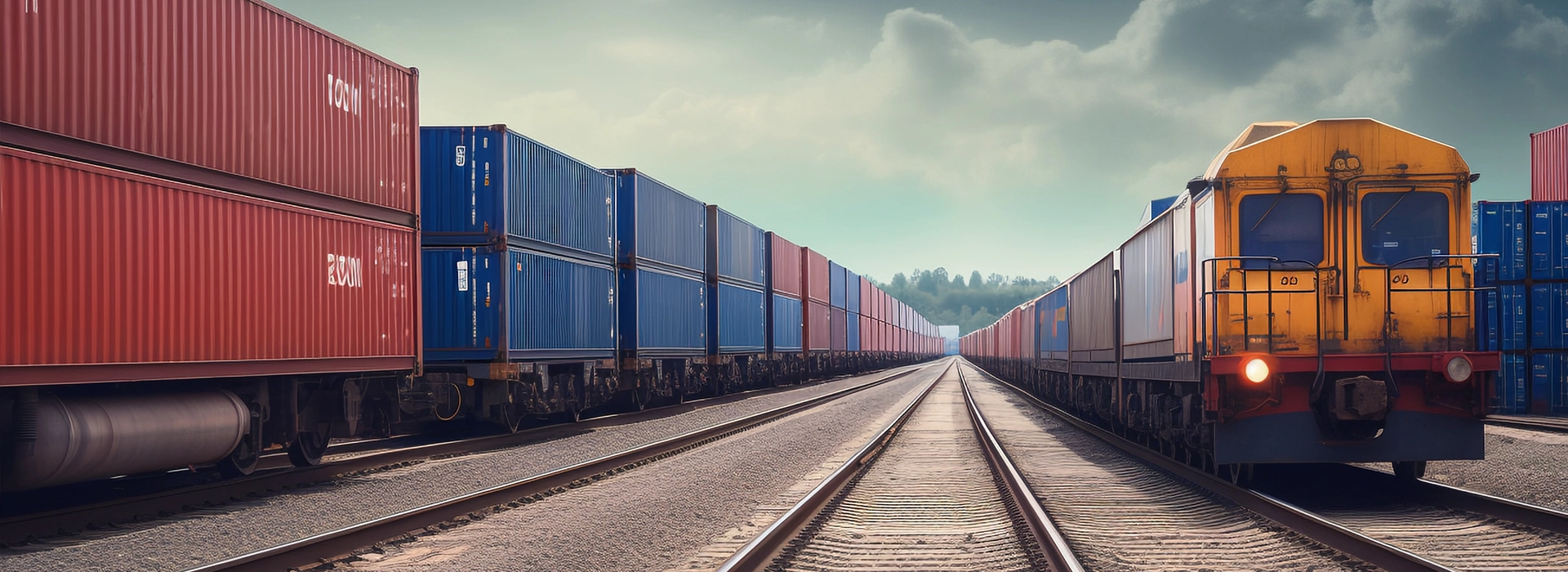
A: One-stop service: sea freight (FCL/LCL), air freight, railway, land trucking, customs declaration, warehousing, cargo inspection, container loading supervision, fumigation, and cargo insurance.
Q6: Can you pick up goods from my suppliers in Yiwu, Guangzhou or other cities?
A: Yes. We collect cargo from suppliers across China and consolidate it at our warehouse before shipping — with loading photos provided before departure.
Q7: Which countries do you ship to?
A: Worldwide — America, Europe, Australia, Middle East, Africa, Latin America. If there's a port, we can get your cargo there.
Q8: How can I get a shipping quote from China?
A: Send us your cargo details (type, volume/weight, destination) via:
📧 Email: sales36@swwlogistics.com.cn
💬 WhatsApp/WeChat: +86-19076129125(Lily)
📞 Tel: 0755-25643421
🌐 Rate inquiry: swwlsrates.com
Q9: Where is your company located? Can I visit your office?
A: 8th Floor, Block B, Rongde Times Square, Henggang, Longgang District, Shenzhen. Clients are welcome to visit.
Q10: Do you have any guarantee if something goes wrong with my shipment?
A: We take full responsibility for every shipment under our control — except force majeure (natural disasters). 27 years of zero-escape reputation backs every booking.