


Philippine port cargo volume continues to grow, officials promote Manila Port transportation and digital governance
The latest data from the Philippine Ports Authority (PPA) and the Bureau of Customs (BOC) show that the throughput of major ports has maintained steady growth, driven by strong foreign trade. In order to cope with the peak cargo flow in the peak season, the authorities have taken multiple measures to compress the storage period of empty containers, upgrade the digital reservation system and optimize the customs clearance process, comprehensively improve the operation efficiency of hub ports such as Manila, and reduce the risk of port delays in the foreign trade supply chain.
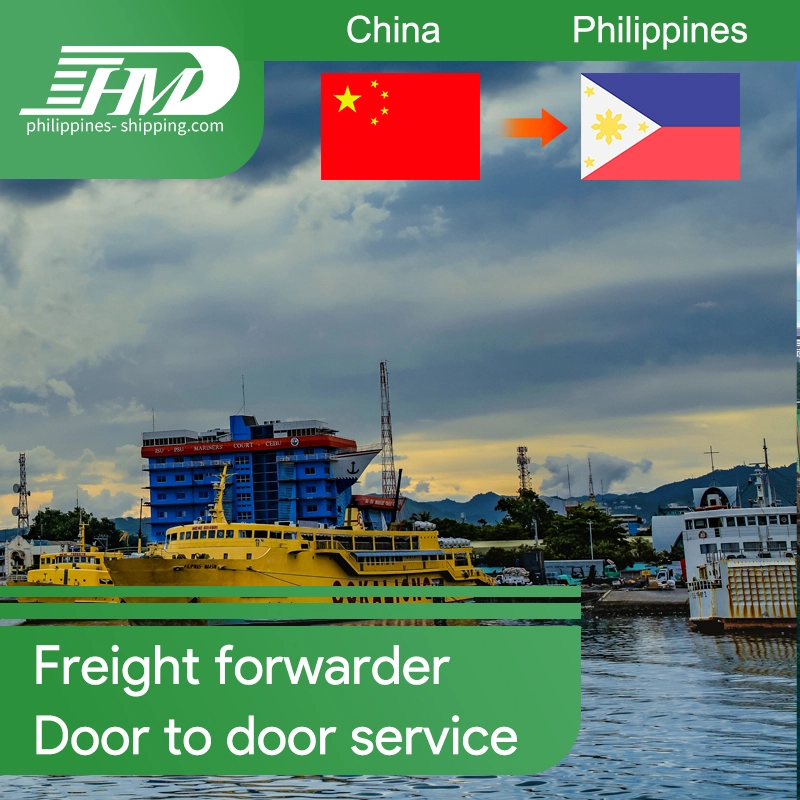
Manila News ——With the continuous deepening of regional economic and trade cooperation in Southeast Asia and the arrival of the traditional trade peak season, the freight throughput of major ports in the Philippines has shown strong growth resilience. According to the latest comprehensive regulatory data released by the Philippine Ports Authority (PPA) and the Bureau of Customs (BOC), thanks to the surge in imports of consumer goods and the rapid release of maritime demand for industrial raw materials and manufacturing equipment, the import and export volumes of core hubs such as Manila Port (including North Port, South Port and Manila International Container Terminal MICT) and Cebu Port continue to rise.
However, the rapid growth of foreign trade volume has also put forward higher requirements for the port collection and distribution system, inland logistics and lightering, and customs clearance efficiency. In order to avoid repeating the past mistakes of port congestion caused by overstocking during peak seasons, the Philippine Bureau of Customs (BOC) and the Port Authority (PPA), together with major terminal operators (such as ICTSI), customs brokers, and truck transport associations, have recently introduced a series of collaborative management and transportation optimization measures.
1. Compress the detention period of empty containers and release effective storage space at the terminal
In this governance initiative, empty container management has become one of the core focuses. Port logistics stakeholders suggested that the General Administration of Customs significantly shorten the maximum dwell time (dwelling time) for empty foreign trade containers in yards and terminals outside the port area from the original 90 days to 30 days. The purpose of this move is to urge international liner companies to accelerate the transportation and return of empty containers, and to put an end to the phenomenon of using terminals and yards as low-cost long-term storage space. It is expected to release more than 20% of the effective storage capacity in Manila's core port area, significantly easing the pressure on yard turnover.
2. Upgrade the digital reservation system to ease ground traffic at the gate
In order to solve the congestion problem of container trucks around Manila's main port area, PPA and the terminal operator have further optimized and promoted the Online Reservation and Collection and Distribution System (ORAS / TABS). Through the precise time window reservation mechanism, import and export container cards need to complete pre-reporting and information matching before arriving at the port to pick up and return containers, which shortens the average gate passage time by nearly 35%. At the same time, the General Administration of Customs promotes differentiated customs clearance convenience for "Super Green Channel" (SGL) qualified enterprises, significantly reducing the inspection waiting period for low-risk goods, and achieving "shipside direct pickup" and "fast transshipment".
3. International Freight and Supply Chain Operation Suggestions
In response to the latest policies and port developments in the Philippine freight market, professional international logistics service agencies remind foreign trade export companies and cross-border sellers:
- Strictly review document specifications : The piece weight and product name description of the bill of lading (B/L), packing list, invoice and certificate of origin (such as Form E) must be highly consistent to avoid manual customs hanging and unpacking inspection caused by document defects.
- Keep track of Demurrage & Detention: In view of the official strict supervision of the storage cycle, it is recommended that the shipper and the consignee confirm the free container use period at the destination port in advance, and complete the pre-review of customs clearance documents before the goods arrive at the port, so that the container can be quickly picked up within 48 hours after arrival.
- Proper planning of multimodal transport routes : Time-sensitive high-value electronic products and e-commerce goods can be combined with sea and air transport or choose direct high-quality shipping schedules to balance comprehensive logistics costs and delivery time.
Q1: Are you a real freight forwarder or just a middleman agent?
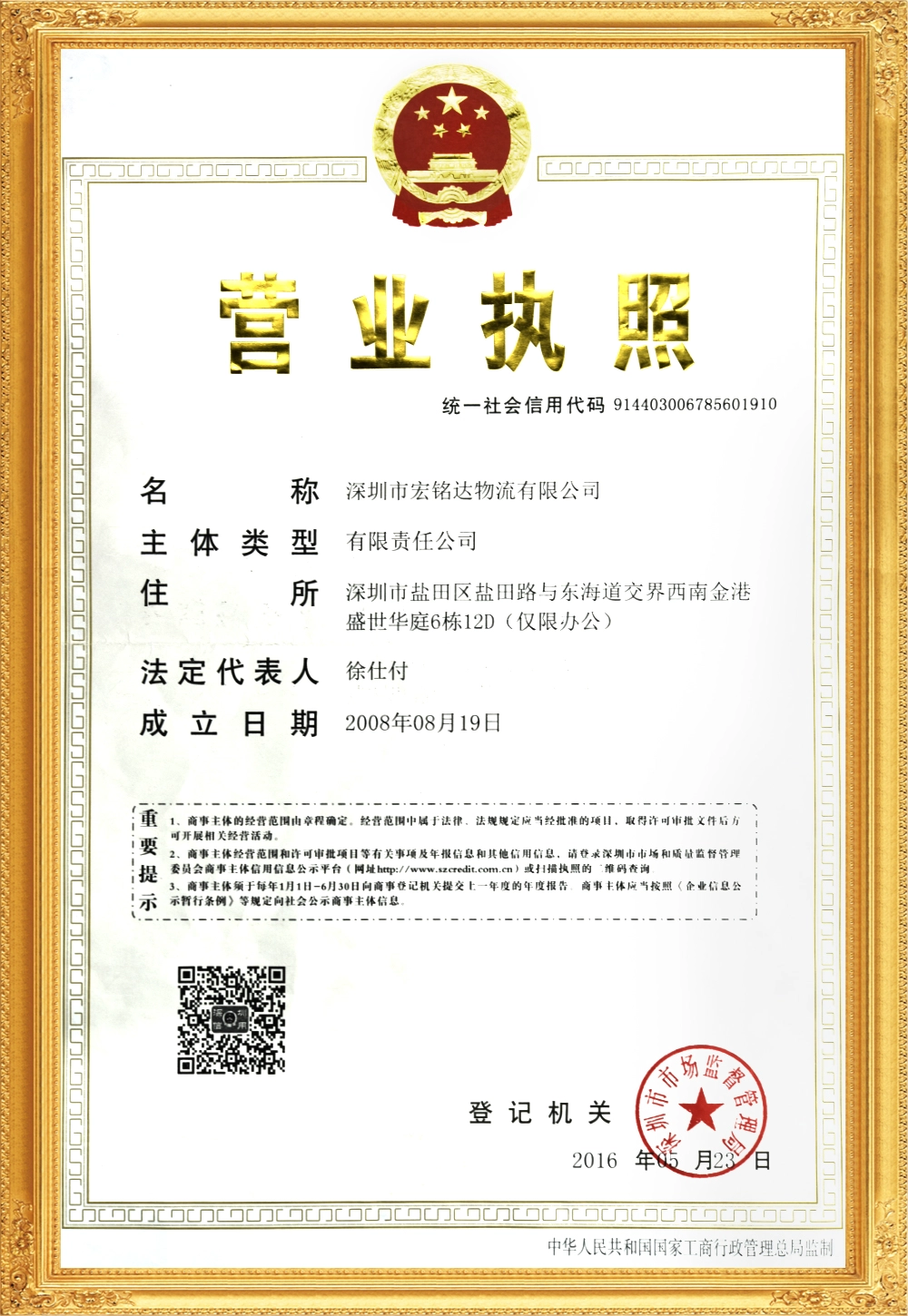
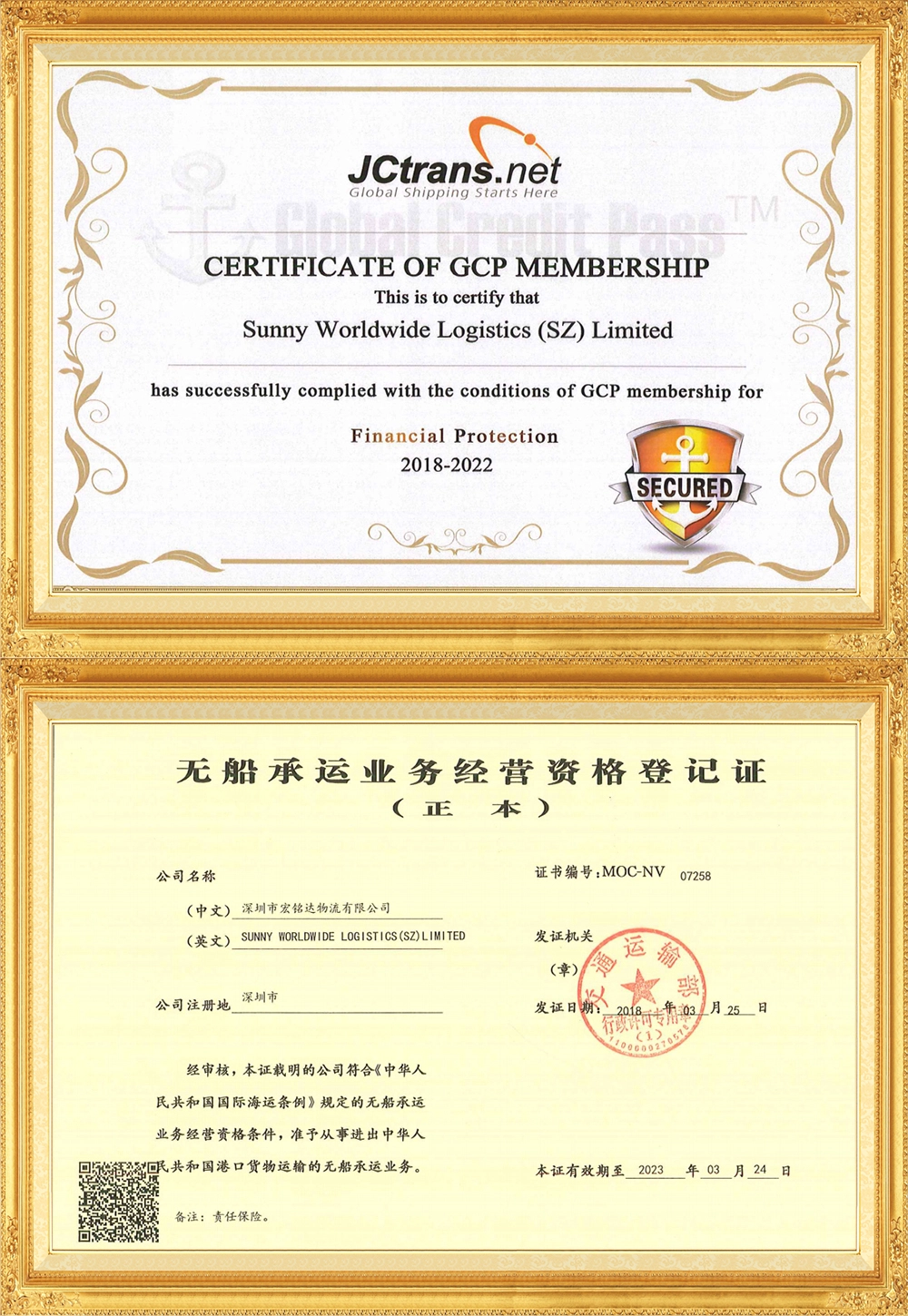
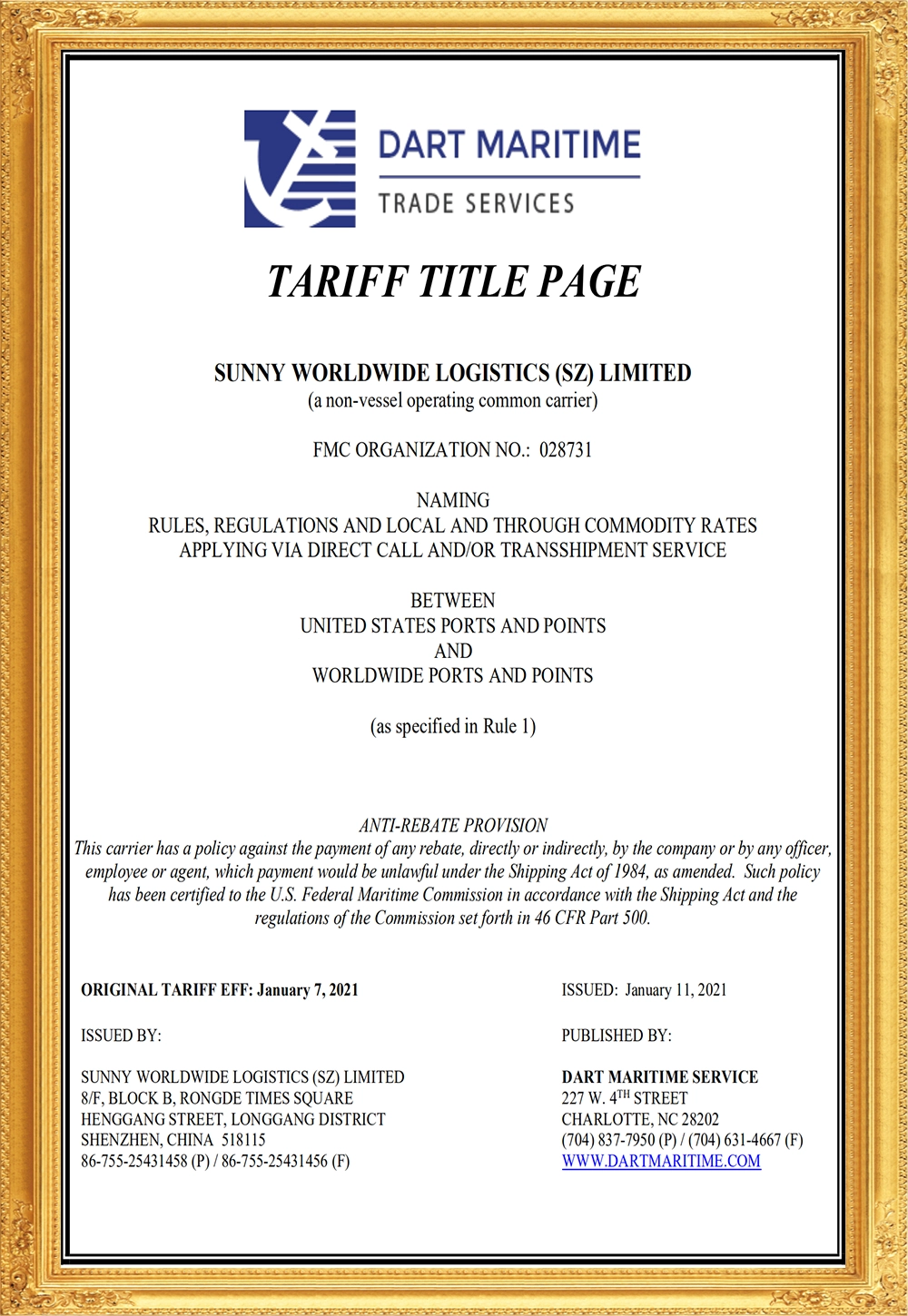
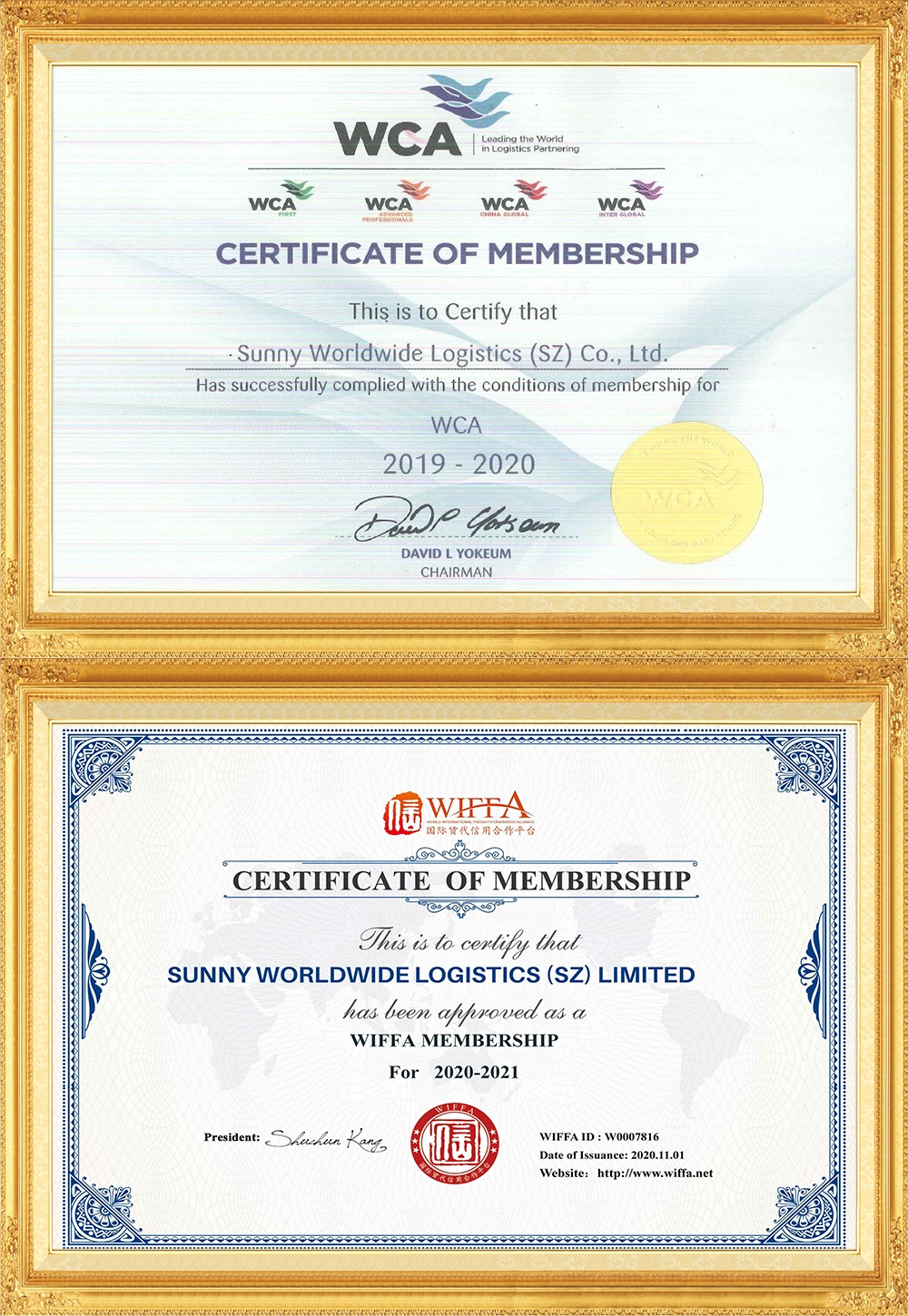
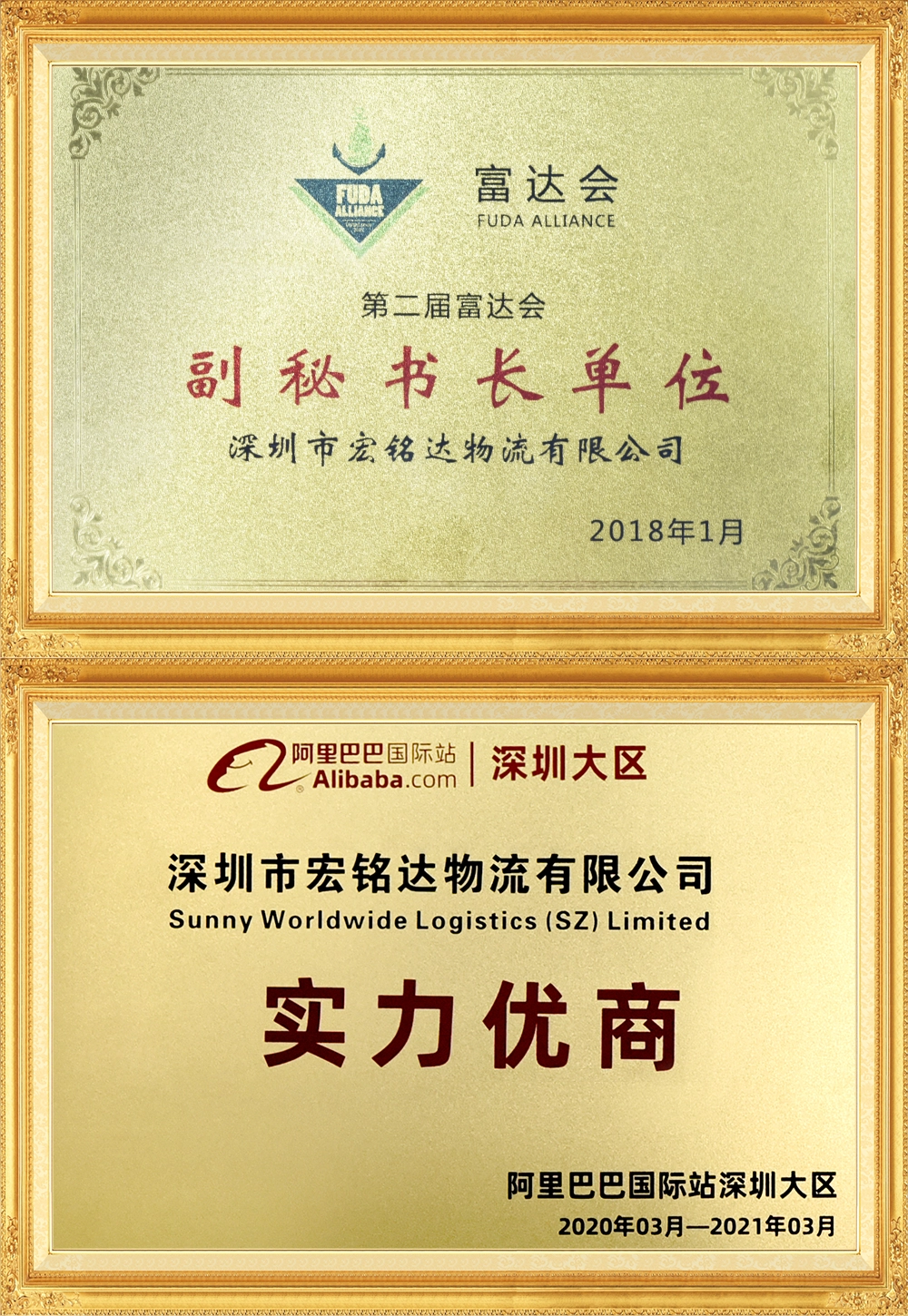
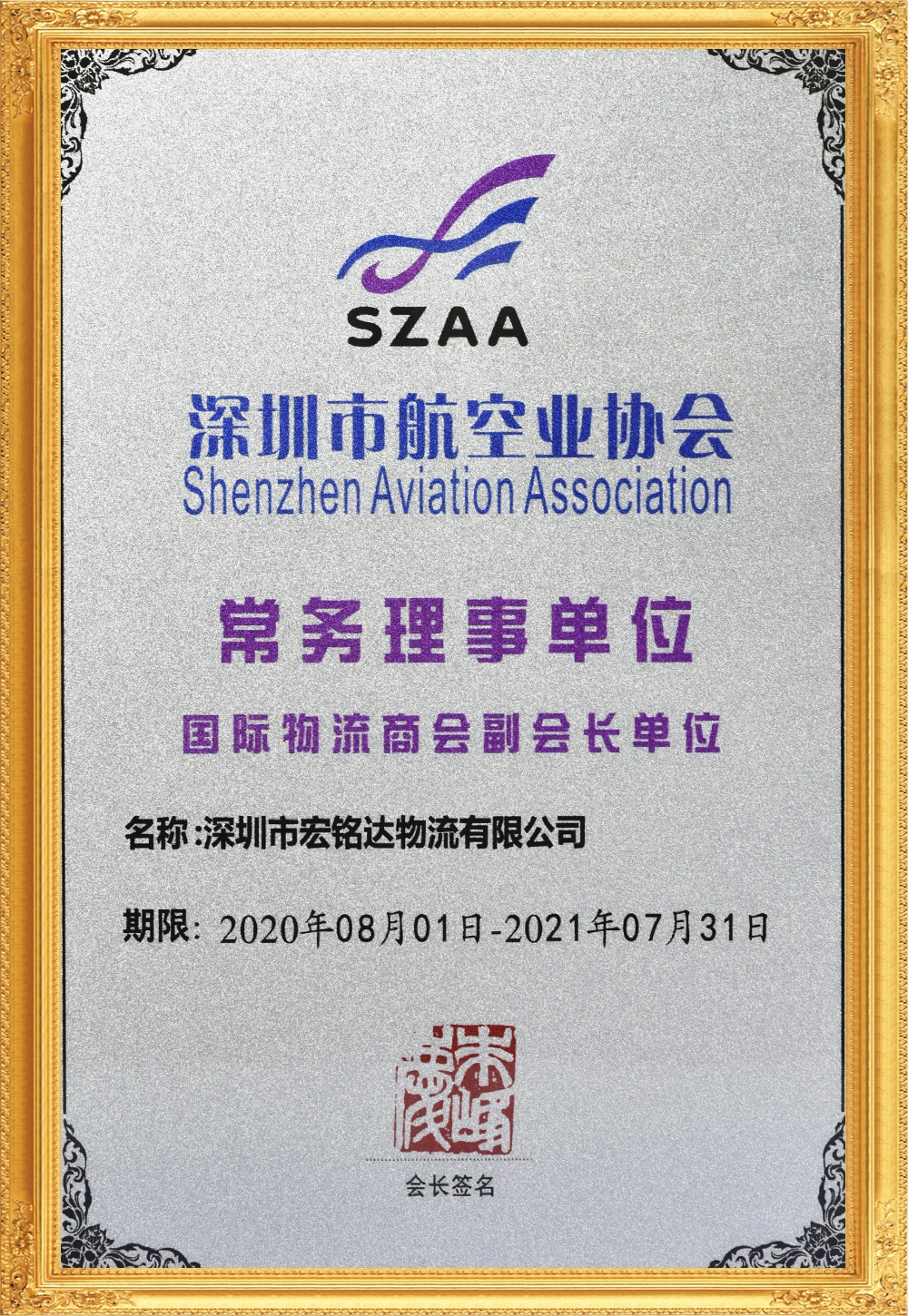
A: We are a direct international freight forwarder, not an agent. Sunny Worldwide Logistics was founded in 1998 — with 27 years in shipping, we know every pitfall in freight and how to avoid them.
Q2: Do you have your own warehouse near the port?
A: Yes. We own an exclusive foreign-trade warehouse at Yantian Port — only 3 companies among 60,000+ forwarders in Shenzhen can say that. Your cargo is stored and loaded in our own facility, not handed to a third party.
Q3: Do you have your own trucks for pickup?
A: Yes, we operate our own fleet of container trucks, available on call — no waiting for outsourced trucking, which makes us one of the fastest in pickup among Shenzhen forwarders.
Q4: How long have you been in freight forwarding? Is your company reliable?
A: Since 1998, 27 years. We own a 1,800㎡ Grade-A office building in Longgang, Shenzhen — few forwarders in the city can match that strength.
Q5: What shipping services do you offer from China?
A: One-stop service: sea freight (FCL/LCL), air freight, railway, land trucking, customs declaration, warehousing, cargo inspection, container loading supervision, fumigation, and cargo insurance.
Q6: Can you pick up goods from my suppliers in Yiwu, Guangzhou or other cities?
A: Yes. We collect cargo from suppliers across China and consolidate it at our warehouse before shipping — with loading photos provided before departure.
Q7: Which countries do you ship to?
A: Worldwide — America, Europe, Australia, Middle East, Africa, Latin America. If there's a port, we can get your cargo there.
Q8: How can I get a shipping quote from China?
A: Send us your cargo details (type, volume/weight, destination) via:
📧 Email: sales36@swwlogistics.com.cn
💬 WhatsApp/WeChat: +86-15323861694 (Lily)
📞 Tel: 0755-25643421
🌐 Rate inquiry: swwlsrates.com
Q9: Where is your company located? Can I visit your office?
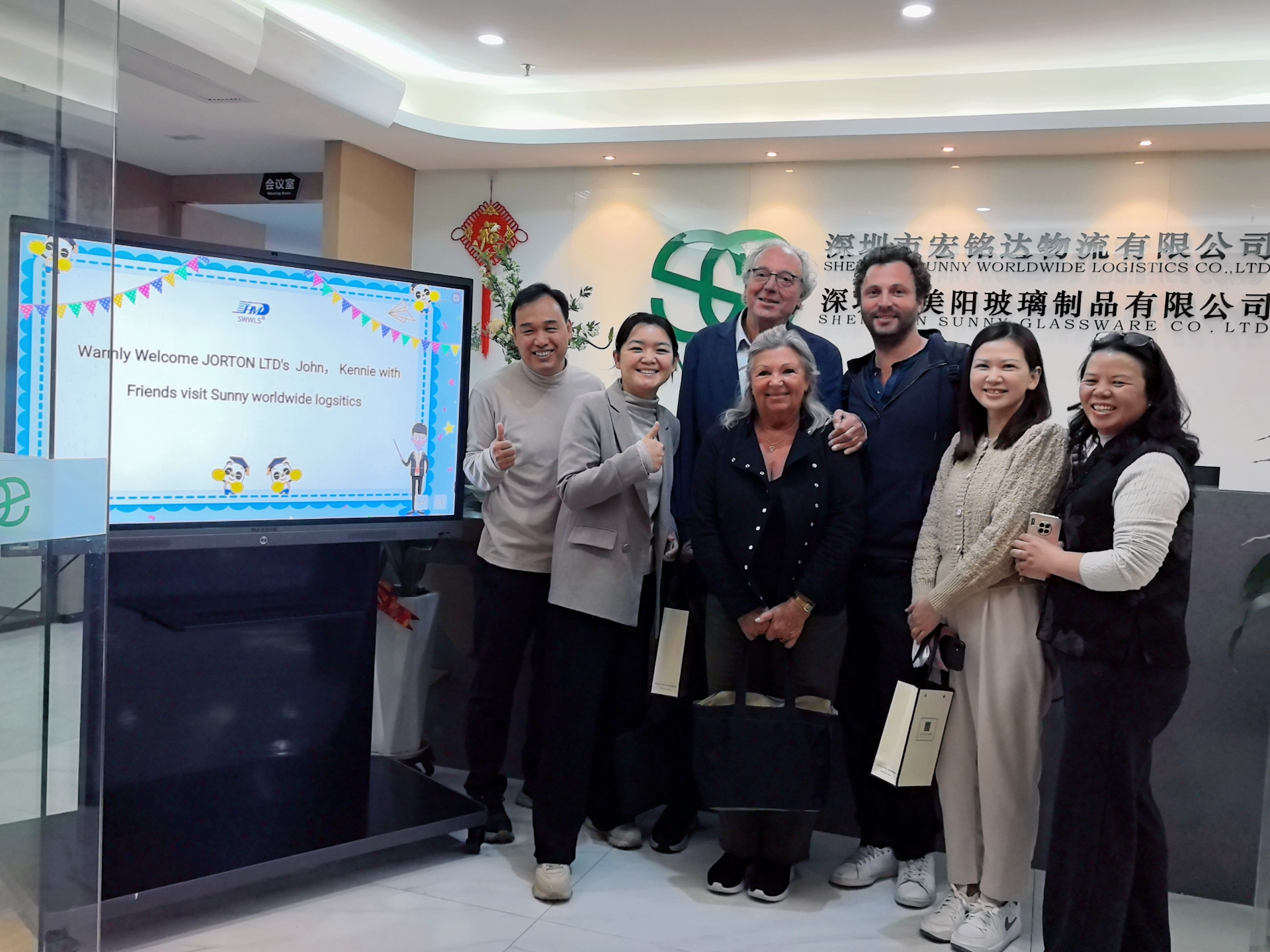
A: 8th Floor, Block B, Rongde Times Square, Henggang, Longgang District, Shenzhen. Clients are welcome to visit.
Q10: Do you have any guarantee if something goes wrong with my shipment?
A: We take full responsibility for every shipment under our control — except force majeure (natural disasters). 27 years of zero-escape reputation backs every booking.