







Philippine Ports Authority releases freight data: Manila Port throughput increases steadily and digital customs clearance upgrades
The Philippine Ports Authority (PPA) released the latest shipping data. Container throughput in Manila and major port areas will rise steadily in 2026, with revenue in the first half of the year exceeding 16.3 billion pesos. With the further advancement of digital port management systems and paperless customs clearance, the efficiency of import and export inspection and container pick-up turnover has been significantly improved. Macro freight demand is improving, but truck delivery compliance and partial yard turnover still require cross-border cargo owners to focus on.

1. Objective news facts: Steady growth in port throughput and digital transformation
Objective Industry News: Cargo Volume Growth and Digital Modernization
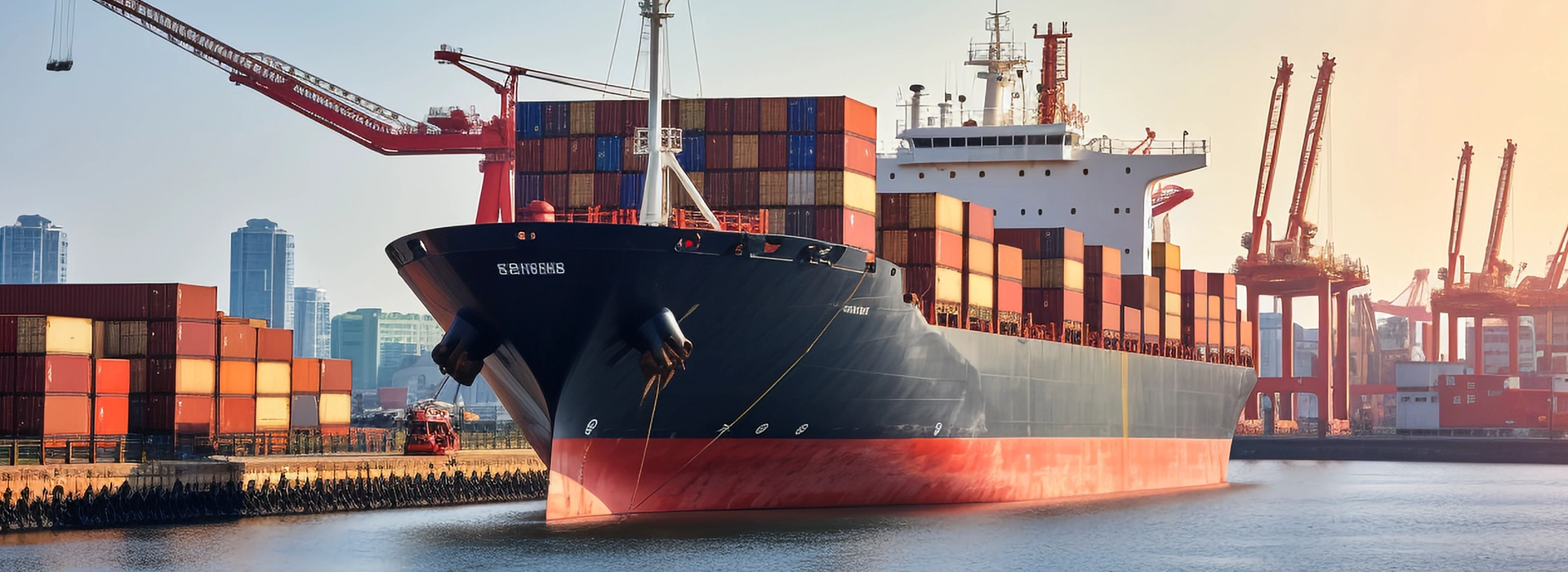
According to the latest official operational bulletin released by the Philippine Ports Authority (PPA), the total volume of imports, exports and freight between the Philippines and the islands will show a steady upward trend in 2026. Thanks to the rebound in economic and trade activity in Southeast Asia and driven by domestic consumption, PPA's overall revenue in the first half of the year reached 16.34 billion pesos (approximately US$285 million), exceeding the established budget target by 7.61%. Among them, the maritime container throughput led by Manila International Container Terminal (MICT) and South Harbor achieved significant year-on-year growth.
At the same time, the port digital governance jointly promoted by the Philippine Bureau of Customs (BOC) and PPA has made substantial progress. The new generation of "electronic cargo tracking system" (E-TRACC) is fully integrated with the digital berth/appointment pick-up system, significantly reducing the time-consuming transfer of traditional paper documents. Official data shows that the average customs clearance and pick-up time for heavy foreign trade containers at the Manila Port has been reduced from 4.8 days in the past to less than 2.9 days, effectively easing the anchoring congestion pressure that may be faced during the traditional peak season in the fourth quarter.
2. Key Port & Freight Operational Metrics Comparison
| Metrics Project/Operational Metrics | Previous Benchmark/Previous Benchmark | 2026 Latest Level/2026 Current Level | YoY Change/YoY Change |
|---|---|---|---|
| PPA half-year total port revenue /Half-Year PPA Revenue | 15.18 billion pesos (PHP 15.18B) | 16.34 billion pesos (PHP 16.34B) | +7.61% (Exceeding expectations) |
| Manila Port Container Throughput / Manila Port TEU Throughput | 2.42 million TEU | 2.61 million TEU | +7.85% |
| Average storage and customs clearance cycle of imported heavy containers /Import Dwell Time | 4.8 days(Days) | 2.9 days(Days) | -39.58% (efficiency improvement) |
| Empty container turnover return compliance rate / Empty Container Return Rate | 78.4% | 89.2% | +10.80% |
| Shipping digital document coverage /Digital Documentation Rate | 54.0% | 86.5% | +32.50% |
3. Supply chain challenges and new regulations on land transportation fleet supervision
Supply Chain Challenges: Trucking Regulations and Fleet Compliance
Although the front-line operations at the terminal and the timeliness of customs review have been greatly improved, the connection between the land transportation terminal and the terminal yard is still facing structural adjustments. Recently, PPA has issued more stringent vehicle age verification, load monitoring and reservation gate entry rules for container trailers entering and leaving the port, aiming to eliminate illegal parking on the main roads outside the port area and morning and evening peak bottlenecks. Some local truck fleets that failed to complete electronic pass (RFID) binding and vehicle condition certification in time experienced friction in capacity connection in the early stage of contract performance, resulting in slight fluctuations in local transfer and lightering costs.
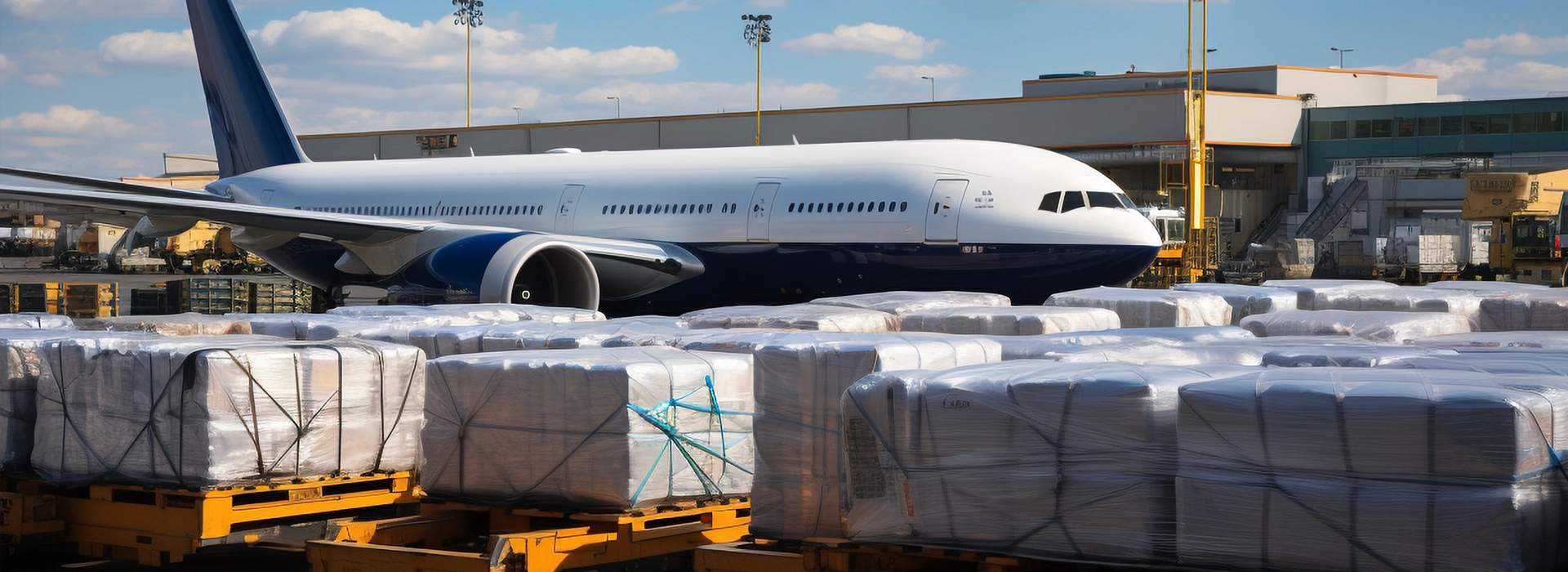
In addition, the Civil Aviation Board of the Philippines (CAB) simultaneously updated the guidance range for fuel surcharges for international routes and domestic regional routes. Affected by fluctuations in crude oil spot prices, air freight trunk costs maintained a narrow range in the fourth quarter. High value-added electronic parts and cross-border e-commerce urgent orders are accelerating the accumulation of scheduled all-cargo aircraft charter resources.
4. Industry observation and macro trend analysis
Macro Trends: Regional Connectivity and Intra-Asia Trade
From the perspective of the regional trade pattern, trade dividends under the China-ASEAN (RCEP) framework continue to be released, and the density of weekly flights from China's major ports (Shenzhen Yantian, Guangzhou Nansha, Ningbo Zhoushan, Shanghai) to Manila, Cebu, and Davao remains at a historically high level. Ocean carriers have gradually phased out old feeder barges and launched efficient and energy-saving container ships of 1,800–2,800 TEU, further stabilizing the supply of space on regional routes.
5. Professional advice from Sunny Worldwide Logistics
Professional Insights from Sunny Worldwide Logistics
【Tips and Instructions】 : The following content is Sunny Worldwide Logistics Suggestions on freight risk control and shipping solutions based on front-line practical operations are provided for reference by cross-border import and export companies:
- Absolute consistency of document data : In view of the strict comparison of digital declaration elements by Philippine Customs, the product name description, HS code, number of pieces and gross net weight on the certificate of origin (FORM E), commercial invoice, packing list and bill of lading must match 100% to eliminate the risk of deletion and re-declaration caused by single inconsistency.
- Lock in tail-end trailer and yard reservations in advance : In response to the new trailer regulations in the Manila Port area, it is recommended that cargo owners complete the pre-review of customs clearance documents 48 hours before the ship berths, and link up with a high-quality fleet with compliant RFID qualifications to lock the time window for container pick-up in advance to avoid demurrage and demurrage fees.
- Optimize sea and air multimodal transport configurations : For time-sensitive high-value engineering parts or emergency replenishment, the "Shenzhen/Guangzhou Direct to Manila Air Freight Line" or the "South China Express Direct to Manila DDP/DDU Bonded Customs Clearance Line" can be flexibly combined to ensure the resilience of supply chain delivery while balancing comprehensive logistics costs.