



The Philippines comprehensively promotes the construction of the Luzon Economic Corridor and SCMB freight railway and strives to solve the problems of port congestion and high freight rates.
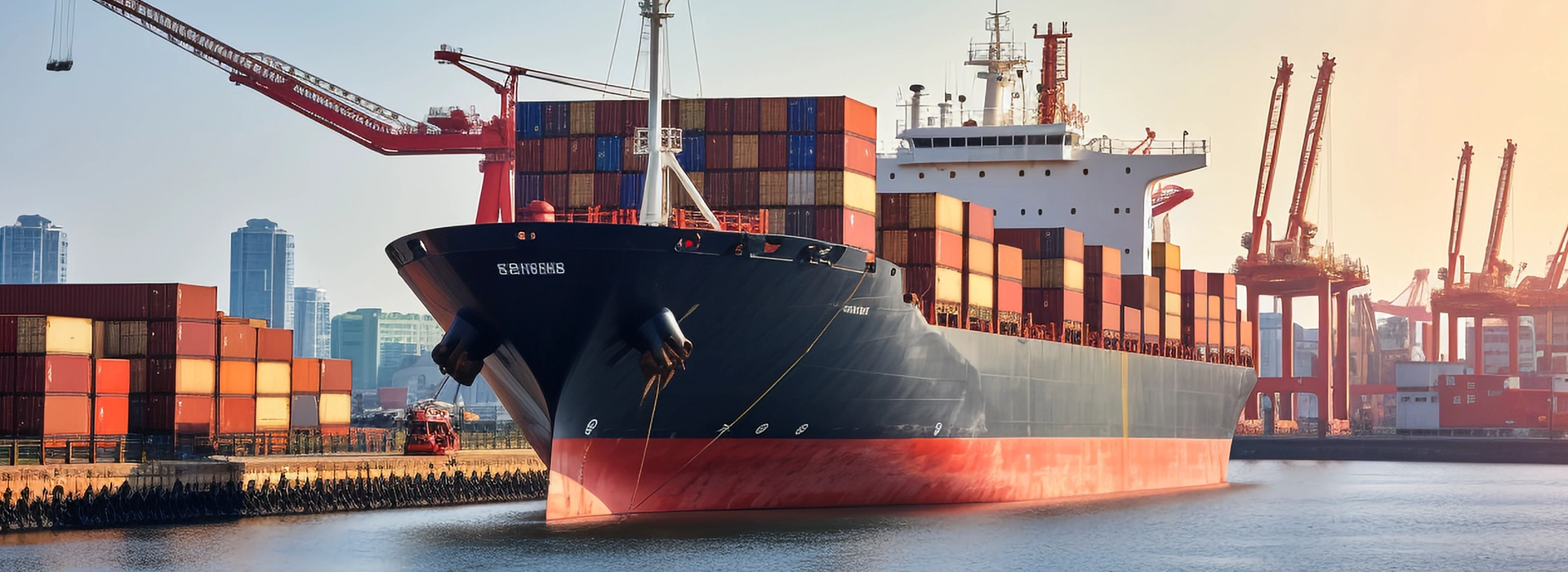
The Philippine government is making every effort to promote the core project of the Luzon Economic Corridor - the Subic-Clark-Manila-Batangas (SCMB) freight railway and the modernization and upgrading of ports along the route. It aims to open up Luzon Island's major deep-water ports and industrial hubs, systematically reduce domestic freight and supply chain performance costs, alleviate the long-standing port congestion problem that has plagued the capital area, and comprehensively enhance regional cross-border trade competitiveness.
As the restructuring of supply chains in Southeast Asia accelerates and cross-border trade throughput continues to rise, the Philippine government is making reducing logistics fulfillment costs and eliminating port bottlenecks a core strategy for national economic development. Recently, the Philippine Department of Transportation (DOTr), Port Authority (PPA) and relevant economic and trade departments are accelerating the implementation of the "Luzon Economic Corridor (LEC)" infrastructure plan, focusing on promoting the construction of freight railway trunk lines connecting Subic, Clark, Manila and Batangas, and promoting the national multimodal transport network to achieve a substantial leap.
1. Strategic background: High logistics costs constrain the expansion of foreign trade and manufacturing
For a long time, due to the geographical characteristics of the island, insufficient land transportation capacity, and excessive port operations in the capital region, the Philippines' domestic logistics costs have been significantly higher than the ASEAN average. Industry data shows that logistics and warehousing costs account for as much as 25% to 30% of the final retail and export costs of Philippine goods, which is much higher than the 10% to 15% of neighboring countries. Container detention and road traffic restrictions in the Manila port area during peak periods not only push up trailer surcharges and terminal storage fees, but also lengthen the comprehensive turnover cycle of import and export goods.
In order to fundamentally reverse this passive situation, the Philippine government has joined forces with international multilateral development agencies and private capital to prioritize the construction of land-sea multimodal transport corridors in infrastructure investment, aiming to effectively channel cargo flows that rely solely on the Port of Manila to the modern deep-water port areas on the north and south wings.
2. Core Initiatives: SCMB Freight Railway and Port Hub Interconnection
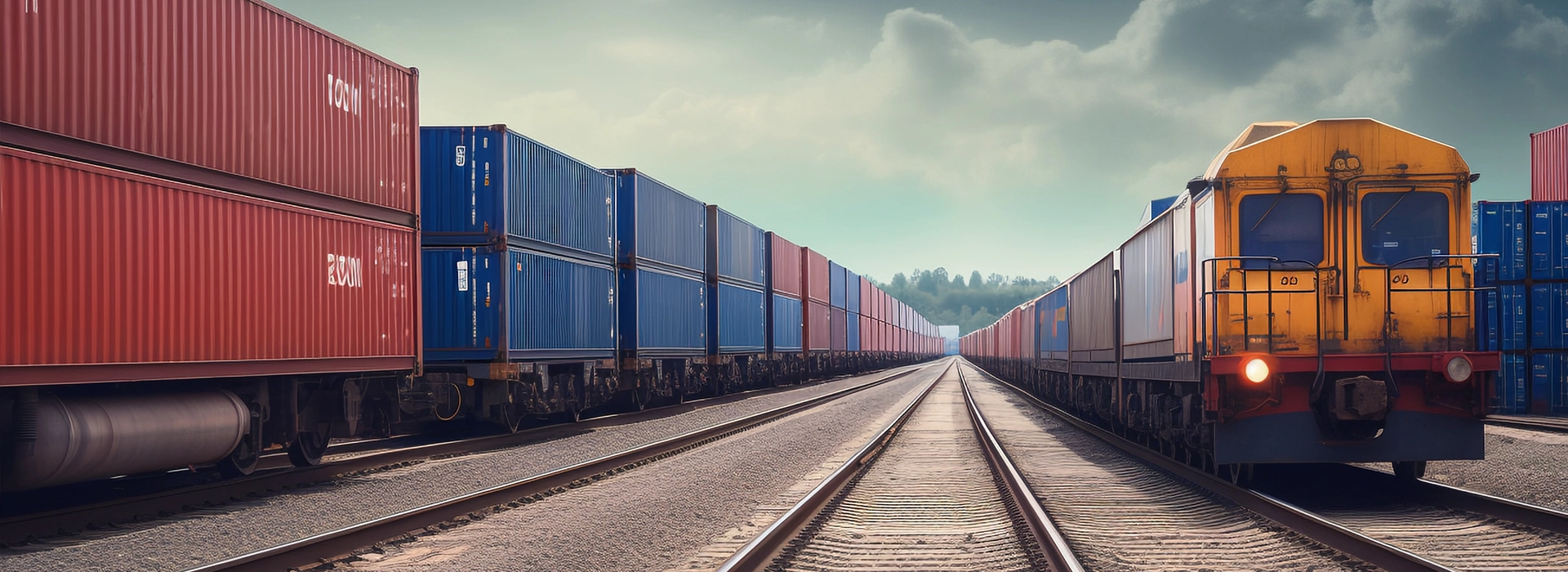
As the backbone project of the Luzon Corridor, the "Subic-Clark-Manila-Batangas (SCMB)" freight railway will directly connect the northern Luzon Freeport, the central Clark aviation logistics hub, the core consumption area of Manila, and the southern Batangas International Container Terminal. This project will not only enable seamless sea-rail intermodal transportation of bulk cargo and containers, but will also significantly reduce the traffic pressure on container cards in Metro Manila.
At the same time, the Subic Bay Metropolitan Authority (SBMA) and the Batangas Port District are simultaneously launching a new round of automated yard expansion and smart berth renovation to enhance the quick inspection and release capabilities of 40-foot high containers and special cold chain containers.
3. Comparison of key projects and logistics indicators
| Core indicators/project dimensions | Before renovation / current situation baseline | Expectations after the SCMB corridor and supporting projects are put into operation | Expected improvement/optimization results |
|---|---|---|---|
| Corridor freight turnover time | 8 – 14 hours (subject to severe congestion) | 2.5 – 4 hours (direct train service) | Transportation time is improved by over 60% |
| Comprehensive logistics cost proportion | Accounting for about 27.2% of the value of goods (high in ASEAN) | Dropped to the 15% – 18% range | Comprehensive fulfillment costs dropped by more than 35% |
| Manila Port Collection and Distribution Load | Accounting for approximately 85% of Luzon’s total import and export volume | Balanced diversion to Subic/Batangas (reduced to 55%) | Effectively lift the normal pressure on ports in the capital region |
| Railway annual freight throughput capacity | Close to zero (single reliance on highway trailers) | The initial planning annual transport capacity exceeds 12 million tons | Build all-weather low-carbon green transportation channels |
4. Port digitization and customs clearance process reengineering
In addition to hard infrastructure, the Philippine Bureau of Customs (BOC) and the Port Authority are collaborating to implement paperless customs clearance, the Port Automated Gate System (Automated Gate System) and the electronic bill of lading traceability platform. Through advance customs declaration, full monitoring of container electronic seals and the "green channel" classified customs clearance mechanism, the average time required for customs declaration and inspection by foreign trade companies is expected to be reduced from the original 48-72 hours to less than 12 hours, greatly reducing demurrage and demurrage expenses.
5. Industry Impact and Supply Chain Outlook
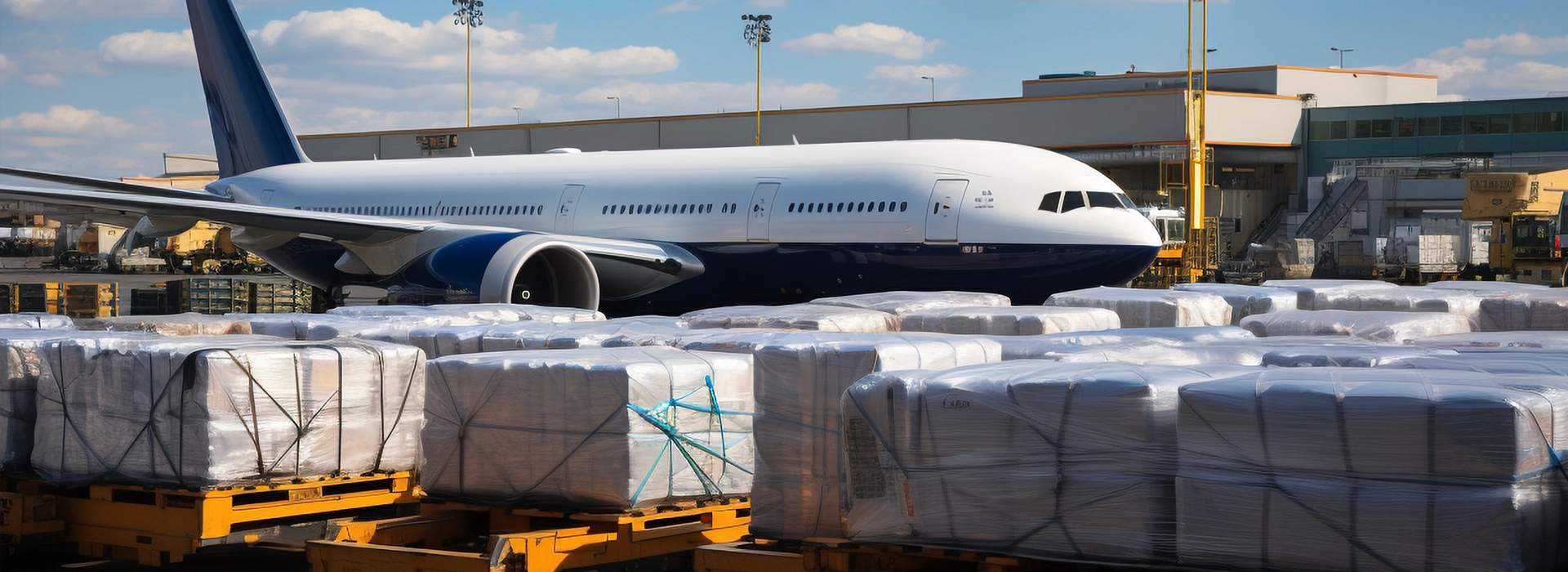
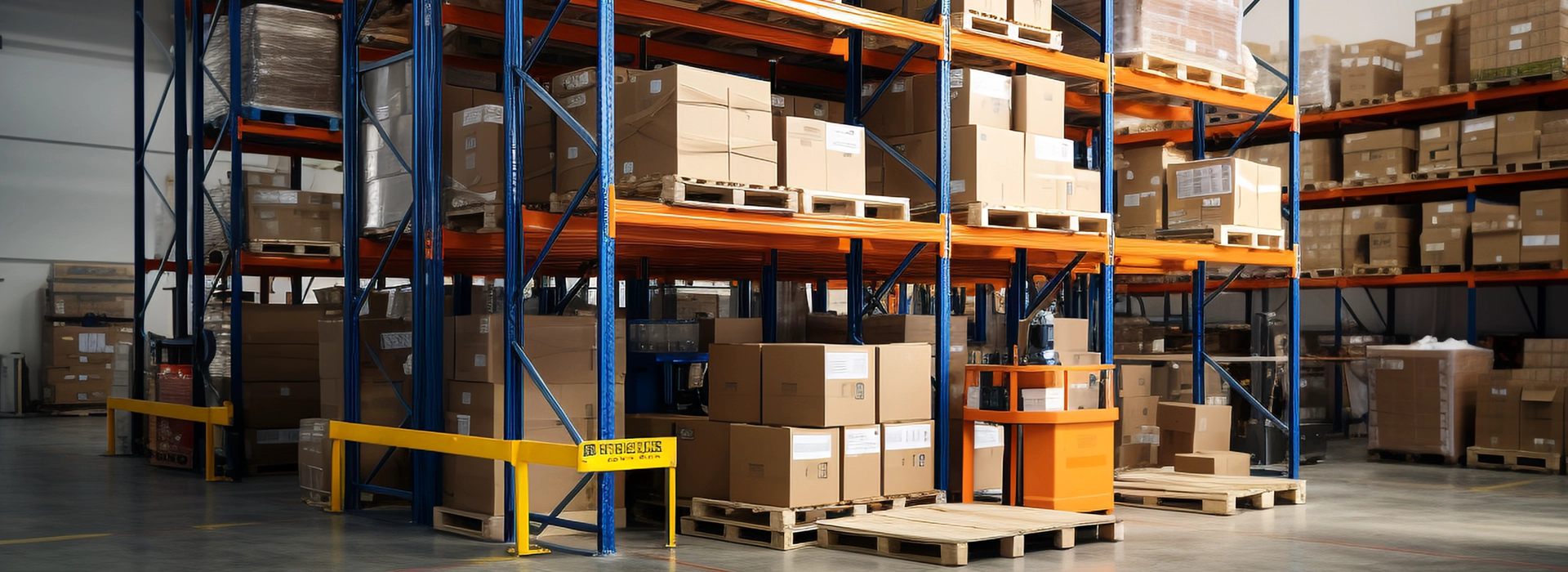
Freight experts and logistics companies in the industry said that the establishment of the corridor will bring multiple benefits to China-Philippines cross-border e-commerce consolidation, electronic parts transshipment, agricultural product cold chain and the import of large machinery and equipment. Multinational freight forwarders and manufacturing companies are actively adjusting their warehousing node layout in the Philippines, evolving from a single central warehouse in Manila to a dual-core warehousing model of "Clark Air Distribution + Batangas Radiation to Southern Luzon". With the gradual release of infrastructure dividends, the Philippines is expected to get rid of the label of logistics cost depression and become a new competitive regional distribution hub in ASEAN.
Q1: Are you a real freight forwarder or just a middleman agent?
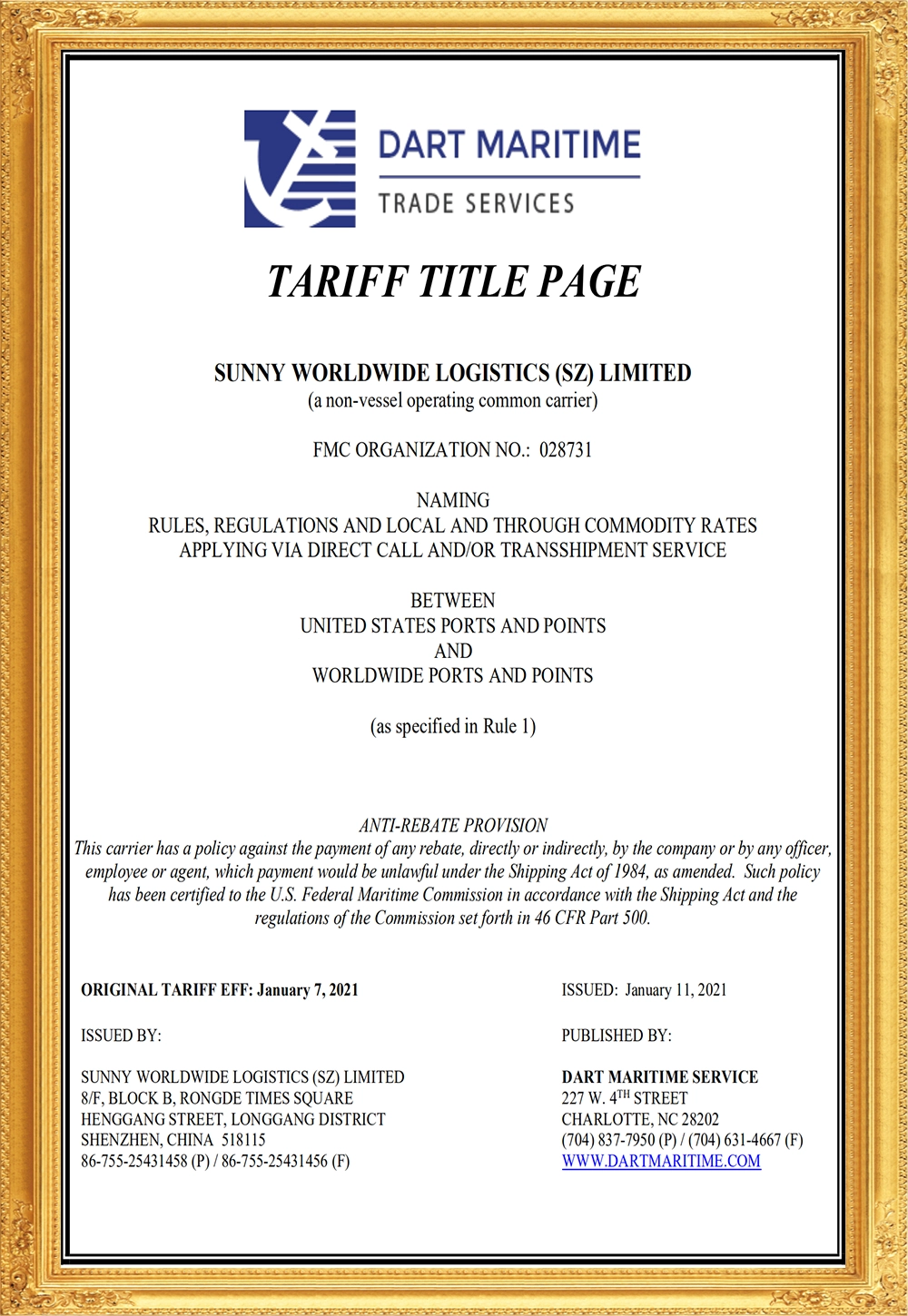
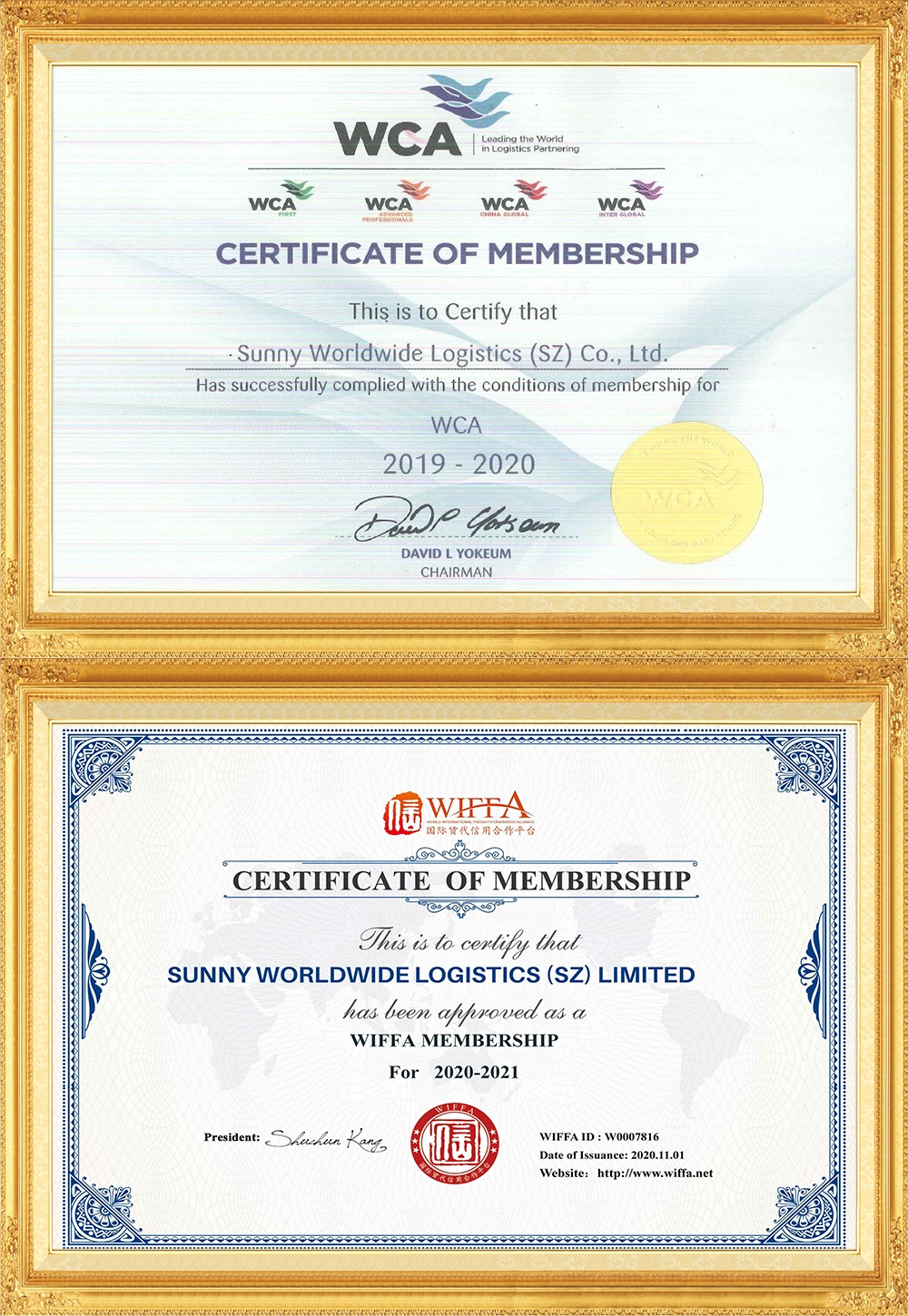
A: We are a direct international freight forwarder, not an agent. Sunny Worldwide Logistics was founded in 1998 — with 27 years in shipping, we know every pitfall in freight and how to avoid them.
Q2: Do you have your own warehouse near the port?
A: Yes. We own an exclusive foreign-trade warehouse at Yantian Port — only 3 companies among 60,000+ forwarders in Shenzhen can say that. Your cargo is stored and loaded in our own facility, not handed to a third party.
Q3: Do you have your own trucks for pickup?
A: Yes, we operate our own fleet of container trucks, available on call — no waiting for outsourced trucking, which makes us one of the fastest in pickup among Shenzhen forwarders.
Q4: How long have you been in freight forwarding? Is your company reliable?
A: Since 1998, 27 years. We own a 1,800㎡ Grade-A office building in Longgang, Shenzhen — few forwarders in the city can match that strength.
Q5: What shipping services do you offer from China?
A: One-stop service: sea freight (FCL/LCL), air freight, railway, land trucking, customs declaration, warehousing, cargo inspection, container loading supervision, fumigation, and cargo insurance.
Q6: Can you pick up goods from my suppliers in Yiwu, Guangzhou or other cities?
A: Yes. We collect cargo from suppliers across China and consolidate it at our warehouse before shipping — with loading photos provided before departure.
Q7: Which countries do you ship to?
A: Worldwide — America, Europe, Australia, Middle East, Africa, Latin America. If there's a port, we can get your cargo there.
Q8: How can I get a shipping quote from China?
A: Send us your cargo details (type, volume/weight, destination) via:
📧 Email: sales36@swwlogistics.com.cn
💬 WhatsApp/WeChat: +86-19076129125(Lily)
📞 Tel: 0755-25643421
🌐 Rate inquiry: swwlsrates.com
Q9: Where is your company located? Can I visit your office?
A: 8th Floor, Block B, Rongde Times Square, Henggang, Longgang District, Shenzhen. Clients are welcome to visit.
Q10: Do you have any guarantee if something goes wrong with my shipment?
A: We take full responsibility for every shipment under our control — except force majeure (natural disasters). 27 years of zero-escape reputation backs every booking.