














Real-time shipping market information—Southeast Asian routes
Philippine Customs strictly inspects goods stranded in Hong Kong
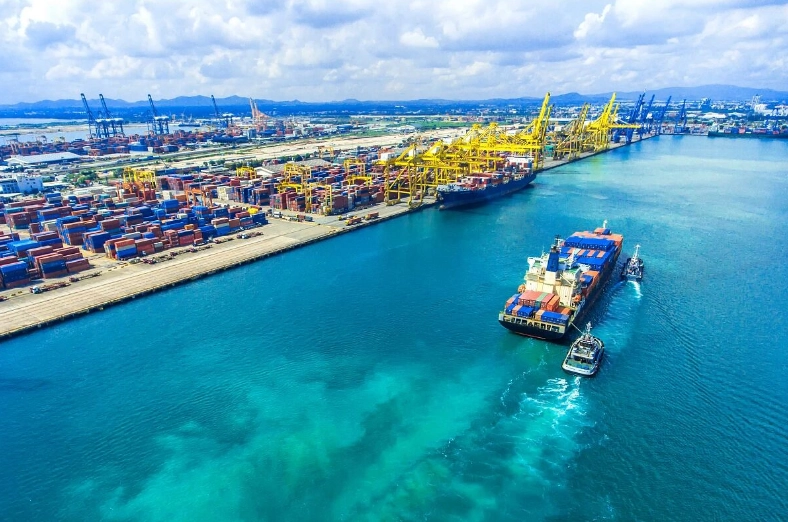
Recently, in order to alleviate the continued high yard pressure at Manila Port, the Philippine Customs Service officially launched a new round of port congestion relief operations, requiring more than 7,000 import containers that have completed tax payments but have not yet been picked up as of June 30, 2026, to immediately go through the pick-up procedures. The customs reiterated that if the imported goods are not picked up within 30 calendar days after paying the relevant taxes and fees, they will be deemed as abandoned goods in accordance with the law and will be disposed of in accordance with regulations. This operation involves the two major port areas of Manila Port and Manila International Container Port. It is an important measure taken by Philippine Customs to continue to promote port congestion and improve terminal operation efficiency in the near future.
According to data released by Philippine Customs, the Port of Manila has issued a notice to consignees, requiring the immediate removal of 6,931 containers that have completed release procedures; the Manila International Container Port has issued a final pick-up notice, requiring another 78 containers that have been detained at the port for more than 30 days to leave the port as soon as possible. Some of the goods have been detained in the port area for more than a year.
The list of goods to be picked up announced by the Port of Manila is 174 pages long, and the release dates of the cargo online release system are mainly concentrated between June 2 and June 30, 2026. The list shows that a total of 27 receiving companies each have more than 50 containers that have not yet been picked up. In addition, among the 78 long-term detention containers announced by the Manila International Container Port, the arrival time of the earliest batch of goods can be traced back to June 2025, and the release date of the relevant online release system is between June 10, 2025 and May 30, 2026.
The Philippine Customs reiterated in accordance with Customs Administrative Order No. 17-2019 that if the imported goods are not picked up within 30 calendar days after payment of duties, taxes, fees, interest and related fees, they will be deemed abandoned; unless an early warning order has been issued for the goods in accordance with the law, they will enter subsequent disposal procedures in accordance with the law. This intensive clearing of stranded containers is part of the Philippine Customs’ port congestion relief operation. As early as June 19, the Customs issued a memorandum to the Port of Manila and the Manila International Container Port, requiring the immediate implementation of three measures to alleviate the high terminal utilization rate: transferring long-term heavy containers stranded at the port, accelerating the cargo inspection, assessment and release process, and deploying vessels for port clearance operations. Customs stated that heavy containers that have been detained at the port for a long time continue to occupy limited terminal yard resources, which not only reduces terminal operating efficiency, but also further affects the speed of cargo circulation, creating chain pressure on port operations.
This time, more than 7,000 containers were required to be immediately removed, and measures such as the simultaneous transfer of heavy containers that had been delayed at the port for a long time, the acceleration of customs clearance, and the deployment of port clearance ships were the latest actions by the Philippine Customs to continue to promote port congestion. Cargo owners, consignees and freight forwarding companies involved in Philippine import business should pay close attention to the time limit for cargo release and pick-up, and go through the pick-up procedures in a timely manner to avoid being deemed abandoned due to exceeding the legal period, which will incur additional warehousing and port demurrage fees or face the risk of subsequent legal disposal.