






Philippine port delays rise during peak season, Clark aviation hub opens
Affected by the surge in cargo volume and typhoon disturbances during the peak season in the fourth quarter, the on-time rate of container ships at major seaports in the Philippines dropped to 27%, with an average arrival delay of 6 days. To this end, the Philippine government has accelerated the opening of the Clark International Air Logistics Hub and collaborated with the Port Authority to implement digital diversion and suitcase optimization initiatives in an effort to alleviate the pressure on Manila Port and stabilize regional supply chain flows.
As the global year-end consumption peak season approaches, the supply chain system of the Philippines, an important shipping hub in Southeast Asia, is facing a severe test. According to the latest industry data released by the Philippines' authoritative shipping and logistics monitoring agency, the Philippine Logistics Growth Index (LGI) recently shrank to 48.1, recording its lowest level in nearly four months, due to multiple impacts from port congestion, extreme weather disturbances, and the concentrated release of holiday stocking volumes.
1. Current situation of core port operations under pressure and punctuality
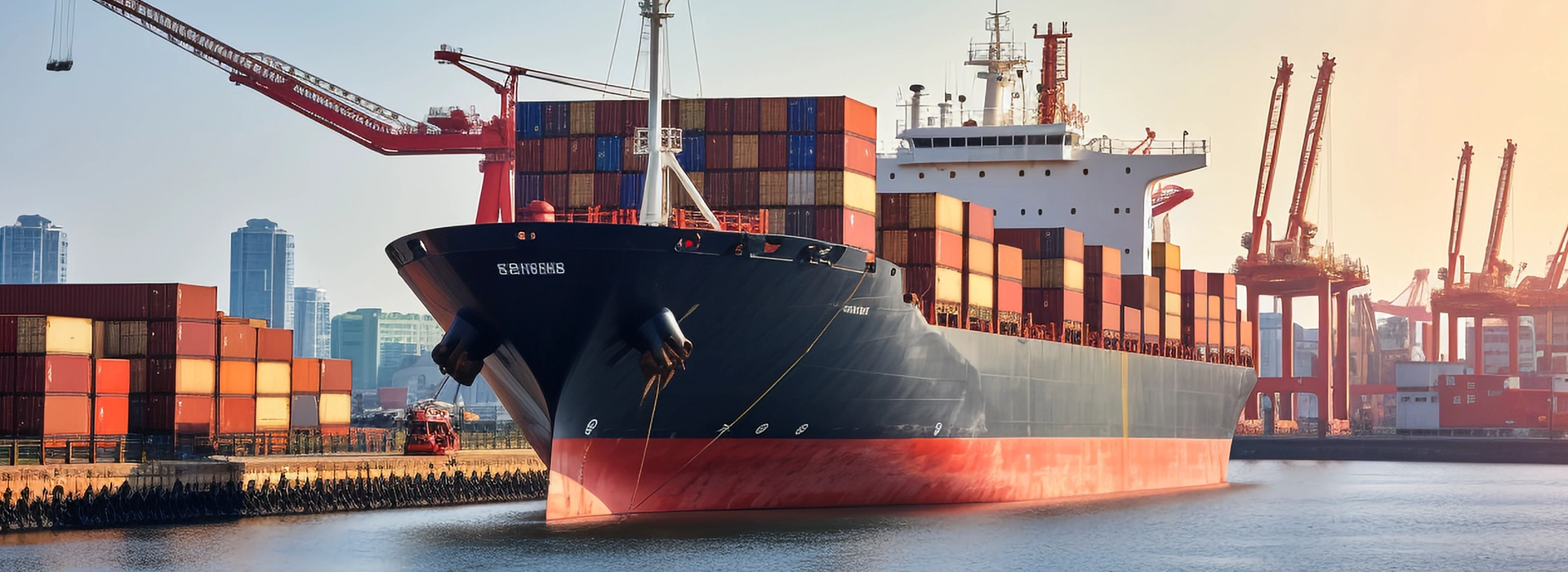
Data shows that the Manila International Container Terminal (MICT) and surrounding port areas, as the Philippines’ foreign trade gateway, are under significant pressure after entering the fourth quarter. The on-time performance (OTP) of container ships in major shipping alliances has plummeted to only about 27% recently, and the average delay in arrival and berth waiting for ships has climbed to 5 to 6 days.
The slowdown in container circulation has directly caused the Manila port yard utilization rate to remain in the high warning range of more than 80%. The return of empty containers has been delayed and the efficiency of surrounding land truck collection ports has declined, further exacerbating the fulfillment cycle of vehicle logistics and sea freight less than container load (LCL).
| Monitoring Dimensions (Metric) | Recent core data (Latest Data) | Year-on-year/month-on-month trend (Trend) | Main impact analysis (Impact) |
|---|---|---|---|
| Logistics Growth Index (LGI) | 48.1 points | Decreased 0.5 points month-on-month (falling into contraction zone) | The overall prosperity of the supply chain is under pressure |
| Container liner punctuality rate | About 27.0% | At a low level during the year | Widespread delays on routes within Europe, America and Asia |
| Average waiting delays at ports | 5 – 6 days | 2.5 days more than the previous quarter | Increased risk of goods in transit inventory and demurrage charges |
| Yard utilization rate (MICT) | 82% – 85% | High level operation | The turnover of picking up, dropping off and empty boxes is limited |
2. Government bailout and disruption of multimodal transport hubs
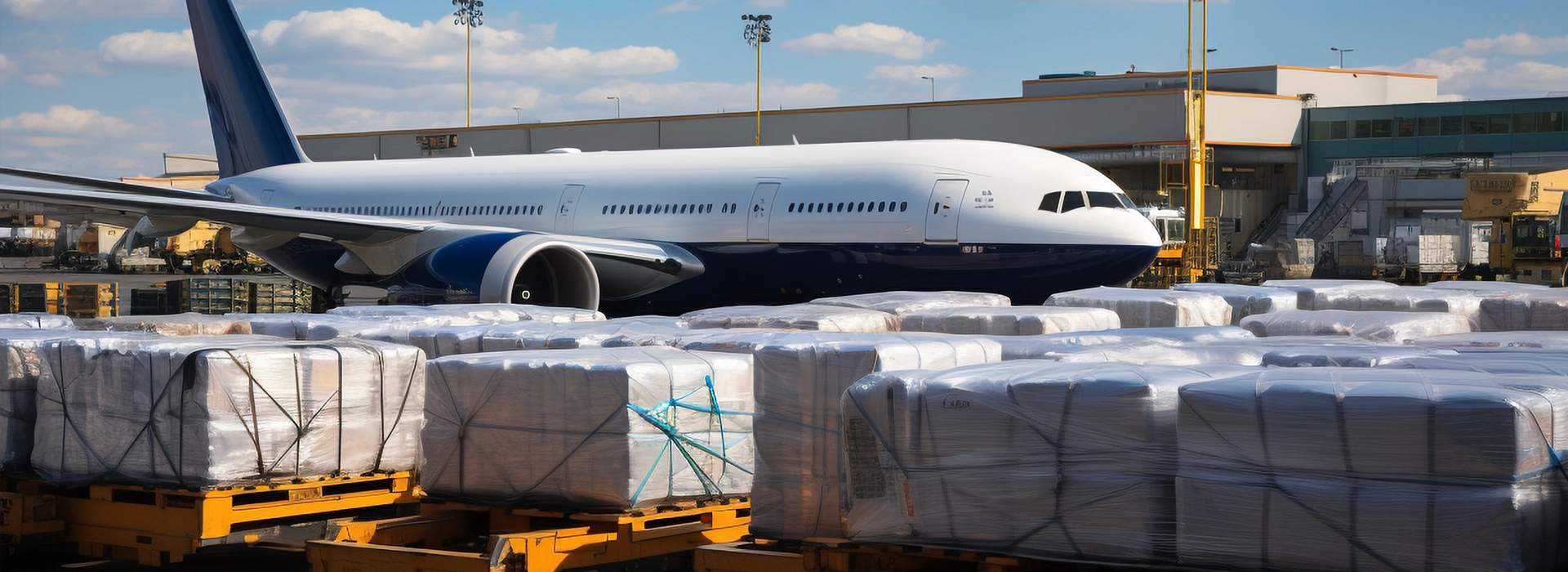
Facing the logistics bottleneck on the main shipping lines, the Philippine government is actively adopting a sea-air linkage and regional diversion strategy. Philippine President Marcos recently officially attended and opened the new Clark International Air Logistics Hub (UPS Clark Hub) in Pampanga Province. The hub's full operation marks a key step for the Philippines in improving the shipping capacity of high-value electronic components, cross-border e-commerce and temperature-controlled cargo in the Asia-Pacific, effectively sharing the emergency performance pressure of traditional shipping.
At the same time, the Philippine Ports Authority (PPA) and the Philippine Bureau of Customs (BOC) introduced a number of measures to clear the port:
- Strengthen secondary port diversion : Encourage carriers and cargo owners to divert cargo arriving in non-Manila core areas to Batangas Port and Subic Bay Free Port, and utilize the surrounding bonded land transportation network to achieve rapid customs clearance.
- Digital paperless customs declaration : Accelerate the promotion of the customs electronic customs clearance and pre-declaration system, and shorten the time limit for document approval of imported goods to less than 24 hours.
- Container free period and luggage supervision : A tiered storage fee penalty mechanism will be implemented for heavy boxes that are stranded in the yard and have not been picked up beyond the due date, forcing consignees and customs clearance agents to speed up the pace of picking up boxes.
3. Suggestions for foreign trade and logistics companies
Faced with the current normal congestion in the Philippine shipping season, supply chain management experts recommend that international traders and freight forwarders adopt the hedging plan of "booking space in advance and operating both lines". For industrial accessories and consumer electronics with strict timeliness requirements, airport routes such as Clark should be reasonably utilized for air transportation or sea-air combined transportation (Sea-Air); for ordinary sea freight, it is necessary to lock the space 10 to 14 days in advance, and strictly check the box list, invoice and certificate of origin (such as FORM E) during the customs declaration at the destination port to avoid additional costs caused by inspection and detention.
Q1: Are you a real freight forwarder or just a middleman agent?
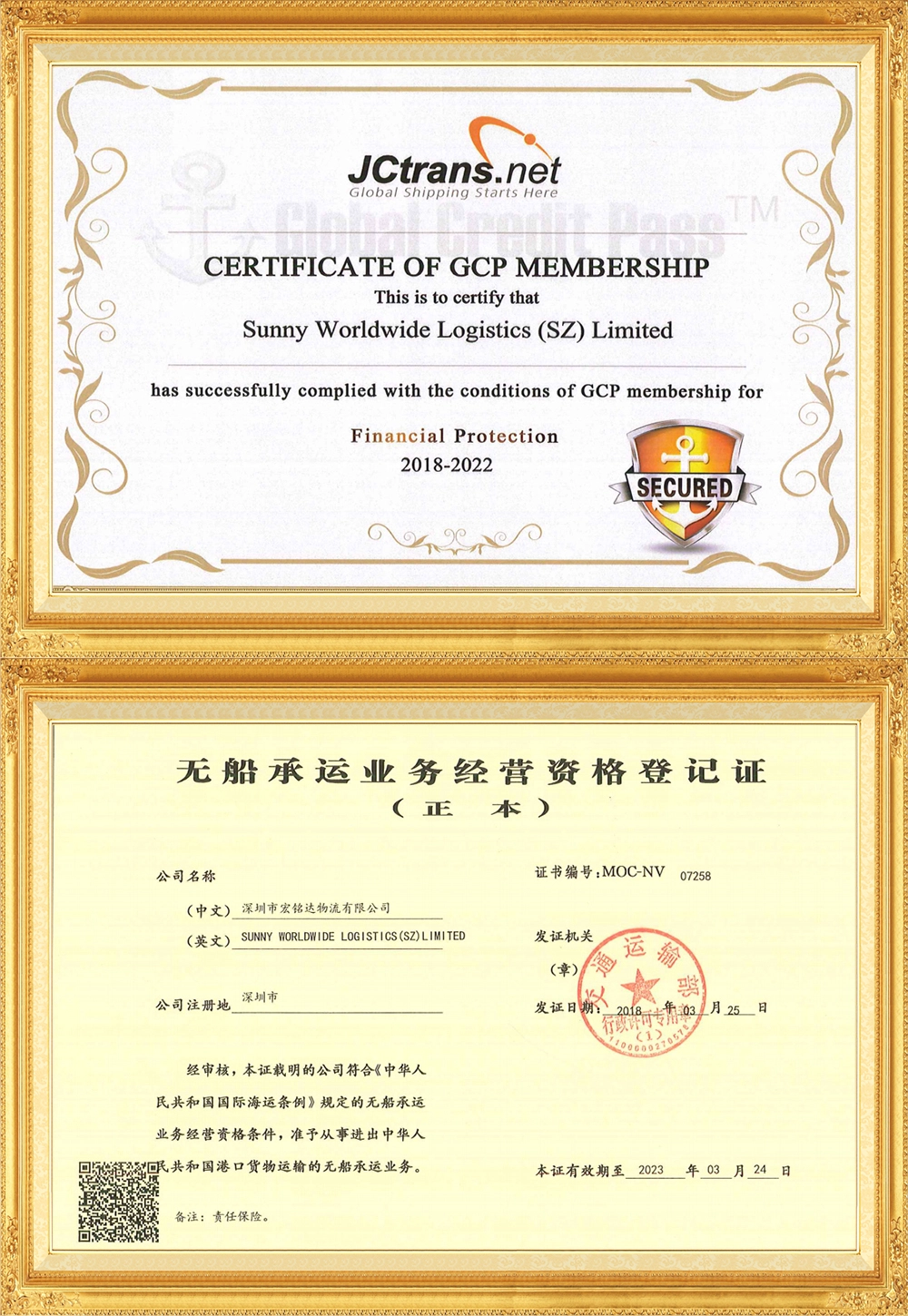
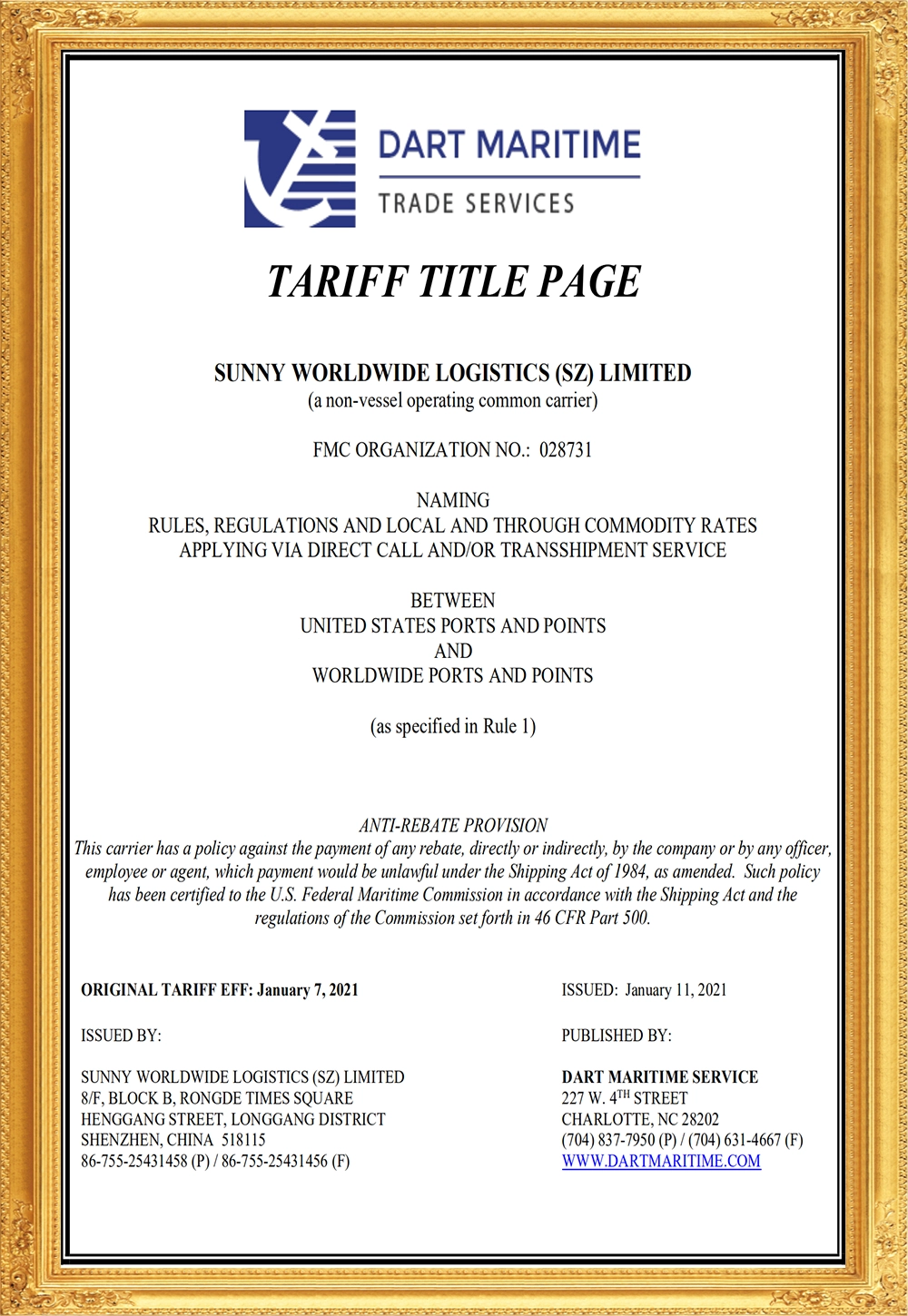
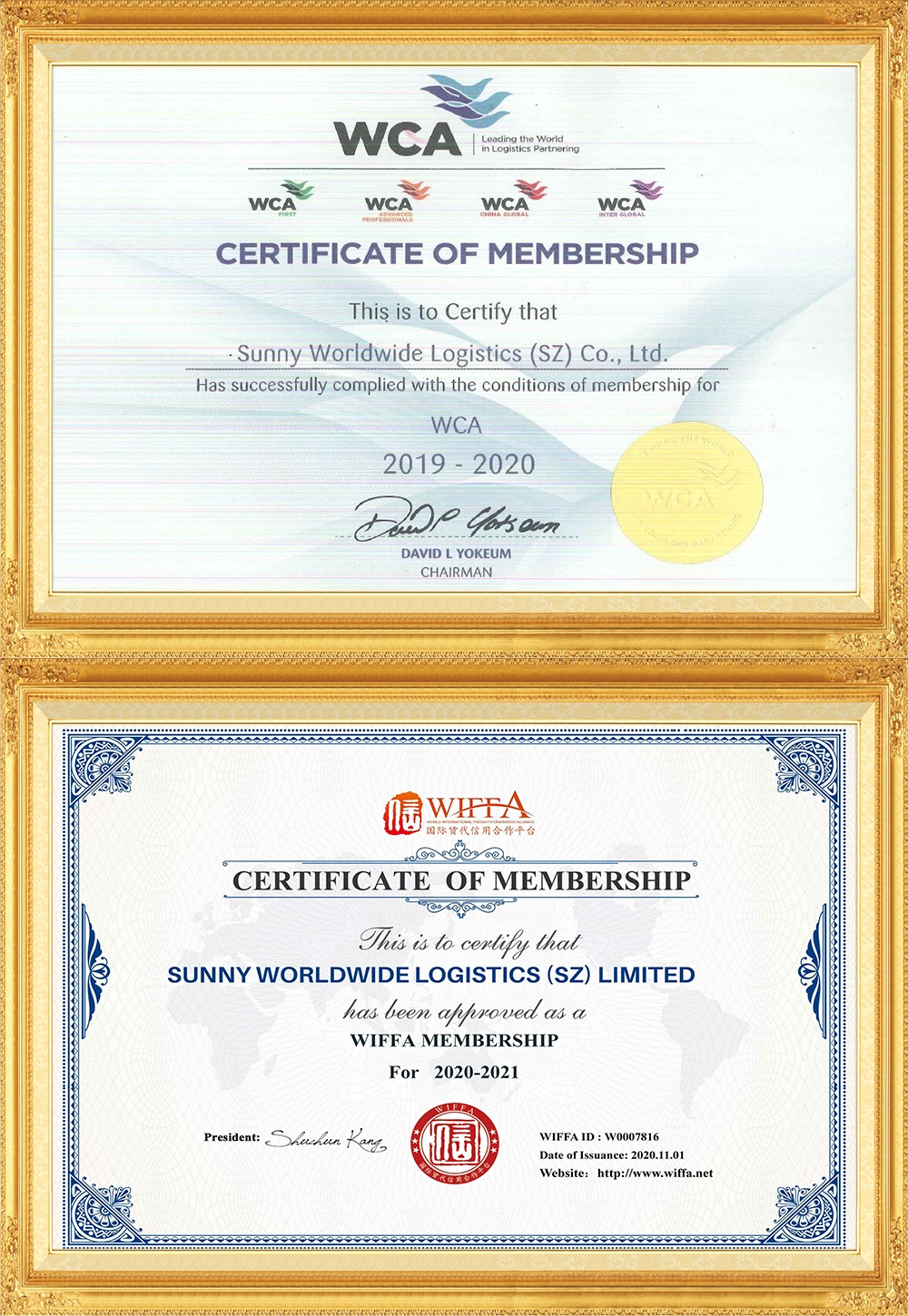
A: We are a direct international freight forwarder, not an agent. Sunny Worldwide Logistics was founded in 1998 — with 27 years in shipping, we know every pitfall in freight and how to avoid them.
Q2: Do you have your own warehouse near the port?
A: Yes. We own an exclusive foreign-trade warehouse at Yantian Port — only 3 companies among 60,000+ forwarders in Shenzhen can say that. Your cargo is stored and loaded in our own facility, not handed to a third party.
Q3: Do you have your own trucks for pickup?
A: Yes, we operate our own fleet of container trucks, available on call — no waiting for outsourced trucking, which makes us one of the fastest in pickup among Shenzhen forwarders.
Q4: How long have you been in freight forwarding? Is your company reliable?
A: Since 1998, 27 years. We own a 1,800㎡ Grade-A office building in Longgang, Shenzhen — few forwarders in the city can match that strength.
Q5: What shipping services do you offer from China?
A: One-stop service: sea freight (FCL/LCL), air freight, railway, land trucking, customs declaration, warehousing, cargo inspection, container loading supervision, fumigation, and cargo insurance.
Q6: Can you pick up goods from my suppliers in Yiwu, Guangzhou or other cities?
A: Yes. We collect cargo from suppliers across China and consolidate it at our warehouse before shipping — with loading photos provided before departure.
Q7: Which countries do you ship to?
A: Worldwide — America, Europe, Australia, Middle East, Africa, Latin America. If there's a port, we can get your cargo there.
Q8: How can I get a shipping quote from China?
A: Send us your cargo details (type, volume/weight, destination) via:
📧 Email: sales36@swwlogistics.com.cn
💬 WhatsApp/WeChat: +86-15323861694 (Lily)
📞 Tel: 0755-25643421
🌐 Rate inquiry: swwlsrates.com
Q9: Where is your company located? Can I visit your office?
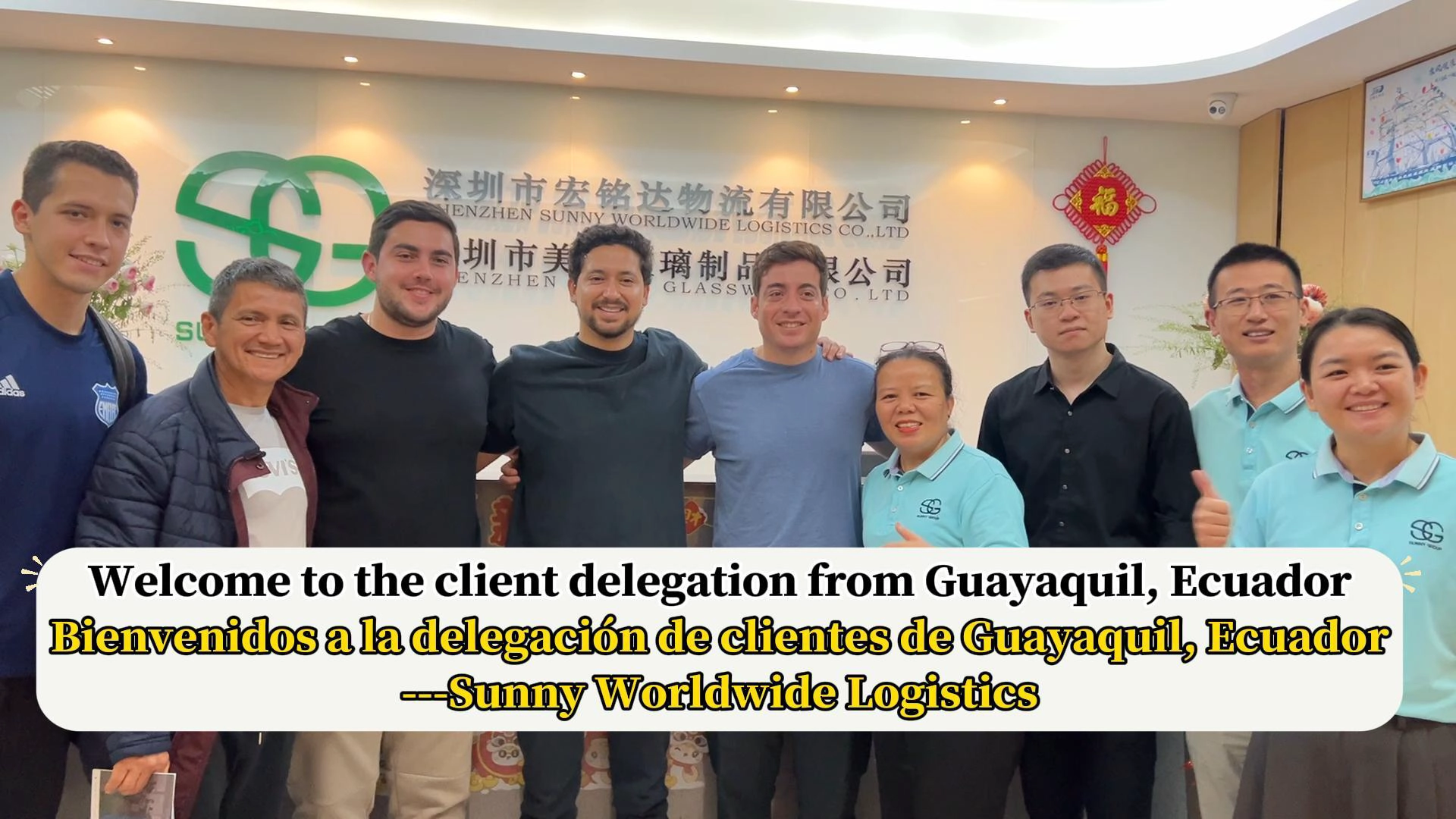
A: 8th Floor, Block B, Rongde Times Square, Henggang, Longgang District, Shenzhen. Clients are welcome to visit.
Q10: Do you have any guarantee if something goes wrong with my shipment?
A: We take full responsibility for every shipment under our control — except force majeure (natural disasters). 27 years of zero-escape reputation backs every booking.