








The volume of foreign trade cargo at Philippine ports has grown steadily, and the customs and port authorities have strengthened digital transportation.
According to the latest statistics from the Philippine Ports Authority, driven by the growth of foreign trade imports and exports, the freight volume of major ports across the country will maintain a steady upward trend in 2026. In order to alleviate the turnover pressure on the Manila port area and berths, the Customs Department and the Port Authority have comprehensively upgraded the digital empty container monitoring system and green customs clearance channels, effectively improving the efficiency of terminal transportation and providing a solid guarantee for the stability of the regional supply chain and cross-border freight.
Driven by the rebound in foreign trade import and export demand, increased imports of industrial raw materials, and accelerated regional e-commerce cargo flows, the Philippine maritime freight and logistics industry continues to show strong growth resilience. According to the latest port operation data released by the Philippine Ports Authority (PPA), the cargo throughput and container transportation volume of ports under jurisdiction across the country have achieved steady year-on-year growth, and the overall performance is better than the expected range.
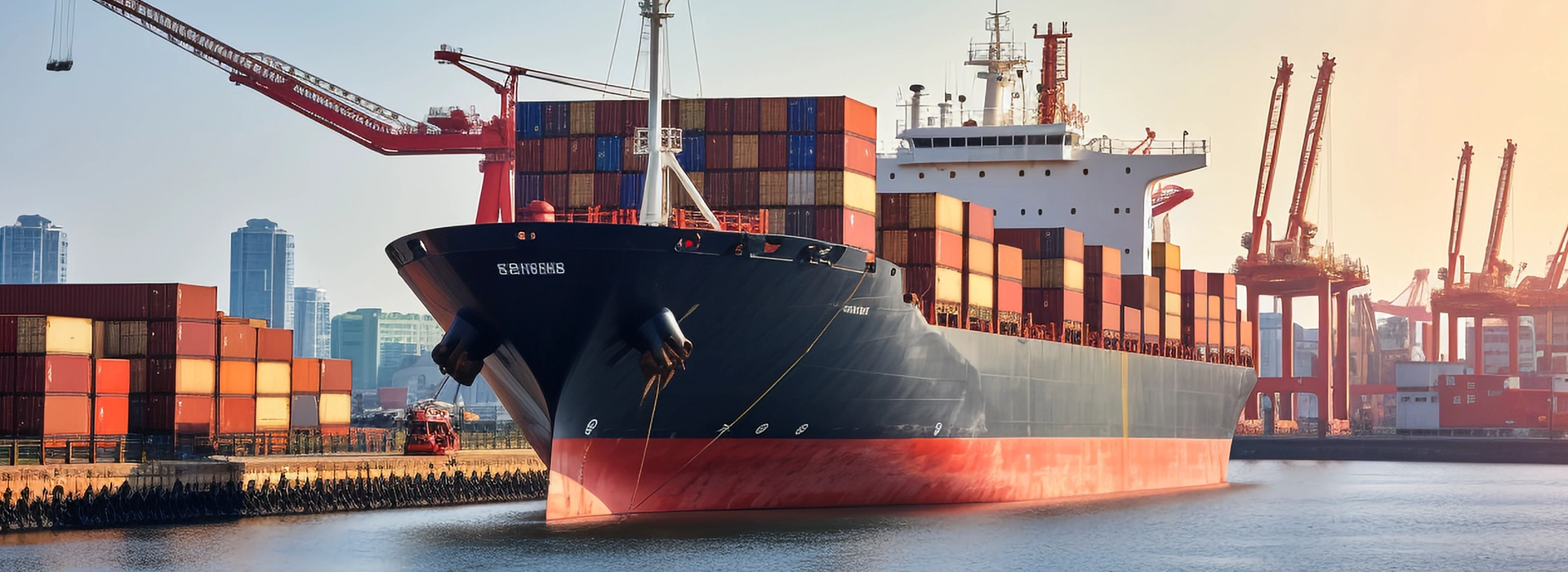
The steady increase in freight volume is mainly due to the steady inflow of international container cargo and bulk industrial raw materials. The operational vitality of core hubs such as Manila International Container Terminal (MICT) and Manila South Port, as well as surrounding regional hubs Batangas, Subic and Cebu, is particularly obvious. However, the continued increase in cargo volume has also put forward higher requirements for terminal yard utilization, ship berthing operation cycles, and customs clearance timeliness, prompting the Port Authority (PPA) and the Philippine Bureau of Customs (BOC) to collaborate to promote a number of transportation efficiency improvements and digital supervision reforms.
Overview of core operational indicators and throughput
| Core indicator classification | Latest operating data | Main drivers | Current operating status |
|---|---|---|---|
| Foreign trade cargo throughput | Steady growth of 3.8% year-on-year | Imports of electronic components, machinery and equipment, and infrastructure raw materials grow | The core port area of Luzon Island has abundant inbound cargo flow |
| Domestic container freight volume | Steady growth of 2.8% year-on-year | Transportation of agricultural products between islands and construction of inland distribution center for consumer goods | Inter-island flight schedule operations are basically stable |
| Manila Port Area Yard Utilization Rate | Maintained between 68% – 74% | Accelerate off-site yard transfers and implement electronic gate rapid inspection and release | Within the 75% safety warning line |
| Customs electronic document coverage | The online filing rate exceeds 92% | Comprehensively implement the automated customs clearance system and manifest forecasting mechanism | The detention time of paper documents has been significantly reduced |
Foreign trade freight has injected growth momentum, and the regional route network continues to expand
The steady recovery of international trade is the core pillar driving the recovery of Philippine maritime logistics. As demand for production supplies and consumer goods increases in major industrial areas in Metro Manila and surrounding Luzon, imports of sea containers from China, Japan, South Korea and major ASEAN member states remain strong.
Port operators pointed out that the Philippine domestic export supply has also remained stable, especially the export of electronic assembly products, tropical agricultural products (such as bananas, pineapples and coconut deep-processed products) and light industrial products have shown strong support. In addition, the continuous upgrading of deep-water berths in Batangas Port and Subic Bay has effectively diverted some cargo sources that originally needed to be transited through Manila, providing a cost-effective alternative for international liner companies seeking to optimize shipping schedule cycles and reduce the risk of coastal port pressure.
Optimize the yard turnover mechanism and strictly control terminal congestion risks
Although the overall throughput continues to expand, port and shipping regulatory authorities remain highly vigilant about the risk of yard pressure that may be caused by the traditional shipping peak season. During peak freight periods, the storage density of Manila's central port area and the truck collection and distribution capabilities of the gates usually face greater challenges.
In order to ensure smooth terminal turnover, major terminal operators have adopted a series of dynamic optimization measures:
- Implement dynamic stockpile management and gate extension operations : By optimizing the allocation logic of container areas and extending the working hours of the container pick-up and return gates, the pressure of centralized entry and exit of trucks during peak periods is alleviated;
- Application of automated optical character recognition (OCR) and reservation system : Improve the speed of card collection and release at the gate, and compress the average turnover time of bicycles on site to less than 45 minutes;
- Strengthen management of overdue detention containers : Strictly implement the supervision of the on-site detention time limit of containers, intensify the cleaning of overdue heavy containers, and actively guide cargo owners to quickly transfer the goods that have completed customs clearance to off-site container depots (ICDs) located inland (such as Laguna, Cavite, and Bulacan).
Comprehensive upgrade of customs supervision: empty container monitoring and intelligent non-sensory inspection
In the process of improving the overall port turnover efficiency, the digital transformation of the Philippine Bureau of Customs (BOC) played a key role. The customs department is working with shipping companies, freight forwarding associations and terminals to comprehensively implement a number of customs clearance efficiency improvement plans:
- Empty container flow dynamic monitoring system: Establish a traceability mechanism for empty containers in off-site storage yards and terminals, standardize the empty container transportation and return process, and prevent the accumulation of empty containers from occupying valuable berth storage yard resources;
- Non-intrusive rapid container scanning : Introduce high-throughput portal container X-ray machines, increase the proportion of machine inspection and direct release, and implement non-inductive inspection and immediate inspection and release of low-risk goods with high compliance ratings;
- Deepening the Authorized Economic Operator (AEO) system : Expand the scope of AEO certification for honest and compliant import and export enterprises and international logistics service providers, and provide customs clearance conveniences such as priority customs clearance and exemption from physical inspection.
Practical suggestions for cross-border cargo owners and foreign trade enterprises
In view of the current situation of maritime logistics and port operations in the Philippines, it is recommended that cross-border shippers and supply chain companies engaged in related trade adopt the following response strategies:
- Complete document pre-review and manifest pre-entry in advance : Ensure that the commercial invoice, packing list and certificate of origin are strictly consistent with the manifest data, complete the pre-declaration before the ship arrives at the port, and strive to release the suitcase as soon as possible after berthing;
- Reasonable planning of unloading routes and multimodal transport: For goods whose destination is in the south or north of Luzon, the feasibility of direct connection to Batangas Port or Subic Port can be evaluated to avoid congestion and traffic restrictions in urban Manila;
- Pay close attention to container-free period and storage period (D&D) management: Choose a local professional freight forwarding service provider with complete own fleet and off-site storage yard cooperation resources to ensure that the containers are quickly unpacked and returned empty after arriving at the port, and to avoid high port detention fees.
With the continuous expansion of port infrastructure and the in-depth advancement of the digital customs clearance system, the Philippines is constantly improving its maritime supply chain network, effectively improving regional freight access efficiency and trade and business convenience.