



















The Philippine Ports Authority released the latest data: cargo throughput exceeded 154 million tons in the first half of the year
According to the latest statistics from the Philippine Ports Authority (PPA), the cargo throughput of Philippine ports in the first half of 2026 reached 154.03 million metric tons, a year-on-year increase of nearly 8%, and foreign trade cargo accounted for more than 63.6%. Thanks to strong import and export demand and digital and intelligent terminal dispatching, the total freight volume for the year is expected to exceed 301 million tons and hit a record high.

1. Overview of official data: National freight throughput is rising steadily
The latest operational report released by the Philippine Ports Authority (PPA) shows that cargo activities at ports across the Philippines will continue to be active in the first half of 2026. As of the end of June this year, the total cargo throughput of national ports has reached 154.03 million metric tons (MMT) , an increase of nearly 149.42 million metric tons from the same period last year. 8% . This significant increase shows that despite the external challenges faced by the global maritime supply chain from route adjustments and fuel cost fluctuations, the Philippines' import and export demand for basic raw materials, consumer goods and industrial products remains strong and resilient.
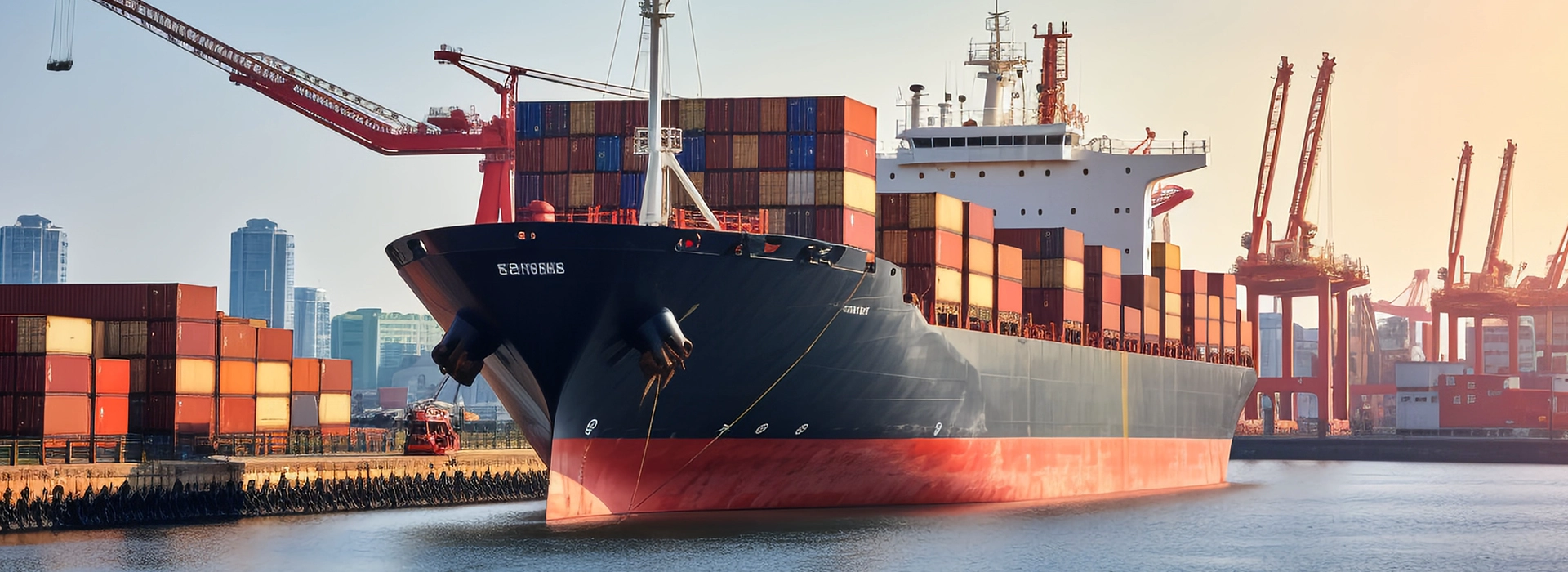
In terms of throughput structure, Foreign Cargo occupies a dominant position, completing the first half of the year 97.94 million metric tons , accounting for the total throughput 63.6% ; Domestic Cargo completed 56.1 million metric tons , accounting for 36.4% . In terms of container transportation, the Philippines’ container throughput has steadily exceeded 4 million TEU At the gateway, foreign trade containers account for more than 68%. With the significant increase in throughput, PPA achieved operating income in the first half of the year 16.34 billion pesos , the overall operating efficiency and financial performance have reached new highs in recent years. PPA official forecasts that according to the current freight trend, the total freight volume in 2026 is expected to hit 301 million metric tons historical high record.
2. Comparison table of key freight and operational data in the first half of 2026
| Key Metric | Data for the same period in 2025 (H1 2025) | Data for the first half of 2026 (H1 2026) | YoY Change | Proportion of total volume (Share) |
|---|---|---|---|---|
| Total cargo throughput in the Philippines (Total Cargo) | 149.42 million metric tons (MMT) | 154.03 million metric tons (MMT) | +8.0% | 100.0% |
| Foreign trade cargo throughput (Foreign Cargo) | 92.98 million metric tons (MMT) | 97.94 million metric tons (MMT) | +5.3% | 63.6% |
| Domestic Cargo | 56.44 million metric tons (MMT) | 56.1 million metric tons (MMT) | keep steady | 36.4% |
| Total container throughput (Container TEU) | About 3.85 million TEU | More than 4.15 million TEU | +7.8% | 100.0% |
| Port Authority Operating Revenue (PPA Revenue) | Approximately 14.86 billion pesos | 16.34 billion pesos | +9.9% | - |
3. Core driving factors: regional foreign trade demand and port efficiency upgrades
Analysts pointed out that the driving force for this round of strong growth in Philippine freight mainly comes from the following three dimensions:
- Manufacturing and infrastructure import demand is strong : With the acceleration of domestic infrastructure projects in the Philippines, the import volume of steel, construction accessories, machinery and equipment, and industrial raw materials continues to remain high, which has greatly boosted the unloading volume of foreign trade heavy containers at the Manila International Container Terminal (MICT) and the Port of Batangas.
- Regional Comprehensive Economic Partnership (RCEP) dividends released : Bilateral trade between China, ASEAN and the Philippines is becoming increasingly close, especially the cross-border flow of e-commerce parcels, fast moving consumer goods and electronic accessories has accelerated in both directions.
- Port digital transformation and congestion management have achieved initial results: PPA continues to promote the intelligent dispatching system and electronic bill of lading (e-BL) management of terminal berths, shortening the average waiting time for large foreign trade container ships, allowing major hub ports to maintain a smooth turnover during peak seasons.
4. Industry observation and cross-border supply chain suggestions (Sunny Worldwide Logistics perspective)
Faced with the traditional peak shipping season in the Philippines in the second half of the year and potential port collection and distribution pressure, cross-border import and export companies need to focus on the following logistics risk control and optimization points:
- Reasonable diversion of destination ports: In addition to the main port of Manila (North/South Harbor & MICT), it is recommended that regional foreign trade goods departing from South and East China use Batangas or Subic as a diversion port to effectively avoid urban congestion and land transportation restrictions in Manila.
- Compliance documents and customs clearance pre-processing: Philippine Customs strictly audits product names, specifications and declared values (Customs Value). It is recommended that shippers prepare packing lists, invoices, certificates of origin (Form E) and relevant inspection and quarantine certificates in advance, adopt standardized DDP/CIF terms, and ensure that pre-examination is completed before arrival at the port to avoid demurrage and demurrage fees.
- Optimize container loading planning : For the transportation of large containers such as 40HQ, it is recommended to implement the standardized stowage logic of "heavy bottom and light top, and strictly control the axle weight of a single box" to ensure the safety of freight while maximizing the use of space in the cabinet and reducing the comprehensive logistics cost of a single piece.