

















PPA releases latest data: Philippine port cargo volume reached 154 million tons in the first half of 2026
The latest data from the Philippine Ports Authority (PPA) shows that in the first half of 2026, the national port cargo throughput reached 154 million tons, a year-on-year increase of 3.2%, and container volume increased by 2.8%. With the advancement of digital dispatching at the Manila International Container Terminal (MICT), port congestion has been significantly alleviated, and cross-border import and export logistics turnover has been accelerated, providing stable support for regional trade.

1. Overview of official data: Throughput increased steadily in the first half of the year
According to the latest official operating statistics released by the Philippine Ports Authority (PPA), in the first half of 2026 (January to June), the overall cargo throughput of major seaports under the jurisdiction of the Philippines reached 154.033 million metric tons (MMT) , a year-on-year increase from 149.187 million metric tons in the same period last year 3.2% .
In terms of container transportation, the total container cargo handled by ports across the country achieved year-on-year growth. 2.8% . Among them, the performance of foreign trade import and export container volume is particularly impressive, mainly due to the restructuring of the supply chain in Southeast Asia and the continued active trade of manufacturing raw materials and consumer goods between China and the Philippines. Domestic shipping containers also maintain a steady recovery trend driven by the rebound in consumer demand.
2. Core hub operations: Improved efficiency of Manila and Batangas terminal turnover
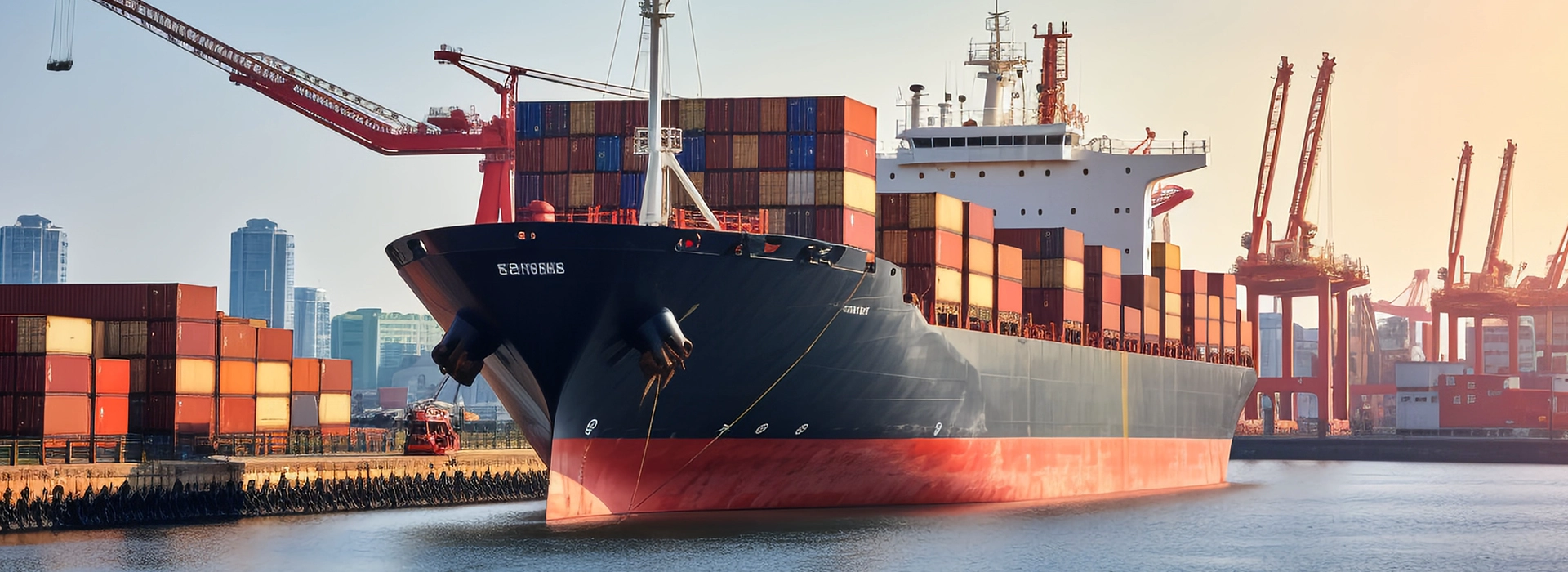
As the core gateway for import and export in the Philippines, the Manila International Container Terminal (MICT) and Batangas Port fully upgraded their intelligent yard management and electronic bill of lading reservation systems in the second quarter of this year.
The PPA official report pointed out that by strictly implementing the overdue container removal order and implementing the linkage mechanism between port night diversion operations and terminal energy surcharges, the average berth waiting time in Manila's two core port areas has been shortened from more than 48 hours last year to less than 18 hours currently, and the yard utilization rate has been steadily maintained in a healthy range of 70% to 75%. This not only effectively curbed the risks of "container dumping" and "port pressure" that frequently occurred on the eve of peak seasons in previous years, but also significantly reduced the demurrage & detention burden on shipping companies and import and export cargo owners.
3. Comparison of key freight operation indicators in the first half of 2025-2026
| Operational Metric | First half of 2025 (H1 2025) | First half of 2026 (H1 2026) | YoY Change | Key Drivers |
|---|---|---|---|---|
| National total cargo throughput | 149.187 million tons | 154.033 million tons | +3.2% | Imports of raw materials and outbound shipments of industrial finished products increased |
| Total container throughput | 3.824 million TEU | 3.931 million TEU | +2.8% | Regional Comprehensive Economic Partnership trade increase |
| Proportion of international foreign trade goods | 58.4% | 59.2% | +0.8pct | Driven by cross-border e-commerce and imports of mechanical and electrical goods |
| Average berthing wait at the Port of Manila | 46.5 hours | 17.8 hours | -61.7% | Intelligent yard dispatch and detention cabinet cleaning order takes effect |
| Average port utilization rate | 84.2% | 72.6% | -11.6pct | Reservation system for picking up cabinets at night to divert storage pressure |
4. Policy empowerment and modernization layout of multimodal transport
The Philippine Department of Transportation (DOTr) and PPA have recently jointly issued a number of new logistics modernization regulations, focusing on promoting southern port expansion projects such as Davao-Sasa Port to build a more balanced intermodal transportation network in the archipelago.
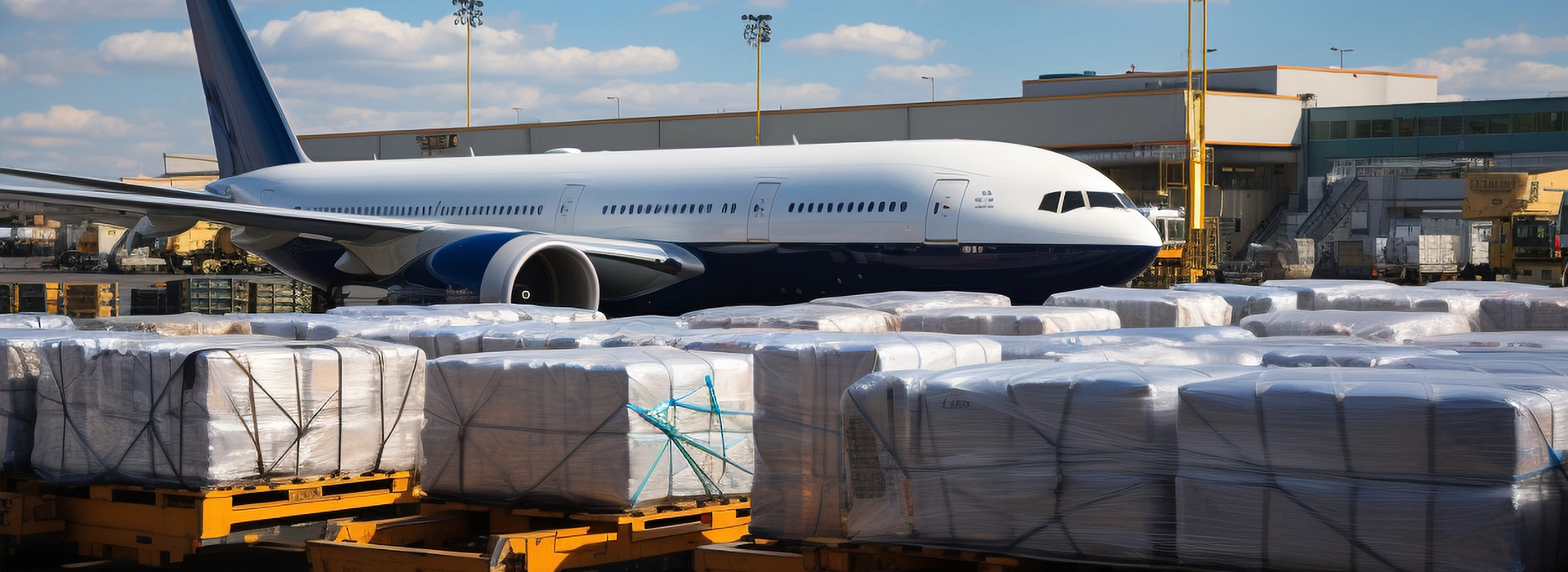
At the same time, in order to efficiently connect air cargo and maritime transport, the green bonded transshipment channel between the Ninoy Aquino International Airport (NAIA) cargo hub in Manila and the Manila Seaport has entered regular operation, further shortening the transit customs clearance time for cross-border high value-added spare parts.
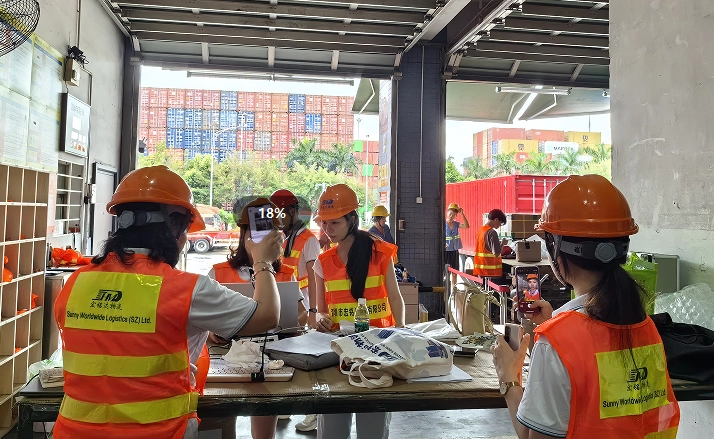
5. Industry perspectives and suggestions for overseas expansion (observation by Sunny Worldwide Logistics)
In response to the steady growth and policy adjustments of Philippine port freight, cross-border supply chain experts from Sunny Worldwide Logistics pointed out:
- Properly plan shipping schedules for the second half of the year : Although the current turnover at Manila port is smooth, as the traditional foreign trade peak season of the third and fourth quarters approaches, import and export companies still need to lock in booking space in advance. It is recommended to choose direct shipping and reserve sufficient free Detention at the destination port.
- Strictly control customs clearance and declaration compliance : The Philippine Customs (BOC) has recently tightened the verification of the product name, declared value and certificate of origin of imported goods. When foreign trade companies use DDP/DDU/CIF terms to conclude transactions, they should ensure that the customs clearance documents, packing lists, invoices and physical labels are completely consistent to avoid inspection delays at the destination port.
- Optimize sea and air multimodal transport solutions : For e-commerce shipments or emergency engineering materials with high timeliness requirements, the Manila Shipping Express and the Philippine inland bonded transshipment model can be combined to achieve the best balance between cost and performance timeliness.