

















The Philippine Ports Authority released fourth-quarter freight relief measures: Manila Port yard utilization dropped to 68%
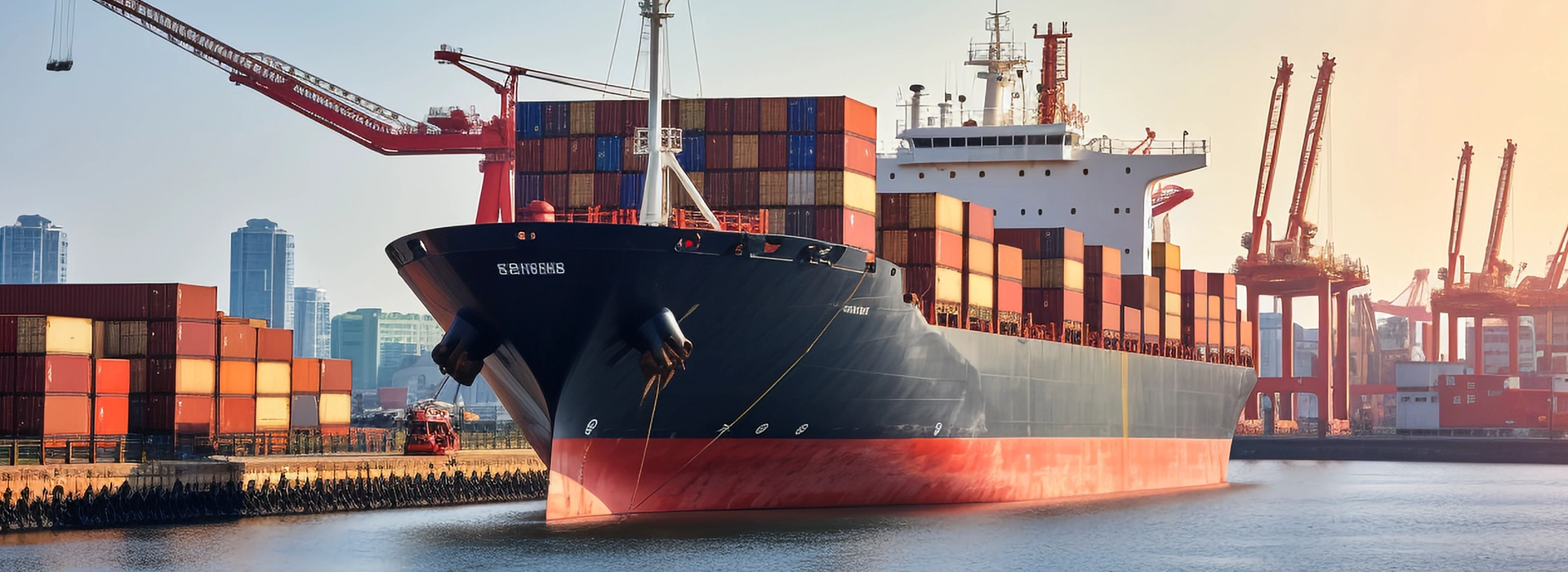
The Philippine Ports Authority (PPA) recently announced new port operation regulations for the fourth quarter of 2026, focusing on the peak season transportation guarantee of Manila International Container Terminal (MICT) and South Port. By strictly implementing the accelerated return of empty containers, dynamically optimizing the scheduled arrival system (TABS), and extending the container yard operation window, the yard utilization rate in major port areas has stabilized at around 68%, effectively preventing the risk of port pressure during the year-end shipping peak, and fully ensuring the smooth flow of the transnational supply chain.

1. Policy background and latest notifications
As the traditional peak season for foreign trade shipments in the fourth quarter and the year-end consumption node in Southeast Asia approach, the Philippine Ports Authority (PPA), together with the operators of the Manila International Container Terminal (MICT) and major shipping companies, have officially launched a series of special measures to ensure smooth flow and optimize transportation in the core port area of Manila. According to the latest operating briefing released by PPA, thanks to the in-depth application of cross-departmental collaborative governance and digital dispatching systems, the overall operation of the Metro Manila Port Area has remained high and stable, and there has been no regional congestion or large-scale port stagnation.
The PPA emphasized that the Philippines’ foreign trade cargo throughput showed steady growth in the first three quarters of this year, especially the surge in import demand for consumer goods, electromechanical components and raw materials from major manufacturing hubs in Asia. In order to prevent the common problems of yard saturation and slow truck turnover in the fourth quarter of previous years, regulatory agencies and port operators launched early warning mechanisms in advance, focusing on precise regulation of the clearance of overdue heavy containers, centralized transportation of empty containers, and truck reservation quotas.
2. Overview of core port operation indicators
The latest statistics show that the current yard utilization rate and berthing operation efficiency of the Manila International Container Terminal (MICT) are within a healthy and controllable range:
| Operational indicators | Latest performance in Q4 2026 | Industry warning line/benchmark value | Operation status assessment |
|---|---|---|---|
| MICT Yard Utilization | 68.2% | 75.0% | It is within the safe green line range and has ample storage margin. |
| Average container detention time (Dwell Time) | 5.1 days | 7.0 days | Turnover efficiency increased by approximately 14% year-on-year |
| Crane Moves/Hour | 28.5 times | 25.0 times | Berth loading and unloading operations maintain efficient operations |
| Foreign trade container throughput year-on-year growth (YoY Growth) | +5.4% | +3.0% | Import and export trade demand is strong |
| TABS inbound appointment fulfillment rate | 94.8% | 88.0% | The queuing time for collecting cards at the gate is significantly reduced |
3. Digital dispatch and empty container accelerated circulation mechanism
In response to the pain points of "difficulty in returning boxes and slow pick-up" that have been widely concerned by cargo owners and freight forwarding companies, PPA has strengthened the following two key points in this round of policies:
- Dynamic expansion of reservation system : Implement time-based dynamic quota management for the Terminal Reservation System (TABS), open more free reservation quotas at night and off-peak hours, guide trucks to enter and exit the port at off-peak hours, and stabilize daytime traffic peaks.
- Hard restrictions on empty container return shipping: Urge all international liner companies to speed up the transfer of empty containers in the yard to designated peripheral yards or arrange for overtime ships to be transported out of the country, and strictly restrict the overdue storage of empty containers in terminals to occupy public resources.
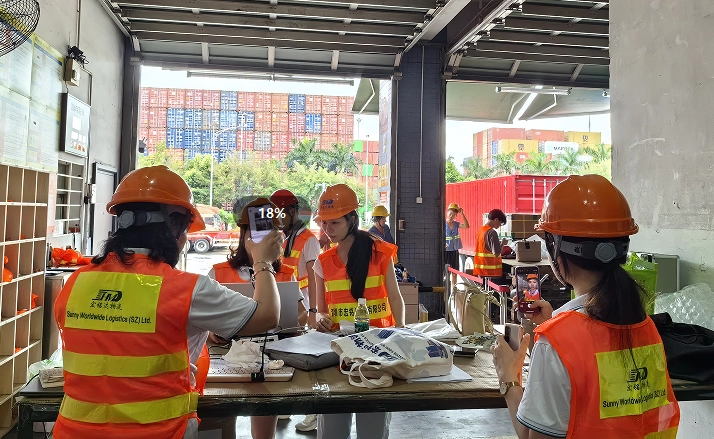
4. International logistics practical suggestions (Sunny Worldwide Logistics observations and tips)
statement : The following content is Shenzhen Hongmingda Logistics Co., Ltd. (Sunny Worldwide Logistics) Practical suggestions provided based on front-line operational experience are designed to help foreign trade companies smoothly cope with peak season shipments:
- Reserve shipping schedule and declaration window in advance: It is recommended that goods sent to Manila (Manila North / Manila South) lock the space 7-10 days in advance, and complete the bill of lading verification and customs clearance document preparation as soon as possible after shipment to ensure that the pre-declaration is completed before the goods arrive at the port.
- Pay attention to the exemption of demurrage and demurrage at the destination port (Demurrage & Detention): It is recommended that shippers and consignees work closely together, try to apply to the carrier for a container-free period of more than 14 days at the destination port, and complete customs clearance and delivery within 48 hours after the container is unloaded to avoid additional warehouse rent and container rent due to tail-end delivery delays.
- Optimize packaging and container stowage : For heavy cargo and less than container load (LCL) cargo, be sure to strictly check the piece weight and shipping mark information to ensure that the documents are consistent with the actual goods to avoid unnecessary detention due to secondary inspection by customs.