










Manila Port Collaborative Governance: AISL and ICTSI join forces to rectify overdue heavy containers to relieve yard pressure
The International Liner Association of the Philippines (AISL) and the International Container Terminal Services Inc. (ICTSI) launched emergency consultations on the issue of overdue detention of heavy containers at the Manila International Container Terminal (MICT), urging importers to speed up picking up the containers. At the same time, the Philippine Ports Authority (PPA) is actively promoting the construction of peripheral empty container yards, and the Bureau of Customs (BOC) Joint Administrative Order (JAO) is about to be signed, and multiple parties are working together to ensure the smooth flow of the port and the stability of the supply chain.
1. Core measures and multi-party collaborative consultation
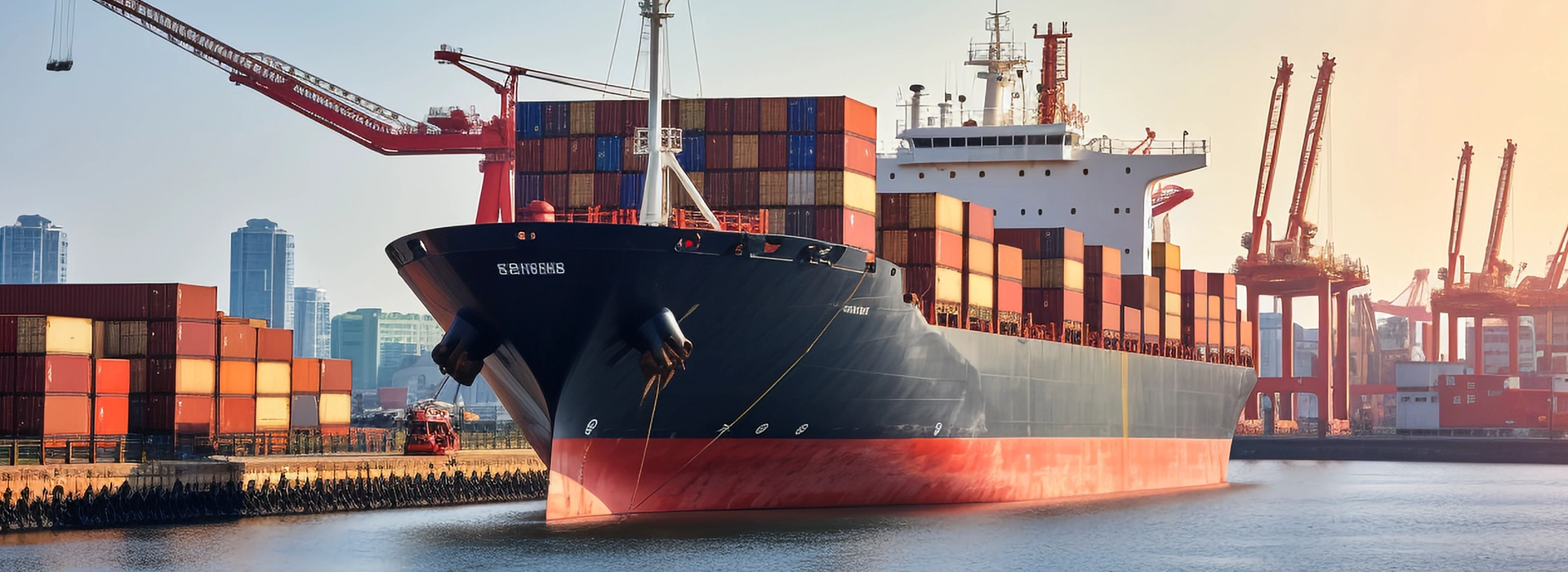
As Southeast Asia’s traditional trade peak season approaches at the end of the year, the Philippines’ core hub ports are once again experiencing peak cargo volumes. In order to ensure the overall operational efficiency of the Manila port area, the Association of International Shipping Lines (AISL) of the Philippines recently held special operations discussions with the operator of the Manila International Container Terminal (MICT), the International Container Terminal Services Inc. (ICTSI). This meeting focused on solving outstanding problems such as overdue detention of imported heavy containers, high yard utilization, and blocked container transportation. It aimed to formulate practical collaborative measures to ensure the efficient operation of port terminal operations and end-to-end logistics chains.
AISL said it is crucial to establish a regular communication mechanism with terminal operators on behalf of major international container liner companies. In addition to MICT, AISL plans to hold further consultations with Manila South Harbor operator Asian Terminals Inc. (ATI) and the Philippine Intermodal Transport and Logistics Association in the near future to systematically investigate supply chain breakpoints from the perspective of the entire Metro Manila port area ecology.
2. The knock-on impact of stranded heavy containers on yard utilization
During this multi-party discussion, the heavy imported containers had not been lifted out of the port area for a long time, which was confirmed to be a key factor affecting the utilization rate and throughput efficiency of the terminal yard. A large number of containers that have completed customs declaration or are blocked in customs clearance occupy valuable terminal front and yard space, directly reducing the operating buffer margin for newly arrived ships to unload import boxes and load export boxes.
The Commissioner of the Philippine Bureau of Customs (BOC) clearly pointed out in a special instruction issued earlier that delays in lifting heavy import containers will not only aggravate local congestion at the terminal, but also reduce the turnover efficiency of berth operations and have a negative "domino effect" on the entire port logistics system. ICTSI and ATI have previously jointly issued an appeal to cargo owners and importers, urging relevant parties to organize fleets to pick up boxes immediately after the goods have completed customs release procedures to avoid using container terminals as low-cost storage locations.
3. Empty container return dilemma and peripheral storage yard planning
In addition to stranded heavy containers, container truck drivers’ difficulty in returning empty containers is another major pain point plaguing logistics in Metro Manila. Since the storage capacity of empty container yards around the port area is saturated all year round, truck fleets often encounter yard rejections, resulting in trailers being occupied by empty containers for a long time and unable to undertake new heavy container lifting tasks.
In response to this structural problem, Jay Santiago, general manager of the Philippine Ports Authority (PPA), pointed out that the establishment of more exclusive empty container yards by foreign-owned liner companies outside Metro Manila is the fastest and most effective solution at present. The PPA recommends expanding the location of empty container depots to industrial and logistics corridors such as Valenzuela, Bulacan, Cavite and Laguna around Metro Manila. However, who bears the additional trailer transportation costs incurred by transporting empty containers to peripheral yards is still the focus of the current game between shippers, freight forwarders, fleets and shipping companies.
4. Implementation of regulatory policies and progress of the Joint Administrative Order (JAO)
In order to eradicate port congestion and standardize charging order from the institutional level, the Philippine government is accelerating the implementation of high-level cross-departmental policies. The Joint Administrative Order (JAO) drafted by the Bureau of Customs (BOC) has entered the final countersigning stage and is waiting for the official signature of the relevant cabinet ministers.
The "Joint Administrative Order" aims to set unified standards for the use of port yards and the transparency of loading and unloading charges for customs third-party logistics and related service providers, comprehensively curb unreasonable surcharges, and improve empty container turnover efficiency. The PPA emphasized that before the JAO is officially implemented, all port regulatory agencies will maintain close collaboration and minimize port congestion risks through transitional measures such as dynamically regulating berth allocation and optimizing the gate reservation system.
5. Industry Impact and Freight Supply Chain Response Suggestions
The operational efficiency of the Manila hub port is directly related to the performance timeliness of China-Philippines routes and global trans-Pacific and Southeast Asian routes. Industry experts suggest that import and export companies and cross-border supply chain participants facing the Philippine market should focus on the following operational points:
- Complete document pre-review in advance : Importers should complete the bill of lading, commercial invoice, packing list and special license before the ship arrives at the port to shorten the customs review and release cycle;
- Develop a quick evacuation plan : Complete container truck dispatching and heavy container lifting within 24-48 hours after release to avoid port demurrage and additional storage late fees;
- Closely follow empty container return guidelines : Check the latest designated empty container yard location with the carrier in real time, rationally plan driving routes for picking up and returning containers, and ensure supply chain turnover resilience during peak seasons.