

Philippines NAIA Air Freight Backlog Clearing, Satellite Cargo Terminal Expansion Operations
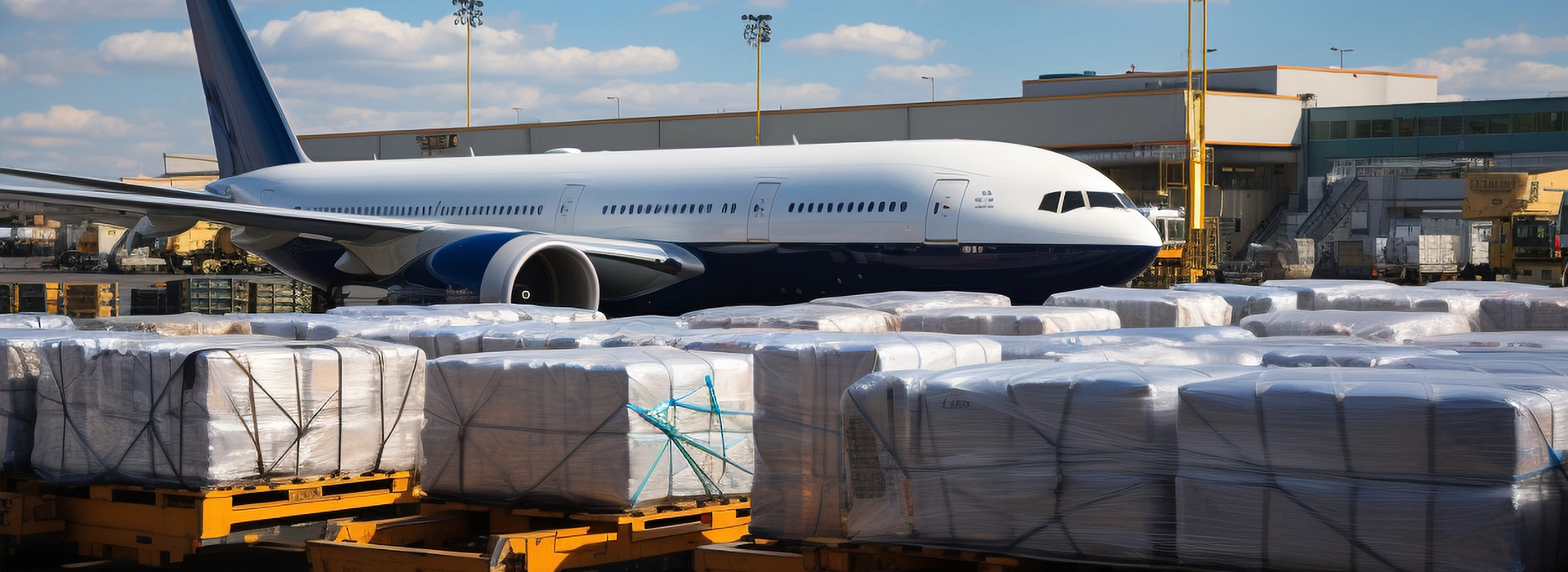
Philippines NAIA air cargo backlog is easing. Paircargo launched its customs-approved satellite cargo terminal on August 1 and announced that approximately 2.36 million kilograms of previously overstocked cargo had been sorted out and could be released according to procedures. This expansion highlights the value of warehousing, customs clearance coordination and backup nodes to the stability of cross-border logistics in the Philippines.
The Philippine international cargo network has recently ushered in an important development: the air cargo backlog at Manila's Ninoy Aquino International Airport (NAIA) has entered the clearing stage. The cargo handling company People's Air Cargo & Warehousing Co., Inc. (Paircargo) officially opened the Paircargo Satellite Cargo Facility (PSCF) satellite cargo terminal on August 1, 2026, and announced the resumption of operations on August 3.
According to PortCalls Asia, as of August 1, Paircargo had processed its previous backlog of approximately 2.36 million kilograms of cargo. These goods have been inventoried, separated and stored in an orderly manner, and are eligible for release after the consignee completes customs and document requirements. The report also mentioned that about 2.954 million kilograms of goods that were still awaiting release on July 27 were subsequently sorted and transferred. Paircargo said it has resumed normal operations and continues to process cargo for ongoing flights.
This backlog is related to changes in NAIA warehousing resources. There has been a reallocation of cargo at the airport following the closure of Philippine Skylanders International (PSI) facilities; the Miascor cargo terminal had previously ceased operations. With the capacity of many cargo terminals limited, Paircargo and Cargohaus have become the main customs-supervised warehouses serving many airlines. Since Paircargo has direct access to the airport and is responsible for a considerable part of NAIA's air cargo volume, the concentration of cargo volume has put forward higher requirements for warehousing, dismantling, customs declaration, pickup and on-site dispatch.
The activation of PSCF is one of the core measures of this recovery work. The satellite cargo terminal is a customs-supervised warehouse approved by the Philippine Bureau of Customs (BOC) and can provide services such as cargo unpacking and assembly, customs-supervised storage, cargo processing, release operations, and refrigerated storage. Paircargo said the satellite facility has expanded processing capacity during the recovery period and will also serve as part of NAIA's long-term cargo network. Reports show that after cooperating with the main warehouse, PSCF is expected to handle approximately 24.24 million kilograms of cargo per month, providing a greater operational buffer for airlines, freight forwarders, importers, customs brokers and logistics service providers.
From an operational perspective, this incident brings several clear lessons to Philippine cross-border freight players. First, airport warehousing is not just a storage space, but a key node connecting airlines, customs, freight forwarders, importers and consignees. Insufficient warehouse capacity often translates quickly into pickup delays, document backlogs, truck waits and customer delivery pressures. Second, backup storage nodes can reduce the risk of outage of a single facility. Satellite facilities with scalable space can help keep cargo moving when warehouses close, flights resume, or peak season volumes increase. Third, recovery efficiency depends on the collaboration of multiple parties. Paircargo mentioned that it has strengthened coordination with customs, airlines, freight forwarders, customs brokers, logistics providers and airport operators during its processing, and has taken measures such as 24-hour release, adding equipment, optimizing cargo flow lines, and expanding storage space.
For shippers and traders shipping from China to the Philippines, improved NAIA freight conditions do not mean program management can be ignored. Before shipping, airline cabins, airport cargo terminal arrangements, import documents, commodity supervision requirements, consignee information and customs clearance responsibilities should still be confirmed. For goods that are time-sensitive, require cold chain, or have special operational requirements, it is particularly important to confirm the warehousing and release process in advance. For maritime cargo, overall planning should be carried out based on the destination port, shipping schedule, land transportation connection and customs clearance resources, and you cannot just compare a single freight rate.
Overall, the clearance of the NAIA air freight backlog and the opening of the satellite cargo terminal reflect that the Philippine logistics industry is improving supply chain resilience by increasing warehousing capacity, optimizing cargo flow lines, and strengthening customs collaboration. For cargo owners, choosing a freight forwarder that can coordinate sea transportation, air transportation, land transportation, customs clearance, warehousing and exception handling can help to promptly switch plans when there are fluctuations at the port or airport, reduce the risk of delays, and maintain visual management from shipment to end delivery.
FAQ
Q1: Are you a real freight forwarder or just a middleman agent?
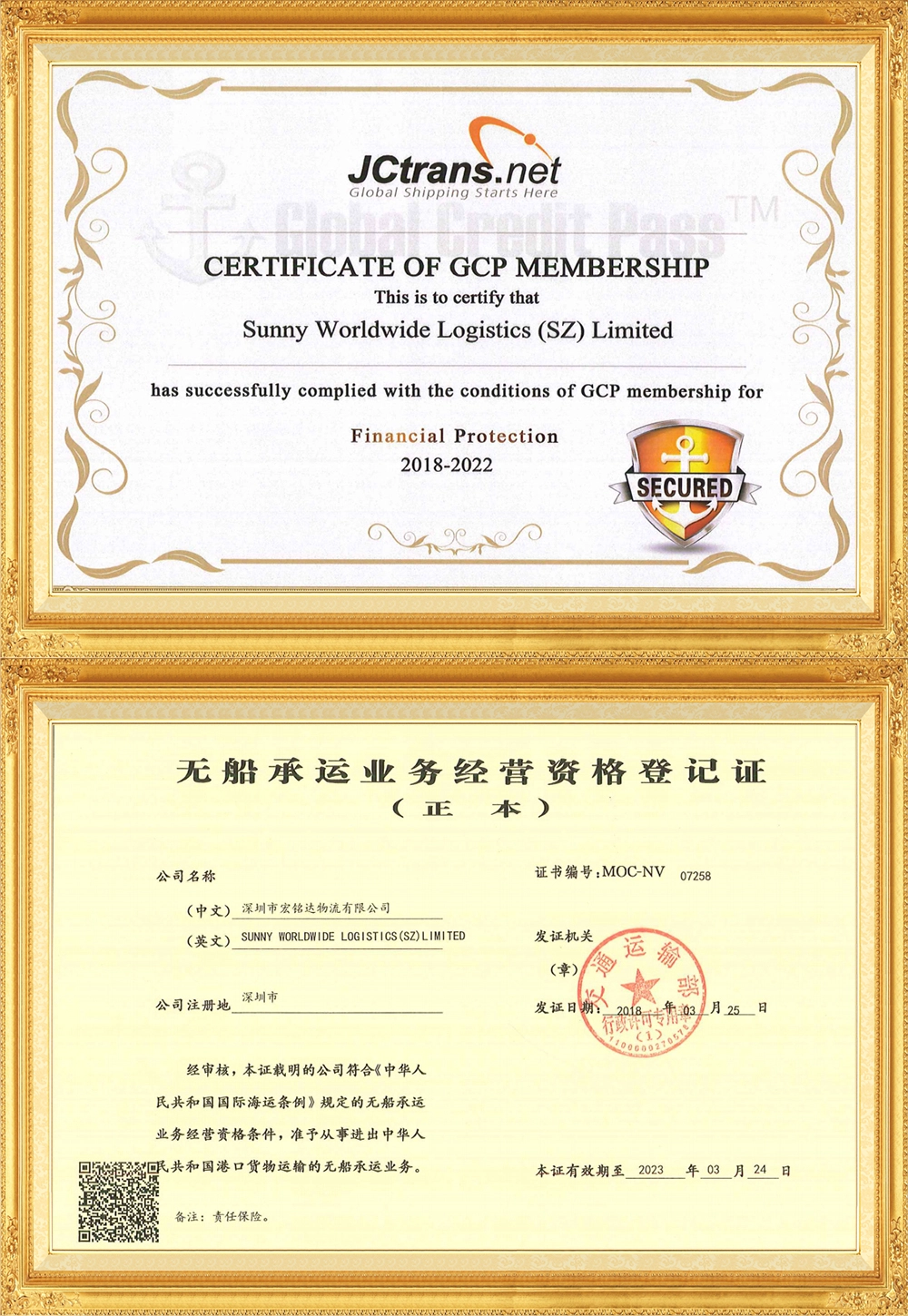
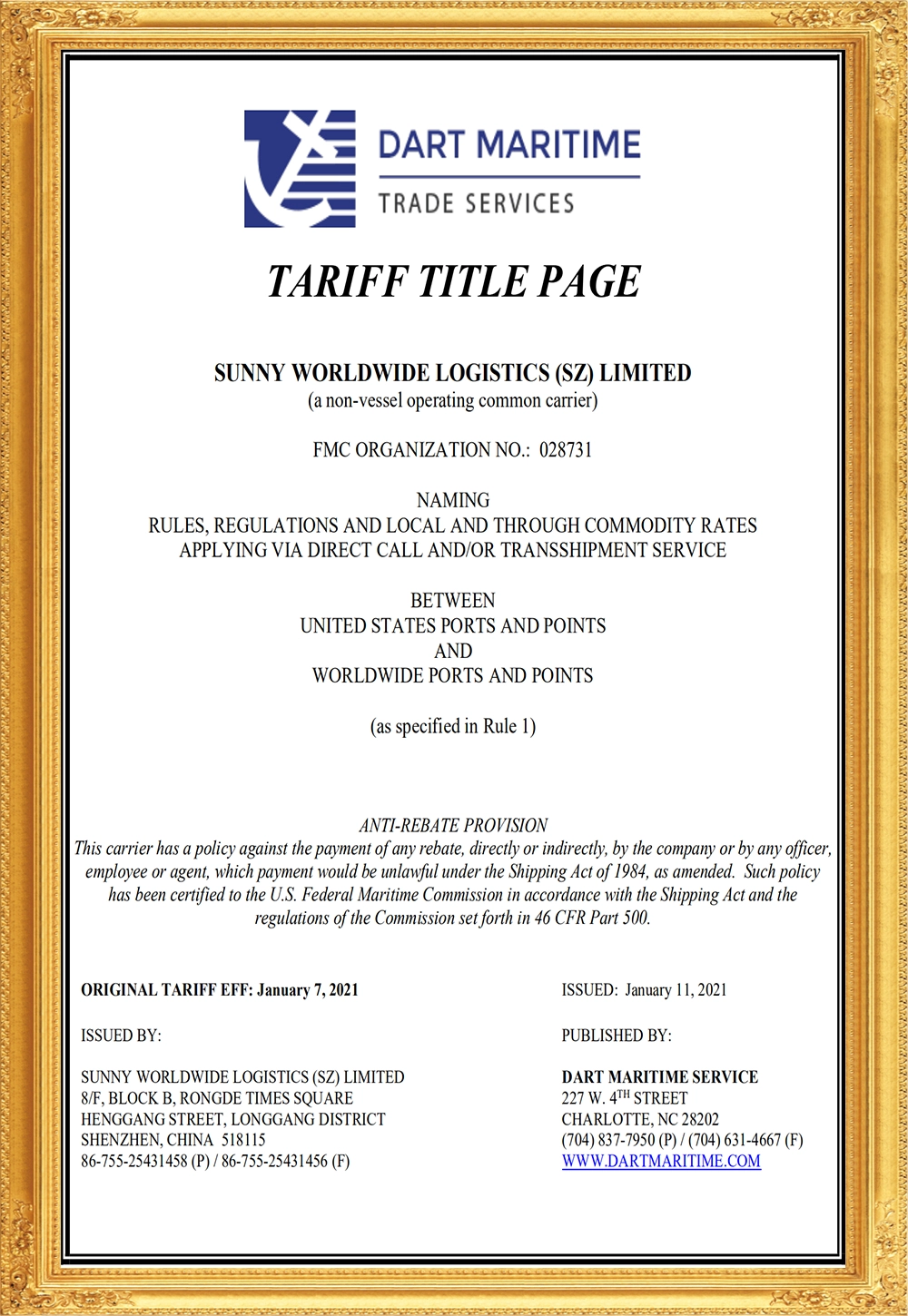
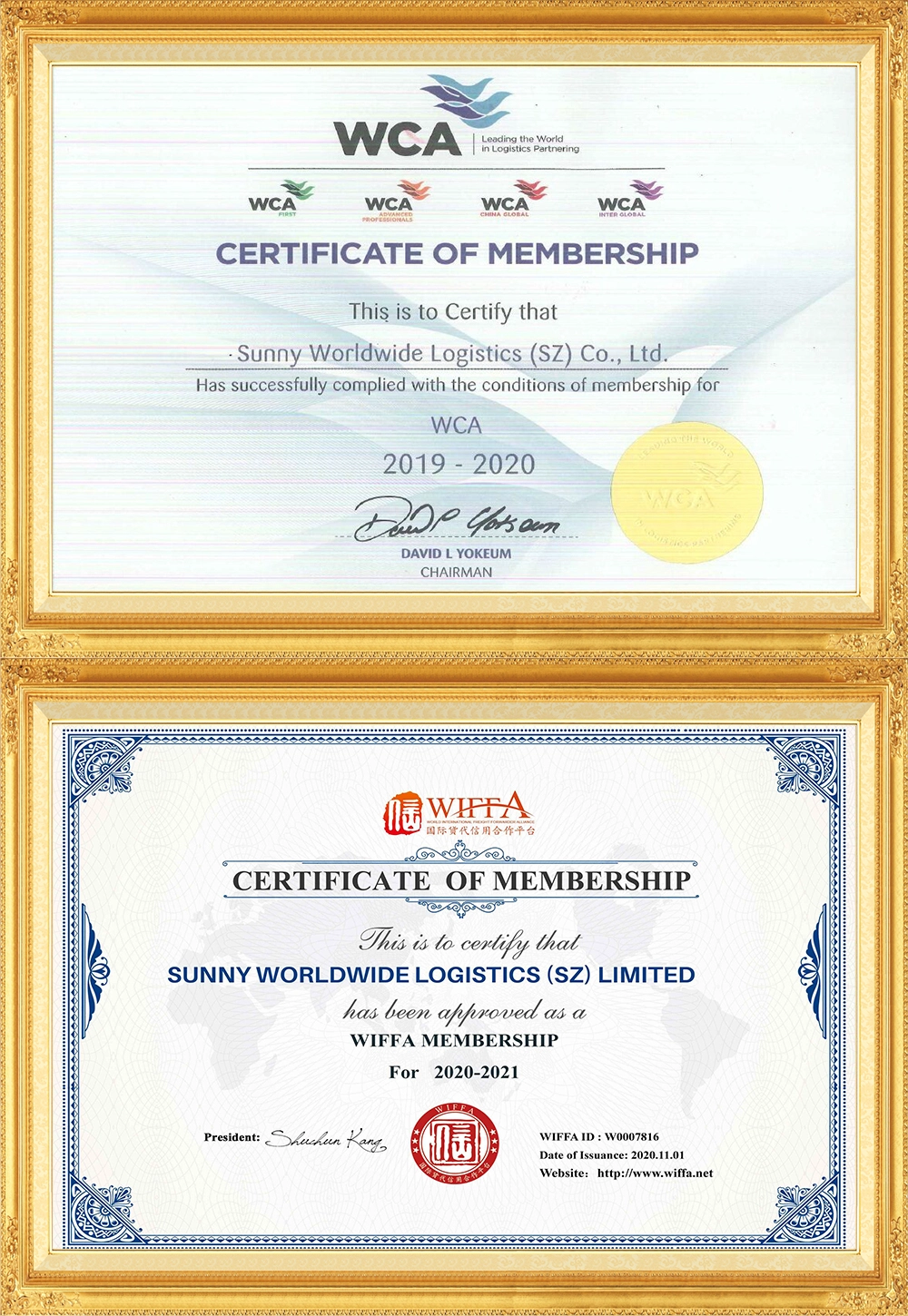
A: We are a direct international freight forwarder, not an agent. Sunny Worldwide Logistics was founded in 1998 — with 27 years in shipping, we know every pitfall in freight and how to avoid them.
Q2: Do you have your own warehouse near the port?
A: Yes. We own an exclusive foreign-trade warehouse at Yantian Port — only 3 companies among 60,000+ forwarders in Shenzhen can say that. Your cargo is stored and loaded in our own facility, not handed to a third party.
Q3: Do you have your own trucks for pickup?
A: Yes, we operate our own fleet of container trucks, available on call — no waiting for outsourced trucking, which makes us one of the fastest in pickup among Shenzhen forwarders.
Q4: How long have you been in freight forwarding? Is your company reliable?
A: Since 1998, 27 years. We own a 1,800㎡ Grade-A office building in Longgang, Shenzhen — few forwarders in the city can match that strength.
Q5: What shipping services do you offer from China?
A: One-stop service: sea freight (FCL/LCL), air freight, railway, land trucking, customs declaration, warehousing, cargo inspection, container loading supervision, fumigation, and cargo insurance.
Q6: Can you pick up goods from my suppliers in Yiwu, Guangzhou or other cities?
A: Yes. We collect cargo from suppliers across China and consolidate it at our warehouse before shipping — with loading photos provided before departure.
Q7: Which countries do you ship to?
A: Worldwide — America, Europe, Australia, Middle East, Africa, Latin America. If there's a port, we can get your cargo there.
Q8: How can I get a shipping quote from China?
A: Send us your cargo details (type, volume/weight, destination) via:
📧 Email: logistics01@swwlogistics.com.cn
💬 WhatsApp/WeChat: +86-15323861694 (Lily)
📞 Tel: 0755-25643421
🌐 Rate inquiry: swwlsrates.com
Q9: Where is your company located? Can I visit your office?
A: 8th Floor, Block B, Rongde Times Square, Henggang, Longgang District, Shenzhen. Clients are welcome to visit.
Q10: Do you have any guarantee if something goes wrong with my shipment?
A: We take full responsibility for every shipment under our control — except force majeure (natural disasters). 27 years of zero-escape reputation backs every booking.