



- Browse Categories
- Air Freight
- Sea Freight
- Contact Us
-
TEL:+86-755-25643417
Fax: +86 755 25431456
Address:Room 806, Block B, Rongde Times Square, Henggang Street, Longgang District, Shenzhen, China
Postcode: 518115
E-mail: sales1@swwlogistics.com.cn Contact Now
- Logistics Services






- News CenterMore>>
-
- The Philippine Ports Authority released the latest freight growth report: the throughput of national ports reached a new high, and digital and intelligent upgrades accelerated the construction of regional trade hubs.
- Philippine ports’ container throughput will grow steadily in 2026 and digital customs clearance will accelerate
- In the first half of 2026, Philippine port container throughput reached 4.3 million TEUs, a year-on-year increase of 2.8%
- Philippine Ports Authority and Port of Antwerp-Bruges sign five-year modernization cooperation agreement
- PAL Cargo joins hands with Teleport to expand e-commerce air cargo in the Philippines
- Philippines ships 1 ton of mangoes to Vancouver to expand Canadian market
- Philippine domestic trade shipping capacity expands, Aznar cargo business grows strongly
- Philippine Customs plans to sign port congestion control order in September
- Philippines tightens air cargo dangerous goods penalty rules
- Philippine international air cargo volume increased by 15.4% in the first half of the year
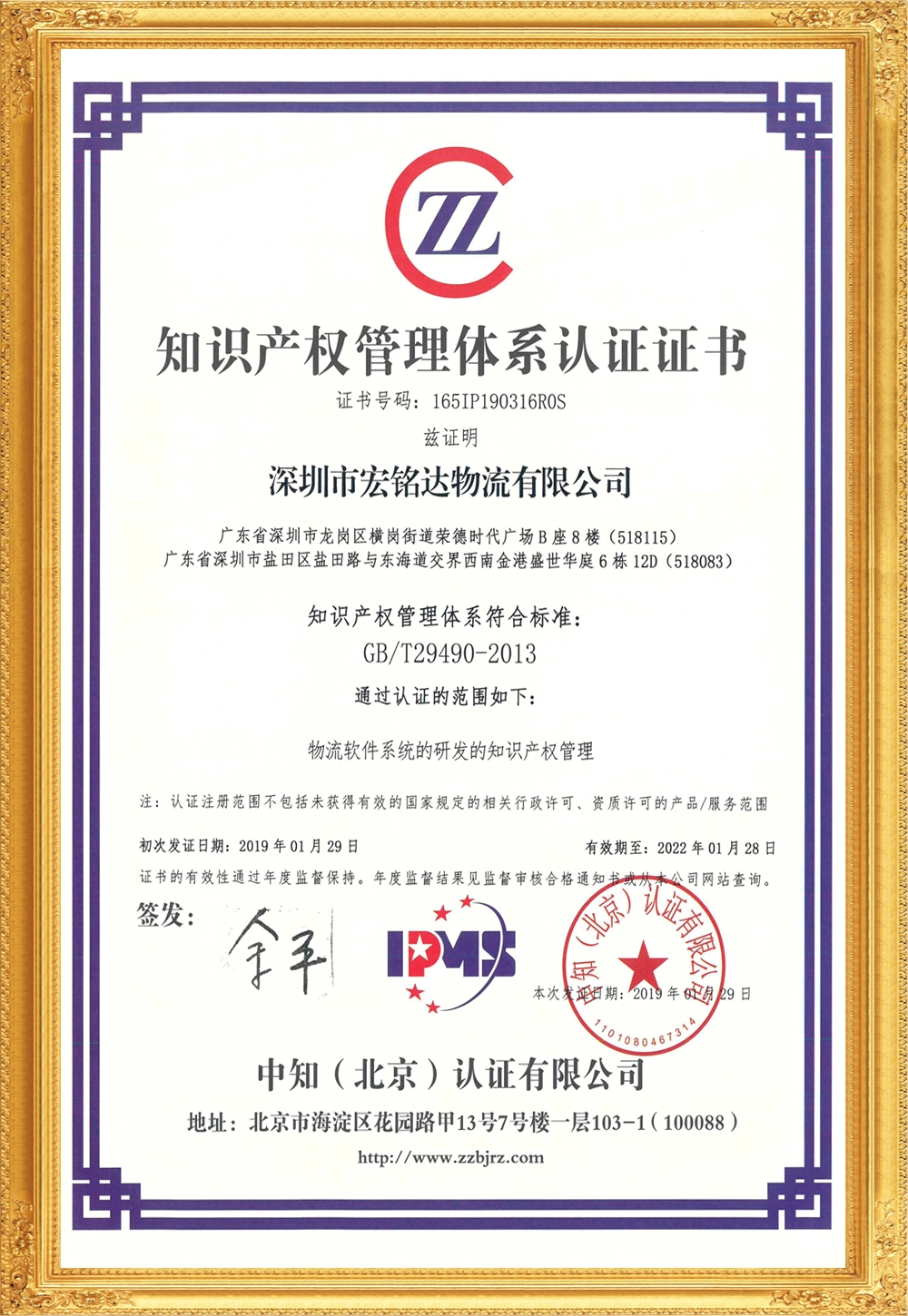
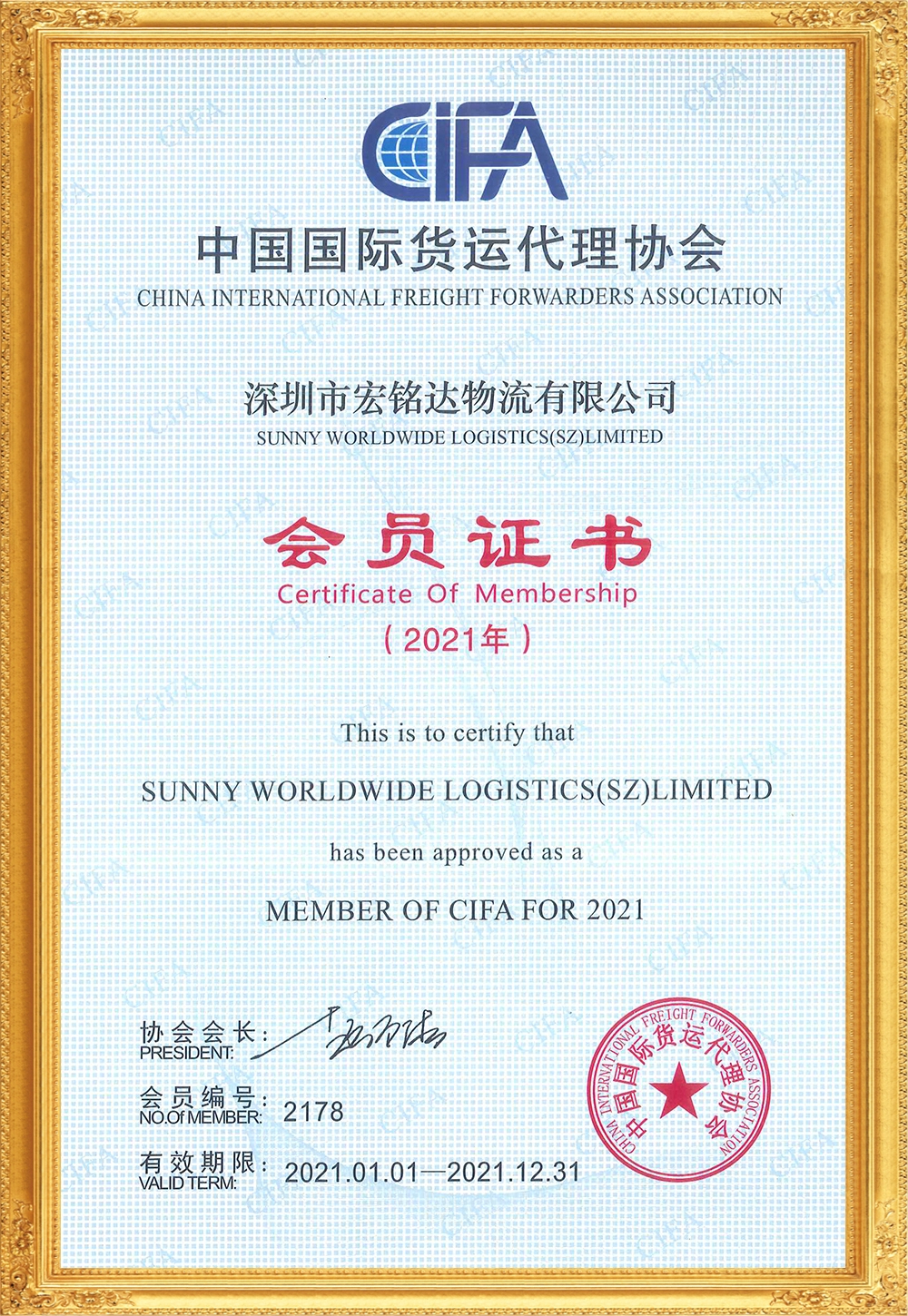
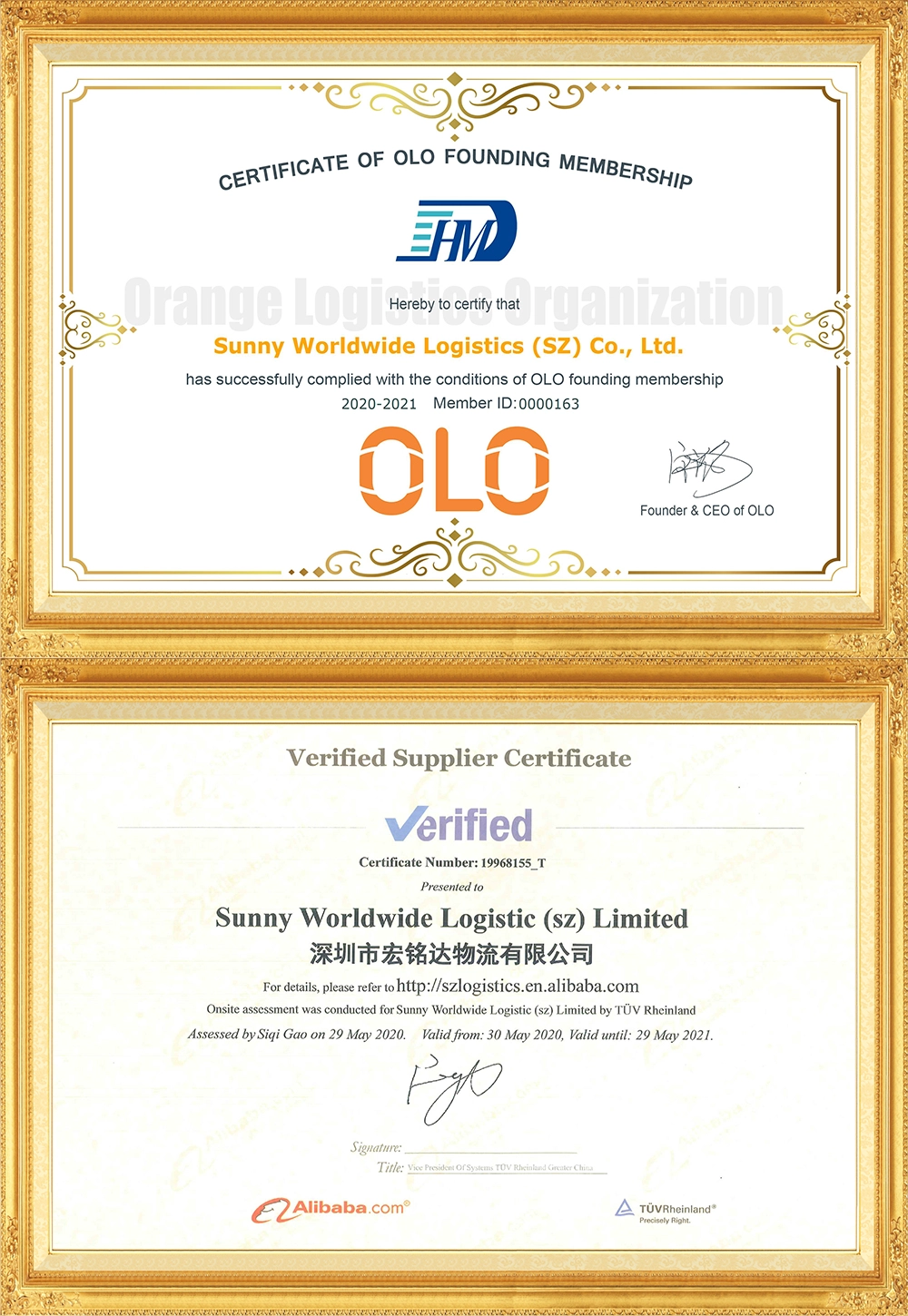
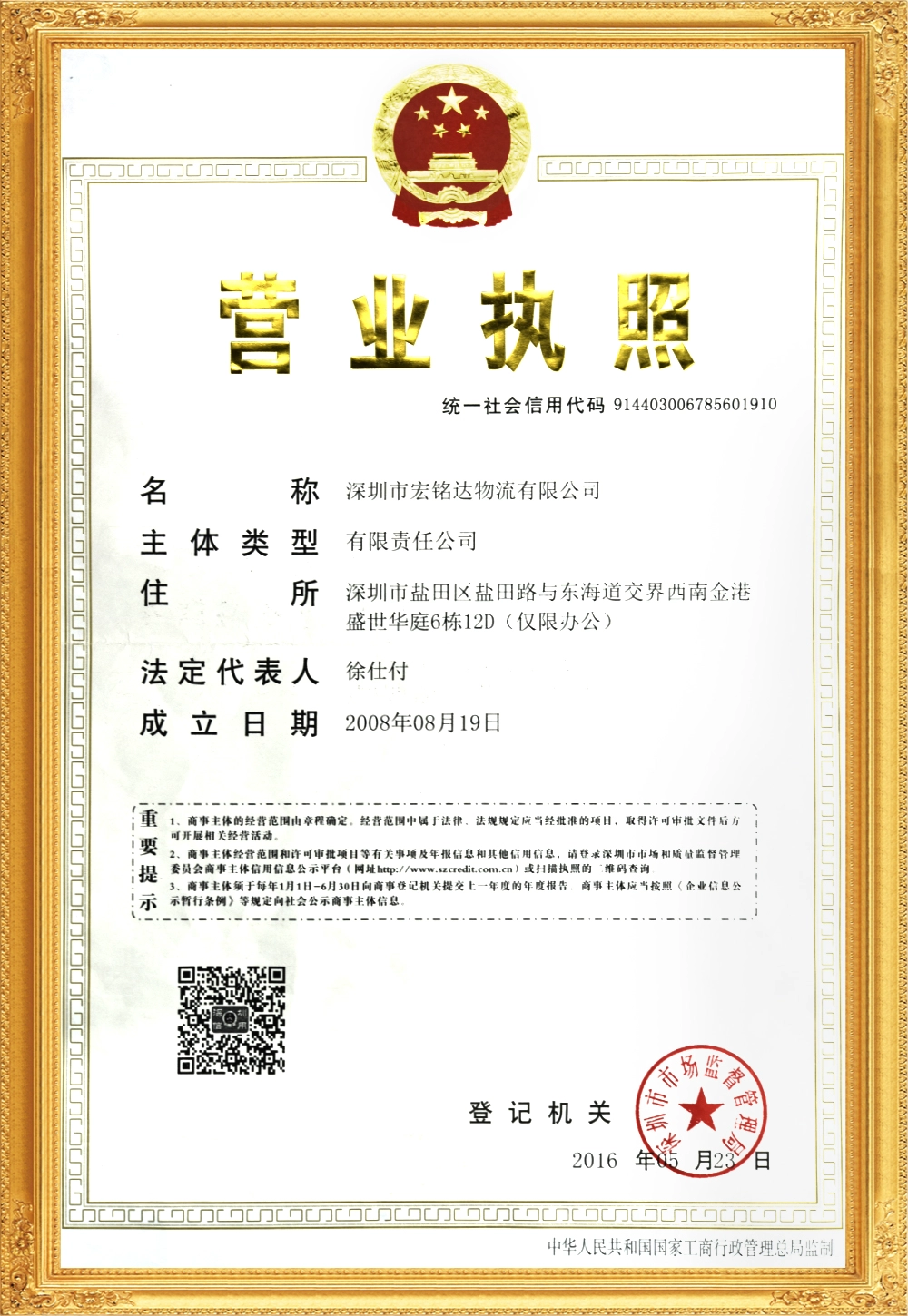
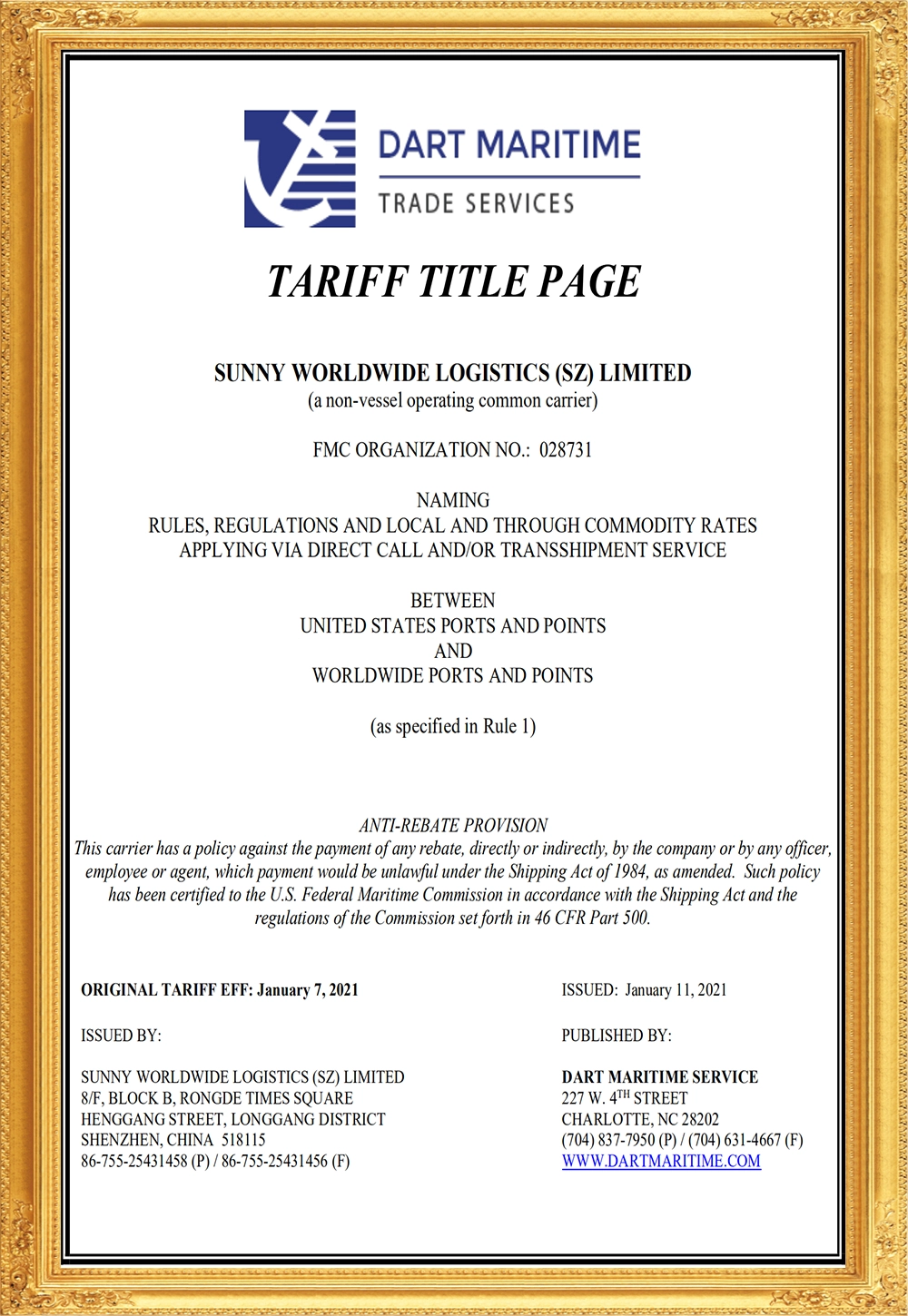
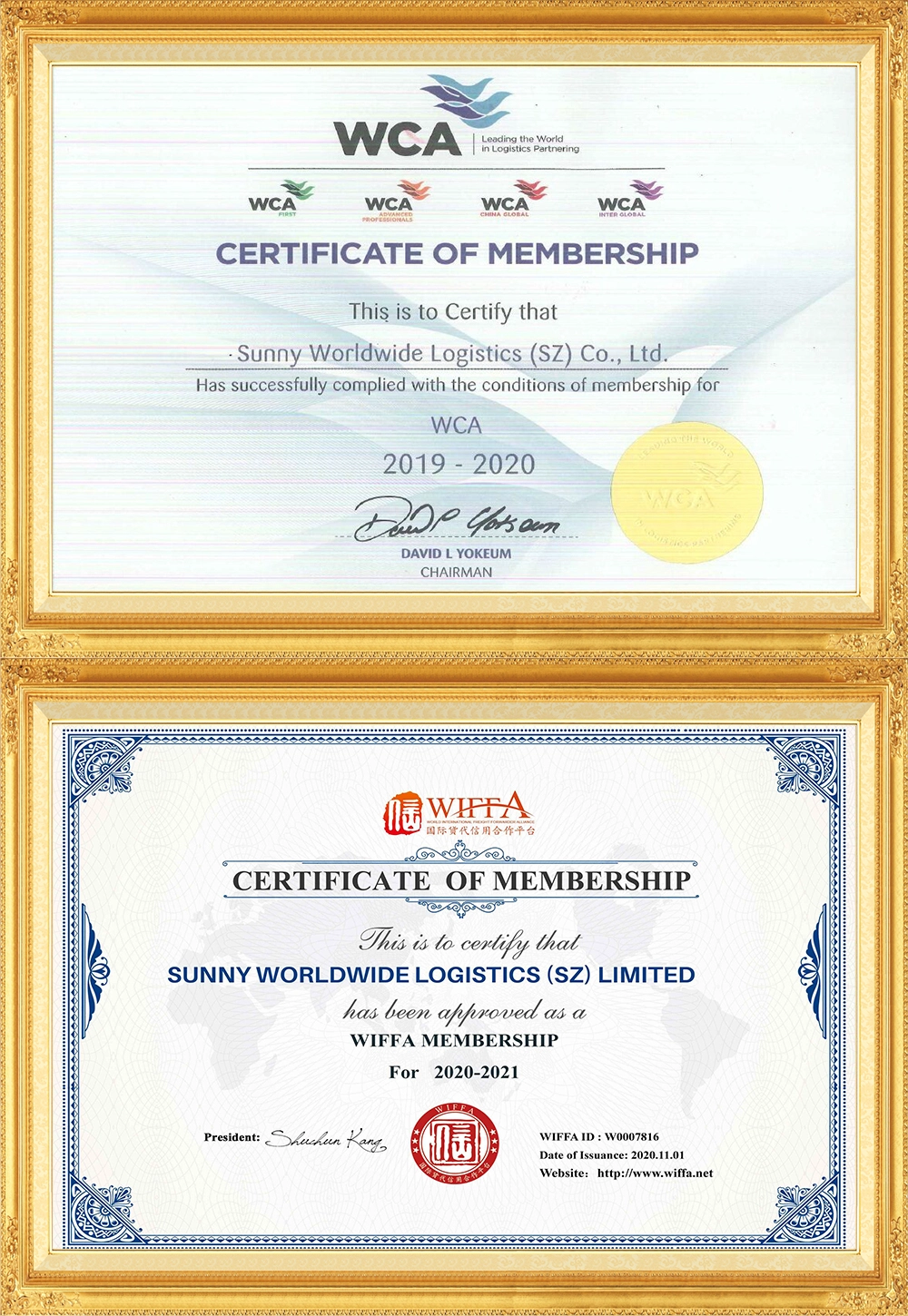
- Certifications
-




- Follow us
- Subscribe
-
Get email updates on new products


Plastic Packaging Tax Philippines 2026 | DDP Shipping from China Product Subtitle
- Place of Origin:China
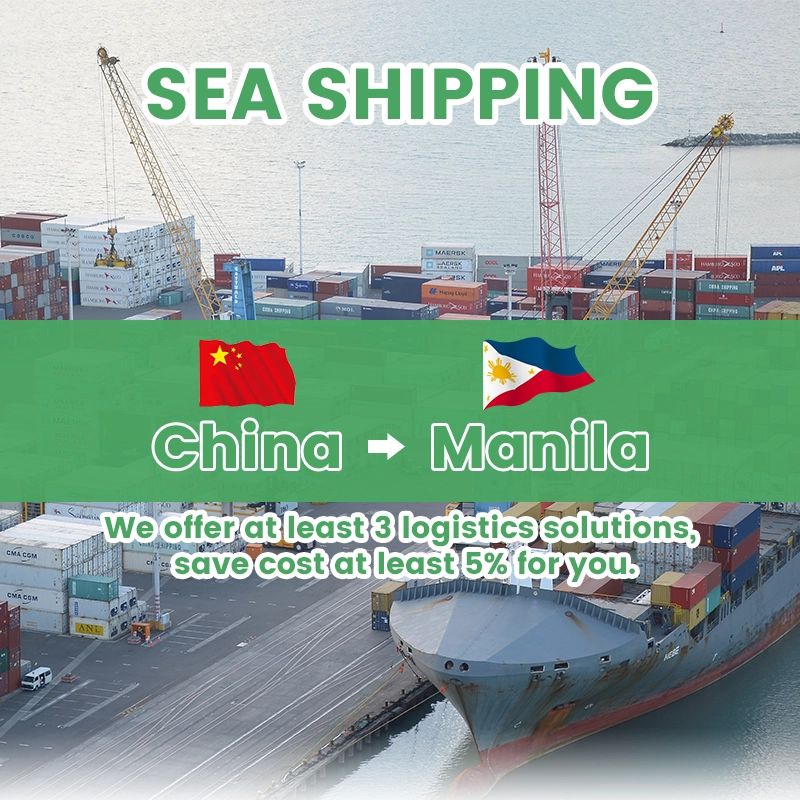
- Departure Country/Region:CHINA (Guangzhou / Shenzhen / Shanghai)
- Destination Country/Region:PH (Philippines - Manila, Cebu, Davao)
- Transit Time (Days) Sea:15 Days (Manila) / 25 Days (Cebu & Davao); Air: 3-5 Days
- Shipping Method:DDP Door to Door (Sea & Air Freight)
- Cargo Type:Consumer goods in plastic packaging - FMCG, food, personal care, household
Plastic Packaging Tax Philippines 2026 | A Filing Guide for China–Philippines Shippers
Two different plastic rules are being discussed in the same breath, and importers are budgeting for the wrong one. A plastics excise tax is still moving through Congress as a bill. A plastic packaging recovery obligation is already law, its 2026 target has stepped up, and the environment department has begun sending letters to companies it believes are behind.

Sunny Worldwide Logistics has moved cargo on the China–Philippines lane for more than 20 years. We are freight forwarders, not tax counsel, and nothing here is a filing position — but we do see the documents, and we can tell you which ones will matter.
The Two Rules Importers Are Conflating
The first is a proposed excise tax on single-use plastic bags. It is not law today. Nine House bills and a separate Senate bill currently propose a per-kilogram excise on plastic bags, at rates that have not been reconciled between the two chambers. An earlier House version cleared third reading in the previous Congress and lapsed without enactment. Committees have heard industry objections on cost pass-through, and the proposal remains under deliberation.
The second is the Extended Producer Responsibility Act of 2022, Republic Act No. 11898, which amended the Ecological Solid Waste Management Act of 2000. This one is in force, it is binding now, and it is the one that will actually cost an importer money in 2026 if it is ignored.
What Is Actually Binding in 2026
Who the Obligation Falls On
RA 11898 captures large enterprises — broadly, businesses whose total assets exceed the medium-enterprise threshold, commonly referenced as above PHP 100 million, excluding the land on which the office, plant or equipment sits. Brand owners, manufacturers and importers can all be covered. MSMEs are generally not obliged, but related entities carrying the same brand, label or trademark can be aggregated, and that is where smaller importers are sometimes surprised.
The Recovery Target Ladder
Obliged enterprises must recover or offset a rising share of the plastic packaging footprint they placed on the market in the preceding year:
| Compliance date | Recovery target |
|---|---|
| 31 Dec 2023 | 20% |
| 31 Dec 2024 | 40% |
| 31 Dec 2025 | 50% |
| 31 Dec 2026 | 60% |
| 31 Dec 2027 | 70% |
| 31 Dec 2028 onward | 80% |
What Packaging Is in Scope
Sachets, labels and laminates, including multi-layer flexible packaging; rigid containers, caps and lids; plastic bags used to carry goods at the point of sale; polystyrene; and disposable food service items such as cutlery, plates and straws.
Two accounting rules matter more than they look. Rigid and flexible plastic footprints are tracked separately — recovered flexible packaging generally cannot offset a rigid obligation, or the reverse. And "recovery" is broader than recycling: DENR's implementing rules accept container reuse, mechanical and chemical recycling, co-processing in cement kilns, waste-to-energy, and in specified circumstances sanitary landfill, alongside footprint-reduction measures such as refill systems, packaging redesign and recycled content.

Reporting and Audit
Obliged enterprises file an annual compliance report, and an independent third-party auditor must certify the reported footprint, recovery data and program compliance. DENR Administrative Order No. 2024-04 set the reporting and audit guidelines. This is a data exercise, not a narrative sustainability page: packaging weights, supplier records and diversion certificates all have to reconcile.
Enforcement Has Started
On 20 August 2026 the Presidential Communications Office announced that DENR had issued 155 show-cause letters to potentially obligated enterprises suspected of missing their requirements, and confirmed it is auditing reported recovery rates. DENR also clarified that receiving a show-cause letter is not itself a finding of violation or a penalty.
The sector's aggregate numbers were not the problem in 2024: audited recovery reached 59.98% for rigid plastics and 56.33% for flexible plastics against a 40% requirement. The regulator's stated concern is company-level performance as the targets climb.
What Non-Compliance Costs
Fines run PHP 5–10 million for a first offence, PHP 10–15 million for a second, and PHP 15–20 million for a third, with suspension of the business permit until compliance on the third. Where the failure is specifically a missed recovery target, the penalty can instead be twice the cost of recovering and diverting the shortfall — whichever figure is higher.
Where a Freight Forwarder Fits, and Where We Do Not
The Obligation Is Not Ours
Registration, footprint calculation, program design and the audited annual report belong to the obliged enterprise. No forwarder can file an EPR report on your behalf, and any that offers to should be treated with caution.
The Data Starts at Loading
What we can do is capture evidence at the point where it is cheap to capture. Your packing lists carry carton, film, strapping and pallet weights shipment by shipment. When you build your plastic packaging footprint, that loading-level record is part of the trail you will need — and it is far easier to collect at the port than to reconstruct from supplier emails twelve months later under audit. We keep shipment records accessible through our own warehouse system precisely so this is retrievable.
Declaration That Matches the Container
We declare the goods as they are. Under-declaring packaging or commodity to reduce a landed cost is not a service we offer, and on regulated categories it converts a paperwork problem into an enforcement problem. Our China to Philippines DDP shipping is priced to cover duties and taxes honestly rather than to arbitrage them.
Consolidation Without a Paper Trail of Six Suppliers
Multiple suppliers means multiple sets of documents, and every extra set is another place a weight or a description can disagree with the others. We collect from each factory using our own trucking fleet at the Shenzhen and Guangzhou ports and consolidate into one shipment, so you reconcile one record instead of six.
Fewer Handling Cycles, Faster Release
On arrival we clear the shipment, pay the assessed duties and taxes, and deliver to your warehouse, with clearance typically running 1 to 2 days ahead of the industry average. Delivery is free within 30km of the Metro or downtown area. Every extra day at the terminal is another handling cycle on the load and another delay before your packaging data reaches your finance team.
Why Shippers Trust Sunny Worldwide Logistics with Regulated Cargo
We own the first mile. Our own trucking fleet operates at the Shenzhen and Guangzhou ports, so collections from scattered suppliers stay in our hands rather than being subcontracted out.
More than 20 years on this lane. Two decades of Philippine import rule changes have already been absorbed. We would rather flag a compliance question at quotation stage than have you meet it at the port.
Credentials you can check. NVOCC and FMC registered, and members of the Worldwide Cargo Alliance, CIFA, JCTRANS, WIFFA, FUDA, SZSSA and OLO.
Options, not a single price. Every inquiry gets at least three routing or consolidation options, designed to save clients at least 5% against their current arrangement.
We take care of the cargo more than the owner does — including the paperwork that follows it into the country.
Frequently Asked Questions
Is there a plastic packaging tax in the Philippines in 2026?
No excise tax on single-use plastics is in force. The bills proposing one are still pending, and the House and Senate versions have not been reconciled. The rule that is binding in 2026 is the plastic packaging recovery obligation under RA 11898, with a 60% target.
Does the EPR obligation apply to my imports?
It turns on whether your enterprise is large — commonly referenced as total assets above PHP 100 million, excluding land — and whether you place plastic packaging on the Philippine market. MSMEs are generally outside the mandate, but enterprises sharing a brand, label or trademark can be aggregated. Confirm your own position with your auditor rather than with a forwarder.
Can Sunny Worldwide Logistics file my EPR report for me?
No, and we will not pretend otherwise. Registration, footprint calculation and the audited annual report sit with the obliged enterprise. What we provide is accurate declaration at import and shipment-level packaging weight data taken from the loading record, which is exactly the raw material your footprint calculation starts from.
Talk to a Forwarder Who Reads the Rules
Compliance on plastic packaging is a data problem before it is a logistics problem, and data problems are cheapest to solve early.
Contact Sunny Worldwide Logistics with your product categories, packaging formats and supplier list, and we will come back with a DDP quotation and a note on which of your shipments will need packaging weight records kept.
Tel:+86 13534256878
Wechat:+86 13534256878
Contact Person:Mavis

- Other Products