





Philippines tightens air cargo dangerous goods penalty rules
The Civil Aviation Authority of the Philippines issued a penalty framework for aviation dangerous goods violations, covering airlines, freight forwarders, shippers and ground agents, and the penalties will be escalated based on the number of violations.

The Civil Aviation Authority of the Philippines (CAAP) recently established a special penalty framework for aviation dangerous goods transportation violations to further enhance compliance requirements for airlines, shippers, freight forwarders and ground support agents.
This policy is contained in Memorandum Circular No. 061-2026, which amends Part 1 of the Philippine Civil Aviation Regulations (PCAR) and adds a third penalty schedule under Implementation Standard 1.2.1.8(d). The notice was signed on July 27, 2026, PortCalls reported on September 17. The policy aims to implement the civil penalty provisions of the Civil Aviation Authority Act of 2008 (Republic Act No. 9497) in conjunction with Part 18 of the PCAR. Part 18 of PCAR mainly regulates the safe transportation of aviation dangerous goods.
The most important change for the trucking industry is that enforcement measures are clearer and more progressive. The penalty schedule distinguishes between first, second and third violations and links the severity of the violation to corrective measures. Depending on the specific case, measures may include written warnings, special inspections, document reviews, comprehensive safety audits, preventive suspension of dangerous goods transportation approvals, case investigations, and the revocation of specific approvals or dangerous goods operation permissions.
The new regulations cover many types of risks. Air operator certificate holders may be subject to penalties for transporting undeclared, misdeclared or prohibited dangerous goods, failing to report an accident or incident within required time limits, transporting dangerous goods without CAAP approval, receiving cargo without proper shipping documentation, or obstructing a CAAP investigation. The Notice also addresses non-compliance with the mandatory reporting requirements of Article 18.5.3 of the PCAR.
The framework also clarifies the responsibilities of shippers and forwarders. Listed violations include transporting undeclared or misdeclared dangerous goods, failing to report related cargo, transporting prohibited dangerous goods, obstructing an investigation, submitting falsified documents, and submitting incomplete or incorrect dangerous goods documentation. Repeat violations may result in the relevant company losing its approval to transport dangerous goods.
Separate regulations apply to ground support agents. The penalty schedule lists obstructing a CAAP investigation and using expired or unauthorized hazmat receipt forms as punishable conduct. For some ground operation violations, the guidance table lists progressive civil fines of 25,000, 50,000, 75,000, and 100,000 Philippine pesos, along with supporting rectification requirements; when the circumstances are serious or there are multiple violations, the ground operation approval may be revoked. For partial reporting violations, fines range from Php 20,000 to Php 100,000, depending on the severity and damage caused.
CAAP's policy does not simply emphasize punishment. The agency said the new penalties are intended to enhance aviation safety, promote comprehensive compliance and reduce the risk of accidents due to improper packaging, documentation, receipt or transportation of hazardous materials. CAAP officials said at previous public hearings that the policy hopes to safeguard legal operations while maintaining accountability for intentional or serious violations.
The timing of this policy is also significant. PortCalls reported that the enforcement framework is part of the Philippines’ preparations for the upcoming review of the International Civil Aviation Organization’s (ICAO) Universal Safety Oversight Audit Program later in 2026. The assessment focuses on examining member states' implementation of ICAO safety standards, recommended practices and related procedures. A clear penalty schedule can show that the Philippines’ safety requirements are not only guiding requirements, but also supported by corresponding corrective and enforcement mechanisms.
For exporters and logistics providers transporting goods through the Philippines, the practical requirements are clear: Dangerous goods compliance must extend throughout the entire freight chain. Shippers should accurately classify cargo, proactively disclose regulated materials, use complete and valid documentation, and confirm that carriers and ground handling partners have the necessary approvals. Freight forwarders should strengthen receipt review, employee training, document management and incident reporting processes. Airlines and ground agents should also review operating manuals, forms and escalation handling mechanisms before the new requirements come into effect.
The notice stated that after completing the required announcement and filing procedures, the revised content will be incorporated into the 2026 Philippine Civil Aviation Regulations in 15 days. Therefore, relevant companies should continue to pay attention to the CAAP announcement, confirm the official effective date, and update internal control measures in a timely manner. The new framework is not a substitute for cargo- and route-specific regulatory consultation, but provides a clearer basis for industry to judge the impact that repeated or serious breaches may have on operating licences.
FAQ
Q1: Are you a real freight forwarder or just a middleman agent?
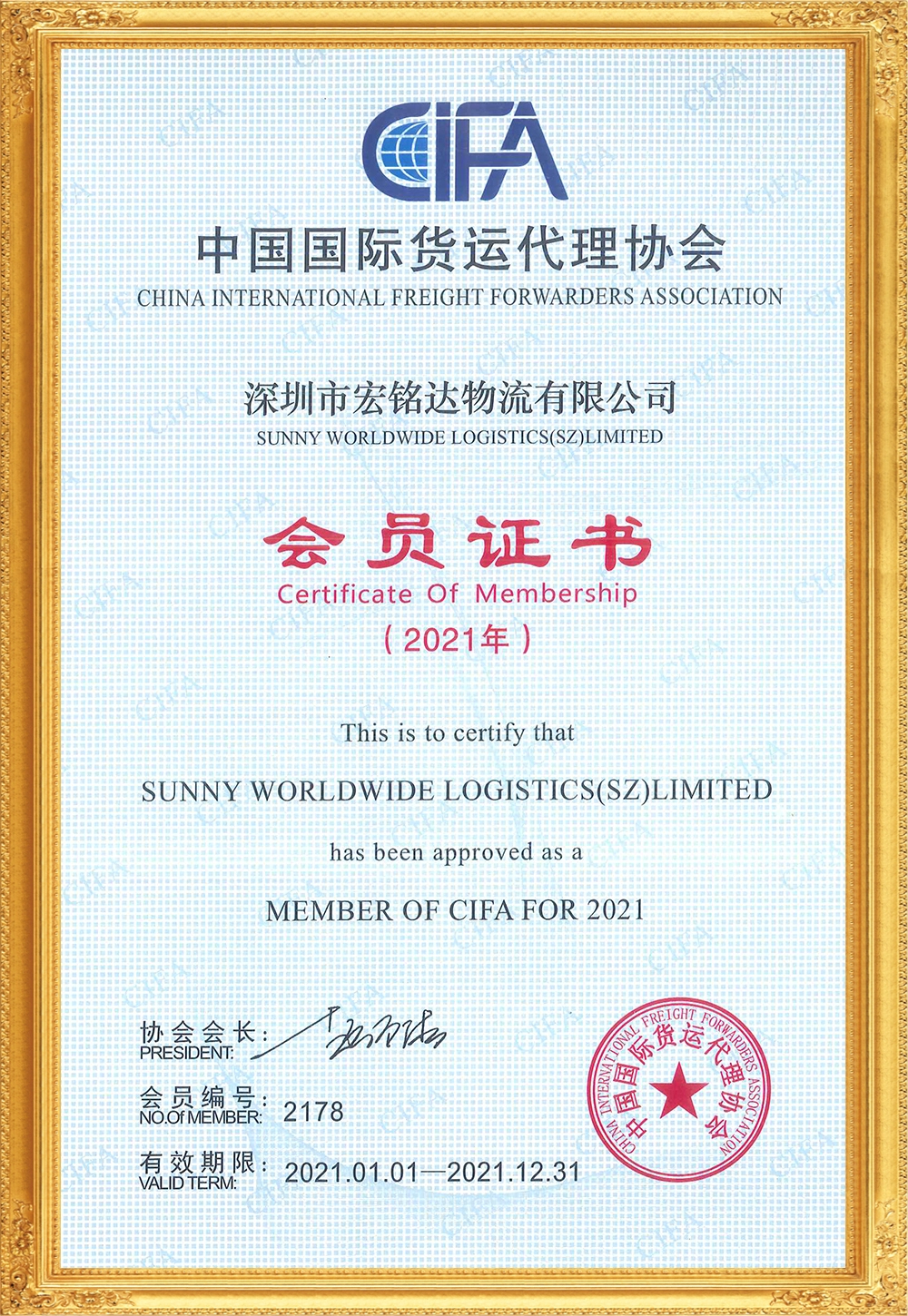
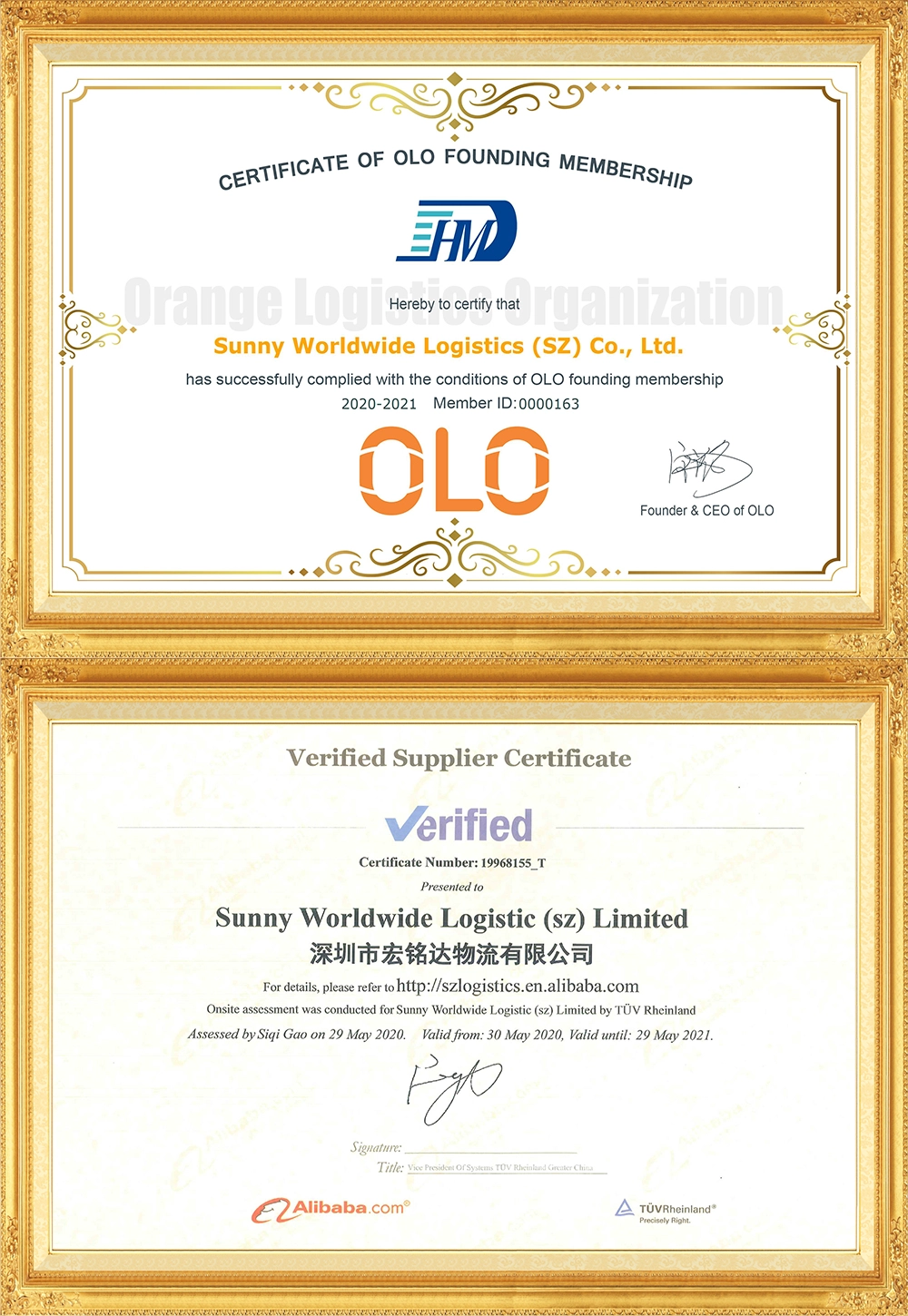
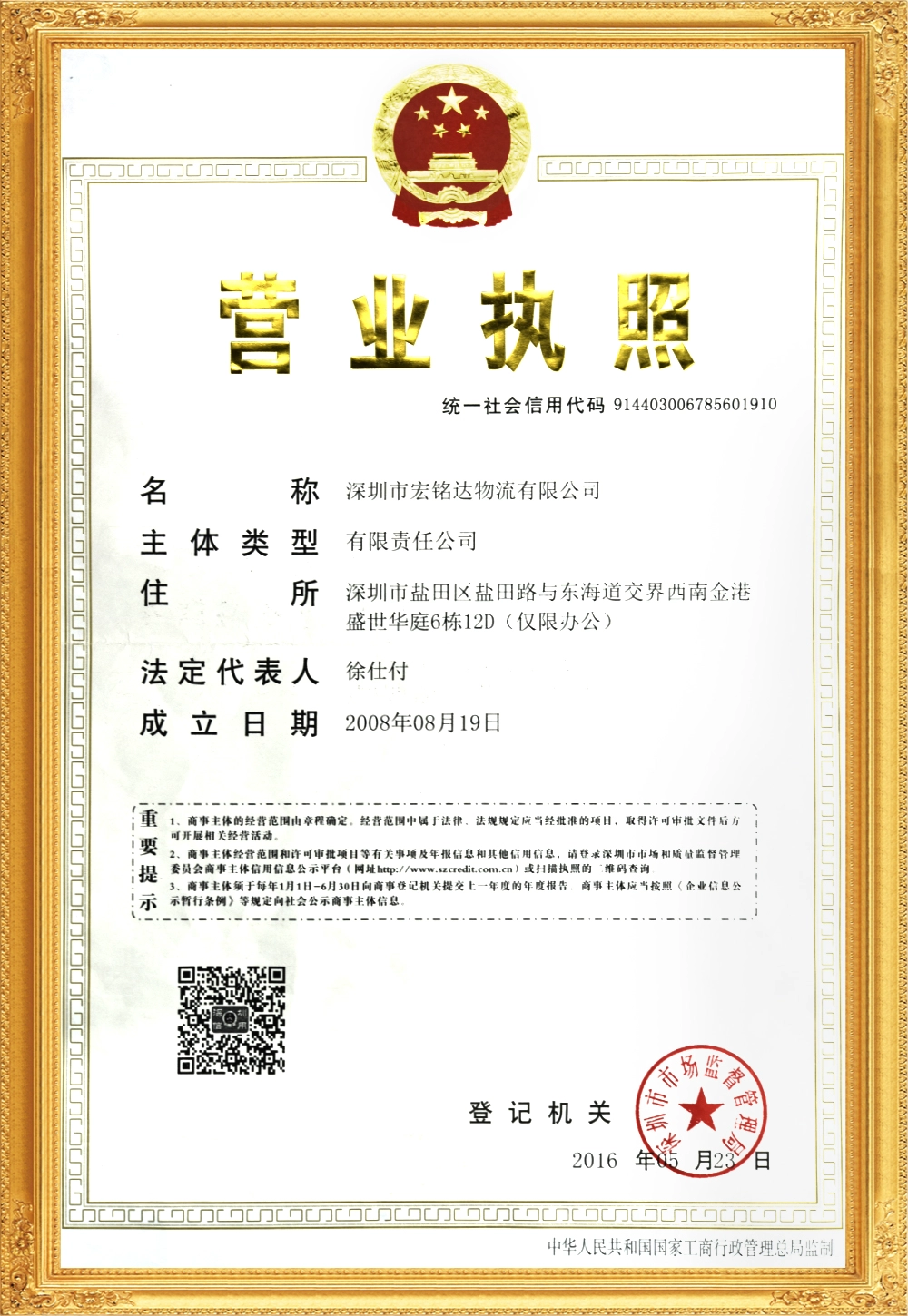
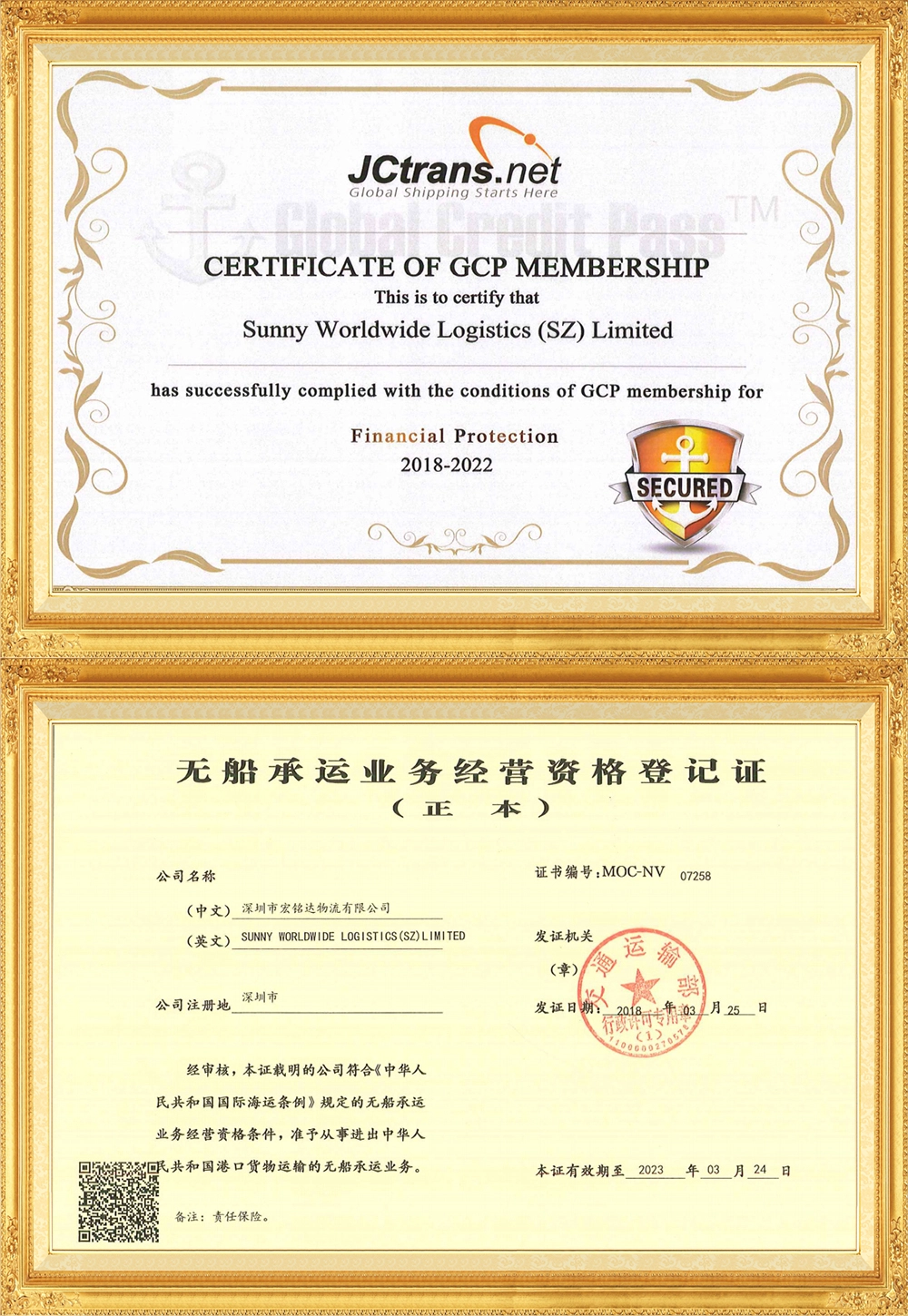
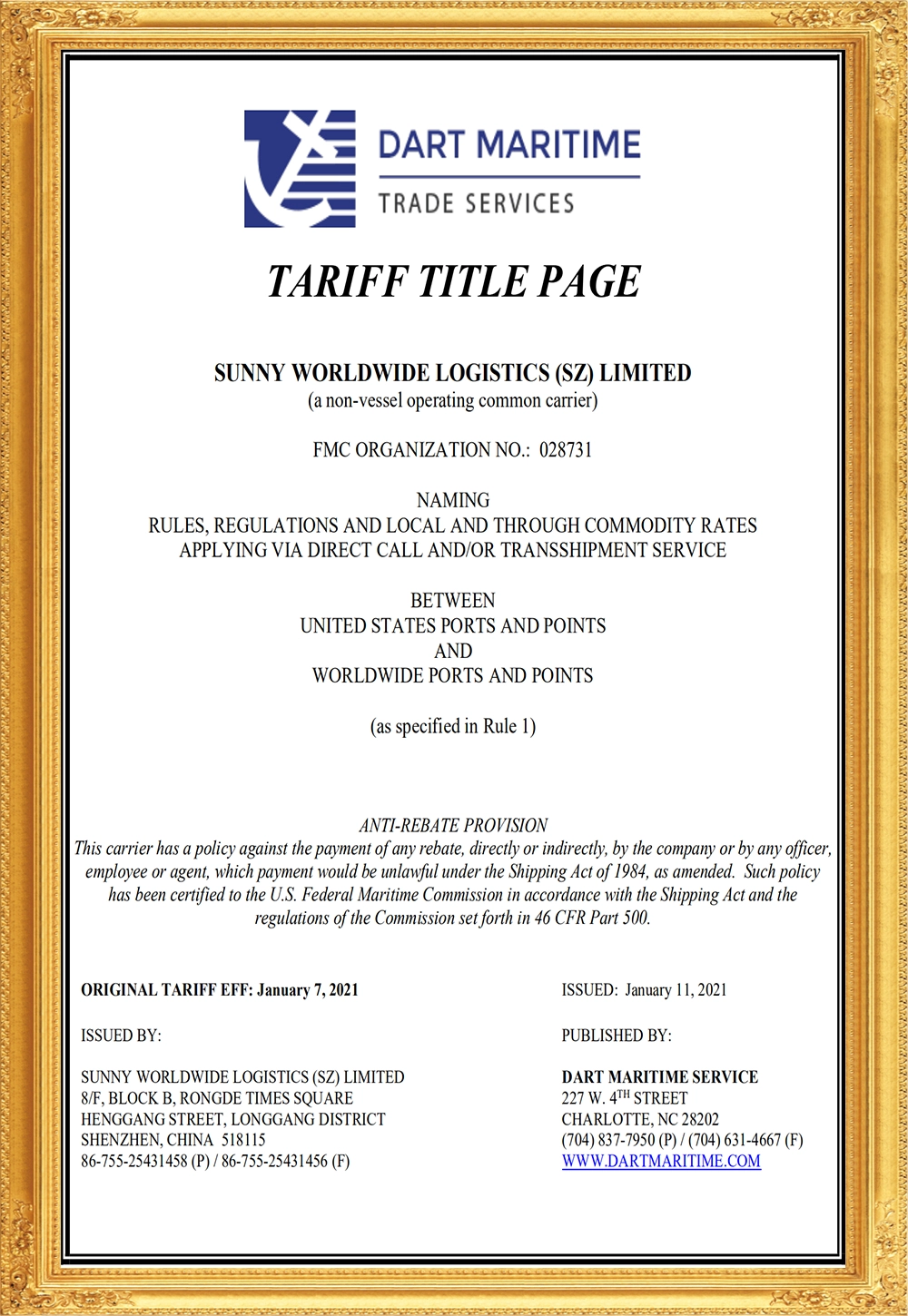
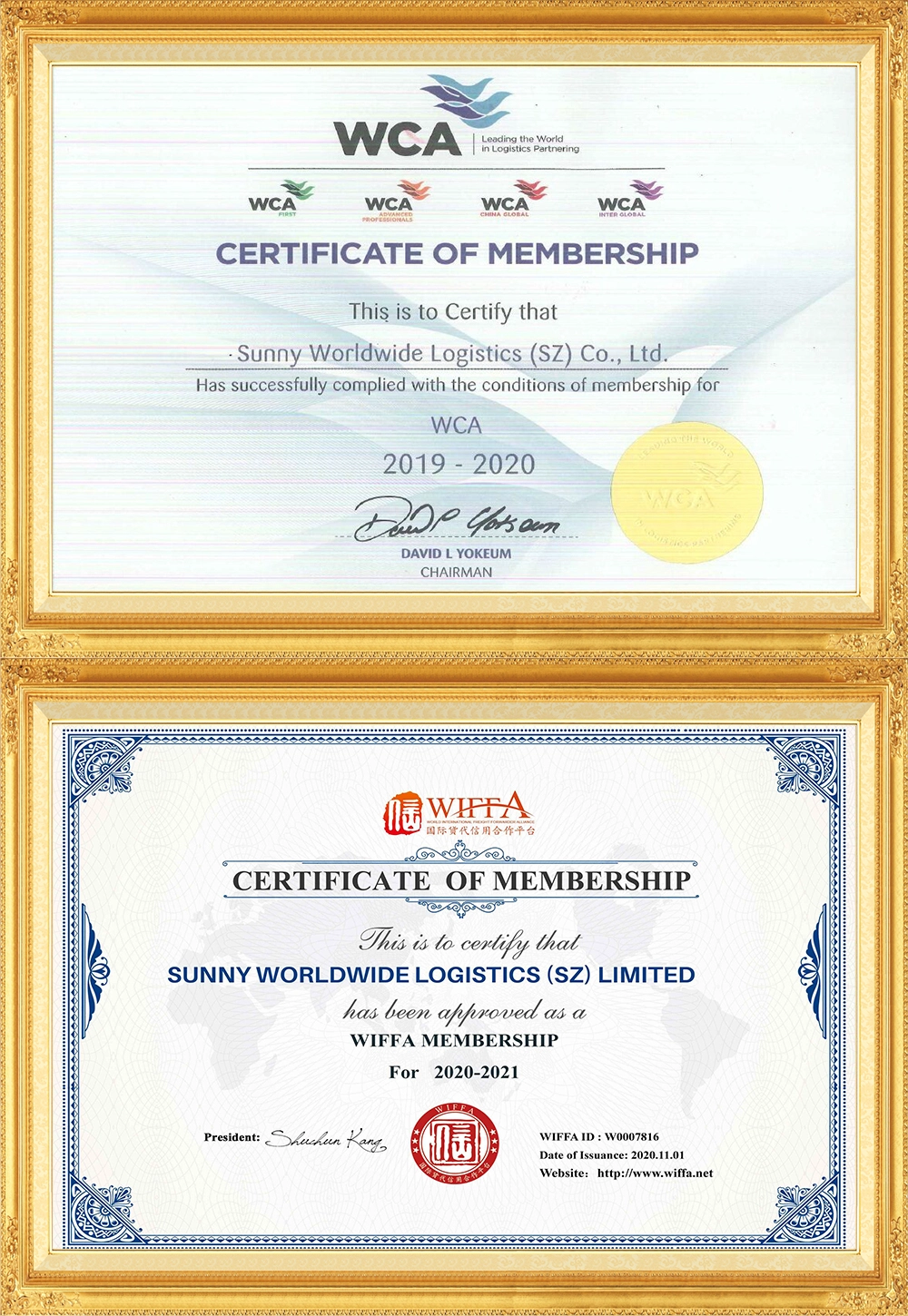
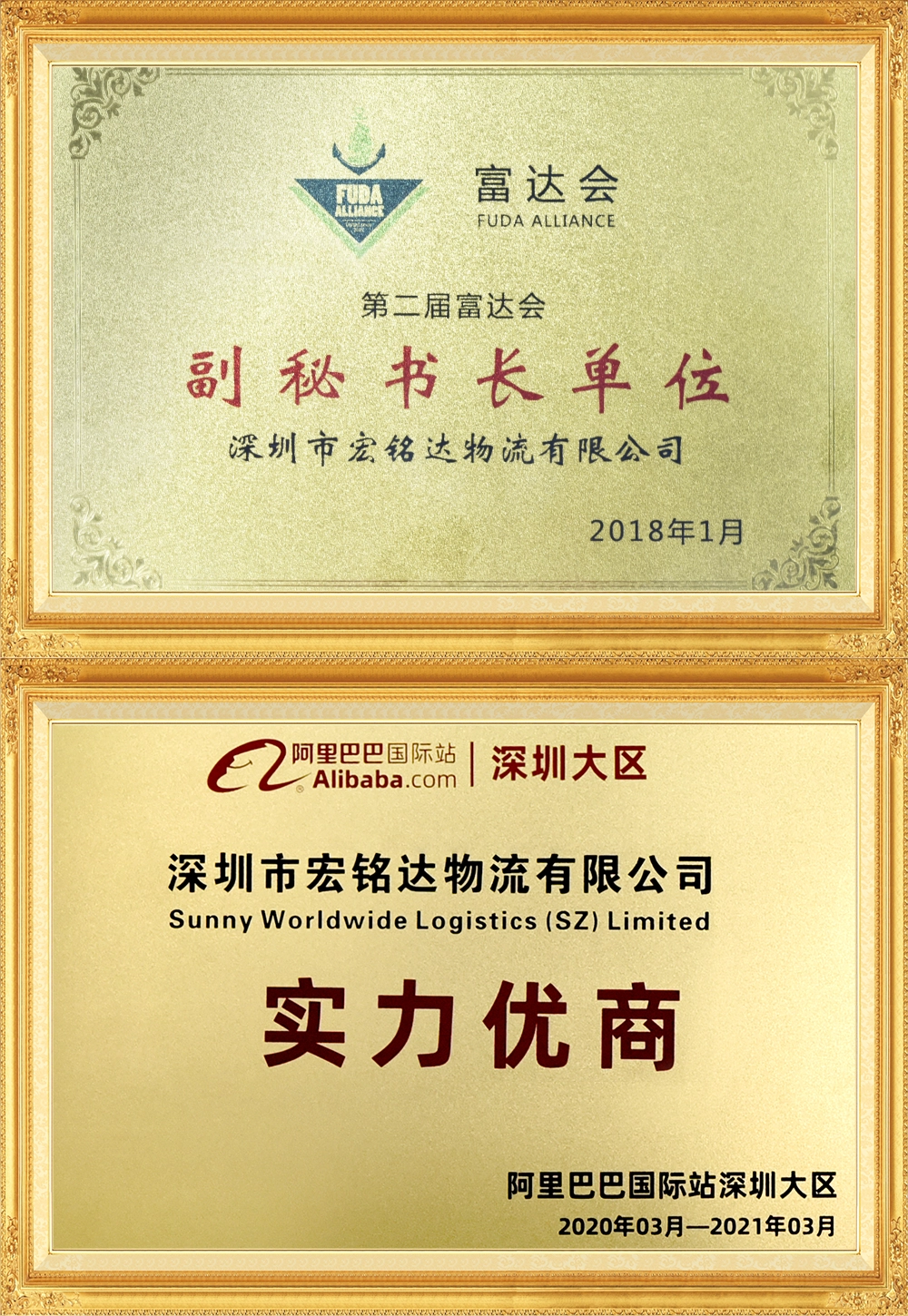
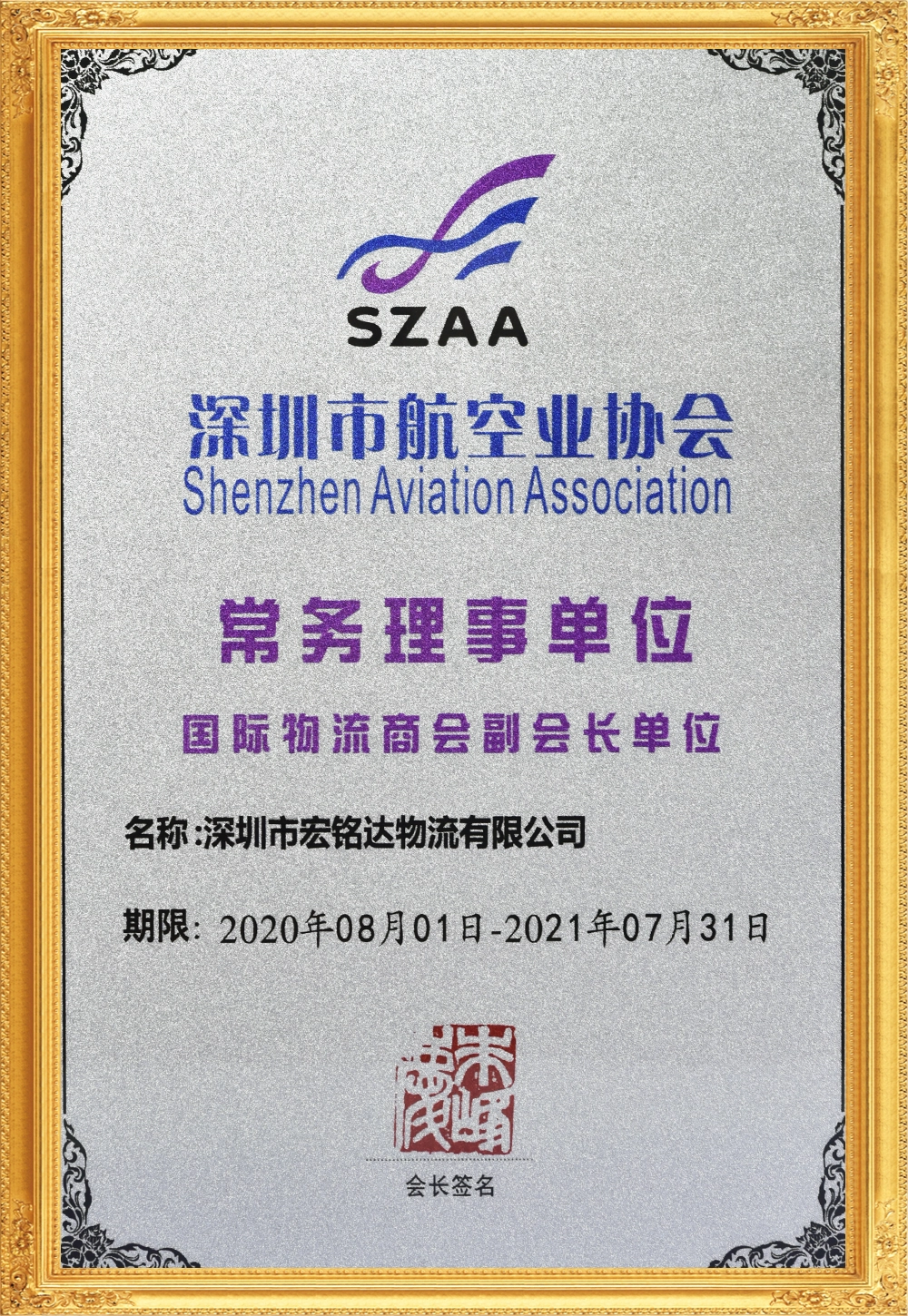
A: We are a direct international freight forwarder, not an agent. Sunny Worldwide Logistics was founded in 1998 — with 27 years in shipping, we know every pitfall in freight and how to avoid them.
Q2: Do you have your own warehouse near the port?
A: Yes. We own an exclusive foreign-trade warehouse at Yantian Port — only 3 companies among 60,000+ forwarders in Shenzhen can say that. Your cargo is stored and loaded in our own facility, not handed to a third party.
Q3: Do you have your own trucks for pickup?
A: Yes, we operate our own fleet of container trucks, available on call — no waiting for outsourced trucking, which makes us one of the fastest in pickup among Shenzhen forwarders.
Q4: How long have you been in freight forwarding? Is your company reliable?
A: Since 1998, 27 years. We own a 1,800㎡ Grade-A office building in Longgang, Shenzhen — few forwarders in the city can match that strength.
Q5: What shipping services do you offer from China?
A: One-stop service: sea freight (FCL/LCL), air freight, railway, land trucking, customs declaration, warehousing, cargo inspection, container loading supervision, fumigation, and cargo insurance.
Q6: Can you pick up goods from my suppliers in Yiwu, Guangzhou or other cities?
A: Yes. We collect cargo from suppliers across China and consolidate it at our warehouse before shipping — with loading photos provided before departure.
Q7: Which countries do you ship to?
A: Worldwide — America, Europe, Australia, Middle East, Africa, Latin America. If there's a port, we can get your cargo there.
Q8: How can I get a shipping quote from China?
A: Send us your cargo details (type, volume/weight, destination) via:
📧 Email: logistics01@swwlogistics.com.cn
💬 WhatsApp/WeChat: +86-15323861694 (Lily)
📞 Tel: 0755-25643421
🌐 Rate inquiry: swwlsrates.com
Q9: Where is your company located? Can I visit your office?
A: 8th Floor, Block B, Rongde Times Square, Henggang, Longgang District, Shenzhen. Clients are welcome to visit.
Q10: Do you have any guarantee if something goes wrong with my shipment?
A: We take full responsibility for every shipment under our control — except force majeure (natural disasters). 27 years of zero-escape reputation backs every booking.