







Philippines ships 1 ton of mangoes to Vancouver to expand Canadian market
The Philippines shipped the second batch of commercial mangoes to Vancouver, Canada on September 18, totaling 1 metric ton and 250 boxes. This batch of goods was issued by Mensch FilAm Corp. in cooperation with the Export Marketing Bureau of the Philippine Department of Trade and Industry, and was transported by Air Canada and Airspeed Cargo provided logistics support. The government hopes to expand agricultural exports by integrating growers, strengthening plant quarantine and stabilizing supply; however, continued orders, freight competitiveness, and quality consistency are still the keys to the long-term development of the market.

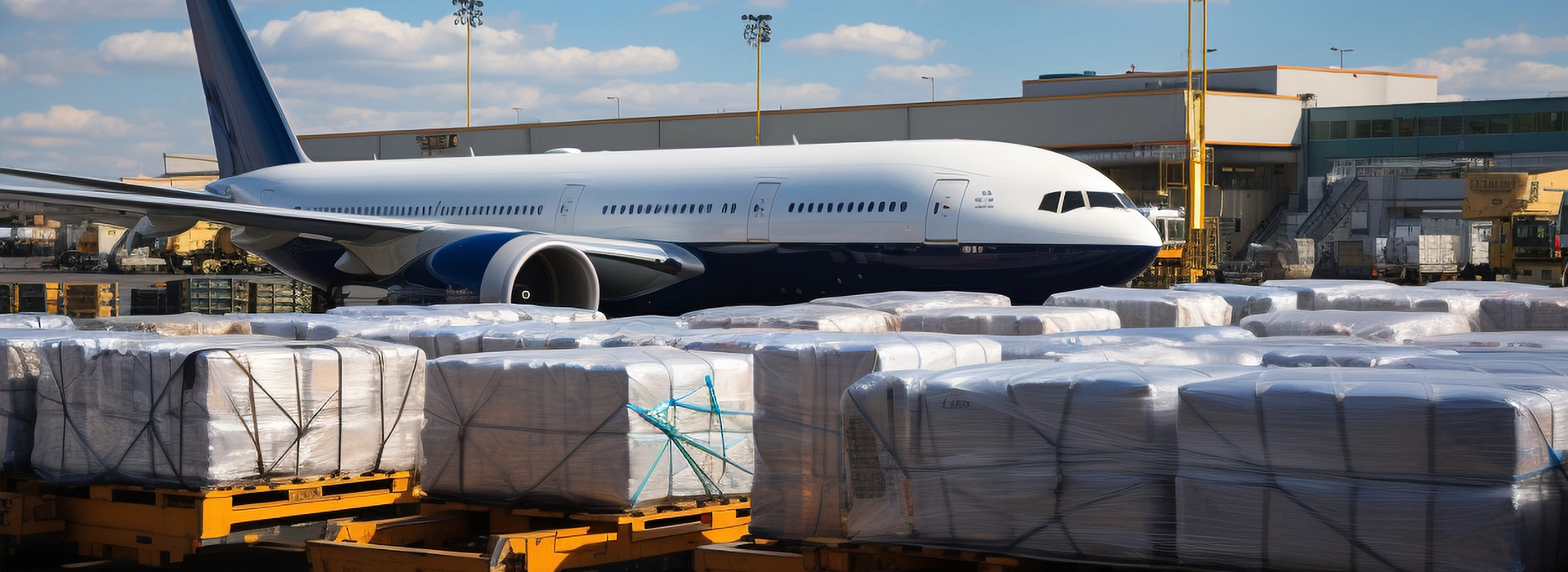
The Philippines is expanding its fresh Carabao mango market in Canada via air cargo. On September 18, local time, the Philippines shipped the second batch of commercial mangoes to Vancouver. This is the second time this variety has entered the Canadian market after sending the first commercial cargo to Toronto in June. PortCalls reported on September 21 that the latest batch of goods totaled 1 metric ton and a total of 250 boxes, showing that the Philippines is trying to transform one-time export activities into more stable cross-border supply chain opportunities.
The shipment of mangoes was held at a ceremony at the Manila Ninoy Aquino International Airport Complex. The goods were shipped by Mensch FilAm Corp. in partnership with the Export Marketing Bureau of the Philippine Department of Trade and Industry as part of the department’s Export Business Matching Mission program. Fresh Makers Ltd. in Vancouver, Canada is responsible for importing, and its customers include supermarkets and institutional buyers. Air Canada is responsible for air transportation and Airspeed Cargo provides logistics support. Related arrangements cover exporters, airlines, freight forwarders, importers and terminal sales channels.
From a freight perspective, the significance of this shipment is not just quantity. Fresh agricultural products have high requirements on aging, temperature control, packaging, documentation and phytosanitary. Air transport can shorten transport times, but often also means higher unit logistics costs. Therefore, if the Philippines wants to cultivate Canada into a long-term market, in addition to obtaining buyer orders, it also needs to continuously evaluate route availability, space stability, airport operation efficiency and overall freight costs. For exporters, logistics solutions must simultaneously meet the two goals of product preservation and price competition.
The Philippine Department of Agriculture is strengthening the export preparations of the mango industry. The government has integrated more than 40 mango grower organizations into a federation to improve industry coordination, supply concentration and market access capabilities. The Bureau of Plant Industry under the Ministry of Agriculture is also addressing disease issues affecting mango production and strengthening plant health measures required for export markets. At the same time, the Bureau of Plant Industry signed an agreement with Mitsui & Co. to support the development of the Philippine mango industry and further enhance the ability of growers and exporters to participate in the international market.
Philippine Agriculture Secretary Francisco P. Tiu Laurel Jr. said that opening up new markets can increase income opportunities for farmers and drive agricultural investment and rural economic activities. He pointed out that the opportunities brought by agricultural exports cover the complete value chain from production and centralized procurement to logistics, processing and distribution. Philippine Secretary of Trade and Industry Cristina Roque, Assistant Secretary of Agriculture Genevieve Velicaria-Gueavarra, and Mensch FilAm President and CEO Racquel S. Simon also emphasized the importance of public-private cooperation at the launch event.
However, the launching ceremony is only the beginning of market construction. Whether the Canadian market can continue to purchase products will depend on whether the Philippines can provide stable quantities, uniform quality and predictable delivery times. For fresh fruits, delays at any stage may increase losses and undermine buyer confidence. Exporters also need to continually account for air freight, packaging, airport handling and terminal distribution costs to determine the commercial viability of the product once sold in Canada.
The shipment also reflects the Philippines' search for export growth outside its traditional markets. Canada has a diverse consumer base and a mature retail system, but its distance from the Philippines means that the supply chain must pay more attention to timeliness and cost control. If subsequent orders can remain stable, cooperation between the Philippine Growers Federation, government agencies, freight service providers and Canadian importers may be further institutionalized and a clearer export plan formed.
For the Philippine logistics industry, the growth in agricultural exports will bring new service demands, including air space planning, perishable cargo operations, quarantine document management, cold chain connections and destination distribution. The size of this 1 metric ton, 250-box cargo is still limited, but it provides a concrete sample for testing Canadian routes, buyer demand and actual logistics costs. Next, industry players need to test this supply chain with actual order and delivery data, rather than relying solely on promotional campaigns to judge market prospects.
Overall, the Philippines shipped the second batch of Carabao mangoes to Vancouver, indicating that agricultural exports and air cargo are forming a new integration point. The government has integrated growers, improved plant health management, and introduced corporate cooperation, laying the foundation for expanding exports. At the same time, continued orders, competitive freight rates, stable quality and reliable supply will still determine whether the Canadian market can evolve from a pilot destination to a long-term trading partner.
Q1: Are you a real freight forwarder or just a middleman agent?
A: We are a direct international freight forwarder, not an agent. Sunny Worldwide Logistics was founded in 1998 — with 27 years in shipping, we know every pitfall in freight and how to avoid them.
Q2: Do you have your own warehouse near the port?
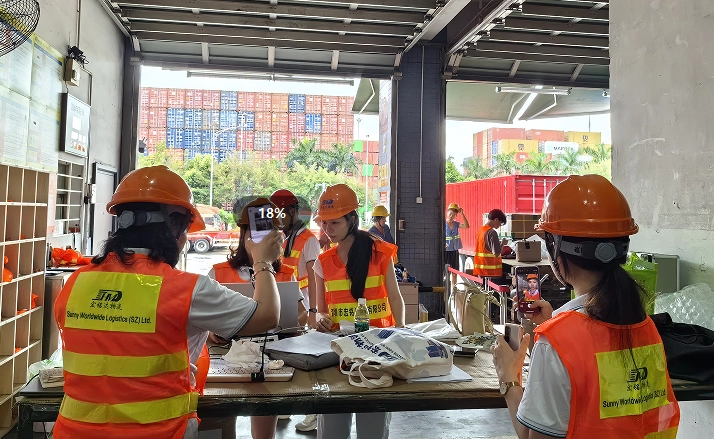
A: Yes. We own an exclusive foreign-trade warehouse at Yantian Port — only 3 companies among 60,000+ forwarders in Shenzhen can say that. Your cargo is stored and loaded in our own facility, not handed to a third party.
Q3: Do you have your own trucks for pickup?
A: Yes, we operate our own fleet of container trucks, available on call — no waiting for outsourced trucking, which makes us one of the fastest in pickup among Shenzhen forwarders.
Q4: How long have you been in freight forwarding? Is your company reliable?
A: Since 1998, 27 years. We own a 1,800㎡ Grade-A office building in Longgang, Shenzhen — few forwarders in the city can match that strength.
Q5: What shipping services do you offer from China?
A: One-stop service: sea freight (FCL/LCL), air freight, railway, land trucking, customs declaration, warehousing, cargo inspection, container loading supervision, fumigation, and cargo insurance.
Q6: Can you pick up goods from my suppliers in Yiwu, Guangzhou or other cities?
A: Yes. We collect cargo from suppliers across China and consolidate it at our warehouse before shipping — with loading photos provided before departure.
Q7: Which countries do you ship to?
A: Worldwide — America, Europe, Australia, Middle East, Africa, Latin America. If there's a port, we can get your cargo there.
Q8: How can I get a shipping quote from China?
A: Send us your cargo details (type, volume/weight, destination) via:
📧 Email: logistics01@swwlogistics.com.cn
💬 WhatsApp/WeChat: +86-15323861694 (Lily)
📞 Tel: 0755-25643421
🌐 Rate inquiry: swwlsrates.com
Q9: Where is your company located? Can I visit your office?
A: 8th Floor, Block B, Rongde Times Square, Henggang, Longgang District, Shenzhen. Clients are welcome to visit.
Q10: Do you have any guarantee if something goes wrong with my shipment?
A: We take full responsibility for every shipment under our control — except force majeure (natural disasters). 27 years of zero-escape reputation backs every booking.