



Philippine Customs plans to sign port congestion control order in September
The Philippine Customs plans to promote a joint administrative order on port congestion in September to standardize yard utilization, logistics charges and empty container returns to reduce delays and opaque costs, but the document still needs to be formally signed.
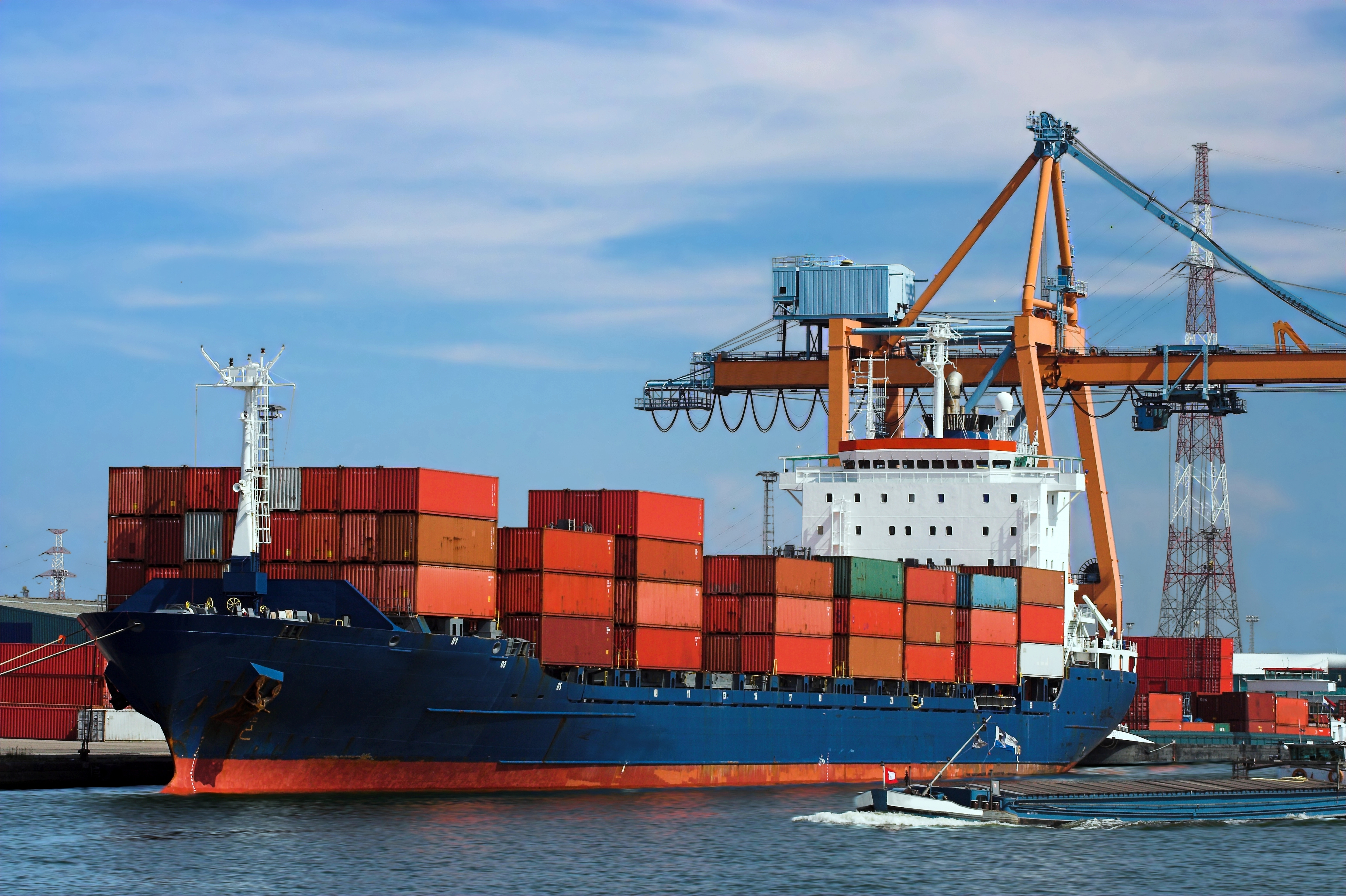
The Philippine Bureau of Customs (BOC) stated that it plans to promote the formal signing of a Joint Administrative Order (JAO) in September 2026 to address issues such as port congestion, high logistics costs, and insufficient efficiency in returning empty containers. PortCalls reported on September 10 that Customs Commissioner Ariel Nepomuceno said that although the relevant draft had been prepared last month, BOC had applied to the Ministry of Finance for a week to further review the specific provisions before official release.
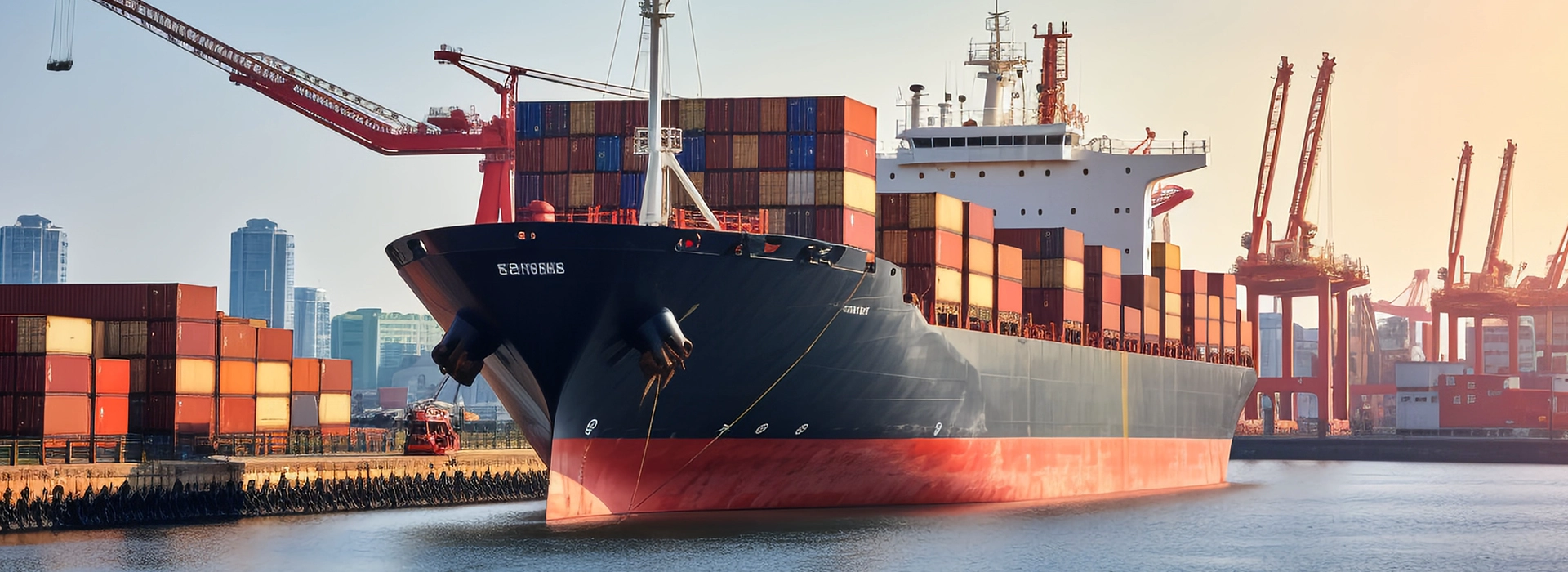
This administrative order has attracted attention from the industry, mainly because congestion at Philippine ports often affects ship berthing, cargo lifting, trailer arrangements, warehousing turnover and empty container returns at the same time. BOC said that 42 institutions have submitted opinions or position papers, and regulatory authorities need to integrate these feedback into the final text. Customs had previously planned to complete the signing in August, but due to the large number of opinions and the wide scope of implementation, the timetable was postponed to September.
The core objectives of the proposed JAO are to improve the efficiency of port yard utilization and enhance the transparency of customs third-party and logistics service provider charges. The draft is intended to cover entities such as importers, exporters, air and ocean carriers, shipping agents, freight forwarders, LCL companies, terminal operators, warehouses, trucking companies, container yards and container storage yards. Compared with the old plan that only targeted shipping companies, the new plan has a broader regulatory scope and is intended to treat port congestion as a supply chain problem involving the coordination of multiple parties.
In terms of charge management, shipping companies may need to report to BOC the various fees, amounts and basis of charges currently collected. According to reports, BOC plans to promote the standardization of fee names and require adjustments, cancellations or reductions in relevant fees when there is a lack of reasonable basis. In principle, new fees or rate increases still need to be approved by BOC, agreed by the Ministry of Finance and public consultation. If this mechanism is finally implemented, it may improve the information asymmetry between cargo owners, freight forwarders and carriers, but the specific implementation effect still depends on the final text and subsequent enforcement.
Empty container management is also an important part of the draft. The draft proposes that container deposits should be returned within 15 days after the shipping company receives the empty container; if the shipping company fails to confirm the return location in time or fails to arrange the storage yard within the specified time, the related delay should not be passed on to demurrage or demurrage charges. If the designated storage yard is unable to receive empty containers due to insufficient space, the shipping company needs to cooperate in rerouting to an alternative storage yard and bear the corresponding rerouting costs. Freight forwarders, customs brokers and towing companies need to return empty containers according to the confirmed time schedule, otherwise they may face regulatory penalties.
In terms of yard utilization, the draft plans to establish port congestion indicators, taking into account factors such as terminal design capacity, cargo residence time, berth occupancy and truck turnover time. Before normal standards are determined, 75% is listed as the tentative optimal utilization threshold. If the utilization rate exceeds this standard by 5 percentage points for two consecutive weeks, the BOC can promote the transfer of full containers; when the utilization rate exceeds 100% or the port is officially recognized as congested, the relevant ships may be arranged to go to the extended port for operations.
This policy background is related to the growth of freight volume in the Philippines. In the first half of 2026, Philippine port container throughput increased by 2.8% year-on-year, reaching 4.3 million TEU; during the same period, the total port cargo volume increased by 3.2%, reaching 154.033 million metric tons. Increased cargo volumes will bring opportunities to the Philippine trade and logistics industry, but will also increase pressure on yards, trailers and warehousing at Manila’s main terminals. For import and export companies, whether JAO can be signed and effectively implemented as planned will directly affect cost predictability, empty container returns and cargo removal arrangements.
At present, JAO is still a proposed measure and cannot yet be regarded as having taken effect. When arranging routes to the Philippines, cargo owners and freight forwarders should still confirm the terminal reception status, empty container return location, free storage period, destination port fees and possible transshipment plans in advance, and continue to pay attention to official notices from BOC, PPA and shipping companies. If the final rules are implemented according to the draft direction, Philippine port management will place greater emphasis on data transparency, cost accountability and multi-party collaboration, which may provide institutional support for reducing supply chain delays.
Q1: Are you a real freight forwarder or just a middleman agent?
A: We are a direct international freight forwarder, not an agent. Sunny Worldwide Logistics was founded in 1998 — with 27 years in shipping, we know every pitfall in freight and how to avoid them.
Q2: Do you have your own warehouse near the port?
A: Yes. We own an exclusive foreign-trade warehouse at Yantian Port — only 3 companies among 60,000+ forwarders in Shenzhen can say that. Your cargo is stored and loaded in our own facility, not handed to a third party.
Q3: Do you have your own trucks for pickup?
A: Yes, we operate our own fleet of container trucks, available on call — no waiting for outsourced trucking, which makes us one of the fastest in pickup among Shenzhen forwarders.
Q4: How long have you been in freight forwarding? Is your company reliable?
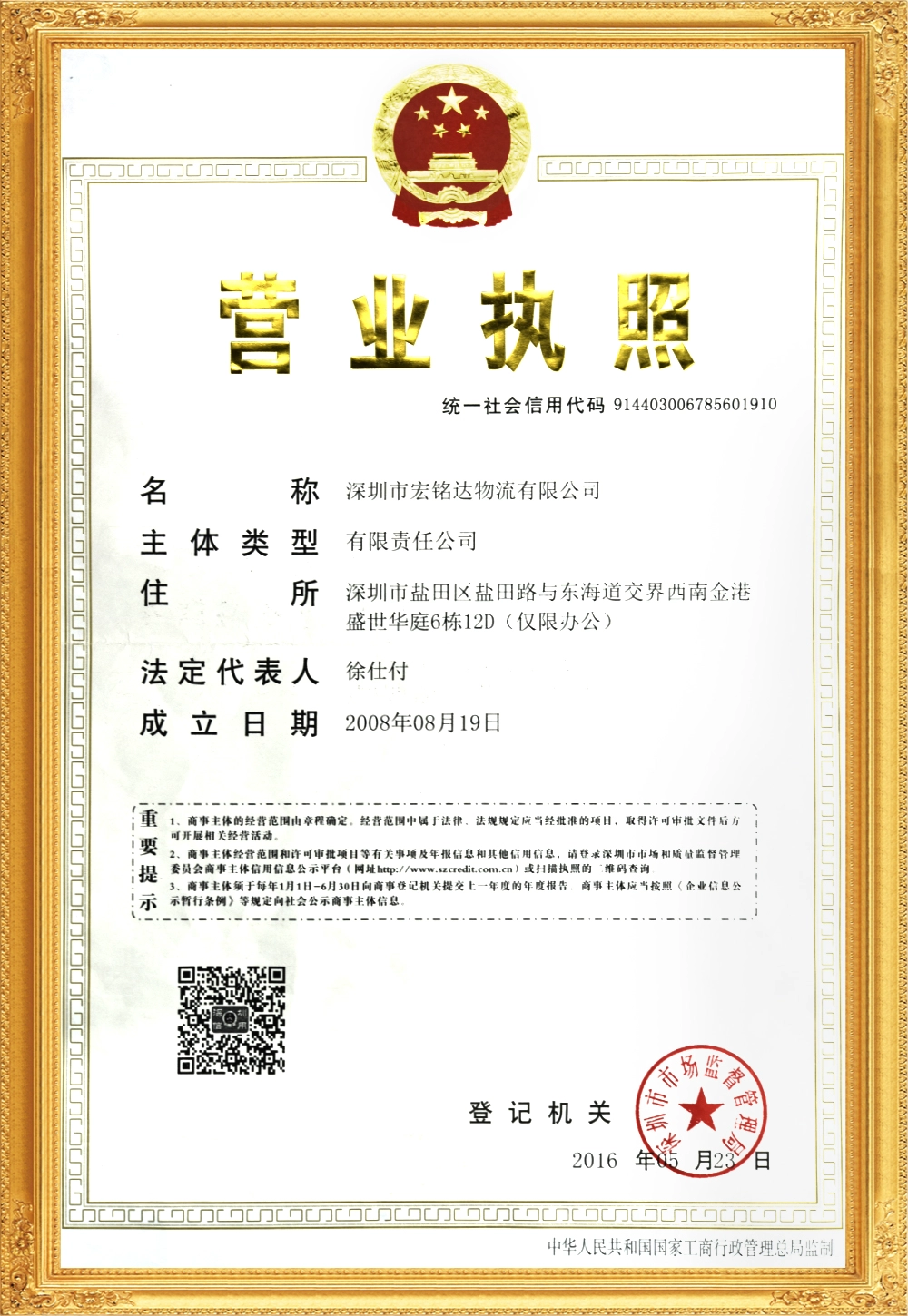
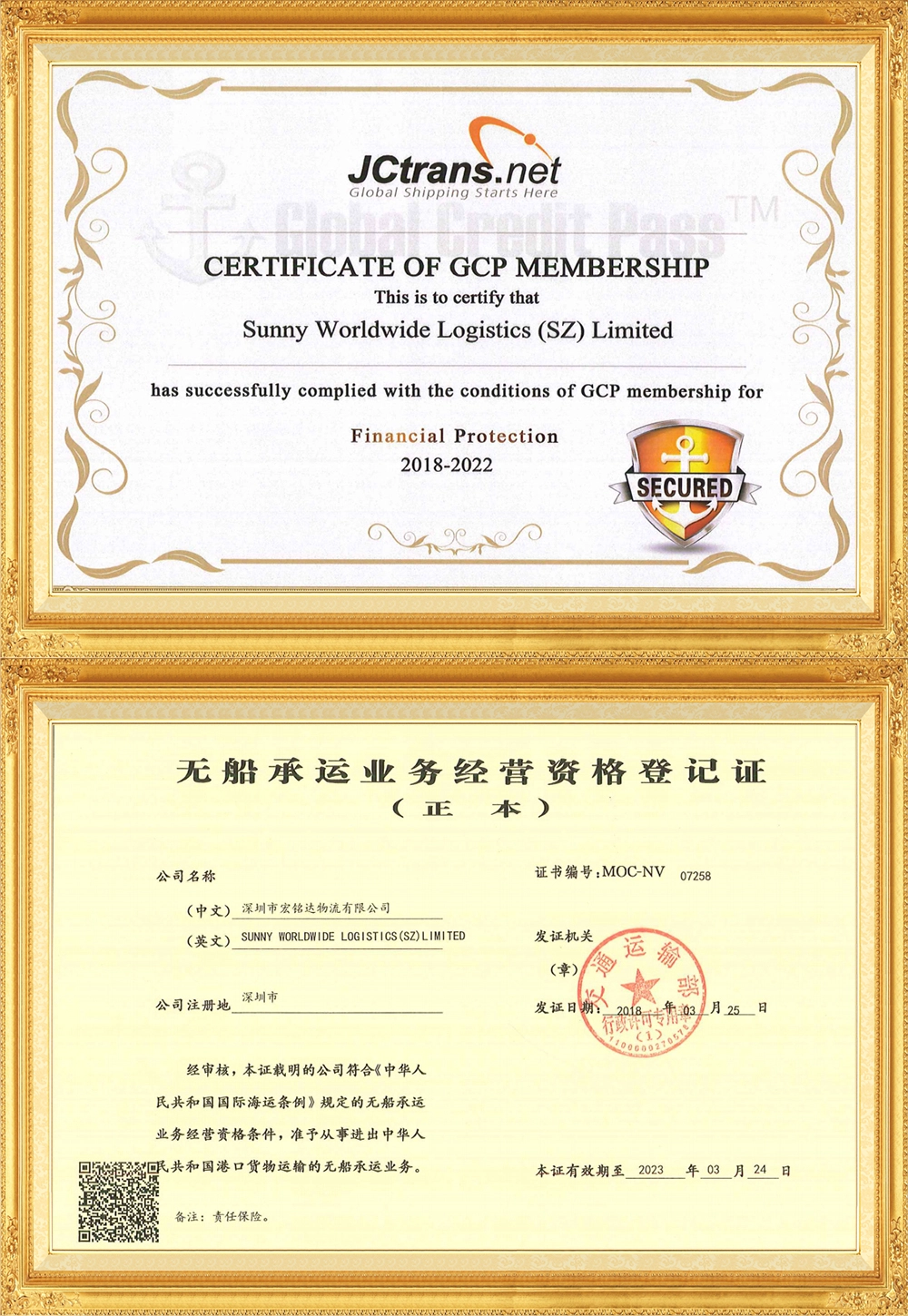
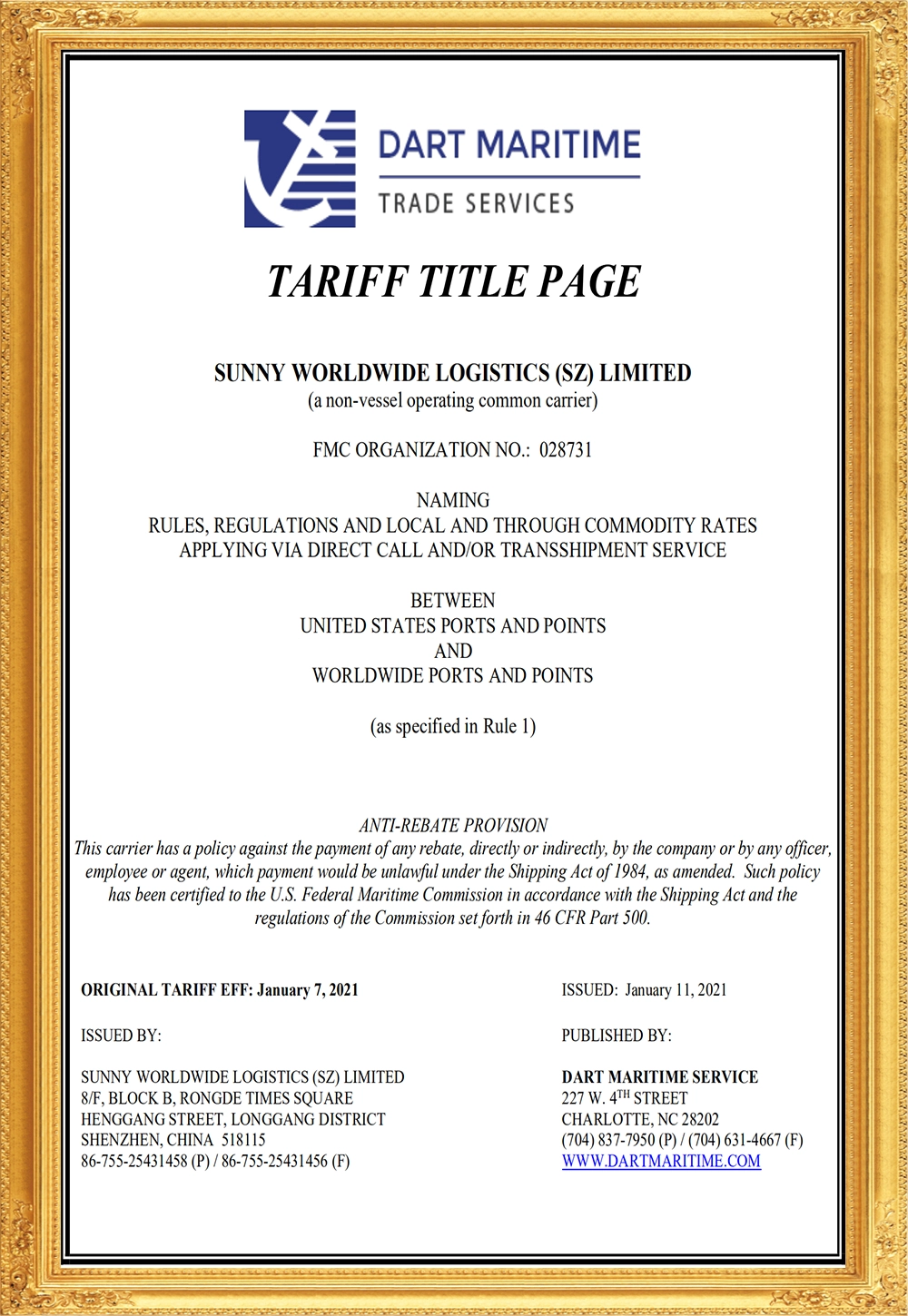
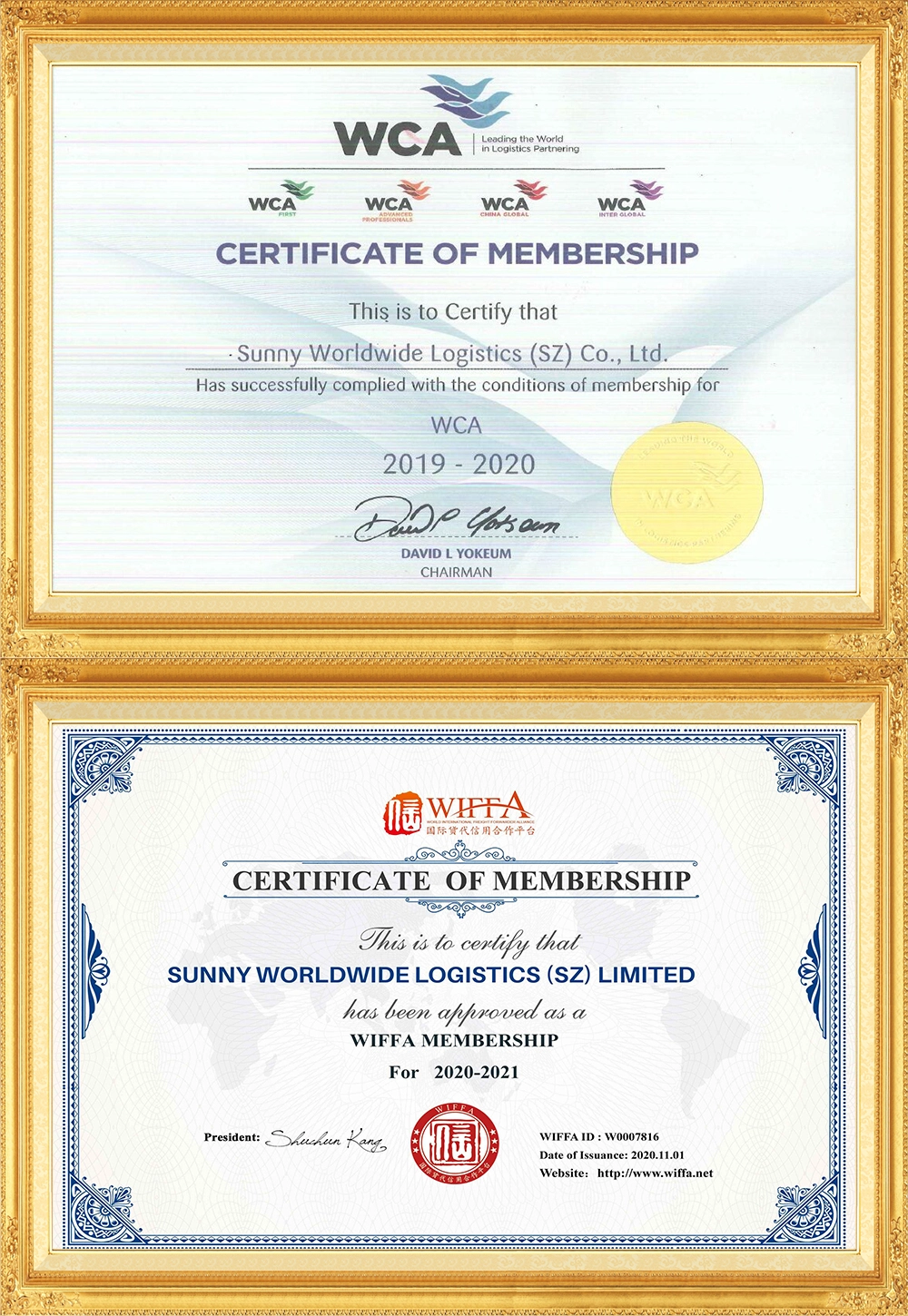
A: Since 1998, 27 years. We own a 1,800㎡ Grade-A office building in Longgang, Shenzhen — few forwarders in the city can match that strength.
Q5: What shipping services do you offer from China?
A: One-stop service: sea freight (FCL/LCL), air freight, railway, land trucking, customs declaration, warehousing, cargo inspection, container loading supervision, fumigation, and cargo insurance.
Q6: Can you pick up goods from my suppliers in Yiwu, Guangzhou or other cities?
A: Yes. We collect cargo from suppliers across China and consolidate it at our warehouse before shipping — with loading photos provided before departure.
Q7: Which countries do you ship to?
A: Worldwide — America, Europe, Australia, Middle East, Africa, Latin America. If there's a port, we can get your cargo there.
Q8: How can I get a shipping quote from China?
A: Send us your cargo details (type, volume/weight, destination) via:
📧 Email: logistics01@swwlogistics.com.cn
💬 WhatsApp/WeChat: +86-15323861694 (Lily)
📞 Tel: 0755-25643421
🌐 Rate inquiry: swwlsrates.com
Q9: Where is your company located? Can I visit your office?
A: 8th Floor, Block B, Rongde Times Square, Henggang, Longgang District, Shenzhen. Clients are welcome to visit.
Q10: Do you have any guarantee if something goes wrong with my shipment?
A: We take full responsibility for every shipment under our control — except force majeure (natural disasters). 27 years of zero-escape reputation backs every booking.