





Philippine Airlines cargo fuel surcharge rises to Level 14 in second half of September
The Civil Aviation Board (CAB) of the Philippines has raised the air cargo fuel surcharge to Level 14 from September 16 to 30, with the maximum freight rate for international flights being as high as 57.68 pesos per kilogram.
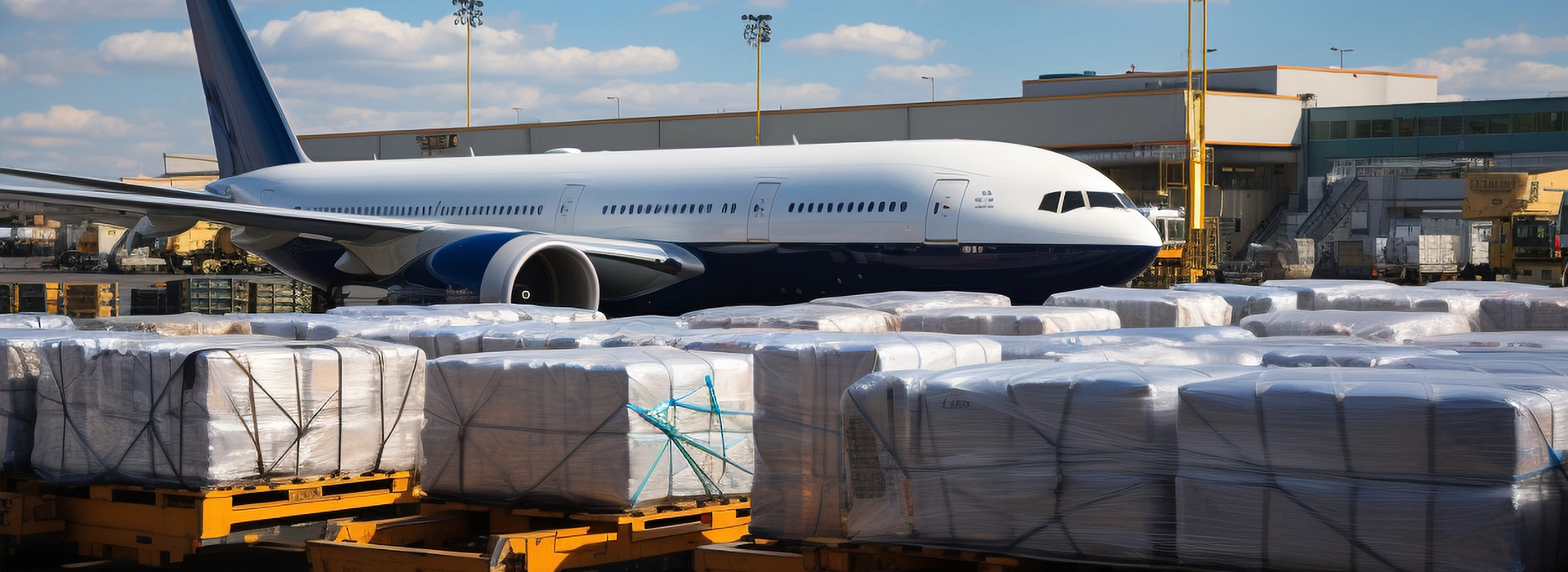
Philippine air cargo costs will continue to rise in the second half of September. The Civil Aviation Board of the Philippines (CAB) announced that from September 16 to 30, 2026, the passenger and cargo fuel surcharges that airlines can charge will be adjusted to Level 14, which is one level higher than the Level 13 implemented from September 1 to 15. This is the latest cost change directly related to air transportation in the Philippine freight market, which will affect importers and exporters, freight forwarders, cross-border e-commerce companies and manufacturers that rely on time-sensitive transportation.
According to the CAB notification, freight surcharges are calculated based on voyage distance and transportation direction. For domestic one-way flights originating from the Philippines, Level 14 rates range from 2.35 to 6.87 pesos per kilogram; for international one-way flights, they range from 7.76 to 57.68 pesos per kilogram. The actual charges depend on the voyage, service and carrier. Enterprises should verify the specific rates when booking or quoting, and cannot estimate costs based only on the highest or lowest value in the range. Airlines must apply to CAB in accordance with regulations, and charges must not exceed the Level 14 upper limit; fuel surcharges are not part of the basic freight rate and may be reduced or canceled in the future as fuel prices change.
Starting from April 2026, CAB will shorten the fuel surcharge monitoring and enforcement cycle from one month to 15 days to reflect actual costs more quickly during periods of fuel price fluctuations. This temporary mechanism will continue until the market stabilizes or the policy is revised or withdrawn. If the equivalent foreign currency is used for settlement, the applicable exchange rate stated in the notice is 62.25 pesos per US dollar, which is higher than the previous 61.39 pesos. Logistics companies should separately list the basic freight, fuel surcharge, billing weight, applicable period and exchange rate in the quotation, and confirm whether processing, warehousing, security and customs clearance costs are additional.
Higher air freight costs may prompt some cargo owners to compare sea freight or intermodal transportation, but the mode of transportation still depends on the value of the goods, timeliness, cargo attributes and destination network. High-value, perishable and time-limited goods may still need to be transported by air; general goods can be shipped by sea, LCL, FCL or land and air combined transport. Enterprises should list the applicable surcharges from September 16 to 30 as an independent item and re-evaluate the price in the next cycle.
The quotation should also check the actual billable weight and confirm whether there are additional charges for remote areas, security, handling, warehousing and customs clearance to avoid mistaking variable charges for fixed freight rates. CAB said the next rates will be announced at least three days before they come into effect. Cargo owners, freight forwarders and overseas buyers should promptly check official notices and carrier announcements, update cost models, retain carrier quotation vouchers, and include fuel surcharge adjustment agreements in commercial terms to reduce billing disputes and profit losses. The final cost still depends on the carrier's application, approval results and commercial quotation. Level 14 only applies the upper limit and billing framework, and is not a unified freight rate for all Philippine goods.
FAQ
Q1: Are you a real freight forwarder or just a middleman agent?
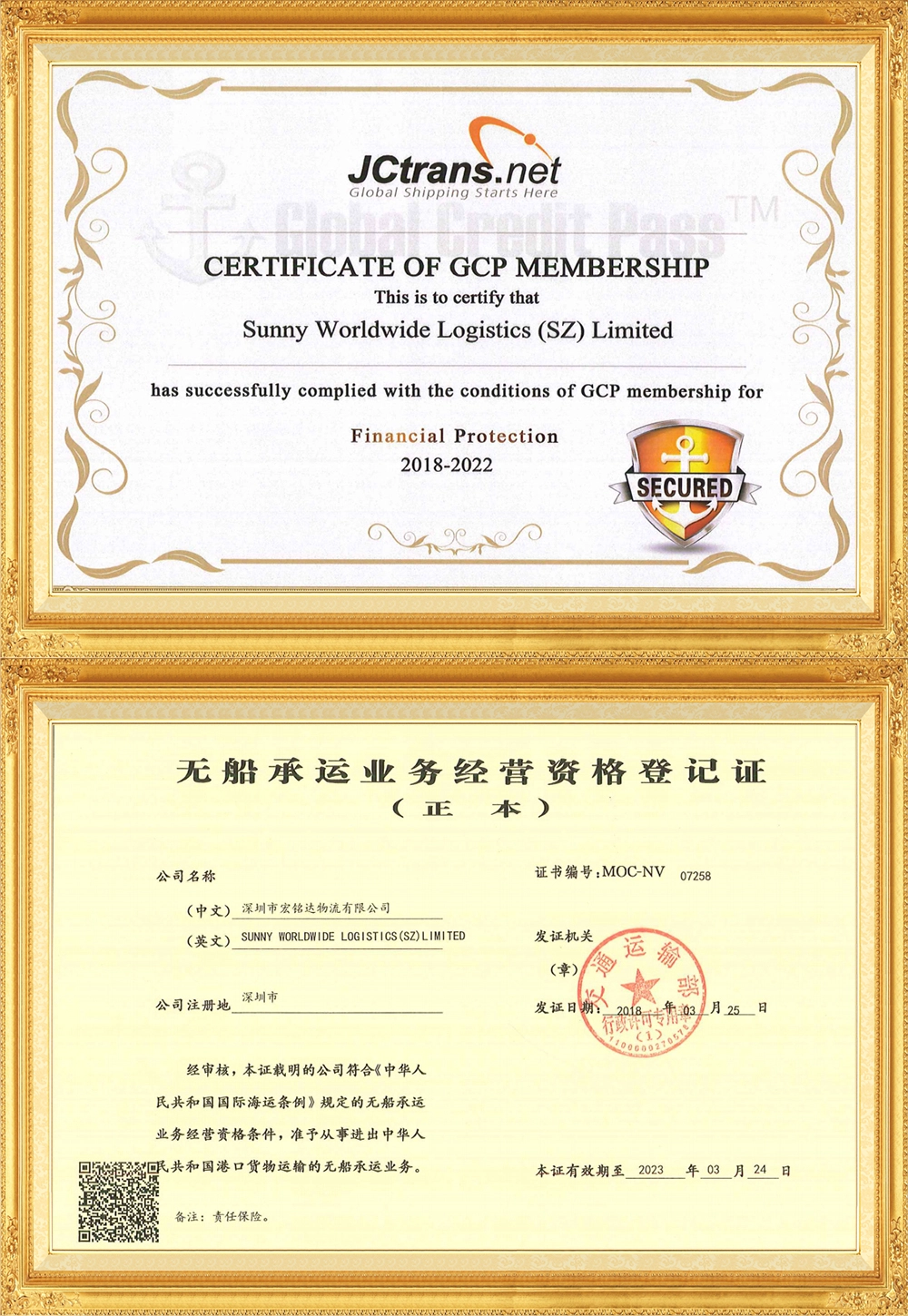
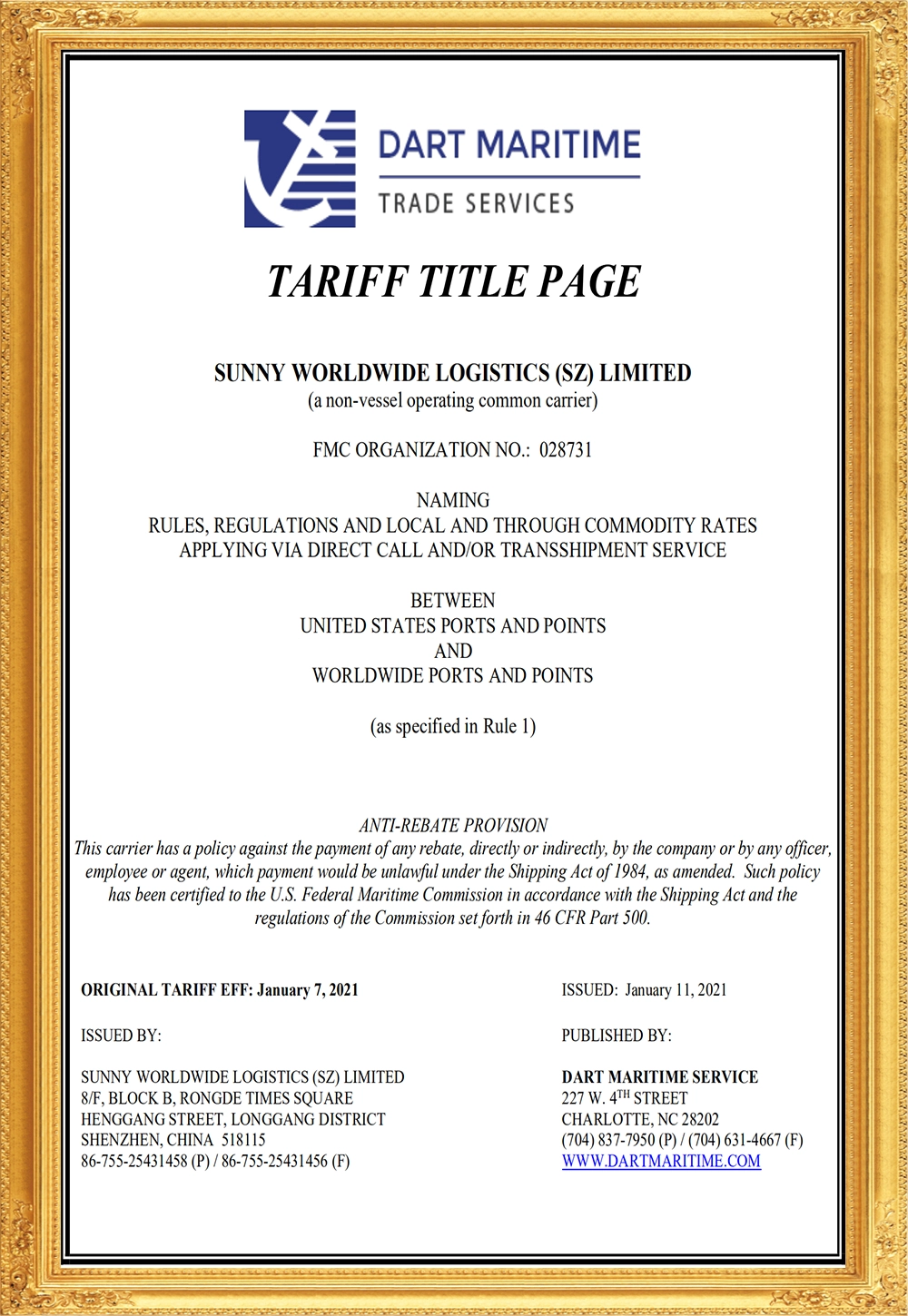
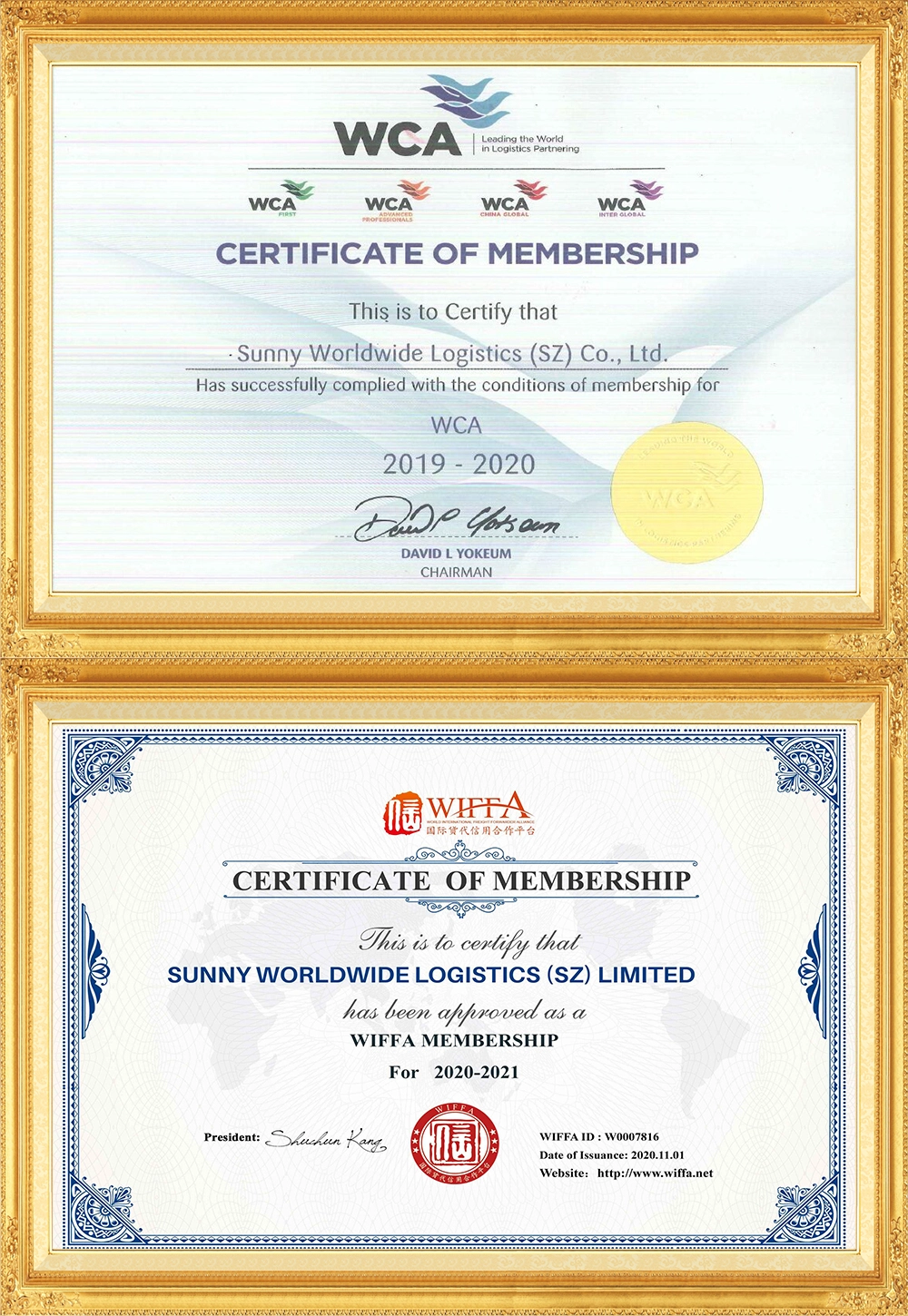
A: We are a direct international freight forwarder, not an agent. Sunny Worldwide Logistics was founded in 1998 — with 27 years in shipping, we know every pitfall in freight and how to avoid them.
Q2: Do you have your own warehouse near the port?
A: Yes. We own an exclusive foreign-trade warehouse at Yantian Port — only 3 companies among 60,000+ forwarders in Shenzhen can say that. Your cargo is stored and loaded in our own facility, not handed to a third party.
Q3: Do you have your own trucks for pickup?
A: Yes, we operate our own fleet of container trucks, available on call — no waiting for outsourced trucking, which makes us one of the fastest in pickup among Shenzhen forwarders.
Q4: How long have you been in freight forwarding? Is your company reliable?
A: Since 1998, 27 years. We own a 1,800㎡ Grade-A office building in Longgang, Shenzhen — few forwarders in the city can match that strength.
Q5: What shipping services do you offer from China?
A: One-stop service: sea freight (FCL/LCL), air freight, railway, land trucking, customs declaration, warehousing, cargo inspection, container loading supervision, fumigation, and cargo insurance.
Q6: Can you pick up goods from my suppliers in Yiwu, Guangzhou or other cities?
A: Yes. We collect cargo from suppliers across China and consolidate it at our warehouse before shipping — with loading photos provided before departure.
Q7: Which countries do you ship to?
A: Worldwide — America, Europe, Australia, Middle East, Africa, Latin America. If there's a port, we can get your cargo there.
Q8: How can I get a shipping quote from China?
A: Send us your cargo details (type, volume/weight, destination) via:
📧 Email: logistics01@swwlogistics.com.cn
💬 WhatsApp/WeChat: +86-15323861694 (Lily)
📞 Tel: 0755-25643421
🌐 Rate inquiry: swwlsrates.com
Q9: Where is your company located? Can I visit your office?
A: 8th Floor, Block B, Rongde Times Square, Henggang, Longgang District, Shenzhen. Clients are welcome to visit.
Q10: Do you have any guarantee if something goes wrong with my shipment?
A: We take full responsibility for every shipment under our control — except force majeure (natural disasters). 27 years of zero-escape reputation backs every booking.