



Batangas Container Terminal has suspended the reception of empty containers, and the yard utilization rate is too high
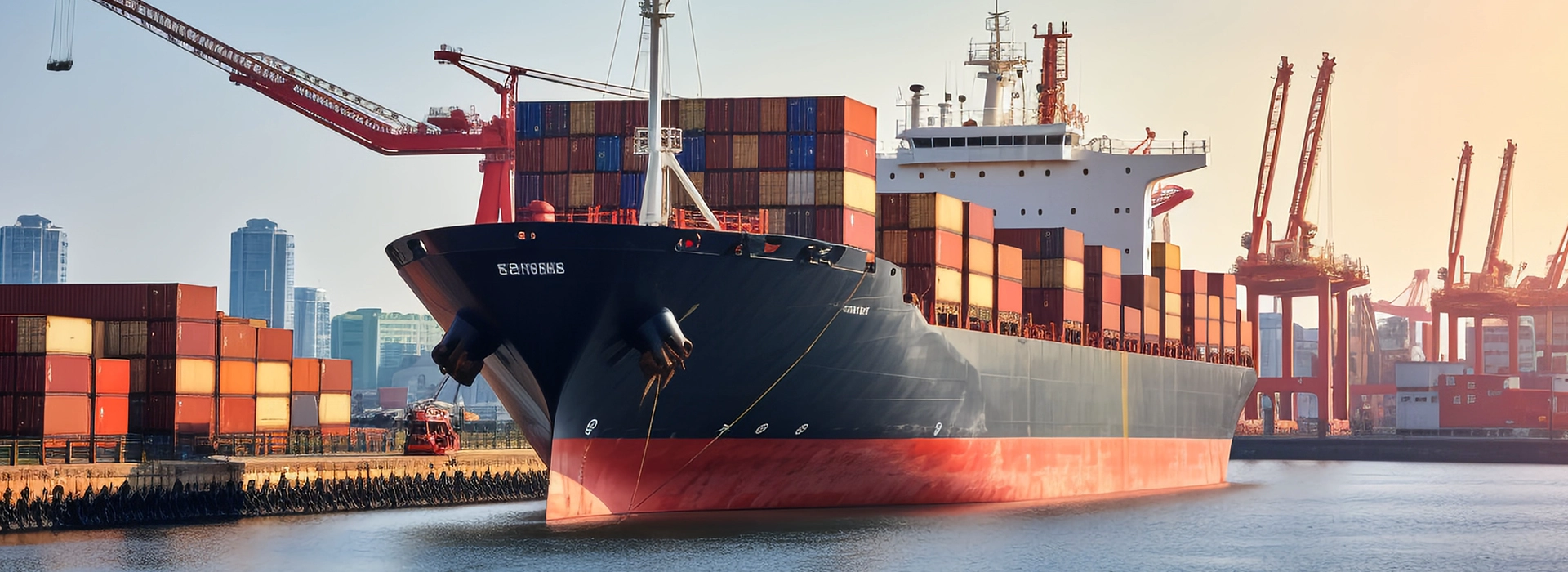
CMA CGM/ANL announced that the Batangas Container Terminal will immediately suspend the reception of empty containers due to excessive yard utilization. Customers must follow the carrier's instructions to redirect and pick up imported containers as soon as possible.
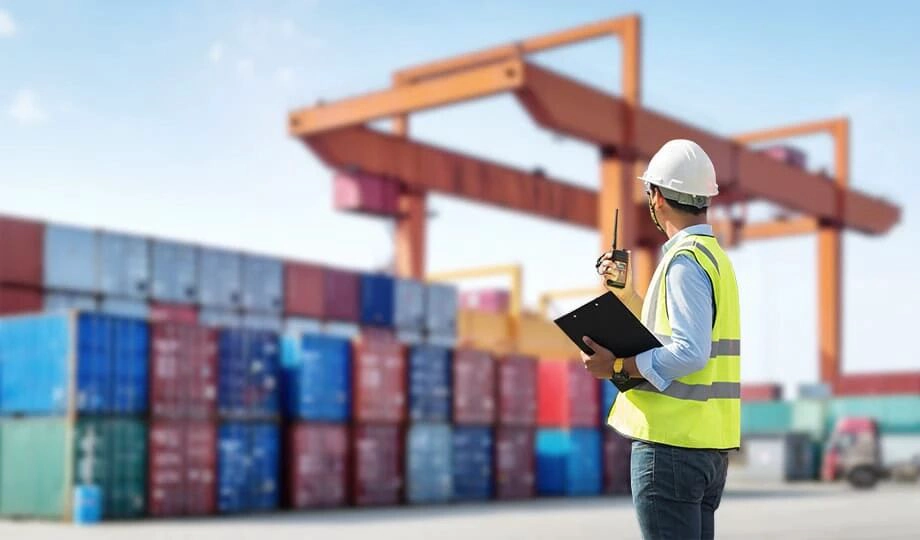
Philippine container shipping experienced an operational change in early September that required immediate attention from shippers, forwarders and carriers. A customer announcement from ANL Philippines, a subsidiary of CMA CGM, shows that the Batangas Container Terminal has suspended the reception of empty containers due to the high level of yard utilization. The announcement uses the expression "effective immediately" and requires customers to speed up the removal of imported containers to free up space in the yard and maintain the flow of cargo at the terminal. For customers who need to return empty containers, the carrier is required to follow the designated return location, and will issue a resumption notice after the yard capacity returns to normal.
This arrangement first affects the connection between export bookings and import suitcases. Under normal circumstances, exporters or their freight forwarders need to obtain empty containers before loading. After the imported goods are picked up, the carrier and terminal must arrange for the recycling of empty containers. If the original Batangas return point is temporarily closed, cargo owners cannot continue to send empty containers directly to the terminal, otherwise they may face empty vehicles, waiting, rescheduling and additional storage or operating costs. A more prudent approach is to confirm with the carrier the type of empty container, return location, reception time and appointment requirements for each shipment before dispatching the truck, and keep written instructions to avoid the driver arriving and discovering that the container cannot be delivered.
For import cargo owners, the core issue reflected in the announcement is not that a single shipment is detained individually, but that terminal capacity management pressure is affecting container turnover. Increased terminal yard utilization may lead to tighter container pick-up appointments, gate operations and empty container transfers. Customers should give priority to checking the import boxes that have completed customs clearance and can be picked up, paying particular attention to the free storage period, detention period and equipment return period specified by the carrier. If the import container is already ready for delivery, delay in picking up the container may further reduce the site capacity and increase the company's own warehousing, demurrage or container detention risks. Whether specific fees are incurred or not should still be based on the contract terms, carrier bills and local terminal rules. The amount cannot be inferred solely from the announcement.
For export supply chains, the impact depends on the distance between the source of empty containers and alternative return points. If the designated return point is farther from the loading facility, truck round-trip times and fuel costs will increase; if the alternative site is also close to capacity, the temporary measures may also spread to other yards. Freight forwarders should manage the goods related to Batangas Port into three categories: goods that have picked up empty containers and completed loading, goods that have booked space but have not yet picked up empty boxes, and goods that have arrived at the port and are waiting for import pick-up. The second category requires immediate review, as the empty container acquisition and return routes may change at the same time; the third category should prioritize checking the pickup documents, reservation status and free period.
From a broader maritime operations perspective, such announcements illustrate that the effective capacity of Philippine ports depends not only on berths and shorelines, but also on the timely departure of import containers, the redistribution of empty containers according to carrier networks, and the synchronization between terminals, yards, trucks and customs links. The current public announcement does not give an exact time when it will resume accepting empty containers, nor does it disclose a specific percentage of yard utilization. Therefore, market participants should not interpret this suspension directly as a general congestion of the entire Philippine port system, nor should they assume that the same arrangements apply to all carriers, all container types and all routes. In actual implementation, the latest written notice from the corresponding carrier shall prevail; different return locations and procedures may apply to special equipment such as refrigerated containers, frame boxes, and open-top boxes.
Operational suggestions: Today, we completed the inventory of orders related to Batangas; confirmed the empty container return point with the carrier ticket by ticket; gave priority to picking up the released import boxes; prepared backup dispatch and storage yard plans for the export goods that have not yet picked up the empty boxes; checked the carrier, terminal and port announcements every day until the recovery notice was received.
Q1: Are you a real freight forwarder or just a middleman agent? A: We are a direct international freight forwarder, not an agent. Sunny Worldwide Logistics was founded in 1998 — with 27 years in shipping, we know every pitfall in freight and how to avoid them.
Q2: Do you have your own warehouse near the port? A: Yes. We own an exclusive foreign-trade warehouse at Yantian Port — only 3 companies among 60,000+ forwarders in Shenzhen can say that. Your cargo is stored and loaded in our own facility, not handed to a third party.
Q3: Do you have your own trucks for pickup? A: Yes, we operate our own fleet of container trucks, available on call — no waiting for outsourced trucking, which makes us one of the fastest in pickup among Shenzhen forwarders.
Q4: How long have you been in freight forwarding? Is your company reliable? A: Since 1998, 27 years. We own a 1,800㎡ Grade-A office building in Longgang, Shenzhen — few forwarders in the city can match that strength.
Q5: What shipping services do you offer from China? A: One-stop service: sea freight (FCL/LCL), air freight, railway, land trucking, customs declaration, warehousing, cargo inspection, container loading supervision, fumigation, and cargo insurance.
Q6: Can you pick up goods from my suppliers in Yiwu, Guangzhou or other cities? A: Yes. We collect cargo from suppliers across China and consolidate it at our warehouse before shipping — with loading photos provided before departure.
Q7: Which countries do you ship to? A: Worldwide — America, Europe, Australia, Middle East, Africa, Latin America. If there's a port, we can get your cargo there.
Q8: How can I get a shipping quote from China? A: Send us your cargo details (type, volume/weight, destination) via: 📧 Email: logistics01@swwlogistics.com.cn 💬 WhatsApp/WeChat: +86-15323861694 (Lily) 📞 Tel: 0755-25643421 🌐 Rate inquiry: swwlsrates.com
Q9: Where is your company located? Can I visit your office? A: 8th Floor, Block B, Rongde Times Square, Henggang, Longgang District, Shenzhen. Clients are welcome to visit.
Q10: Do you have any guarantee if something goes wrong with my shipment? A: We take full responsibility for every shipment under our control — except force majeure (natural disasters). 27 years of zero-escape reputation backs every booking.