




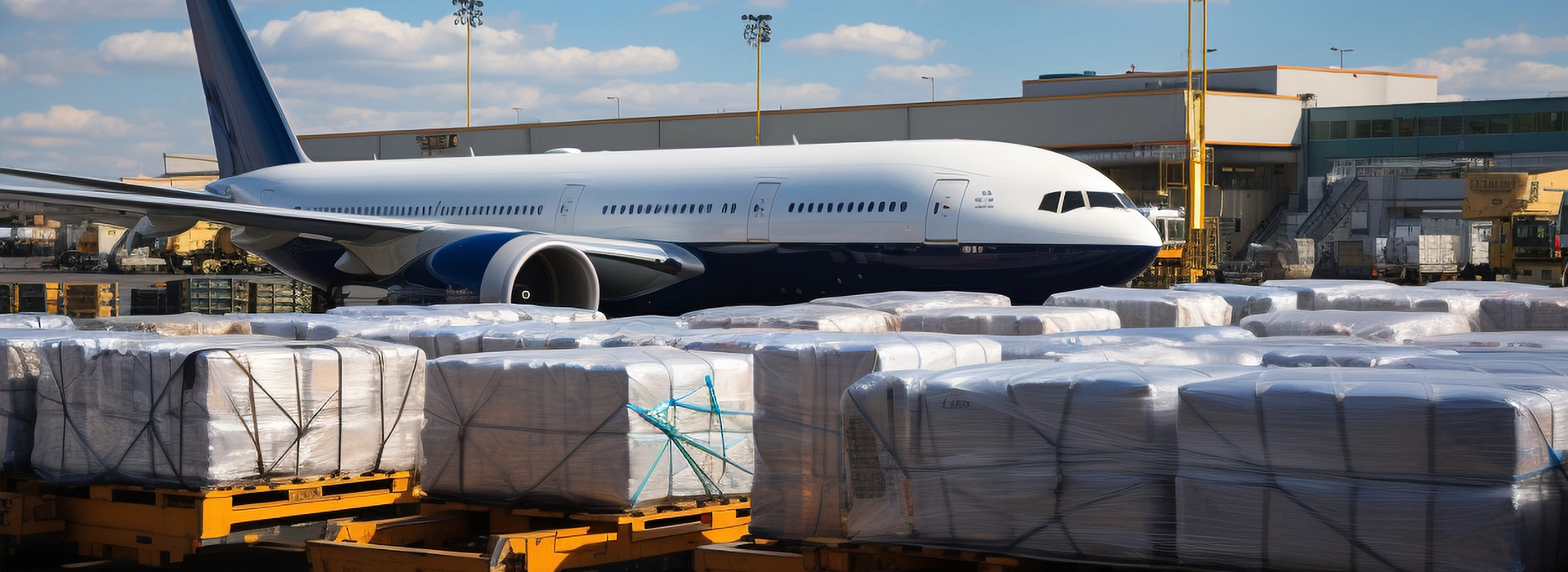






Philippine international air cargo volume increased by 15.4% in the first half of the year
Data from the Civil Aviation Authority of the Philippines shows that in the first half of 2026, the Philippines’ international cargo and mail transportation volume reached 259.468 million kilograms, a year-on-year increase of 15.4%; the inbound volume increased to 1402.68 million kilograms, and the outbound volume increased to 119.2 million kilograms, an increase of 12.2% and 19.3% respectively; Philippine Airlines continued to lead with a 17.4% share. The demand for import and export air logistics has rebounded simultaneously, and freight forwarders and cross-border trade companies need to strengthen space planning, customs clearance connection and timeliness management.
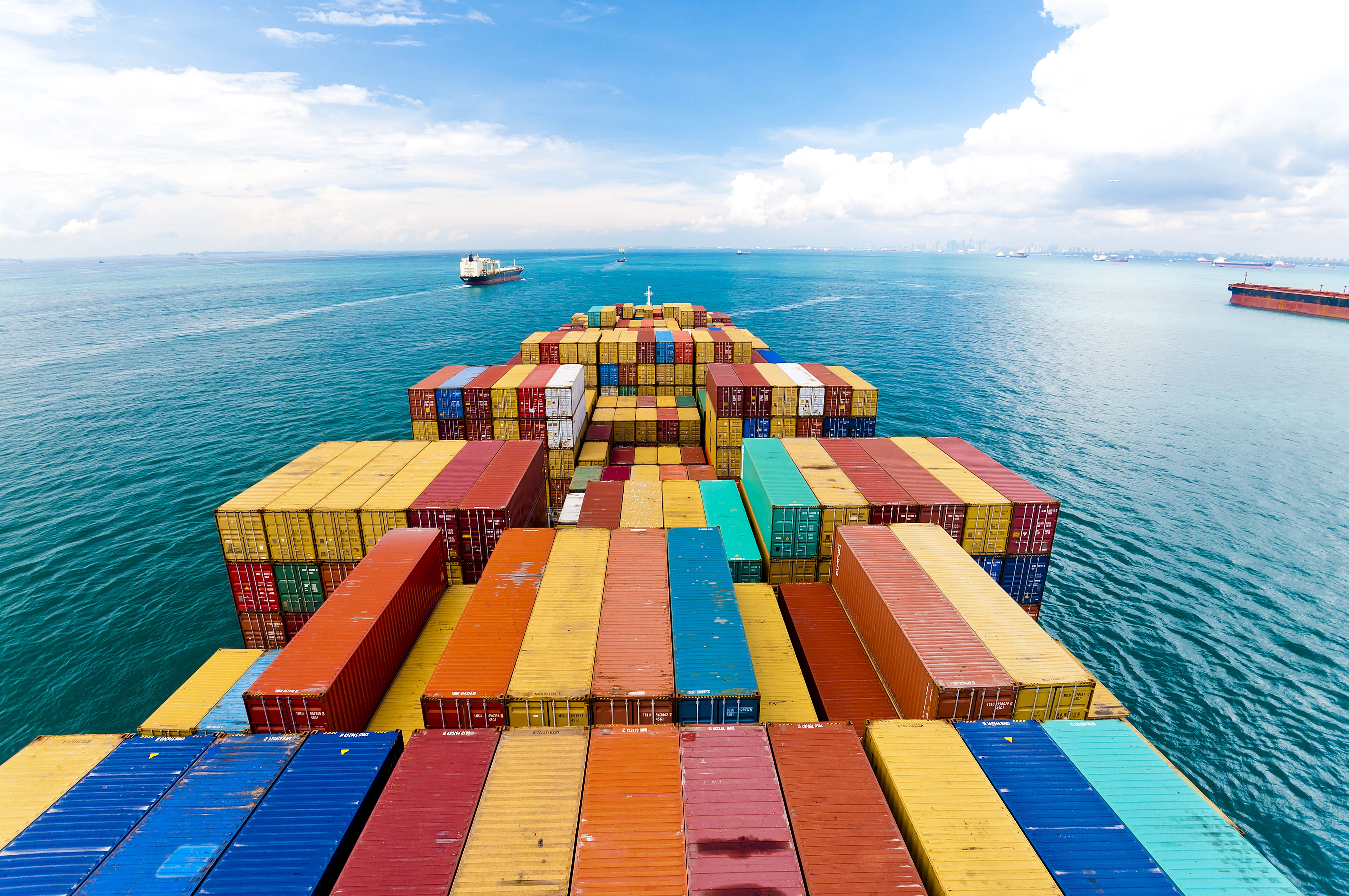
The Philippine international air cargo market will maintain rapid growth in the first half of 2026. Statistics from the Civil Aviation Bureau of the Philippines (CAB) show that from January to June, air carriers operating in the Philippines handled a total of 259.468 million kilograms of international cargo and mail, an increase of 15.4% from 224.897 million kilograms in the same period in 2025. This means that air logistics links between the Philippines and overseas markets continue to expand, with growth on both the import and export ends.
Inbound cargo and mail were 140.268 million kilograms, accounting for 54.1% of the total, a year-on-year increase of 12.2%; outbound transportation volume reached 119.2 million kilograms, an increase of 19.3% from 99.886 million kilograms in the same period last year. The scale of incoming ports is still large, but the growth rate of outgoing ports is faster, indicating that the demand for air transportation on the export side of the Philippines is increasing. Air transport is of great value to goods with high timeliness requirements, but the data released by CAB is not broken down by commodity category, so it is impossible to confirm how much increment was contributed by electronic products, parts, medicine or e-commerce packages.
In terms of carrier rankings, Philippine Airlines (PAL) continues to rank first. Among the 45 carriers listed by CAB, PAL handled 45.101 million kilograms, accounting for 17.4% of the total and an increase of 14.8% compared with the same period last year. Cebu Pacific ranked second with a share of 35.495 million kilograms and 13.7%, an increase of 7.3% from last year. Royal Air Philippines ranked third, handling 17.121 million kilograms, accounting for 6.6%; since it only started its cargo business last year, there is no comparable data.
Other major carriers also saw notable changes. Hong Kong Cathay Pacific handled 16.493 million kilograms, a year-on-year increase of 39.4%; Singapore Airlines handled 12.893 million kilograms, a year-on-year increase of 33.5%; Hong Kong Air Cargo handled 12.435 million kilograms, a year-on-year increase of 16.2%; FedEx Pacific handled 11.942 million kilograms, a year-on-year increase of 20.4%. Korean Air handled 9.061 million kilograms, an increase of 18%. EVA Air handled 11.416 million kilograms, a year-on-year decrease of 9.5%, indicating that the performance of different routes and capacity configurations is inconsistent.
For cargo owners and freight forwarders, the growth in cargo volume brings business opportunities, and also increases the importance of space planning, cargo station operations, accurate documents, customs clearance connections and terminal distribution. Companies should not only compare freight rates, but also evaluate route coverage, frequency, cut-off times, transshipment arrangements, cargo visibility and exception handling capabilities. CAB data confirms market growth and carrier rankings, but does not explain the single reason for the growth; more evidence is needed to verify changes in e-commerce, export demand, fleet capacity or cargo categories. Overall, the Philippine international air cargo market shows the characteristics of rising total volume, simultaneous growth of imports and exports, and competition among carriers.
Q1: Are you a real freight forwarder or just a middleman agent?
A: We are a direct international freight forwarder, not an agent. Sunny Worldwide Logistics was founded in 1998 — with 27 years in shipping, we know every pitfall in freight and how to avoid them.
Q2: Do you have your own warehouse near the port?
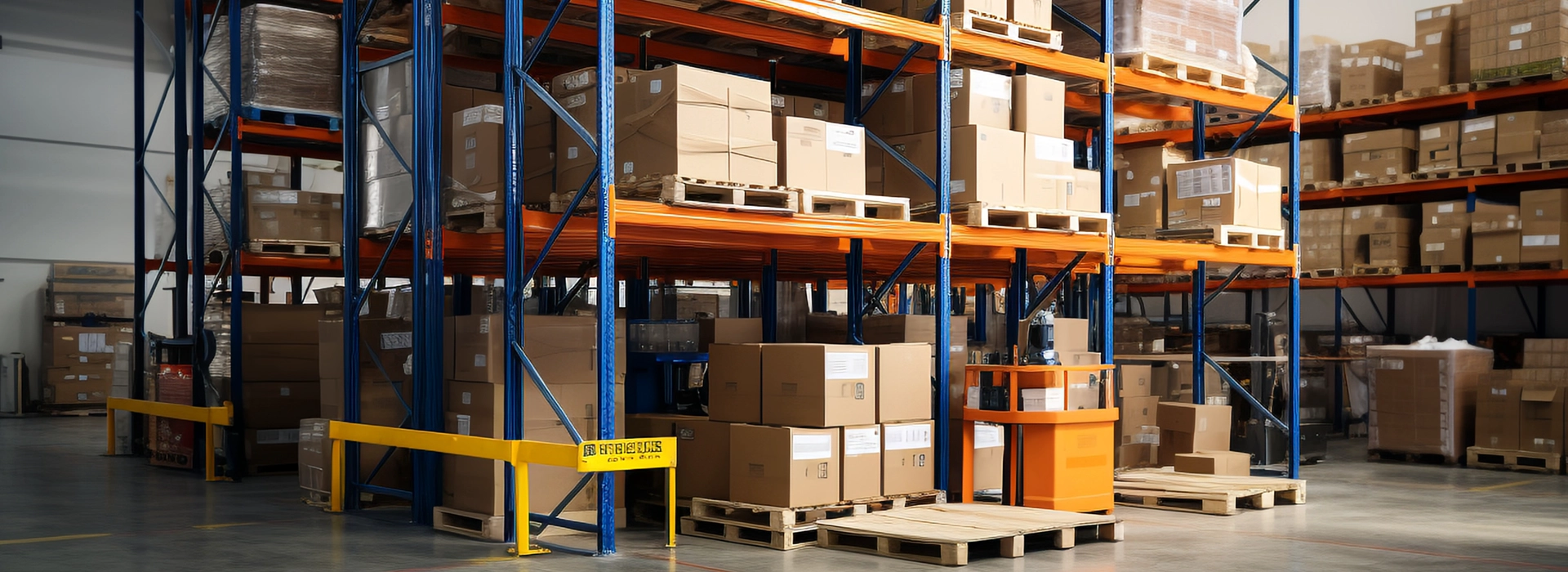
A: Yes. We own an exclusive foreign-trade warehouse at Yantian Port — only 3 companies among 60,000+ forwarders in Shenzhen can say that. Your cargo is stored and loaded in our own facility, not handed to a third party.
Q3: Do you have your own trucks for pickup?
A: Yes, we operate our own fleet of container trucks, available on call — no waiting for outsourced trucking, which makes us one of the fastest in pickup among Shenzhen forwarders.
Q4: How long have you been in freight forwarding? Is your company reliable?
A: Since 1998, 27 years. We own a 1,800㎡ Grade-A office building in Longgang, Shenzhen — few forwarders in the city can match that strength.
Q5: What shipping services do you offer from China?
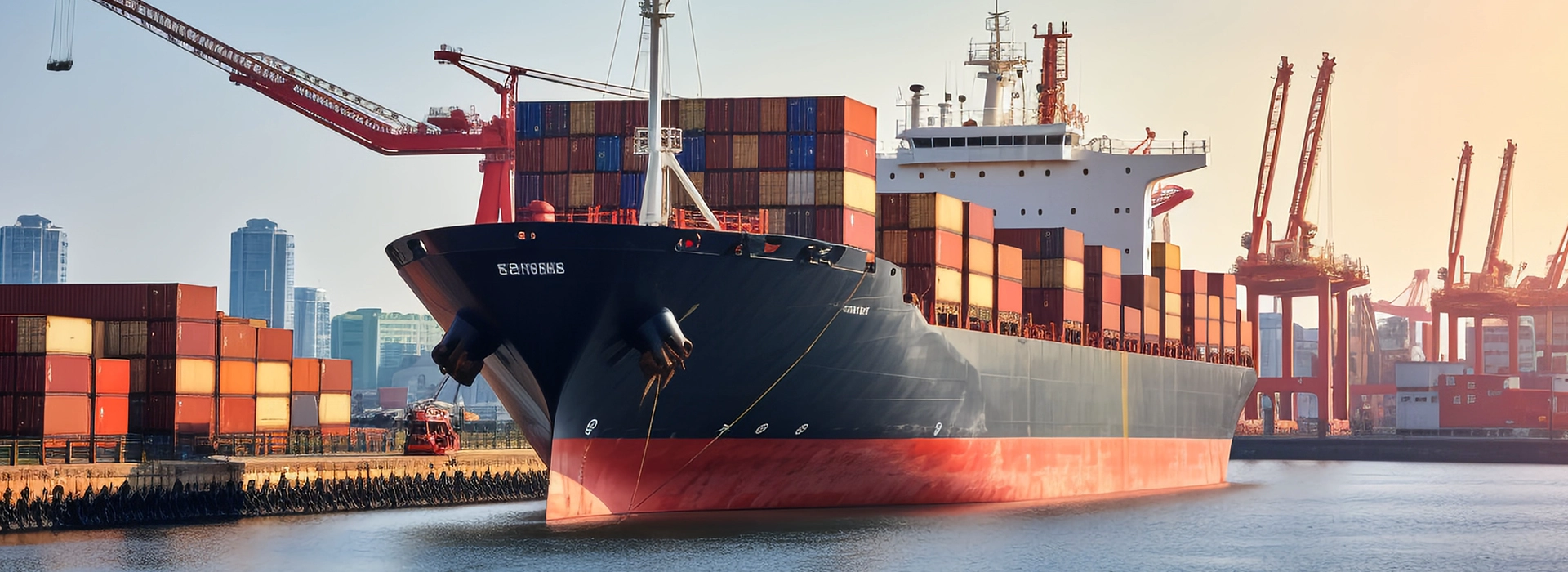
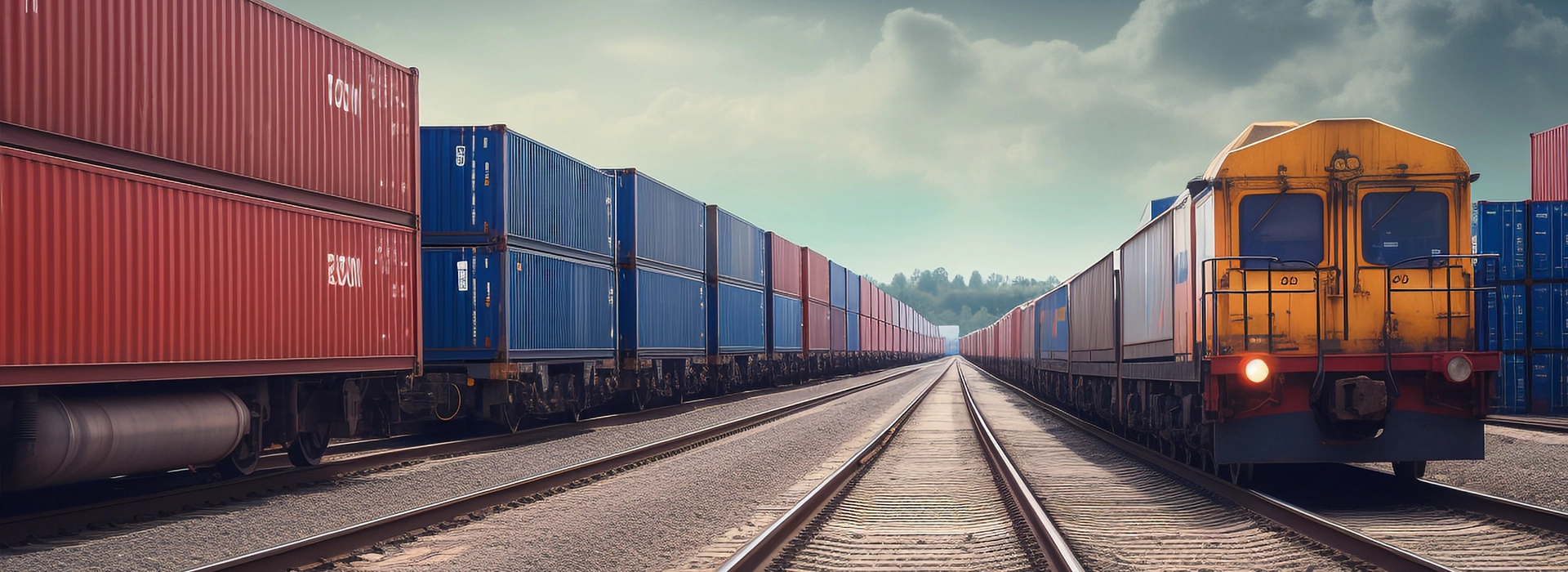
A: One-stop service: sea freight (FCL/LCL), air freight, railway, land trucking, customs declaration, warehousing, cargo inspection, container loading supervision, fumigation, and cargo insurance.
Q6: Can you pick up goods from my suppliers in Yiwu, Guangzhou or other cities?
A: Yes. We collect cargo from suppliers across China and consolidate it at our warehouse before shipping — with loading photos provided before departure.
Q7: Which countries do you ship to?
A: Worldwide — America, Europe, Australia, Middle East, Africa, Latin America. If there's a port, we can get your cargo there.
Q8: How can I get a shipping quote from China?
A: Send us your cargo details (type, volume/weight, destination) via:
📧 Email: logistics01@swwlogistics.com.cn
💬 WhatsApp/WeChat: +86-15323861694 (Lily)
📞 Tel: 0755-25643421
🌐 Rate inquiry: swwlsrates.com
Q9: Where is your company located? Can I visit your office?
A: 8th Floor, Block B, Rongde Times Square, Henggang, Longgang District, Shenzhen. Clients are welcome to visit.
Q10: Do you have any guarantee if something goes wrong with my shipment?
A: We take full responsibility for every shipment under our control — except force majeure (natural disasters). 27 years of zero-escape reputation backs every booking.