



- Browse Categories
- Air Freight
- Sea Freight
- Contact Us
-
TEL:+86-755-25643417
Fax: +86 755 25431456
Address:Room 806, Block B, Rongde Times Square, Henggang Street, Longgang District, Shenzhen, China
Postcode: 518115
E-mail: sales1@swwlogistics.com.cn Contact Now
- Logistics Services




- News CenterMore>>
-
- The Philippine Ports Authority released the latest freight growth report: the throughput of national ports reached a new high, and digital and intelligent upgrades accelerated the construction of regional trade hubs.
- Philippine ports’ container throughput will grow steadily in 2026 and digital customs clearance will accelerate
- In the first half of 2026, Philippine port container throughput reached 4.3 million TEUs, a year-on-year increase of 2.8%
- Philippine Ports Authority and Port of Antwerp-Bruges sign five-year modernization cooperation agreement
- PAL Cargo joins hands with Teleport to expand e-commerce air cargo in the Philippines
- Philippines ships 1 ton of mangoes to Vancouver to expand Canadian market
- Philippine domestic trade shipping capacity expands, Aznar cargo business grows strongly
- Philippine Customs plans to sign port congestion control order in September
- Philippines tightens air cargo dangerous goods penalty rules
- Philippine international air cargo volume increased by 15.4% in the first half of the year
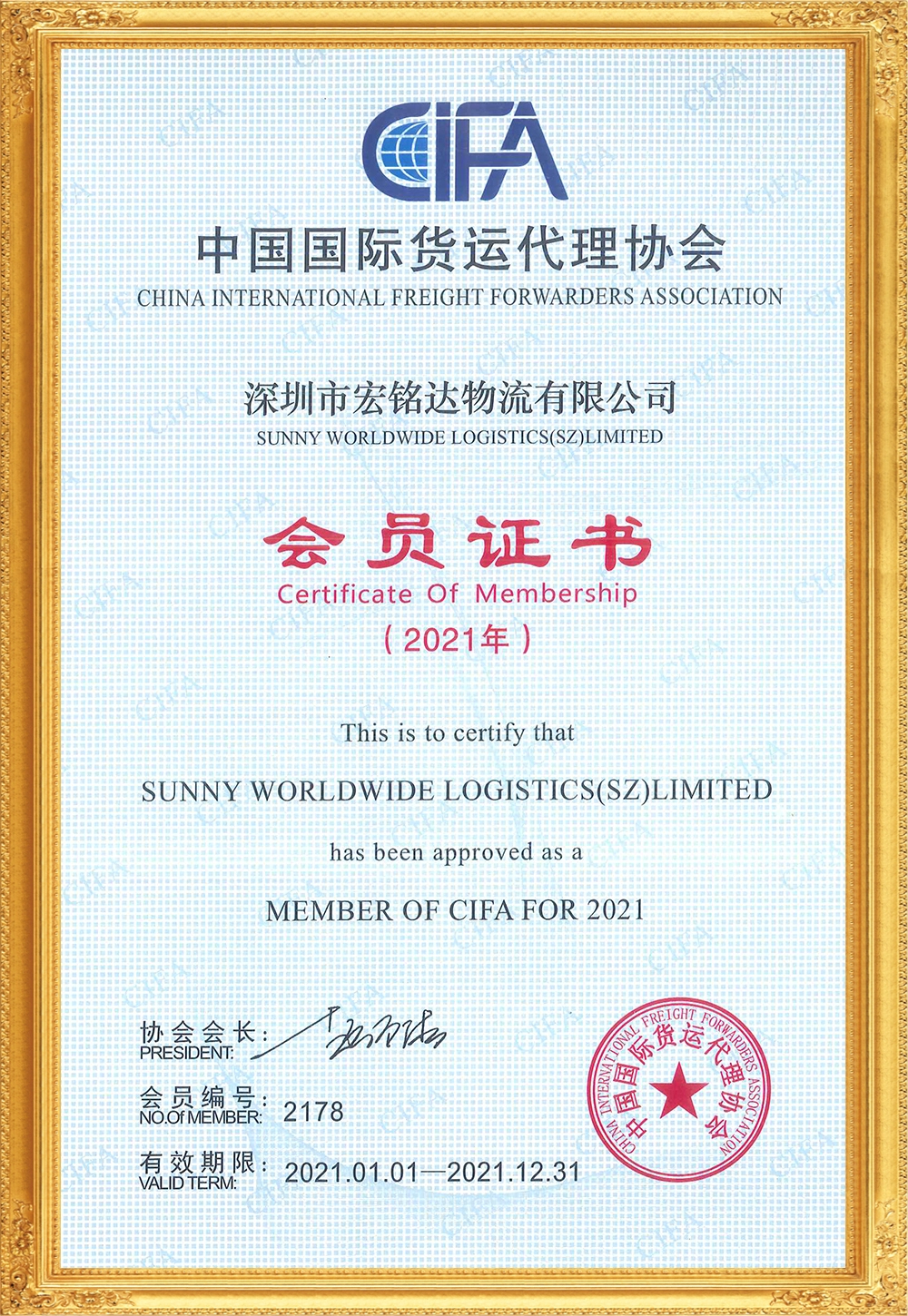
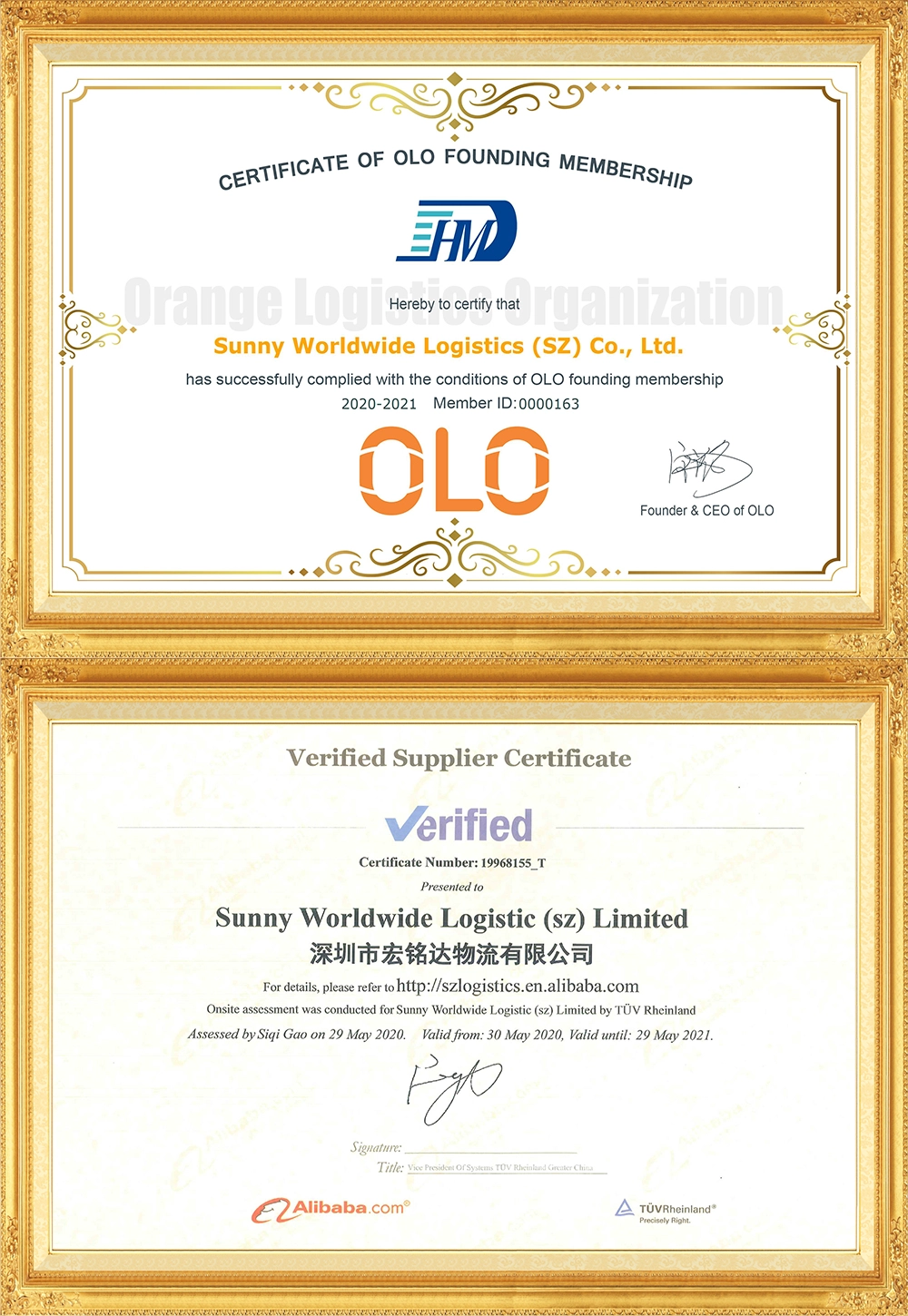
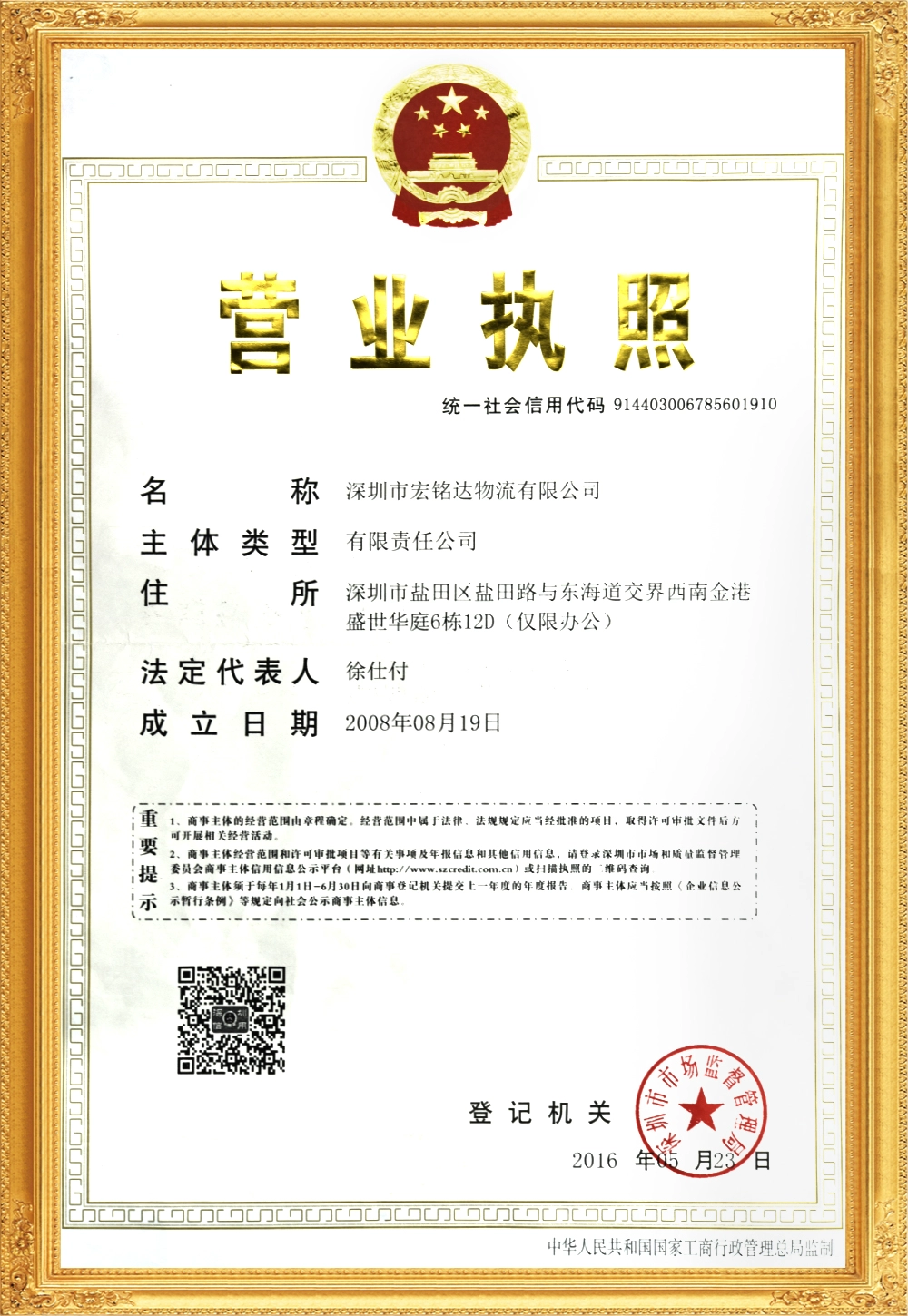
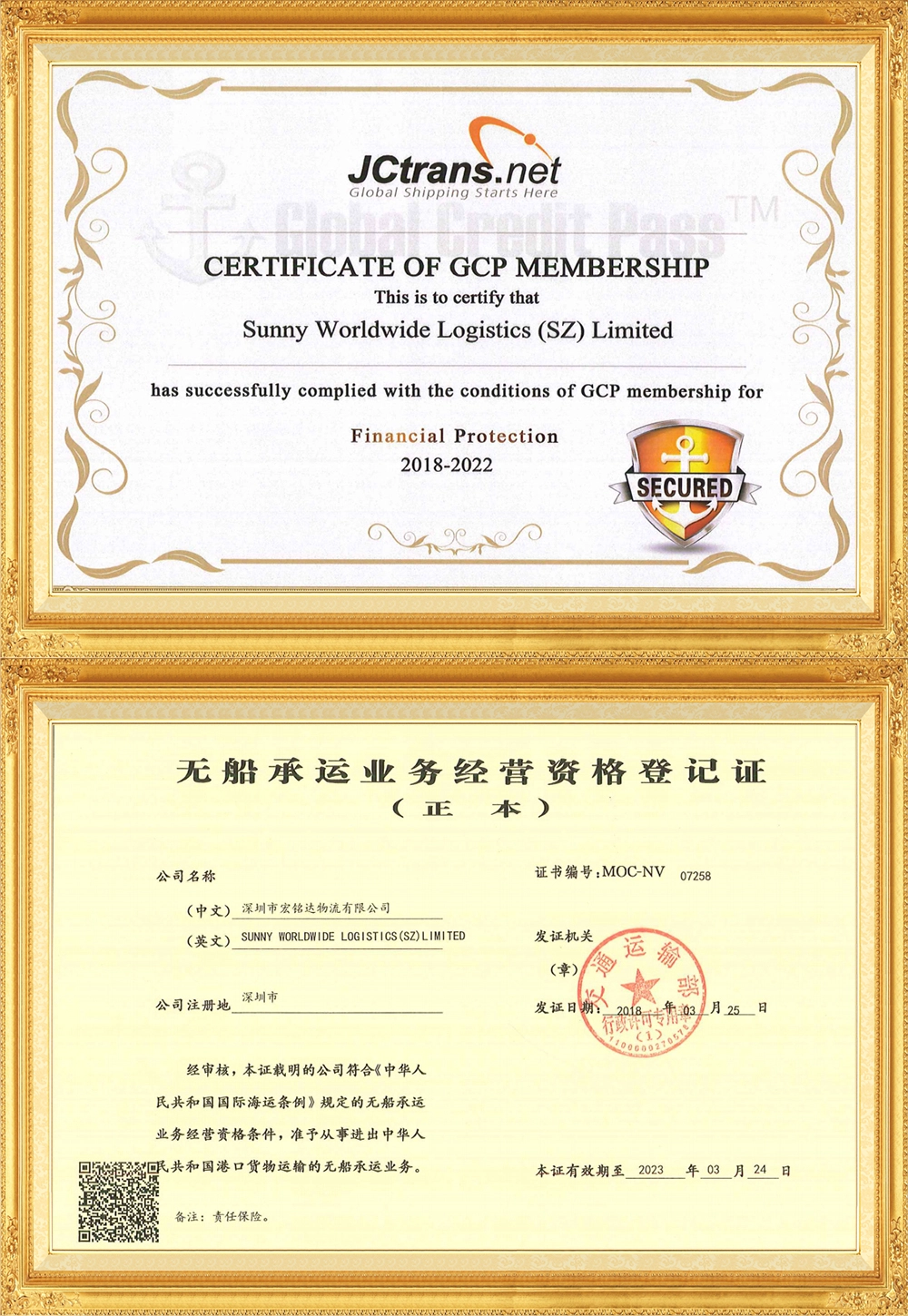
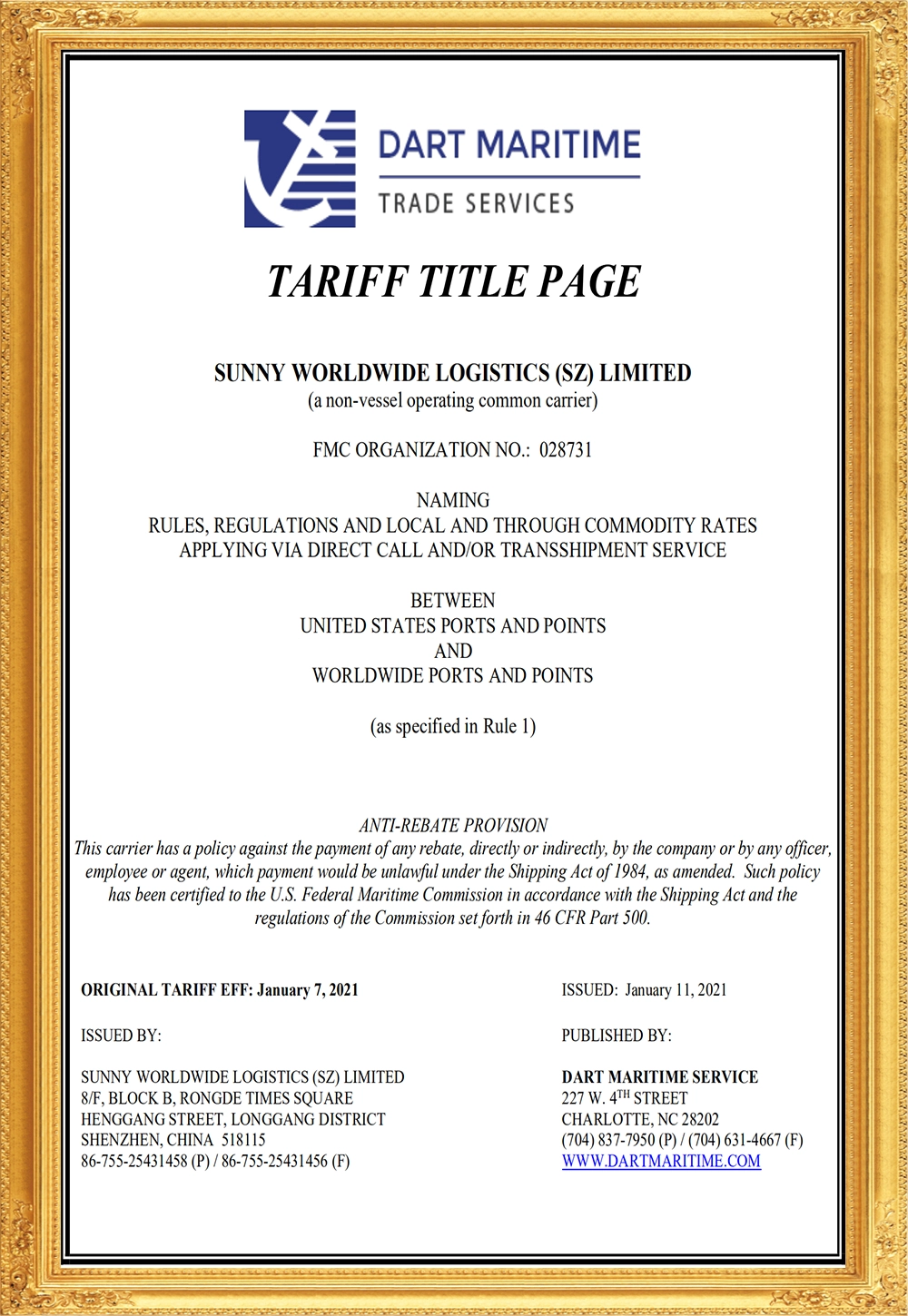
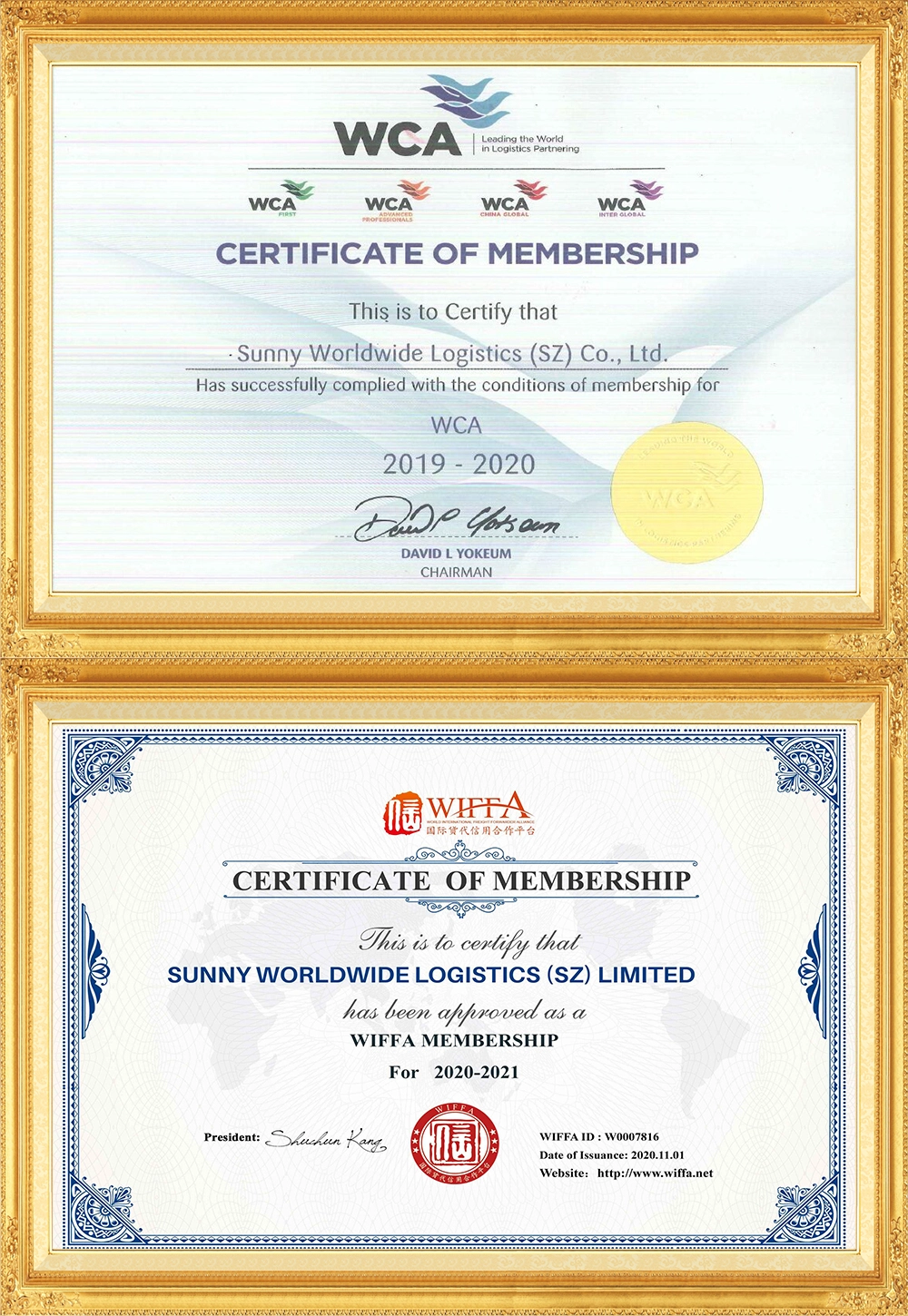
- Certifications
-
- Follow us
- Subscribe
-
Get email updates on new products
Fragile Item Packaging for Sea Freight China to Philippines DDP
- Place of Origin:China
- Departure Country/Region:CHINA (Guangzhou / Shenzhen / Shanghai)
- Destination Country/Region:PH (Philippines - Manila, Cebu, Davao)
- Transit Time (Days) Sea:15 Days (Manila) / 25 Days (Cebu & Davao); Air: 3-5 Days
- Shipping Method:DDP Door to Door (Sea & Air Freight)
- Cargo Type:Fragile goods - ceramics, glassware, sanitary ware, home appliances, furniture fittings, electronics
Fragile Item Packaging for Sea Freight | China to Philippines DDP Shipping
Most breakage claims do not start at sea. They start at the factory, on a carton that was never built for a forty-foot container, a stack six high, and weeks in a humid hold on the South China Sea run. By the time the damage is visible in Manila, the cause is two months behind you — which is why damage disputes are so difficult to win.
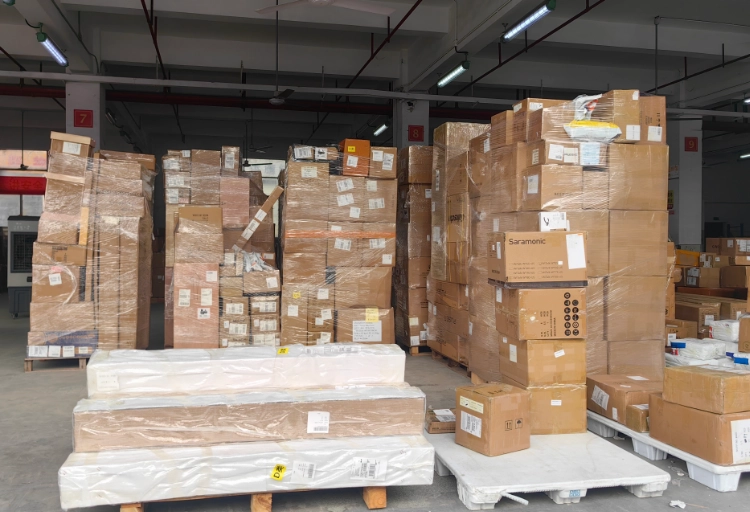
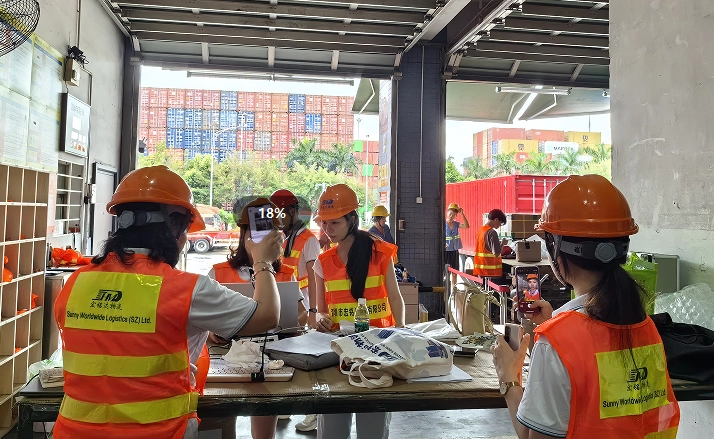
Sunny Worldwide Logistics has moved cargo on the China–Philippines lane for more than 20 years. Packaging is the part of the job most forwarders treat as given. We treat it as the part we can still control.
The Real Cost of a Broken Carton
Importers usually price damage as the value of the broken item. That is the smallest part of it.
A shattered pallet of sanitary ware costs you the goods, plus the duty and taxes already paid on them, plus the freight to replace them, plus the shelf date your buyer has now missed. If the consignment was for a project or a seasonal order, the loss is not the invoice value — it is the order. Carton and pallet upgrades that cost a fraction of the consignment are the line item most often cut to win a quotation, and they are the one that decides whether the rest of the shipment was worth sending.
Why DDP Makes Packaging More Important, Not Less
Under our DDP terms, one price covers pickup at your suppliers, export formalities, ocean or air freight, Philippine import clearance, all duties and taxes, and delivery to your warehouse. There is no separate broker at the destination holding a piece of the risk, and no side arrangement to fall back on.
That has a direct consequence for fragile cargo: the duty and taxes we pay on arrival are paid on whatever is inside the container, including the part that arrives broken. Our China to Philippines DDP shipping covers the whole journey, so the cheapest place to prevent that loss is the factory floor in China — not a claim file after discharge.
It also decides who can actually enforce a standard. Because we collect from suppliers ourselves and control stuffing, we can refuse to load a carton we know will fail, and we can re-pack before the container is sealed. A forwarder that hands the first mile to a subcontractor can only advise.
How We Handle Fragile Cargo Before It Sails
Step 1 - Carton Spec Review at Quotation Stage
Goods weighing 18 kilograms in single-wall corrugated board, stacked five high, are a claim waiting to happen. We ask for carton outer dimensions, board grade and gross weight per carton before we quote, and we will say plainly when a spec is not fit for a sea voyage. That is a cheaper conversation before booking than after discharge.
Step 2 - Inner Packing and Cushioning
The mistake in most damaged shipments is padding without immobilising. Cushioning absorbs one impact; restraint prevents the hundreds of small movements a container makes over a voyage measured in weeks. We check that glass and ceramic items are separated by cell dividers or individual wraps, that bare glass never touches bare glass, and that internal void space is filled rather than left to collapse inward.
Step 3 - Carton Strength and Stacking Load
Export cartons for fragile goods should be double-wall, and the stacking height should be planned against the board grade rather than against how much fits. Edge protectors on the corners, strapping that does not cut into the board, and a per-carton weight a warehouse worker can actually lift are all part of the spec we review.
Step 4 - Pallets, Crating and Wood Treatment
Irregular, oversized or high-value fragile items go into full crates rather than cartons. Where solid wood is used — pallets, crates or dunnage — the Philippines requires it to be treated and marked under ISPM 15, enforced by the Bureau of Plant Industry. In practice that means heat treatment to a minimum 56°C core temperature for 30 minutes, or fumigation, with the IPPC mark applied to the wood. Untreated solid wood packaging can be held or refused on arrival, which is a bad way to learn the rule. Processed wood such as plywood and particleboard, and wood 6mm or thinner, sit outside the requirement.
Step 5 - Container Stuffing and Securing
Stuffing is where fragile cargo is won or lost. Heavy cartons form the base layer and light, fragile ones sit above them — never the reverse. Gaps are filled so the load cannot shift on a rolling sea, and the area behind the doors is kept clear so nothing falls out when the container is opened. Where a load cannot be made solid with cartons alone, we use dunnage bags and lashing rather than leaving the void.
Step 6 - First Mile Under Our Own Control
We collect from your suppliers using our own trucking fleet at the Shenzhen and Guangzhou ports. This is the leg where fragile goods are most often damaged before the sea voyage even begins — a loose load on a third-party truck, or a transfer between vehicles that nobody documents. Keeping it in-house means one party is accountable from the factory door.
Step 7 - Clearance and Delivery Without a Second Handling Cycle
Sea freight runs roughly 15 days door to door to Manila and about 25 days to Cebu or Davao; for a sample or an urgent replacement, air freight arrives in 3 to 5 working days. On arrival we clear the shipment, pay the assessed duties and taxes, and deliver to your warehouse, with clearance typically running 1 to 2 days ahead of the industry average. Fewer days at the terminal means fewer handling cycles on a fragile load. Delivery is free within 30km of the Metro or downtown area. We also confirm in advance whether your delivery point has a dock or a tail-lift, because a fragile consignment that has to be manhandled out of a side door needs to be planned, not improvised.
Why Shippers Trust Sunny Worldwide Logistics with Fragile Cargo
We own the first mile. Our own trucking fleet collects from suppliers at the Shenzhen and Guangzhou ports, so the leg where fragile goods are most often damaged stays in our hands rather than being handed to a subcontractor.
More than 20 years on this lane. Two decades of Philippine import rule changes have already been absorbed. We would rather flag a compliance risk at quotation stage than have you discover it at the port.
Credentials you can check. NVOCC and FMC registered, and members of the Worldwide Cargo Alliance, CIFA, JCTRANS, WIFFA, FUDA, SZSSA and OLO.
Options, not a single price. Every inquiry gets at least three routing or consolidation options, designed to save clients at least 5% against their current arrangement.
We can show you where your cargo is. Our dedicated warehouse system lets you see inventory and shipment records as they move, instead of waiting for a weekly update.
We take care of the cargo more than the owner does — and on fragile freight that is not a slogan, it is the loading plan.
Frequently Asked Questions
Do you re-pack goods that arrive at your warehouse in weak cartons?
Yes, where the goods can be re-packed safely, and we will tell you what it costs before doing it. Where a carton is structurally unsuitable, we would rather raise it at that point than load it and hope.
Who is responsible if fragile goods arrive damaged?
It depends on the cause, and we assess it on the evidence — carton condition, loading photos and the stuffing record. Damage traceable to packaging that could not survive transit remains the shipper's responsibility, which is why we push the spec review upstream. Optional cargo insurance is available and is often the right answer for high-value fragile cargo.
Do wooden pallets and crates need special treatment for the Philippines?
Yes, if they are solid wood. The Philippines requires wood packaging material to be treated and marked under ISPM 15, enforced by the Bureau of Plant Industry. Heat treatment or fumigation with the IPPC mark is required; untreated solid wood can be held or refused on arrival.
Talk to a Fragile Cargo Specialist
Fragile logistics is a packaging and loading discipline before it is a transport one. If your current forwarder quotes the freight and leaves the cartons to you, it is worth a second opinion.
Contact Sunny Worldwide Logistics with your product type, carton dimensions and delivery address, and we will come back with a DDP quotation and a packing standard for your cargo.
Tel:+86 13534256878
Wechat:+86 13534256878
Contact Person:Mavis

- Other Products