
















Breaking: U.S. and Iran Reach Ceasefire Memorandum of Understanding; Strait of Hormuz Set to Reopen, Marking Turning Point in Global Shipping’s Biggest Geopolitical Risk
1. A quick overview of core breaking news
On June 14, local time, the United States officially announced that it had reached a memorandum of understanding on armistice and peace with Iran. The two sides will permanently cease military confrontation on all fronts; on June 19, a formal signing will be completed in Switzerland, and the Strait of Hormuz will gradually resume full navigation. People's Daily Online.
-
1. The United States immediately lifted the naval blockade against Iranian waters and officially announced free passage for the first 60 days of the opening of the strait; -
2. Iran and Oman jointly hold the shipping management rights in the strait, and after the 60-day transition period, compliance tolls will be charged based on navigation services; -
3. Mine clearance and obstacle clearance operations are carried out simultaneously on the waterway, and military operations such as ship attacks and maritime interceptions are completely suspended; -
4. Only today the first LNG ship successfully crossed the strait. At this stage, the whole is still in the control and release stage, and large-scale navigation will have to wait for the signing of the contract on the 19th. Today's Toutiao
2. Direct benefits to the international logistics industry (main port-to-port CIF/FOB shipping and air transportation)
1. Route timeliness is greatly shortened, and detour costs are significantly reduced.
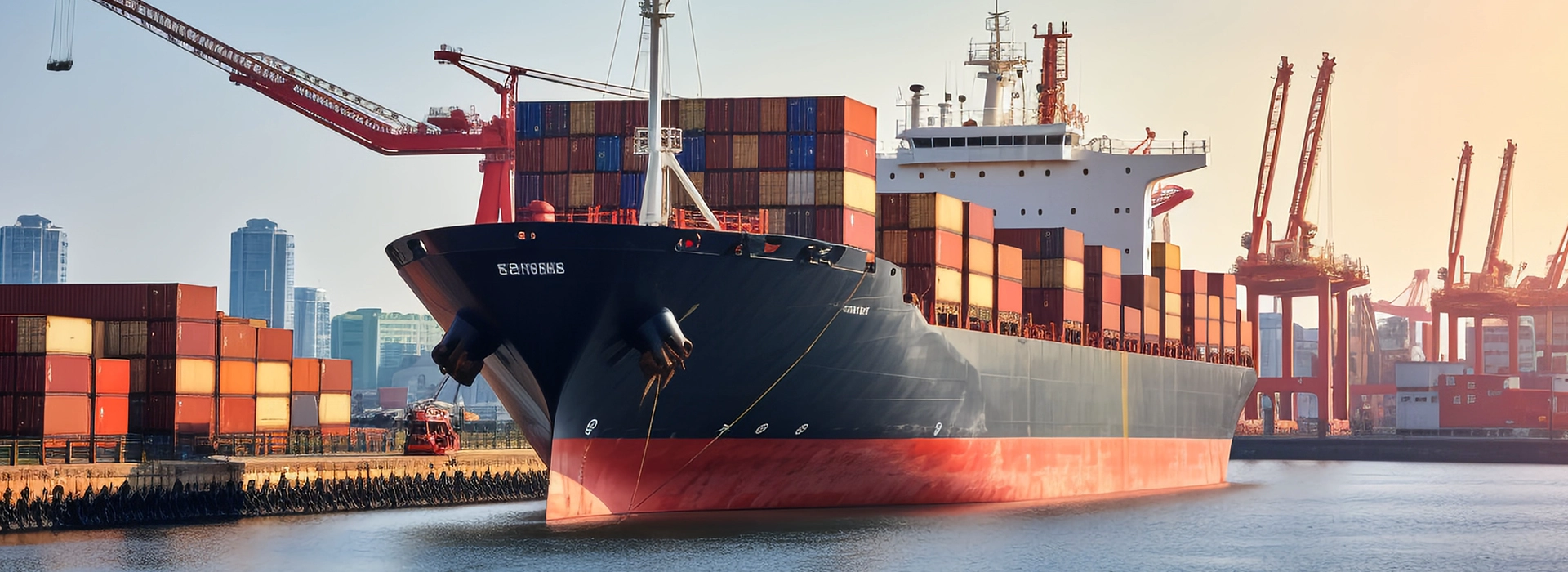
In the past few months, routes in the Middle East, Asia and Europe, and the Mediterranean have been forced to detour around the Cape of Good Hope to avoid risks, lengthening the voyage by 7-14 days. After the strait became stable and open to navigation, direct shipping routes were restarted, one-way sailing time was directly shortened by more than a week, and the problems of ship delays and port delays were fundamentally alleviated.
2. High war risk and conflict surcharges will be gradually reduced
Affected by geo-risks, war insurance premiums for Middle East routes have skyrocketed to 7.5%-10% of the hull value, ECS emergency conflict surcharges and detour surcharges have been layered on top of each other, and comprehensive logistics costs for CIF shipments have skyrocketed by 40%-60%. As navigation risks are downgraded, major insurance institutions and shipping companies will gradually reduce risk surcharges, giving foreign trade companies room to reduce their shipping costs.
3. Oil prices fell in response, and the pressure on fuel surcharges eased
After the news came out, international crude oil fell by more than 5%, energy prices cooled, and the rising momentum of BAF fuel surcharges for sea and air transportation stopped. It is expected to continue to fall in the future, which is good for shipments on all trunk routes in the long term.
4. The tight situation of space in the Middle East routes has gradually eased.
Previously, a large number of ships were stranded in the Persian Gulf anchorage, and shipping companies reduced direct flights to the Middle East, making it difficult to find a cabin in the Middle East, India and Pakistan routes. After the waterway was unblocked, stranded ships were evacuated in an orderly manner, shipping companies resumed direct flights, and the supply of space continued to increase.
3. Key risk reminder: Do not be blindly optimistic, there are still many variables in the short term
-
1. The Strait was not fully liberalized before the official signing of the contract.
-
At present, only single ships can apply for permission to pass. Large-volume container ships and bulk carriers are still unable to move freely. Full navigation capabilities will not be restored until the signing of the contract on June 19 and the completion of channel mine clearance. Shipments in the past week still need to reserve a time buffer.
-
2. The risk of disturbance in the situation in Israel has not been eliminated
-
On the eve of the implementation of the agreement, Israel launched an air strike on Lebanon. Both the United States and Iran expressed dissatisfaction. Regional local frictions are still likely to recur. Shipping risks will not be cleared instantly. It is recommended that high-value goods still carry all risks war risks in the short term.
-
3. The capacity recovery cycle is long, and it is difficult for freight rates to fall sharply in the Q3 peak season. This round of global cargo rush is not only caused by the Strait of Hormuz, but also is caused by the multiple pressures of US tariff rush, European and American peak season stocking, shipping companies' reduced schedules, and global port congestion. Even if navigation across the strait is restored, demand will be strong during the peak season of foreign trade shipments from June to August, and shipping space will still be tight. Freight rates will only fall slightly, and there will not be a cliff-like drop.
-
4. Access service fees will be incurred after the 60-day free access period. Iran has the right to manage strait shipping. After the transition period, service fees related to navigation safety and maritime security will be charged. Long-term Middle East routes will still add fixed access costs. This part of the budget needs to be reserved in advance when calculating CIF quotations.
-
Final message
The unblocking of navigation in the Strait of Hormuz is the biggest positive turning point for international logistics this year, and the geopolitical shackles that have lasted for several months are loosening. However, the contradiction between supply and demand in the shipping market and the pressure of overseas peak season stocking cannot be eliminated in the short term. Peak season shipments still need to lock cabins in advance and stabilize risks. Our company is mainly engaged in traditional FCL/LCL shipping, general cargo air transport in Shanghai and Ningbo ports, traditional port-to-port CIF/FOB, US and Canada DDU DDP customs clearance and delivery, etc. We continue to track the Strait navigation dynamics and shipping company surcharge adjustments in real time. We can connect with the Middle East, Europe and the United States shipping plans at any time, and match you with the optimal route plan as soon as possible.