

















26 Chinese containers became abandoned! or face destruction
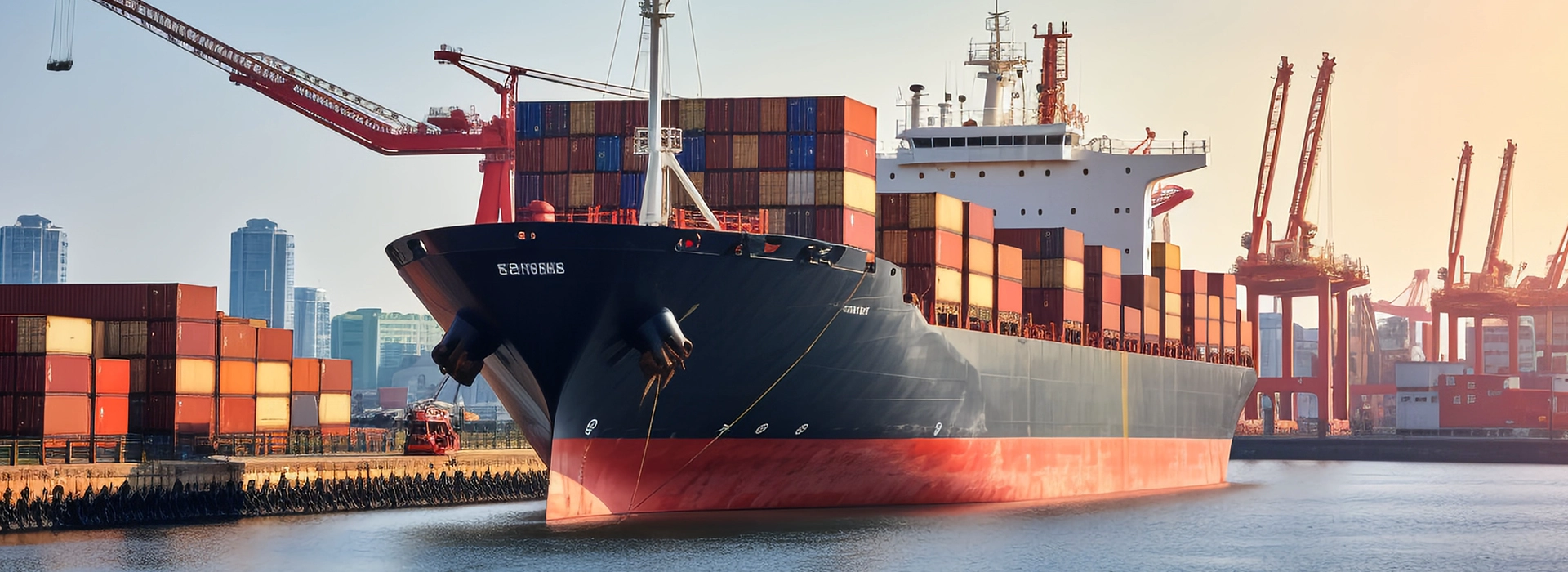
Recently, the Philippine Customs Service seized and announced the disposal of a batch of abandoned red onions imported from China at the Manila International Container Port. The cargo consisted of 26 containers, carrying approximately 650 tons of fresh red onions, with a total value of approximately Php 86.68 million. Since the consignee has not completed customs clearance and delivery procedures for a long time, this batch of goods has been deemed as "abandoned goods" in accordance with the law. Relevant departments in the Philippines are simultaneously launching investigations into related import practices.
It is understood that these 26 containers contain a total of 72,215 bags of fresh red onions, with a total weight of approximately 650,000 kilograms. The goods will gradually arrive at the Manila International Container Port between December 2025 and January 2026. According to customs records, the total amount of duties and other taxes payable on this batch of goods is approximately 9.648 million pesos, of which approximately 9.074 million pesos have not yet been paid. Although the importer held an import license issued by the Plant Industry Bureau of the Philippine Department of Agriculture, the goods never completed customs declaration, tax payment and delivery procedures after arriving at the port, which ultimately triggered the "abandoned goods" provisions of Article 1129 of the Customs Modernization and Tariff Act.
During a joint inspection, the Philippine Department of Agriculture, the Bureau of Customs and regulatory agencies found that a large number of onions had sprouted, mildewed, rotted and leaked from containers. The quality of the products had seriously deteriorated and they were no longer suitable for human consumption. The agricultural department has recommended banning this batch of goods from entering the market and studying the initiation of destruction procedures. The Philippine government also specifically pointed out that it is currently the harvest season in the country's main onion-producing areas. If this batch of imported onions is allowed to flow in, it will not only pose food safety risks, but may also affect the income of local farmers. Relevant departments are investigating whether there are "excessive imports" or other violations.
Ariel Nepomuceno, Director of the Philippine Customs Service, said that the Customs will continue to strengthen the supervision of agricultural product imports and take law enforcement actions against suspicious, unclaimed or abandoned goods to safeguard the rights and interests of domestic agricultural producers, consumers and legal operators.
Logistics and trade risk warning behind the incident
For international trade and freight forwarding companies, this incident has released a number of risk signals worthy of vigilance:
Import permission does not equal final release:
Although the goods in this case held a legal import license, they were ultimately deemed abandoned because the consignee failed to complete customs declaration, pay taxes and pick up the goods in a timely manner. Compliance with import qualifications is only the first step, and subsequent customs clearance and compliance are equally critical.
The risk of fresh goods being stranded at the port is extremely high:
Although onions are storable agricultural products, long-term storage at the dock will still lead to germination, rot and quality deterioration. Once food safety issues arise, the value of the goods may quickly return to zero, or even face forced destruction.
Risks of market policy changes in the destination country:
The Philippines has continued to strengthen supervision of agricultural product imports in recent years and is highly concerned about the impact of import volumes on domestic agriculture. Agricultural product export companies need to pay close attention to the quota policies, seasonal restrictions and local industry protection measures of the destination country.
The cost of abandoned goods far exceeds the freight loss:
Once the goods are abandoned, in addition to the loss of value, the cargo owner may also face additional expenses such as port fees, storage fees, demurrage fees, destruction fees and legal liabilities. For freight forwarders, there may also be operational risks such as unrecoverable advance fees and loss of contact with customers.
In recent years, many countries around the world have continued to tighten regulations on agricultural product imports. The incident of 26 containers of onions being abandoned in the Philippines shows that even if the goods have legal import qualifications, if the market demand is misjudged, the importer's capital chain is broken, or the importer gives up on picking up the goods, it may still turn into large-scale abandonment. For exporters, importers and freight forwarding companies, when arranging the transportation of agricultural products and perishable goods, they should confirm the credit status of the consignee, customs clearance capabilities, and the market environment of the destination country in advance to avoid major economic losses caused by long-term detention of goods at the port.
In the context of the current complex global trade environment and the tightening of agricultural product protection policies in various countries, the operating model of "ship first, find markets later" is facing increasing risks. 26 containers, 650 tons of onions, and a cargo value of more than 86 million pesos were eventually abandoned due to no one to pick them up. This was not only an agricultural product import incident, but also a typical case of "error in market judgment lack of contract performance management" in the international trade chain.