



- Browse Categories
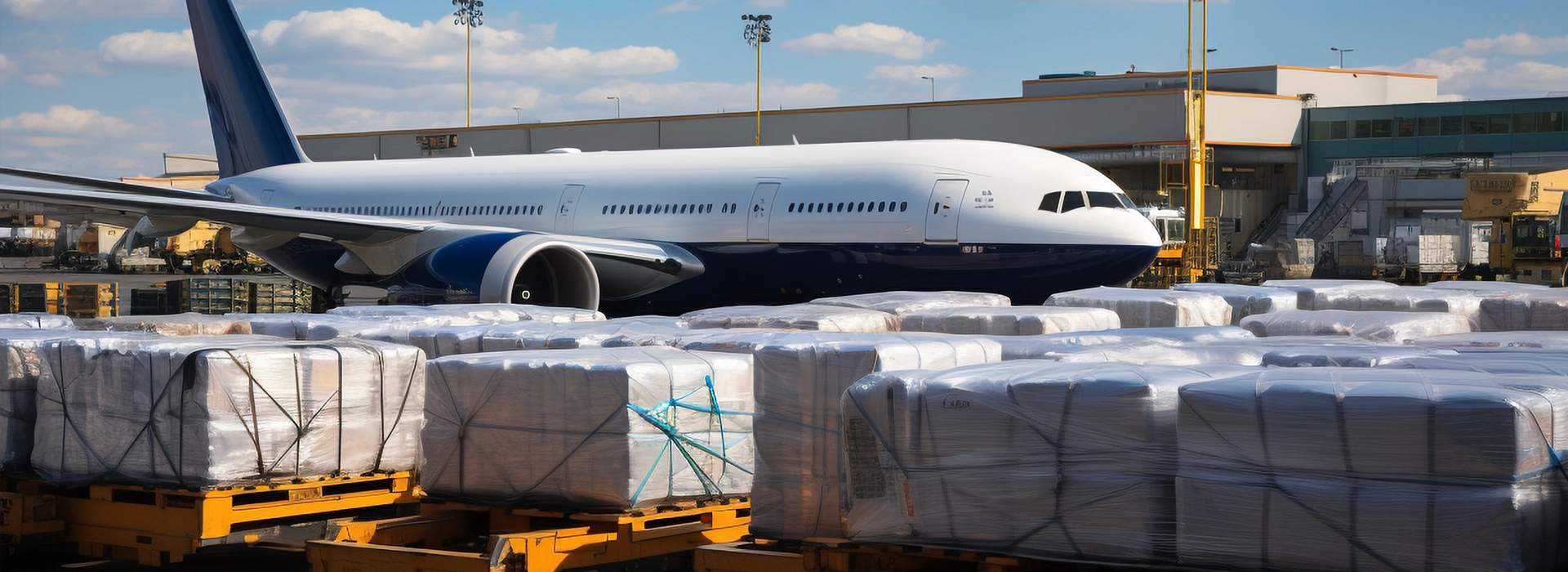
- Air Freight
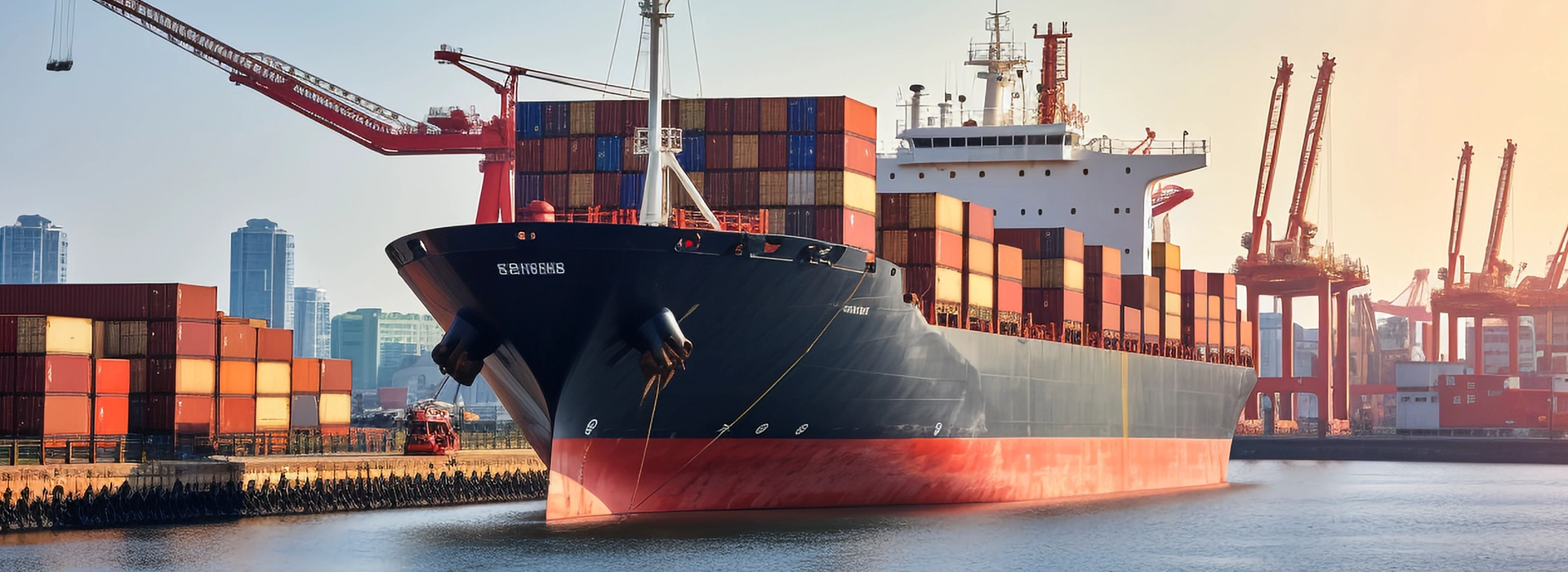
- Sea Freight
- Contact Us
-
TEL:+86-755-25643417
Fax: +86 755 25431456
Address:Room 806, Block B, Rongde Times Square, Henggang Street, Longgang District, Shenzhen, China
Postcode: 518115
E-mail: sales1@swwlogistics.com.cn Contact Now
- Logistics Services


- News CenterMore>>
-
- The latest developments in the Philippine freight market: sea freight prices are raised across the board at the end of the year and US air freight space continues to tighten
- The surge in demand during the peak season at the end of the year has pushed up shipping rates in the Philippines, and air transport capacity to the United States continues to be tight.
- Strong growth in foreign trade and containers, Philippine port cargo throughput continues to rise
- The Philippine Ports Authority releases the latest freight news: foreign trade volume drives steady growth in port throughput across the country
- Philippine Ports Authority releases freight data: Manila Port throughput increases steadily and digital customs clearance upgrades
- Philippine port throughput is rising steadily: cargo volume will exceed 154 million tons in 2026
- Philippine sea and air cargo throughput grows strongly: ports and airports accelerate port dredging and improve efficiency
- The Philippines comprehensively promotes the construction of the Luzon Economic Corridor and SCMB freight railway and strives to solve the problems of port congestion and high freight rates.
- Multiple Philippine ministries and commissions have promoted the JAO joint administrative order: comprehensively standardizing container management and shipping miscellaneous charges to resolve the year-end congestion crisis at Manila Port
- Philippines cross-department finalizes JAO administrative order to break port congestion: expand storage yard and extend customs inspection
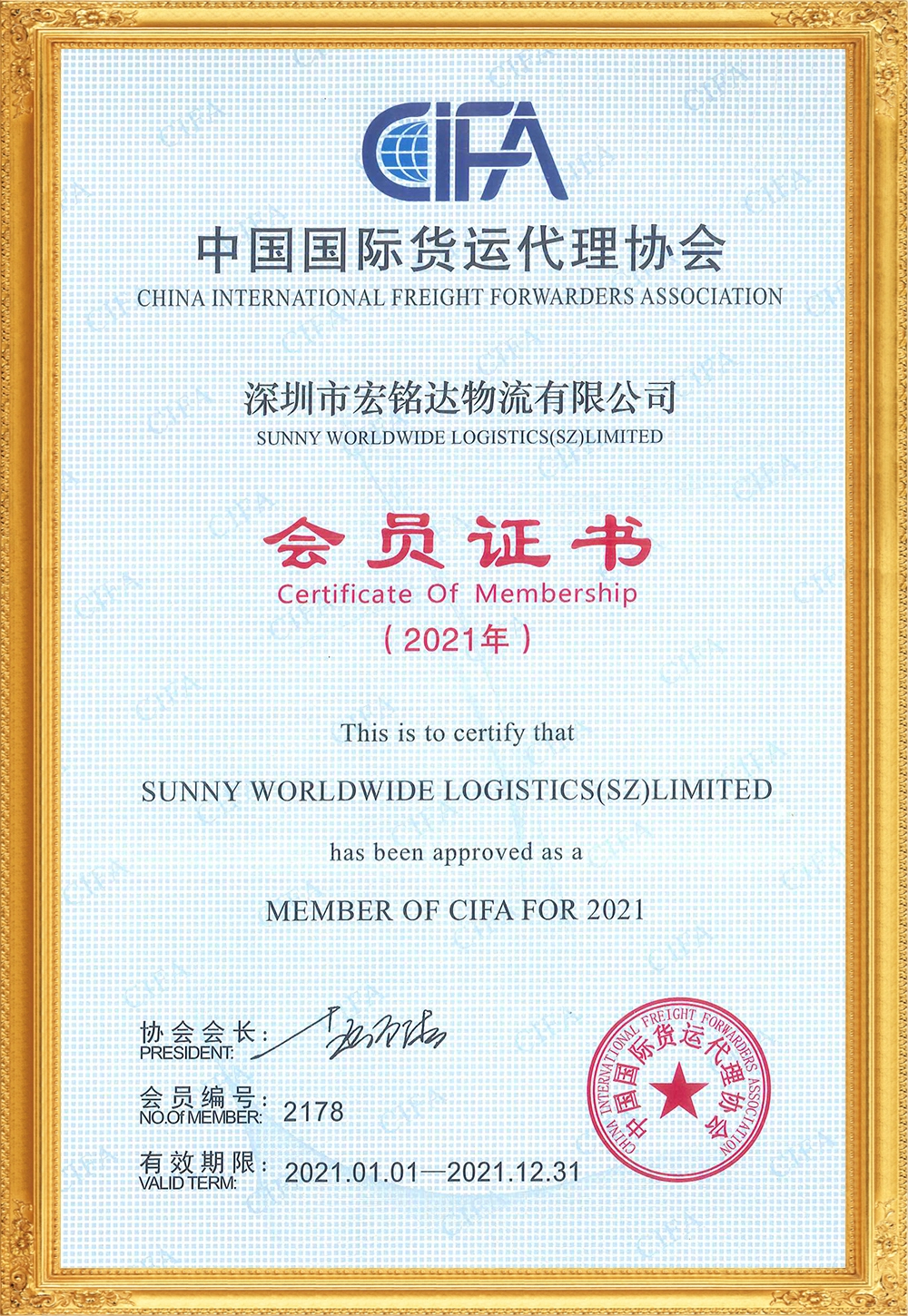
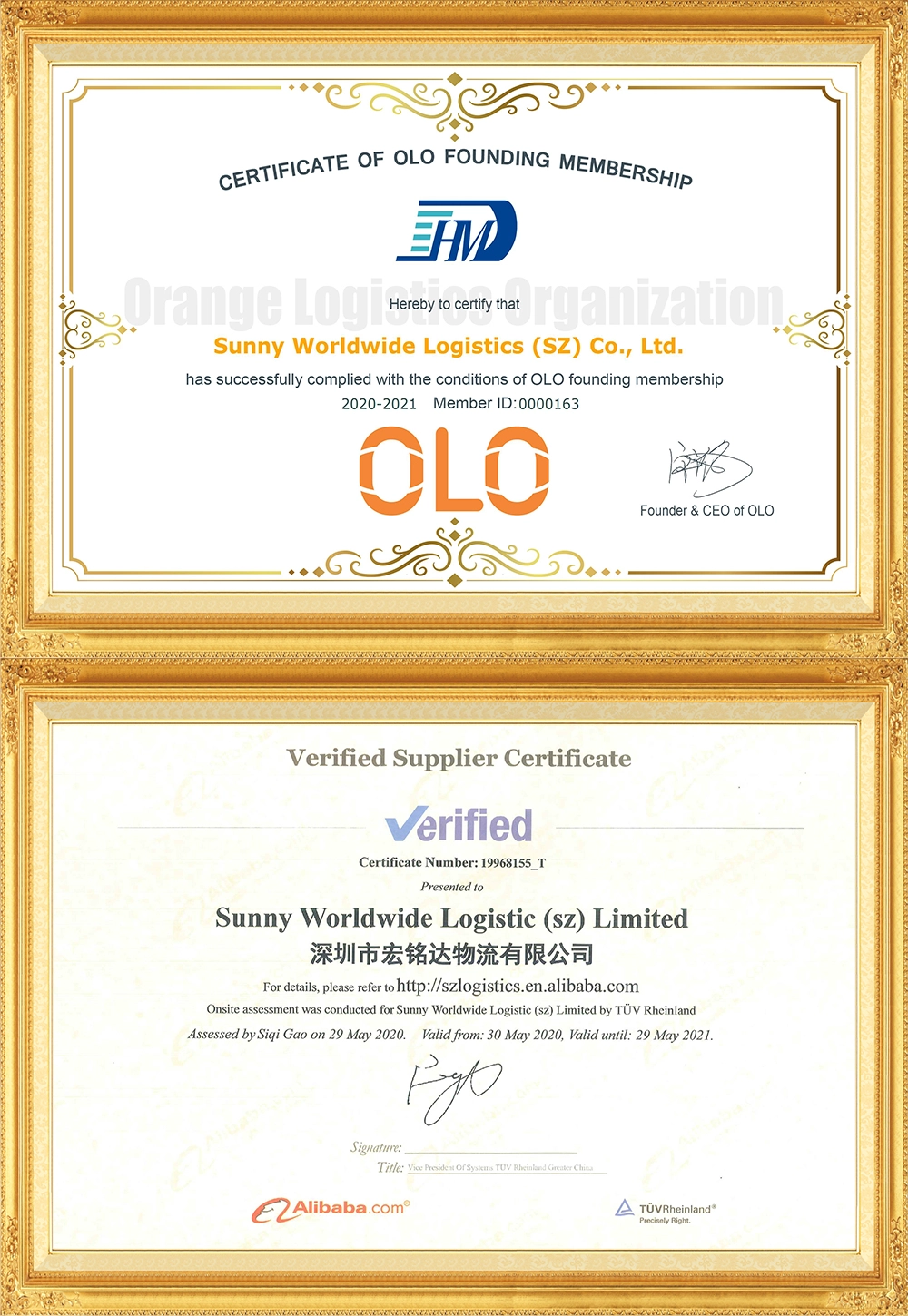
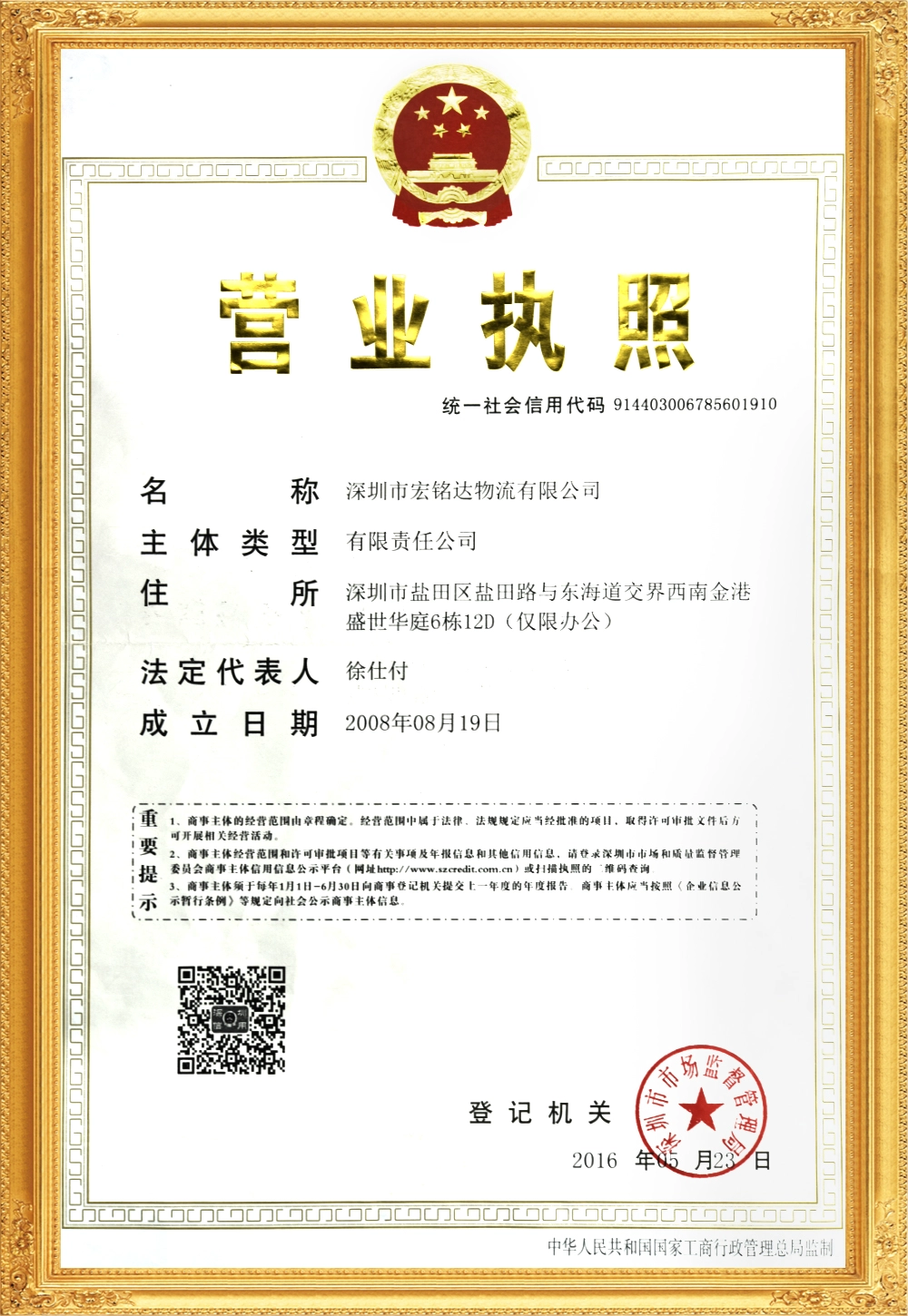
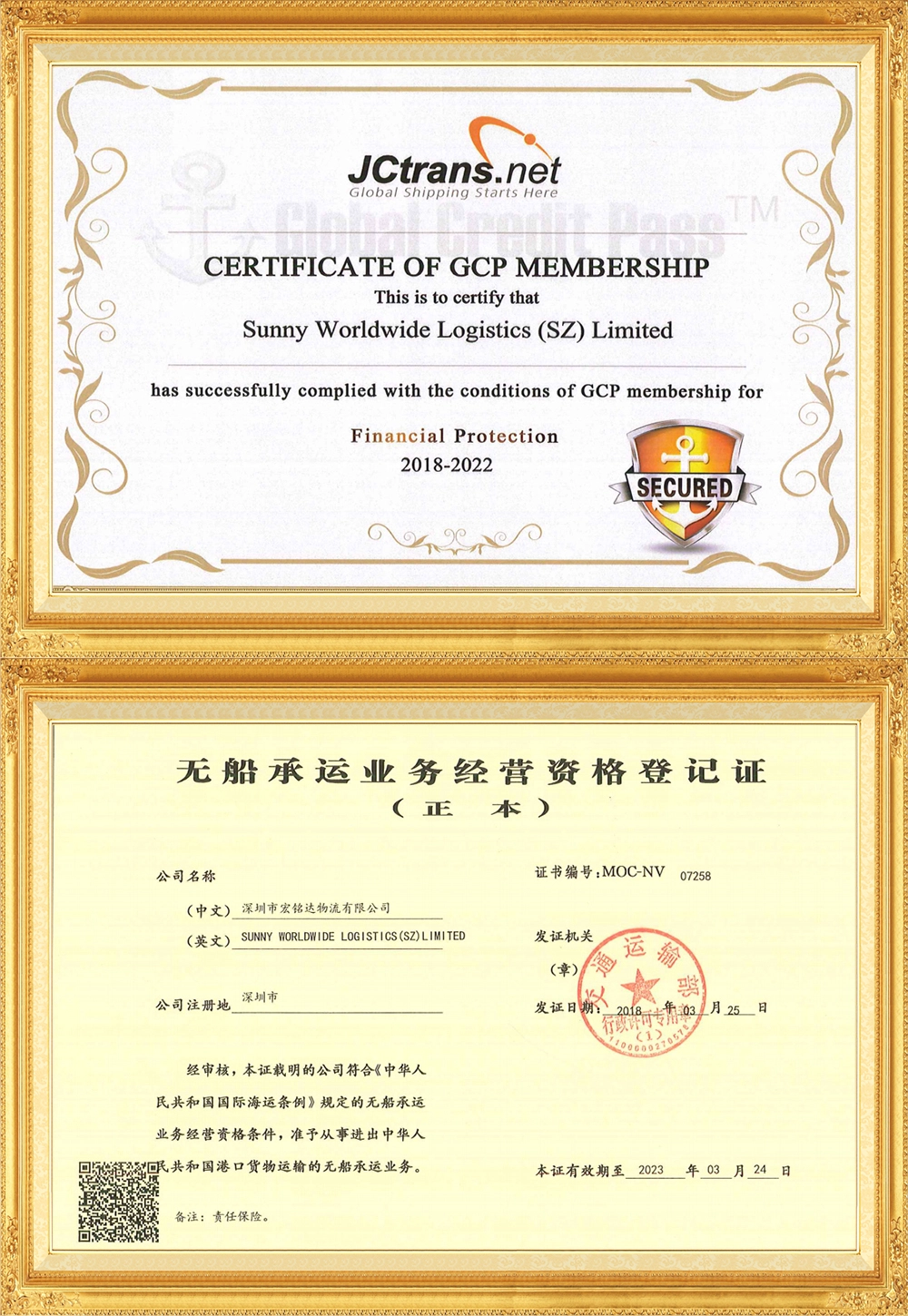
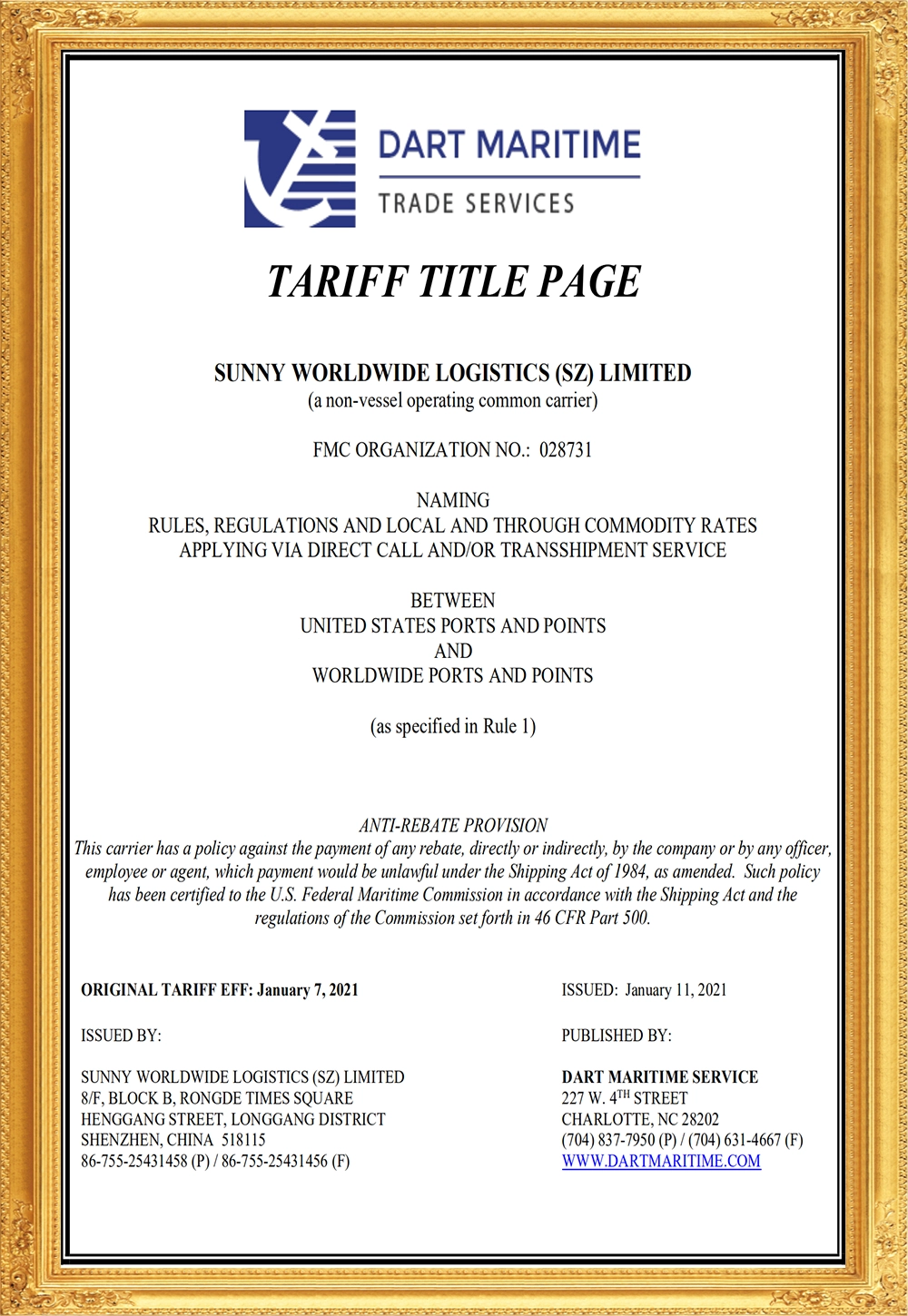
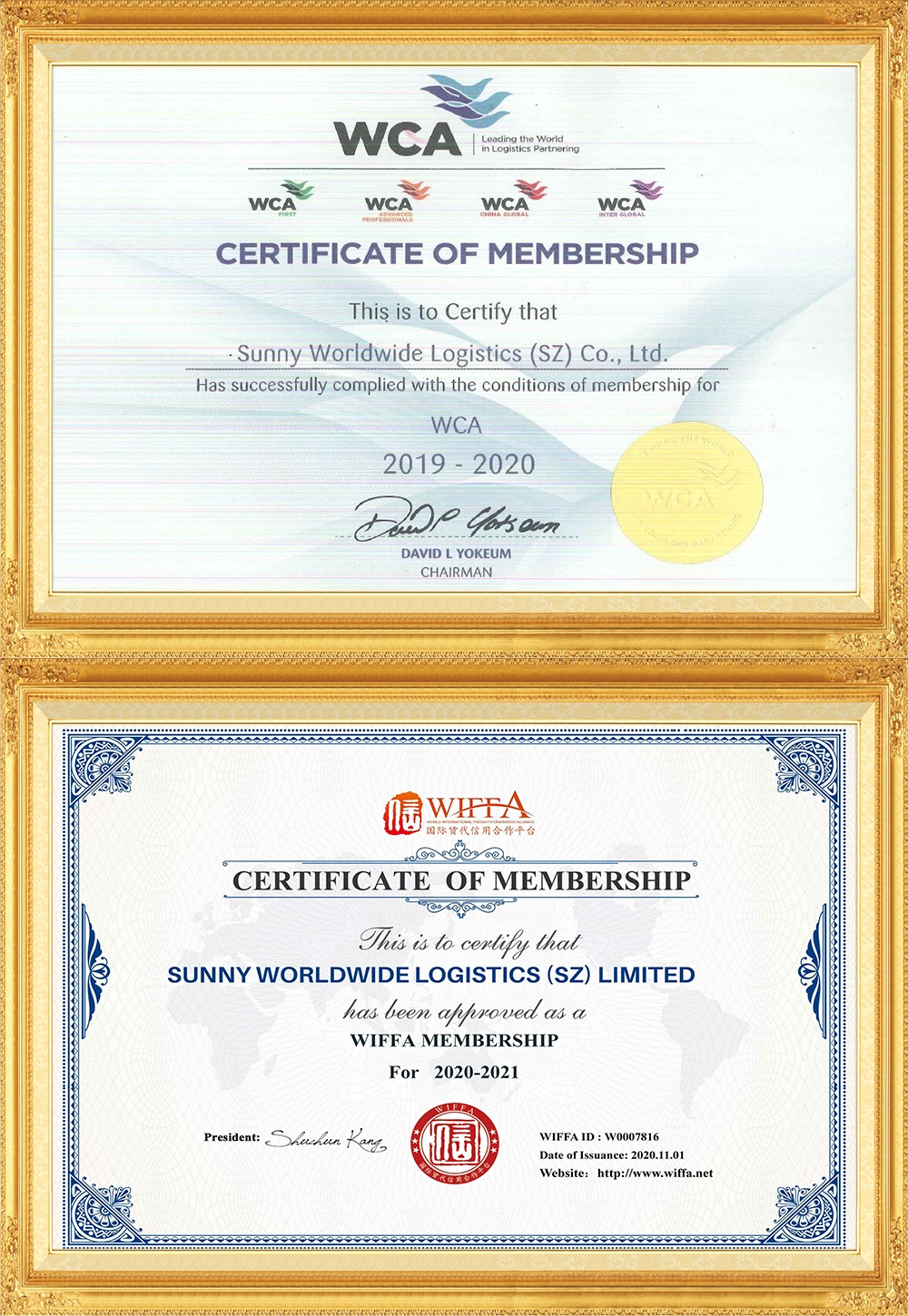
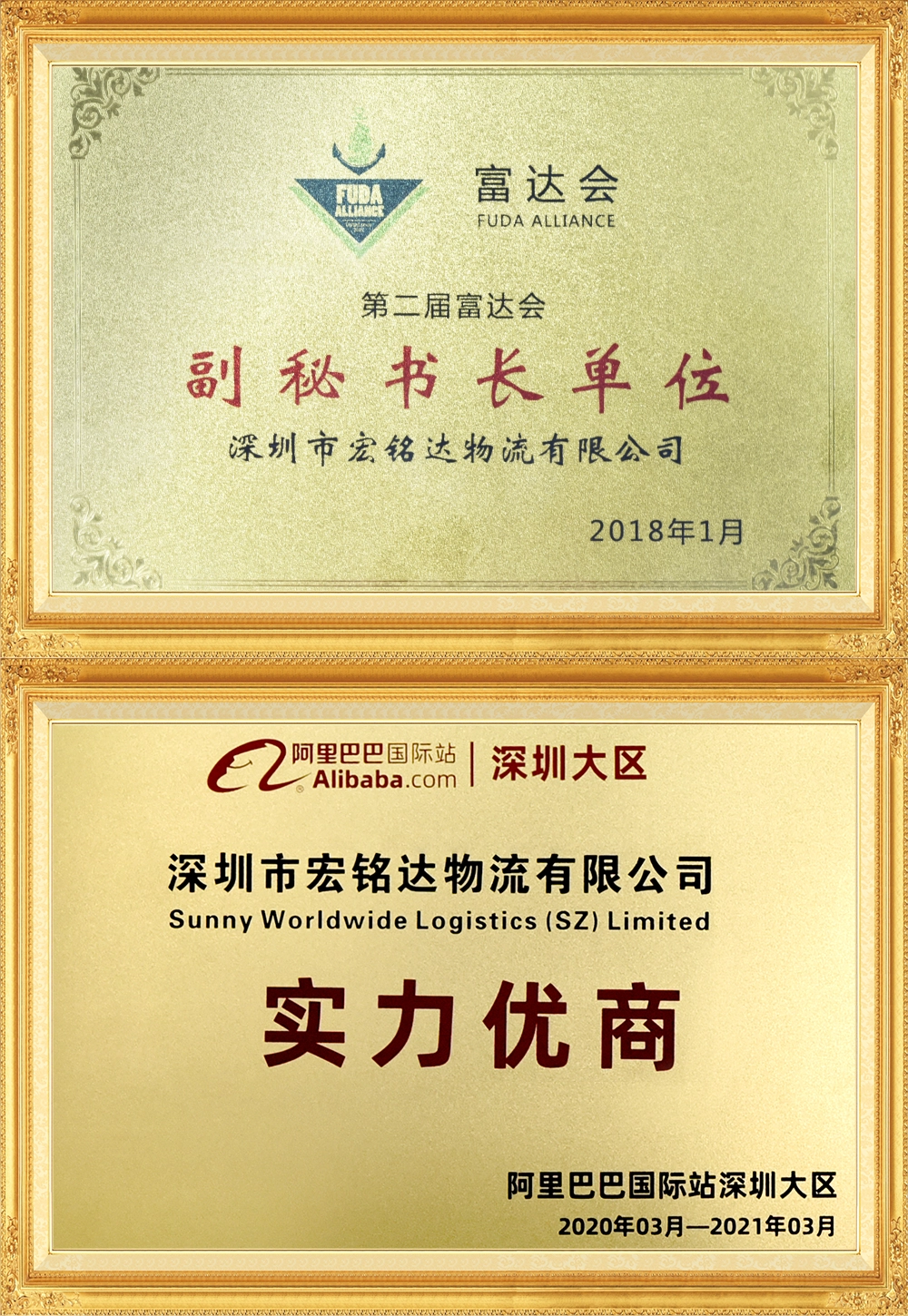
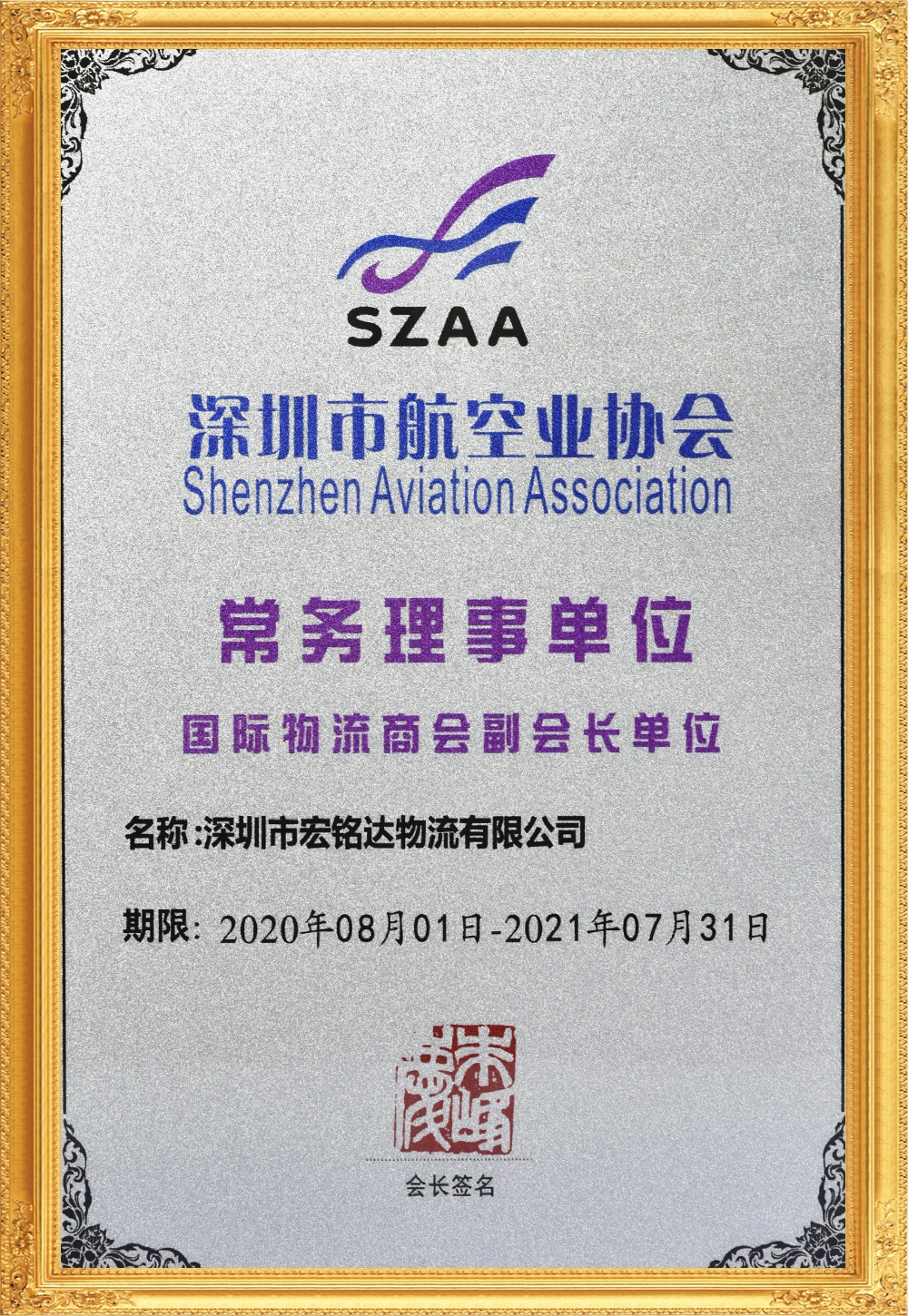
- Certifications
-
- Follow us
- Subscribe
-
Get email updates on new products
Paper and Printing Materials Shipping to Philippines | DDP
- Place of Origin: China
- Departure Country/Region: CHINA (Guangzhou / Shenzhen / Ningbo)
- Destination Country/Region: PH (Philippines - Manila, Cebu, Davao)
- Transit Time (Days): Sea: 15 Days (Manila) / 25 Days (Cebu & Davao); Air: 3-5 Days
- Shipping Method: DDP Door to Door (Sea FCL & LCL)
- Cargo Type: Paper rolls, reams, duplex board, packaging board, printed sheets and bindery materials
Paper is the one cargo where the freight quote and the cargo weight are the same conversation. A container fills long after it is heavy, or turns heavy long before it is full, and the booking that ignores the difference either wastes space or gets rolled at the terminal.
The second cost is quieter. A pallet of reams that sat on a damp container floor for two weeks arrives with wavy edges, and a printer cannot run wavy paper through a press. Nothing is broken. The consignment is still a loss.
Sunny Worldwide Logistics has moved paper and print materials on the China–Philippines lane for more than 20 years. We plan these shipments from the tonnage backwards, then protect the edges and the moisture, because the buyer is paying for flat paper, not for paper that has travelled.
Paper Is Bought by the Tonne and Lost by the Millimetre
A paper order is quoted in tonnes, but a container is limited by both weight and volume, and the two limits arrive at different times. Coated board and heavy reams reach the weight limit early, leaving unused space at the top of the box. Lightweight sheets fill the box long before the weight matters, and the freight is then charged on measure.
That is why two shipments with the same invoice value can differ by a wide margin in cost. The plan has to start from the actual roll or sheet specification: grammage, sheet size, reel diameter, pallet height and the number of pallets.
We build the loading plan before the rate is agreed, so the quote reflects the space your cargo really occupies instead of a generic per-tonne figure that disappears once the terminal weighs the container.
Why DDP Fits a Weight-Driven Budget
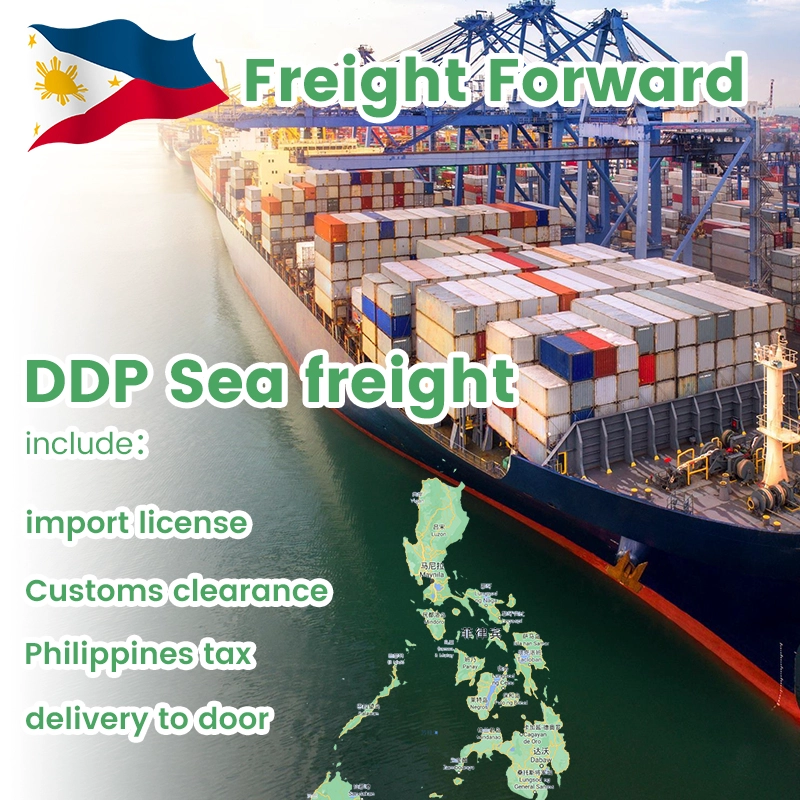
Paper attracts duty and VAT on a value that is usually low per tonne and high per container. When those charges sit outside the freight quote, the landed cost is only known after the broker has assessed the consignment, and a printer quoting a job in advance is quoting against a number he does not control.
Under DDP terms the duty and VAT are inside the figure approved before loading. The cost per tonne is fixed, and the quotation you give your own customer holds.
It also settles the importer question. A printer or converter buying paper for the first time may not hold the accreditation to clear in its own name, and that is best decided when the booking is made. Our guide to importer of record in the Philippines explains the role.
How We Move Paper and Print Materials
Collection and weighing
Our own trucking fleet collects from mills, converters and trading companies around Guangzhou, Shenzhen and Ningbo, with a weighbridge ticket at the door. The declared tonnage in the booking is checked against the physical load, because a container that is overweight at the terminal is a problem that cannot be solved at sea.
Loading off the floor
Rolls travel on their side in cradles or standing in a braced block, never loose where they can shift on the first swell. Reams and board go on pallets with a dunnage layer under them, so the base of the stack is not in contact with the container floor where condensation collects.
Edge protection and moisture control
Corners are the first thing to suffer in a tight stack. Pallet corners get board or plastic protection, and stretch wrapping is applied to the pallet rather than to individual reams. Where the buyer agrees, desiccant is added and the container is checked for damp before the doors close. Sea freight runs about 15 days door to door to Manila and about 25 days to Cebu or Davao.
Clearance and delivery
Duty and VAT are assessed and paid, the container is released to our broker, and the cargo goes to your plant or warehouse. Clearance typically runs 1 to 2 days ahead of the industry average, and delivery is free within 30 km of the Metro or downtown area. Beyond that, we check the access before the truck leaves, since a loaded paper container is not a cargo that can be unpacked at the gate.
Moisture Is the Real Risk
Paper is hygroscopic. It takes moisture from the air and gives it back, and both movements change its dimensions. In a closed container crossing the South China Sea, the air is warm when the doors shut and cooler at night, and the moisture condenses on the first cold surface it finds: the container roof and the top layer of the stack.
The damage does not look dramatic. Edges cockle, reams develop wavy rims, and print registration drifts on the press. By the time the operator notices, the consignment is already in the machine room.
Control is practical. Cargo is loaded dry, pallets are kept off the floor, the top layer is protected, and the container is inspected before sealing. On a repeat order the loading photographs become the reference for the next one, and a claim, if there is one, rests on evidence rather than on opinion.
Booking Around Capacity and Weight
Paper moves on the same sailings as everything else, and capacity tightens at the end of the year and before major print seasons. A booking made two weeks out is a booking with options. A booking made two days out is a booking that takes what is left.
Where the tonnage is close to the limit, we plan two lighter loads instead of one heavy one and compare the total landed cost, including the terminal charges that a heavy container attracts. Sometimes splitting is cheaper. Sometimes it is not, and you should see both numbers.
Our warehouse system keeps the record of what has arrived, what has been loaded and what is still with the mill, so a reprint order can be planned against stock you already own rather than against a guess.
Why Shippers Choose Sunny Worldwide Logistics
We own the first mile. Our own trucking fleet works the southern China ports, so collection from a mill or converter is our driver and our weighbridge ticket, not a subcontracted van that arrives when it likes.
More than 20 years on this lane, through every change in Philippine import rules. NVOCC and FMC registered, and members of the Worldwide Cargo Alliance, CIFA, JCTRANS, WIFFA, FUDA, SZSSA and OLO.
Every inquiry gets at least three routing or consolidation options, designed to save clients at least 5% against their current arrangement. Optional cargo insurance is available, and the sequence from collection to delivery is set out on our service flow page, with the same terms on the China to Manila and China to Davao routings.
Frequently Asked Questions
How much paper fits in a container?
It depends on grammage, sheet size and whether the cargo is rolls or pallets. That is why we ask for the specification rather than quoting a headline tonnage: a number that ignores the sheet size is a number that changes at the terminal.
Can printed sheets travel with the paper?
Yes, and they often do. Printed stock is more sensitive to scuffing and moisture than blank paper, so it travels wrapped, on top of the load rather than under it, and away from the door end where condensation is worst.
Do inks and coatings need special documents?
Some do. Solvent-based inks, adhesives and coatings can fall under dangerous goods rules, and the documentation depends on the product data sheet. Tell us the exact product before booking and we will confirm what is required.
Send the specification, the mill location and the date your press needs paper, and you will get a DDP figure built on the real tonnage. Contact Sunny Worldwide Logistics — we take care of the cargo more than the owner does.
Tel:+86 13534256878
Wechat:+86 13534256878
Contact Person:Mavis

- Other Products