


- Browse Categories
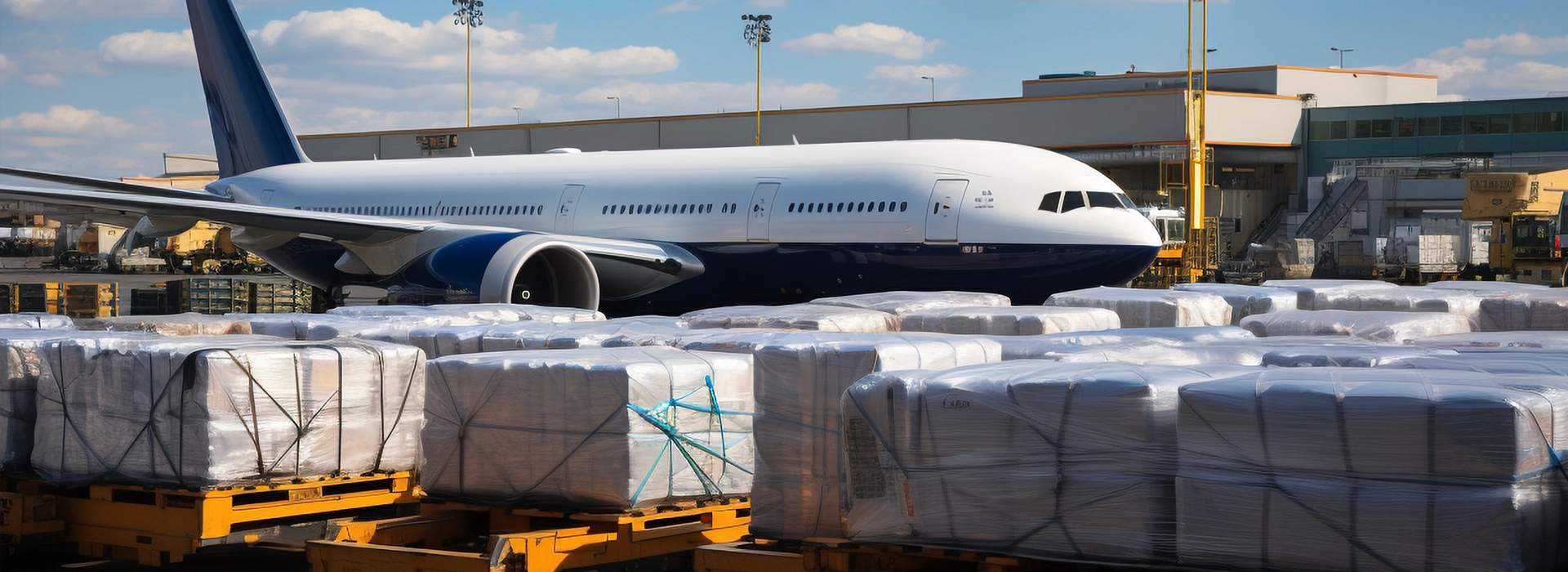
- Air Freight
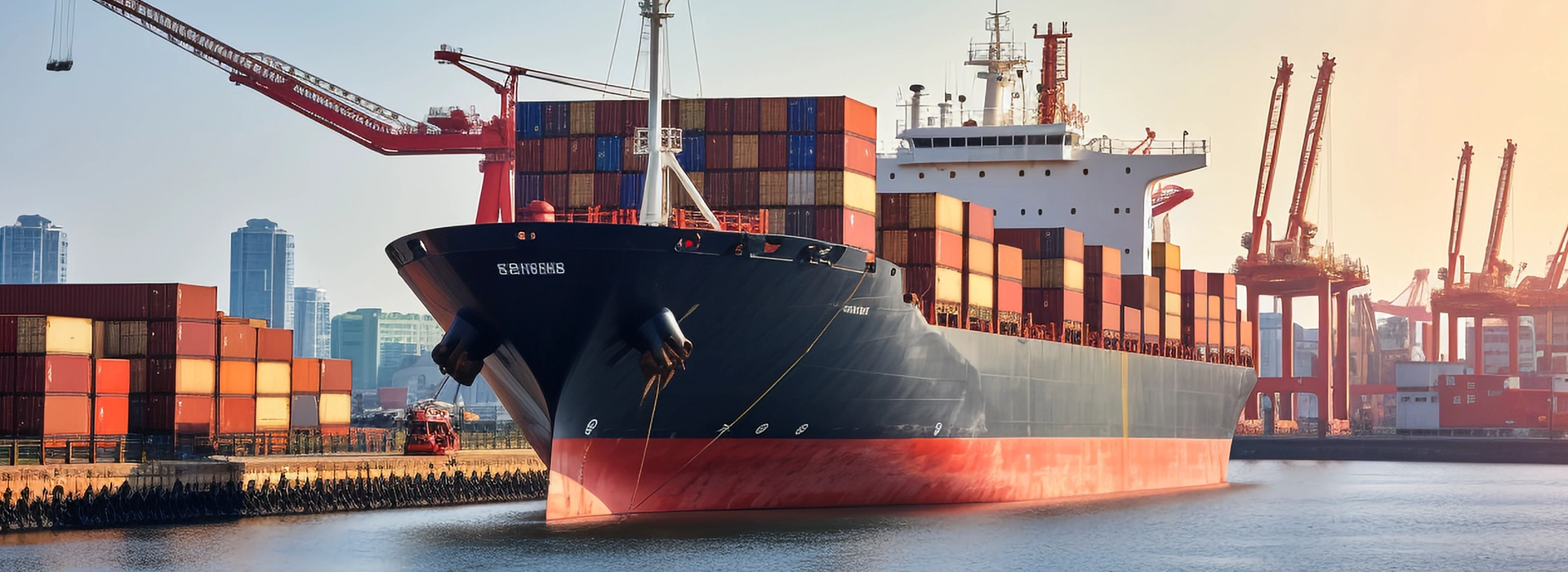
- Sea Freight
- Contact Us
-
TEL:+86-755-25643417
Fax: +86 755 25431456
Address:Room 806, Block B, Rongde Times Square, Henggang Street, Longgang District, Shenzhen, China
Postcode: 518115
E-mail: sales1@swwlogistics.com.cn Contact Now
- Logistics Services


- News CenterMore>>
-
- The latest developments in the Philippine freight market: sea freight prices are raised across the board at the end of the year and US air freight space continues to tighten
- The surge in demand during the peak season at the end of the year has pushed up shipping rates in the Philippines, and air transport capacity to the United States continues to be tight.
- Strong growth in foreign trade and containers, Philippine port cargo throughput continues to rise
- The Philippine Ports Authority releases the latest freight news: foreign trade volume drives steady growth in port throughput across the country
- Philippine Ports Authority releases freight data: Manila Port throughput increases steadily and digital customs clearance upgrades
- Philippine port throughput is rising steadily: cargo volume will exceed 154 million tons in 2026
- Philippine sea and air cargo throughput grows strongly: ports and airports accelerate port dredging and improve efficiency
- The Philippines comprehensively promotes the construction of the Luzon Economic Corridor and SCMB freight railway and strives to solve the problems of port congestion and high freight rates.
- Multiple Philippine ministries and commissions have promoted the JAO joint administrative order: comprehensively standardizing container management and shipping miscellaneous charges to resolve the year-end congestion crisis at Manila Port
- Philippines cross-department finalizes JAO administrative order to break port congestion: expand storage yard and extend customs inspection
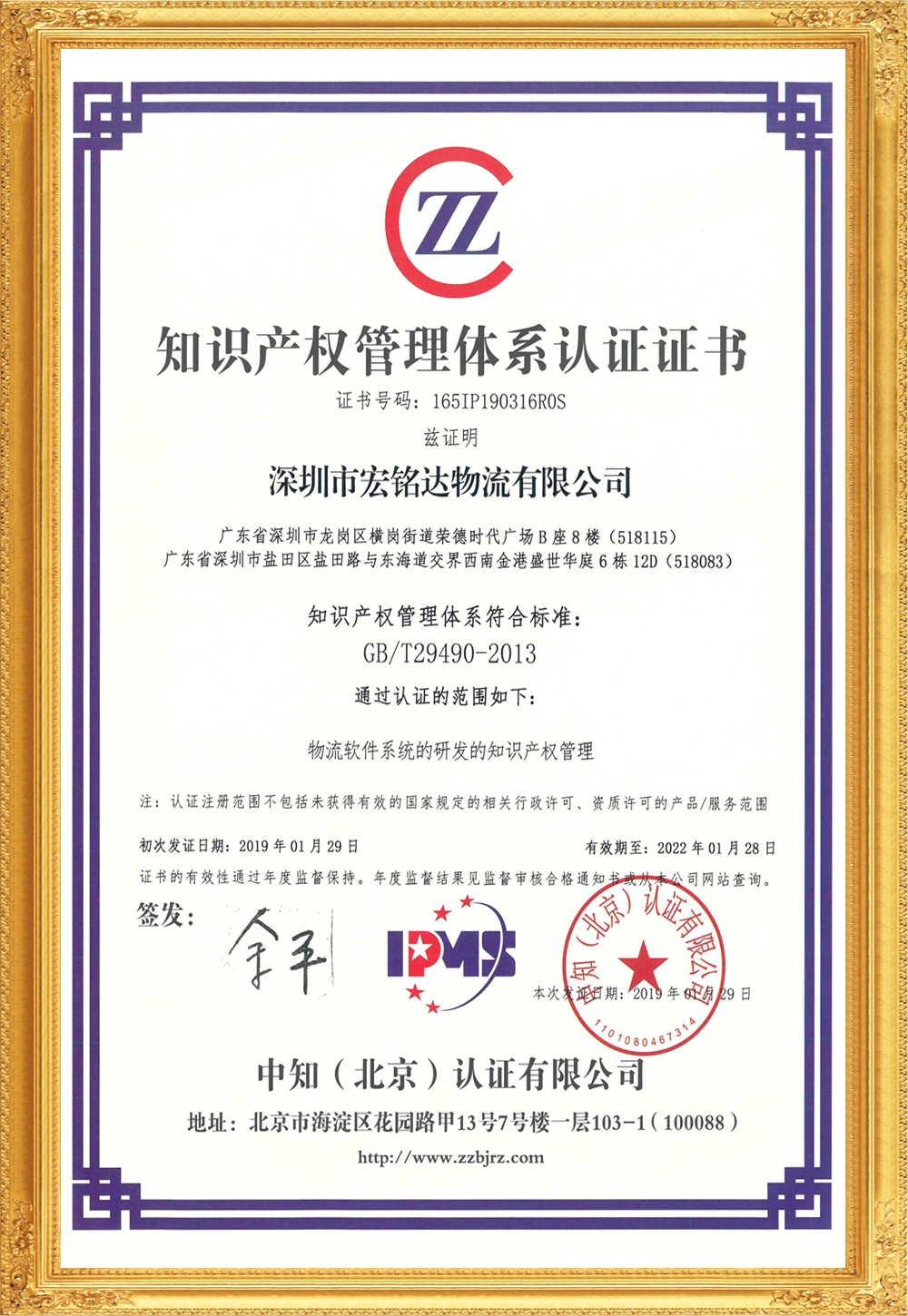
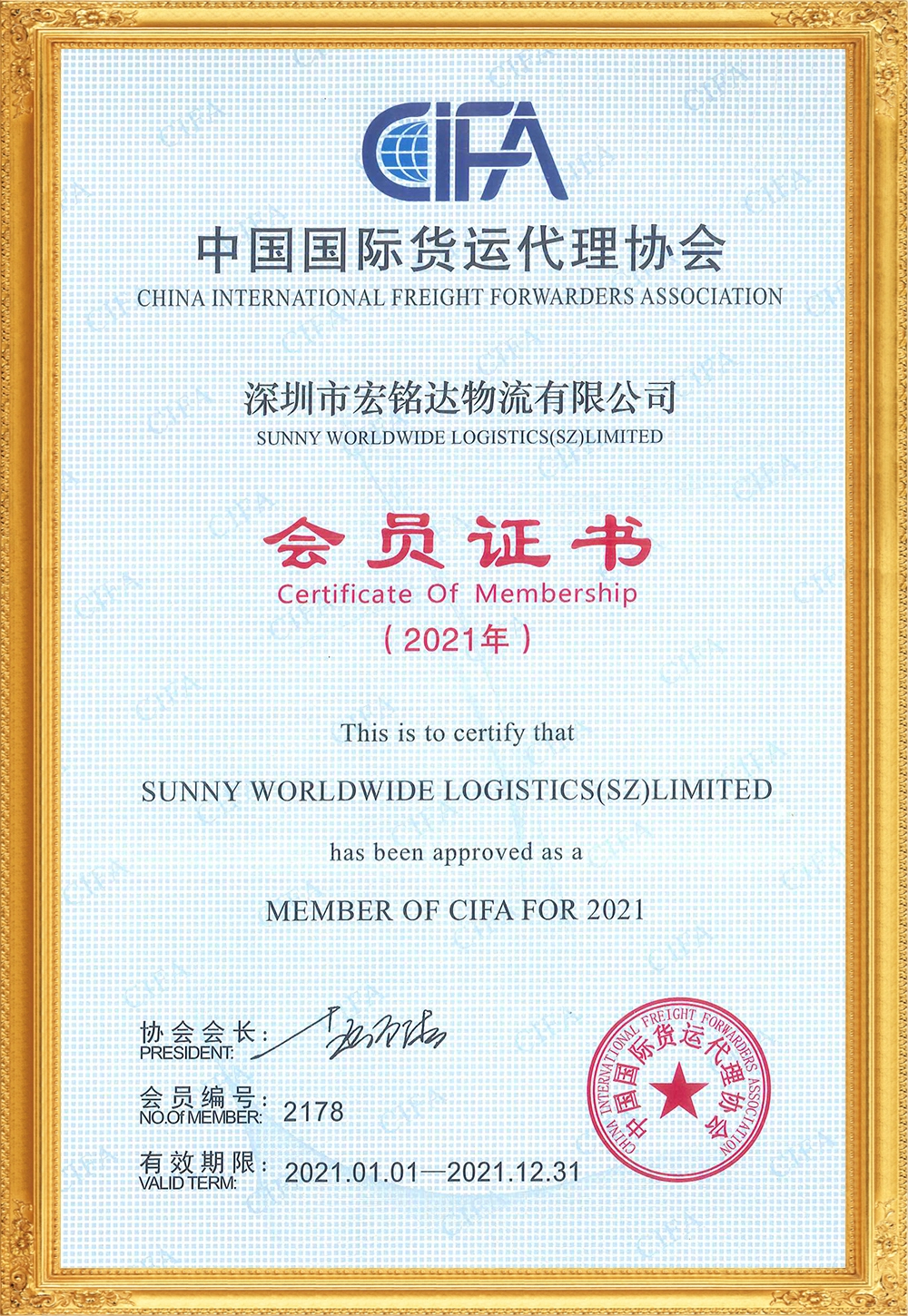
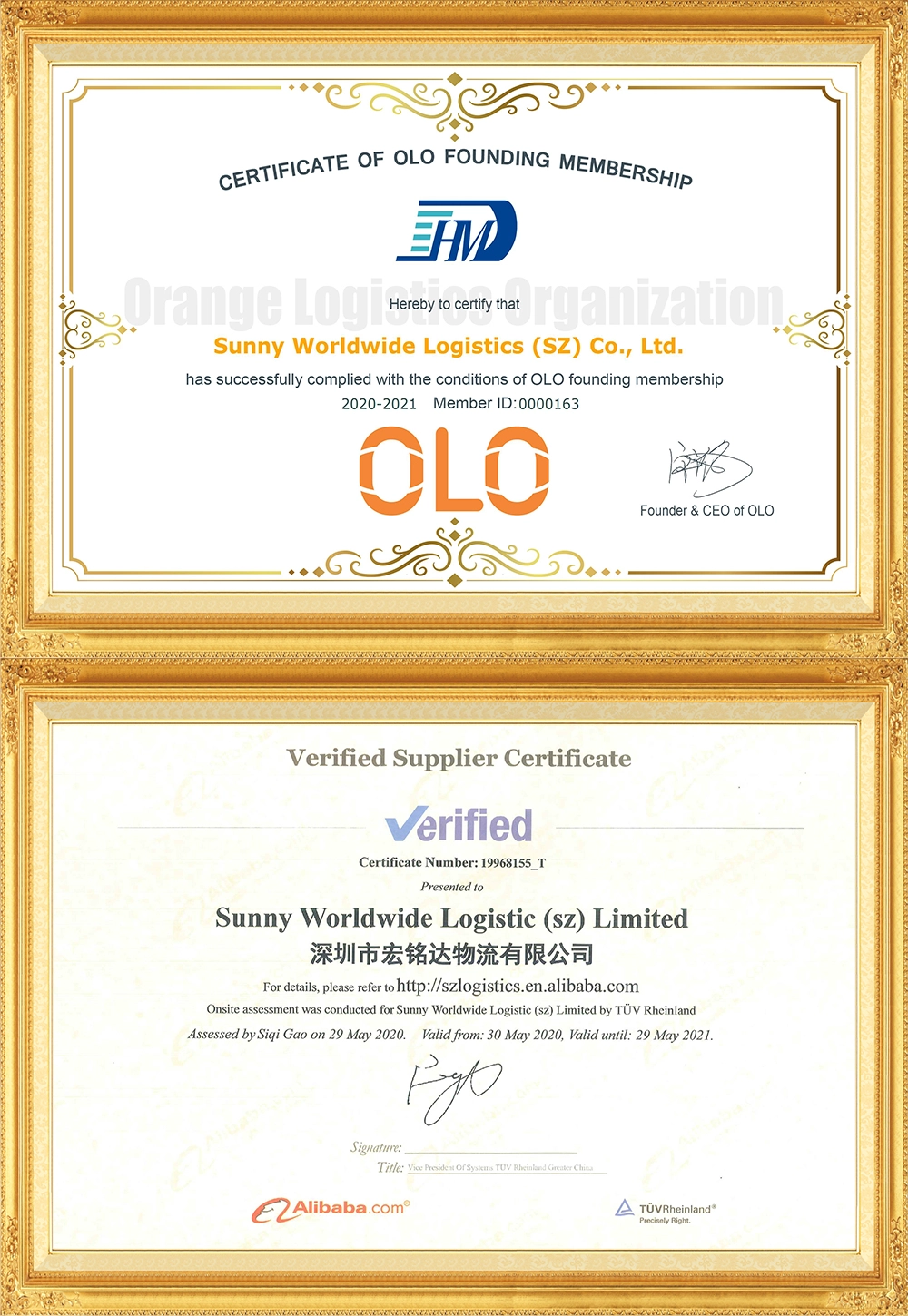
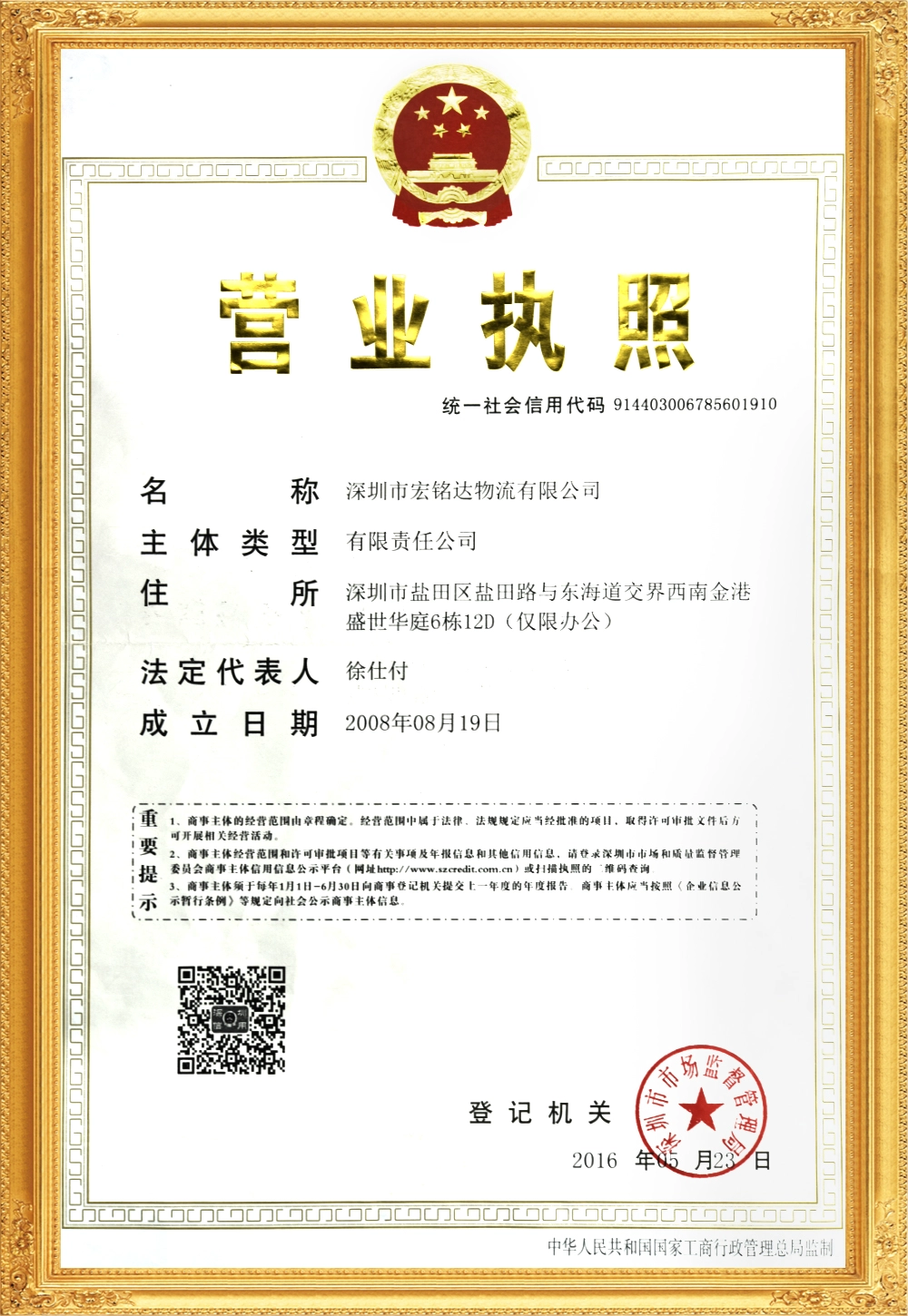
- Certifications
-
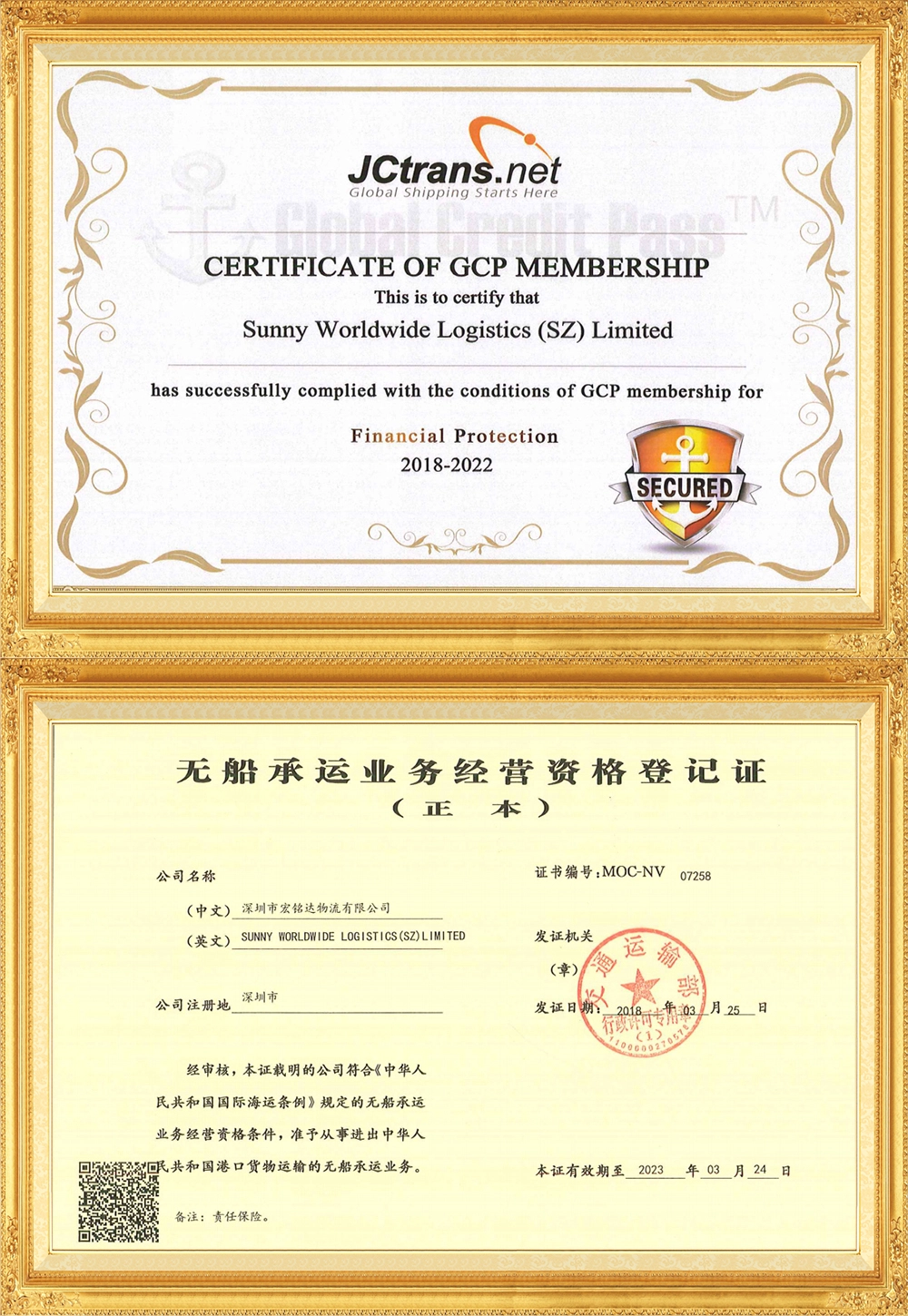
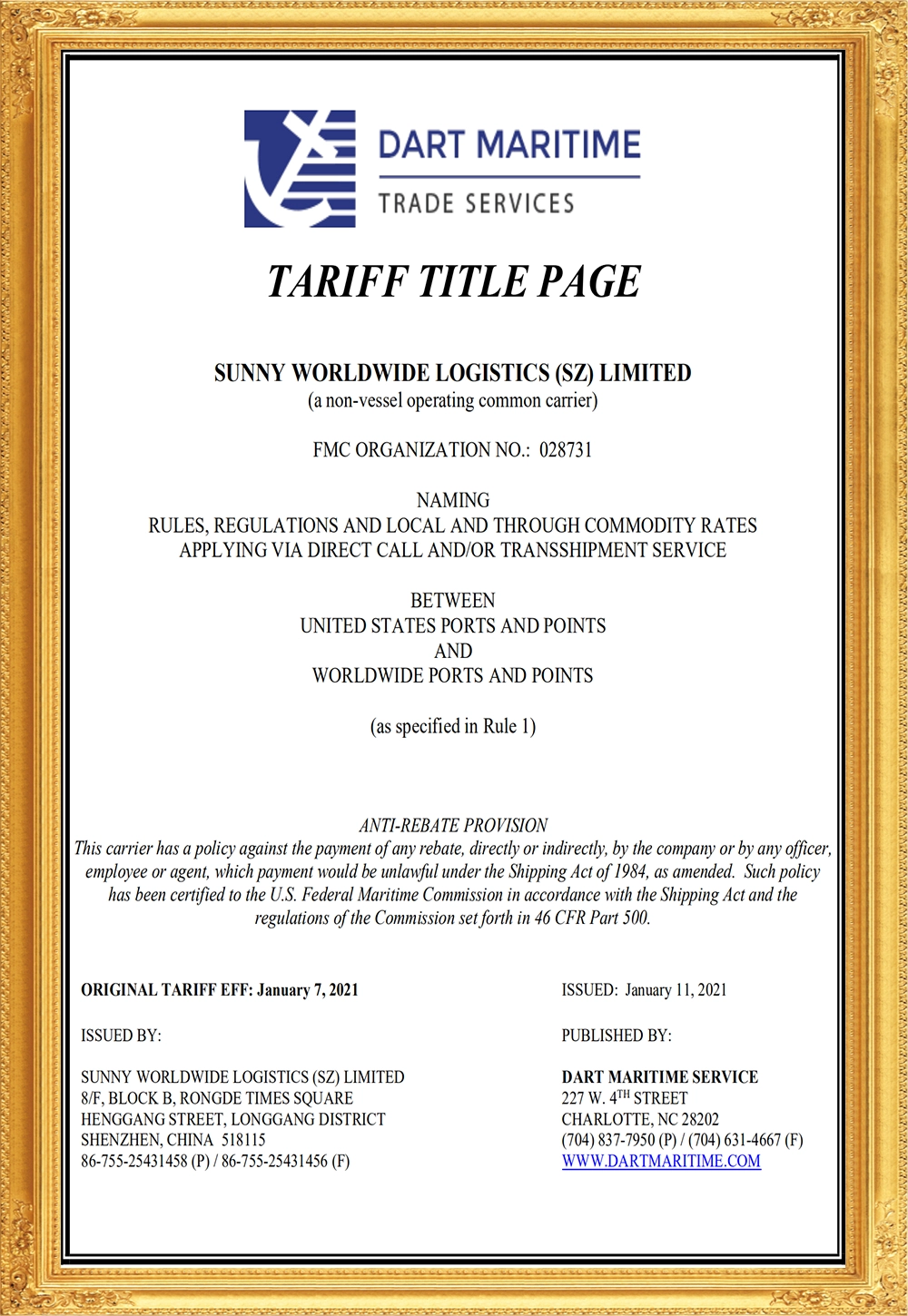
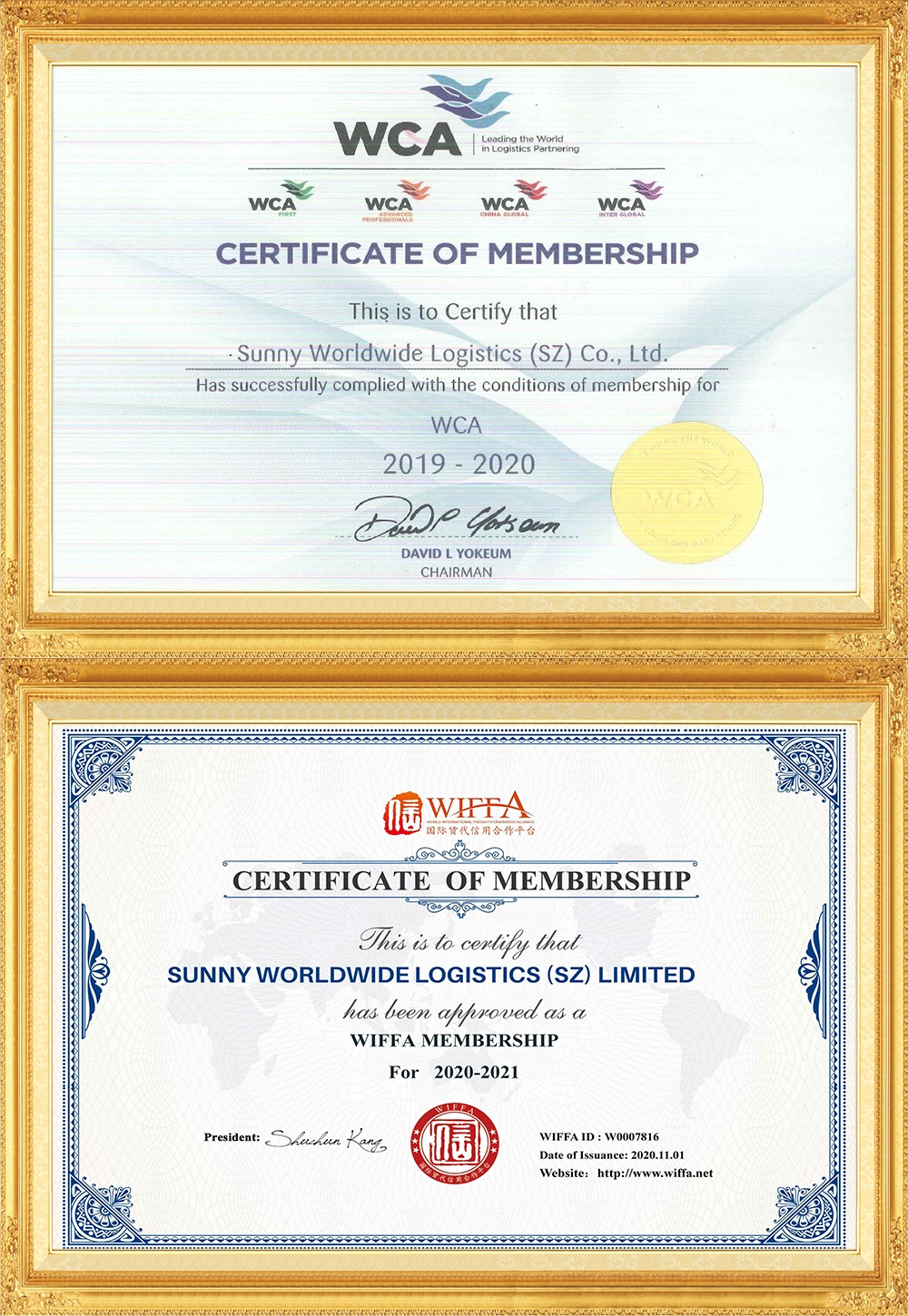
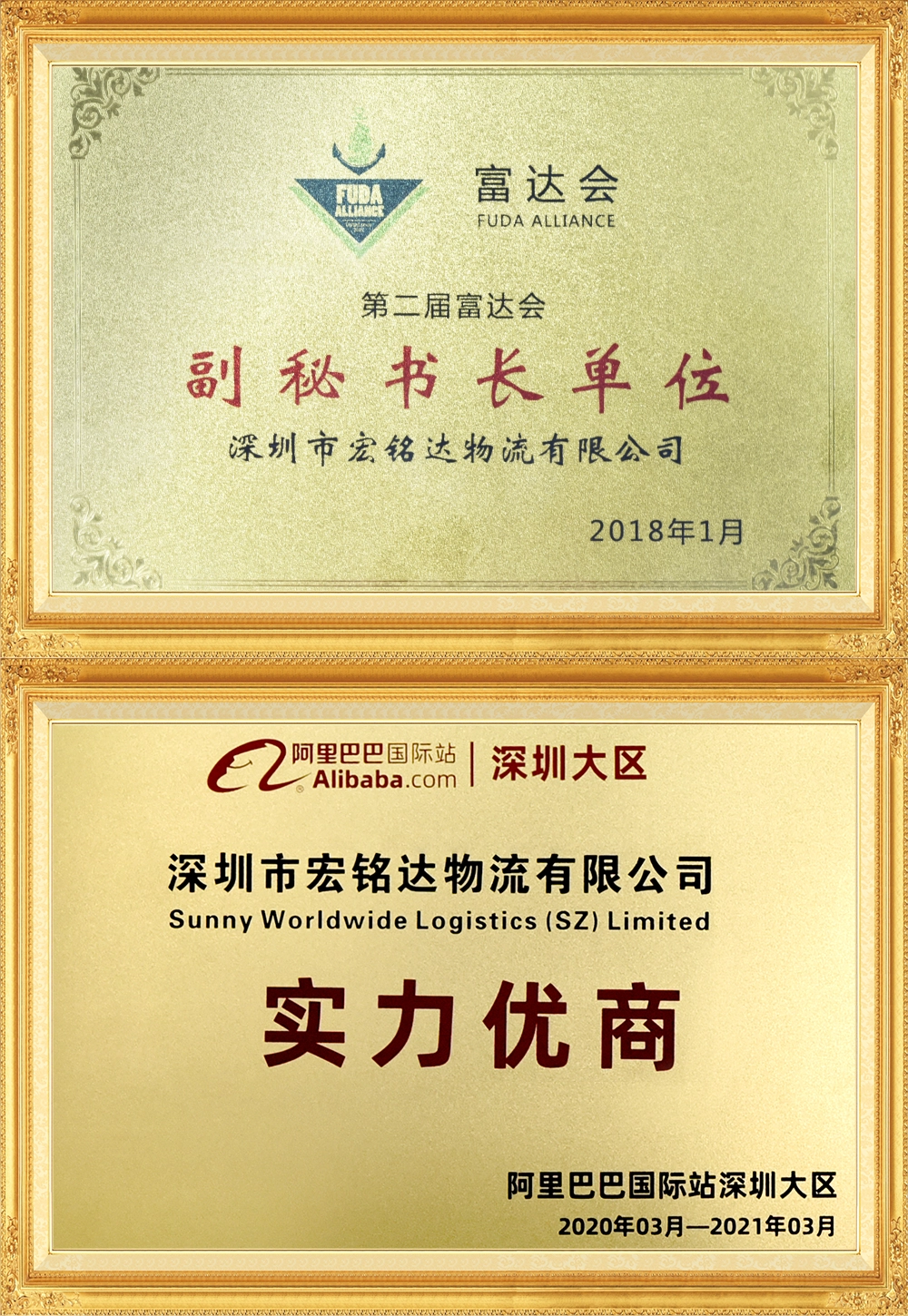
- Follow us
- Subscribe
-
Get email updates on new products
Office and School Supplies Shipping to Philippines | DDP
- Place of Origin: China
- Departure Country/Region: CHINA (Guangzhou / Shenzhen / Ningbo)
- Destination Country/Region: PH (Philippines - Manila, Cebu, Davao, provincial cities)
- Transit Time (Days): Sea: 15 Days (Manila) / 25 Days (Cebu & Davao); Air: 3-5 Days
- Shipping Method: DDP Door to Door (Sea LCL & FCL, Air)
- Cargo Type: Pens, notebooks, paper reams, files, desk accessories, school kits and office consumables
The order that looks simplest is usually the one that hurts. Office and school supplies are cheap per unit, sold in dozens of sizes, and bought from a trading company that sources from six factories. Nobody loses money on the goods. They lose it on the last three hundred metres.
Sixty cartons arrive for a store in Manila, the packing list says "stationery, assorted", and the receiving clerk has one afternoon and no idea which carton holds the grade four notebooks and which holds the A4 reams. Multiply that by four branches and the order is in the warehouse for a week before anyone can invoice it.
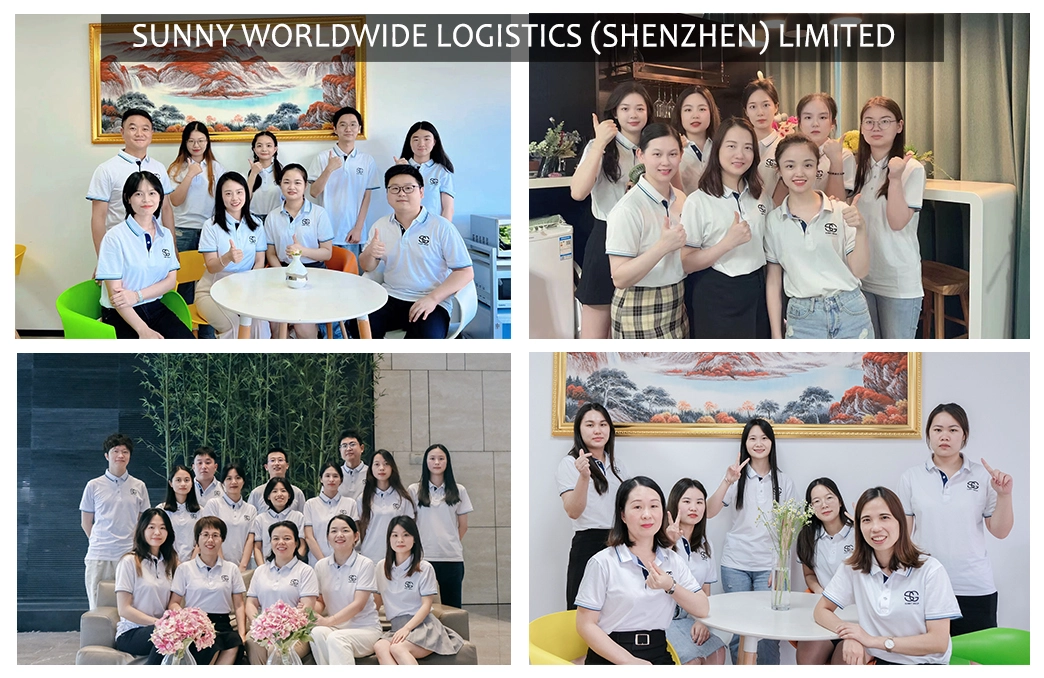
Sunny Worldwide Logistics has moved general cargo on the China–Philippines lane for more than 20 years. Consumables are not heavy freight. They are a sorting problem with a deadline, and the deadline is a school term.
Why a Stationery Order Is Never One Product
A typical container carries pens from one province, notebooks from another, files and binders from a third, and a few hundred smaller lines that came from a Yiwu stall. Each line has its own unit, its own carton count and its own value. The supplier issues one invoice, because the supplier is thinking about his own paperwork, not about what happens when the container is opened.
Two things then go wrong at the same time. The cartons cannot be matched to the invoice, so clearance slows down. And the cartons cannot be matched to the stores, so the goods sit.
We treat the carton as the unit of work, not the pallet. Each carton is counted, weighed and labelled against a line on your purchase list, and the label carries the SKU, the quantity and the destination branch. That sounds like a detail. It is the difference between a two-day receiving job and a six-day one.
Why DDP Removes the Surprise at the Port
Stationery carries different duty treatment by item: paper products, plastic files, metal clips and textile school bags are not valued or classified the same way. When the freight quote excludes duty and VAT, the number that lands on your desk after clearance is decided by someone else, on a container nobody can open line by line in ten minutes.
Under DDP terms the duty and VAT are inside the figure you approve before loading. One invoice, one landed cost, and the retail price you set in March is still the price you have in June.
It also settles who clears the cargo. A newly opened trading company may not hold the accreditation to act as importer of record, and that question is easier answered at quotation stage than at the wharf. Our guide to importer of record in the Philippines explains who can hold that role.
How We Handle a Mixed Consumables Order
Collection from each supplier
Our own trucking fleet collects from factories around Guangzhou, Shenzhen and Ningbo, so the first mile is our driver, our count and a photograph at the door. Orders from several suppliers are collected on one plan instead of several, which is normally where a week disappears.
Carton-level checking
At our warehouse the cartons are opened on sample basis, counted against the purchase list and re-taped. Short shipments are reported while the supplier can still fix them, not after the container sails. Cartons that cannot survive LCL handling are re-packed.
Marking, palletising and loading
Branch labels go on two faces of every carton. Light cartons are palletised so that the invoice lines stay together, and heavy reams stay at the bottom of the stack where they cannot crush the rest. Sea freight runs about 15 days door to door to Manila and about 25 days to Cebu or Davao.
Clearance and delivery
Duty and VAT are assessed and paid, the container is released to our broker, and the pallets go to your warehouse or straight to the branches. Clearance typically runs 1 to 2 days ahead of the industry average, and delivery is free within 30 km of the Metro or downtown area.
The Paperwork That Clears a Mixed SKU Container
One line per item, with the description a customs officer can actually read: material, size, packing unit, quantity and unit value. "Stationery" as a single line is the reason a container spends a week in examination while a competitor's identical cargo clears in two days.
Brand and model should match the carton marking, and free samples or display units still need a value. Where an item is a set — a school kit, for example — describe what is inside rather than the kit's marketing name.
We reconcile the invoice against the packing list while the cargo is still in our warehouse, where a correction costs an email instead of a demurrage bill.
Timing Around the School Year
Philippine school terms open in June, and the buying happens in the first quarter, which is also when everyone else books the same sailings. A container that was supposed to leave in March and leaves in mid-April still clears, but it lands in a warehouse that is already full of stock for opening week.
We hold the order and release it against your delivery programme. If the supplier is late, you get the choice: wait for the sailing or consolidate what is ready and send the balance as a second LCL lot. Our LCL consolidation service from Yiwu exists for exactly that second lot.
Replenishment after opening week is usually small and urgent. That goes by air in 3 to 5 days rather than waiting for the next container.
Why Shippers Choose Sunny Worldwide Logistics
We own the first mile. Our own trucking fleet works the southern China ports, so collection from a stationery factory is our driver and our count, not a subcontracted van that arrives when it likes.
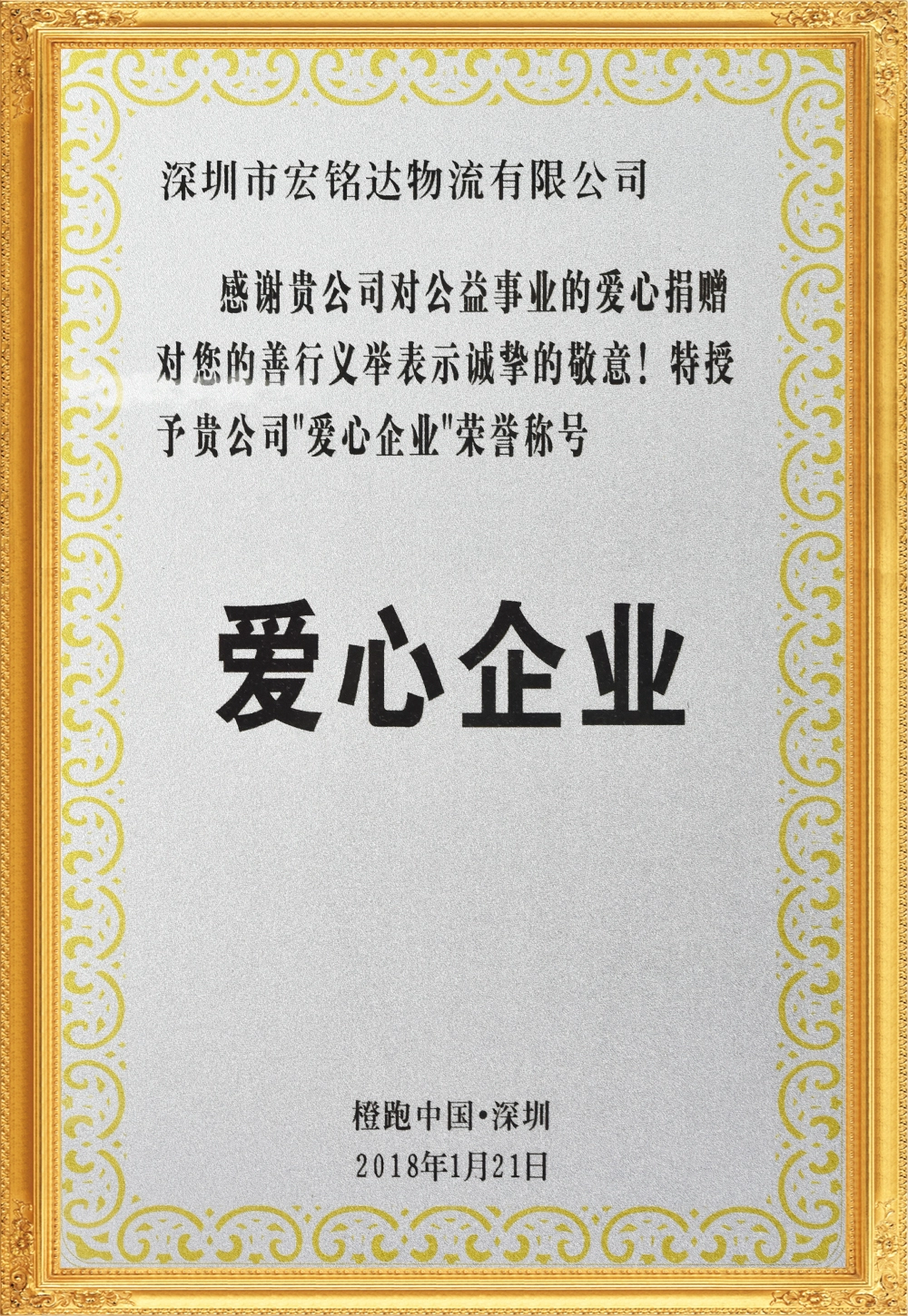
More than 20 years on this lane, through every change in Philippine import rules. NVOCC and FMC registered, and members of the Worldwide Cargo Alliance, CIFA, JCTRANS, WIFFA, FUDA, SZSSA and OLO.
Every inquiry gets at least three routing or consolidation options, designed to save clients at least 5% against their current arrangement. Optional cargo insurance is available, and our dedicated warehouse system keeps the record of what has arrived, what has shipped and what is still with the supplier — which on a multi-branch order is the only number that matters.
Frequently Asked Questions
Is LCL or FCL better for a stationery order?
Below roughly 12 to 15 cubic metres, LCL is usually cheaper once destination charges are counted. Above that, a 20ft container is simpler to control. Send the carton count and dimensions and we will price both rather than guess.
Can you deliver to several branches?
Yes. We label by branch at the warehouse and split the delivery, or hand over one consolidated pallet set for you to redistribute. The choice is a cost decision, and we quote both.
Do pens and markers count as dangerous goods?
Most do not, but some contain flammable solvents or alcohol-based inks, and aerosols are a different matter. Declare the exact product and we will confirm the documentation before booking rather than at the airport.
Send the purchase list, the supplier locations and the date the term opens, and you will get a DDP figure with the classification already checked. Contact Sunny Worldwide Logistics — we take care of the cargo more than the owner does.
Tel:+86 13534256878
Wechat:+86 13534256878
Contact Person:Mavis

- Other Products