



- Browse Categories
- Air Freight
- Sea Freight
- Contact Us
-
TEL:+86-755-25643417
Fax: +86 755 25431456
Address:Room 806, Block B, Rongde Times Square, Henggang Street, Longgang District, Shenzhen, China
Postcode: 518115
E-mail: sales1@swwlogistics.com.cn Contact Now
- Logistics Services




- News CenterMore>>
-
- PPA releases latest data for 2026: Philippine container throughput is rising steadily, and maritime trade continues to expand
- The Philippine Ports Authority released the latest data: cargo throughput exceeded 154 million tons in the first half of the year
- PPA releases latest data: Philippine port cargo volume reached 154 million tons in the first half of 2026
- Strong foreign trade freight: Philippine port cargo volume increased by 4.39% year-on-year in the second quarter
- The Philippine Ports Authority released the latest freight growth report: the throughput of national ports reached a new high, and digital and intelligent upgrades accelerated the construction of regional trade hubs.
- Philippine ports’ container throughput will grow steadily in 2026 and digital customs clearance will accelerate
- In the first half of 2026, Philippine port container throughput reached 4.3 million TEUs, a year-on-year increase of 2.8%
- Philippine Ports Authority and Port of Antwerp-Bruges sign five-year modernization cooperation agreement
- PAL Cargo joins hands with Teleport to expand e-commerce air cargo in the Philippines
- Philippines ships 1 ton of mangoes to Vancouver to expand Canadian market
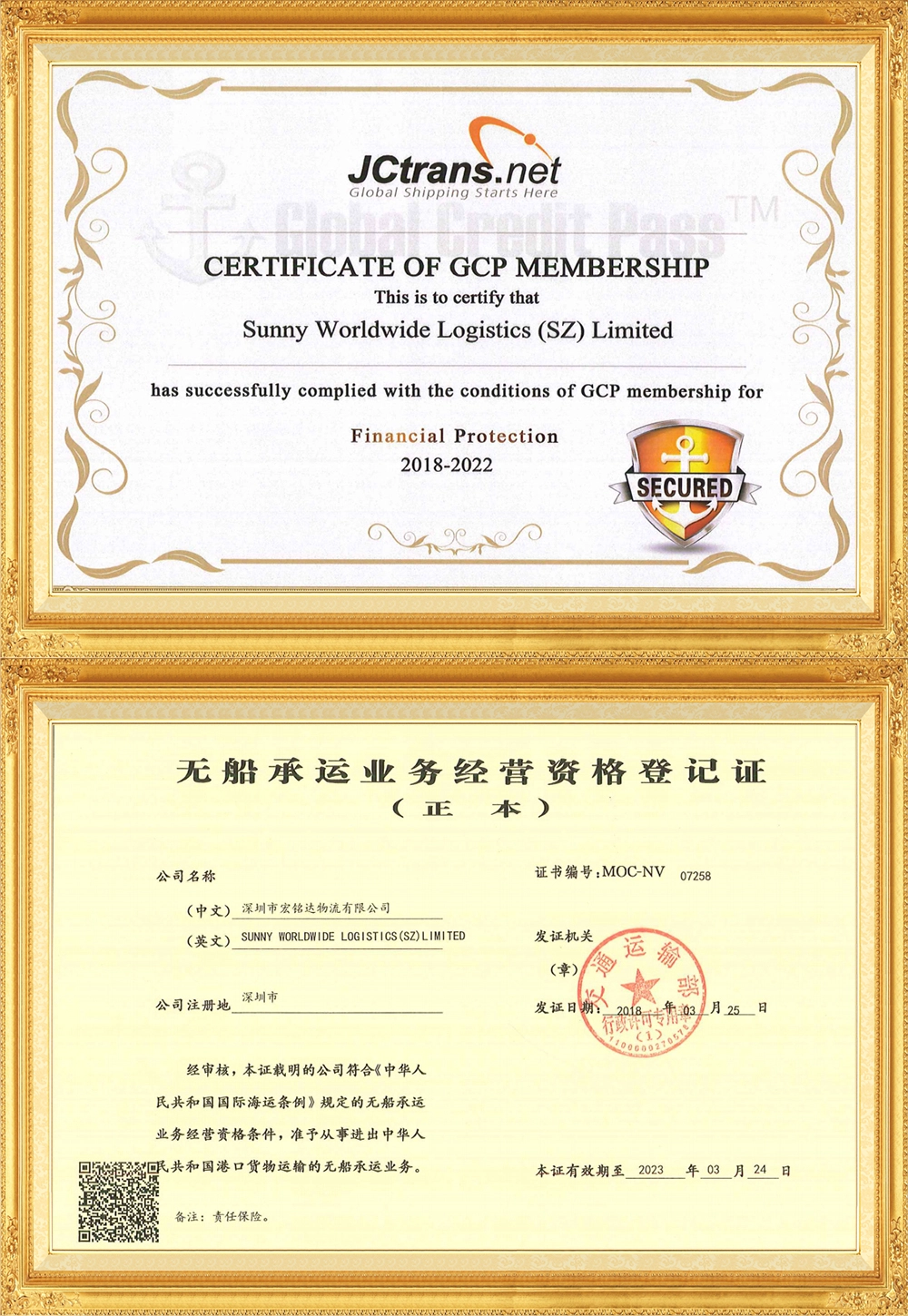
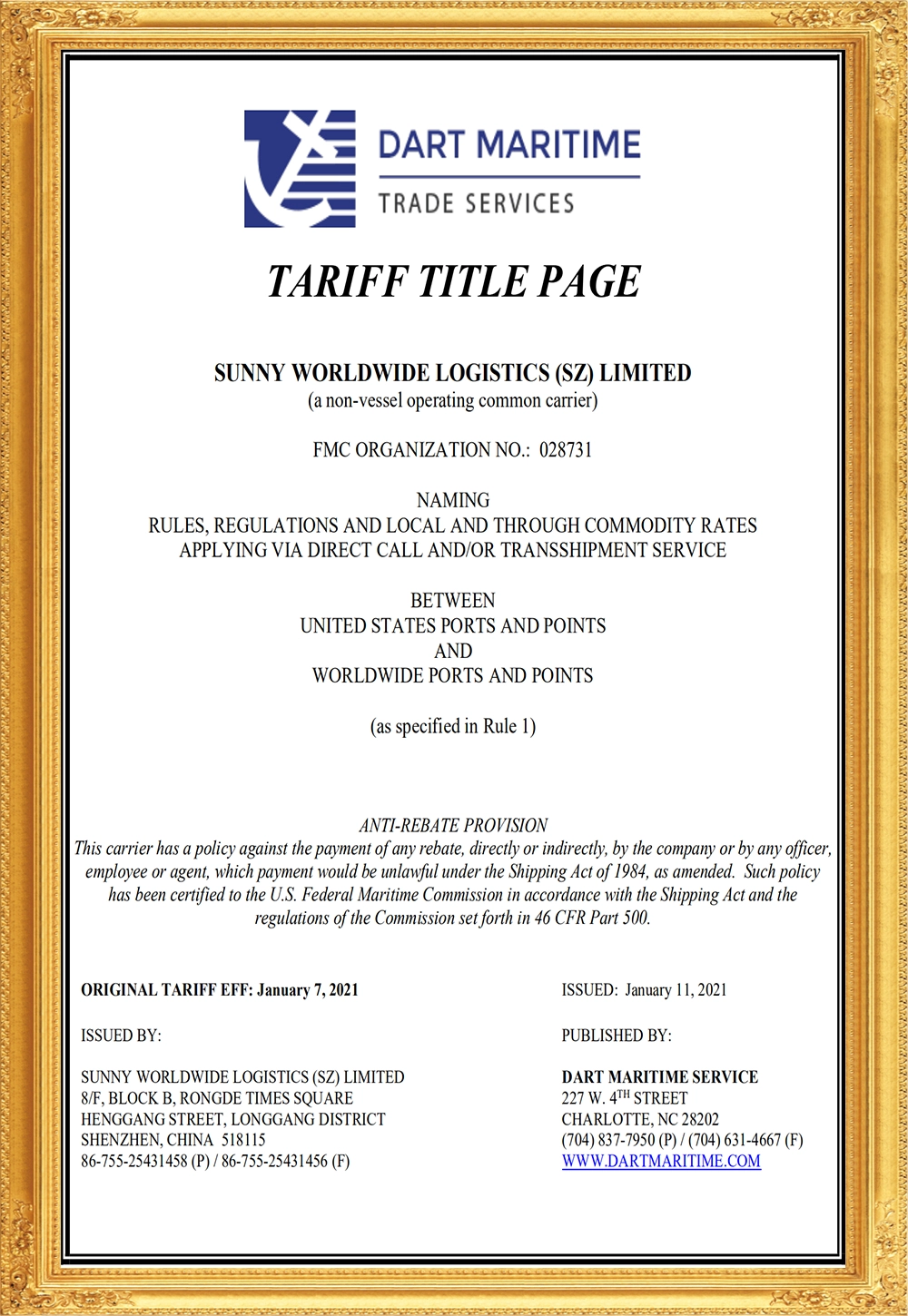
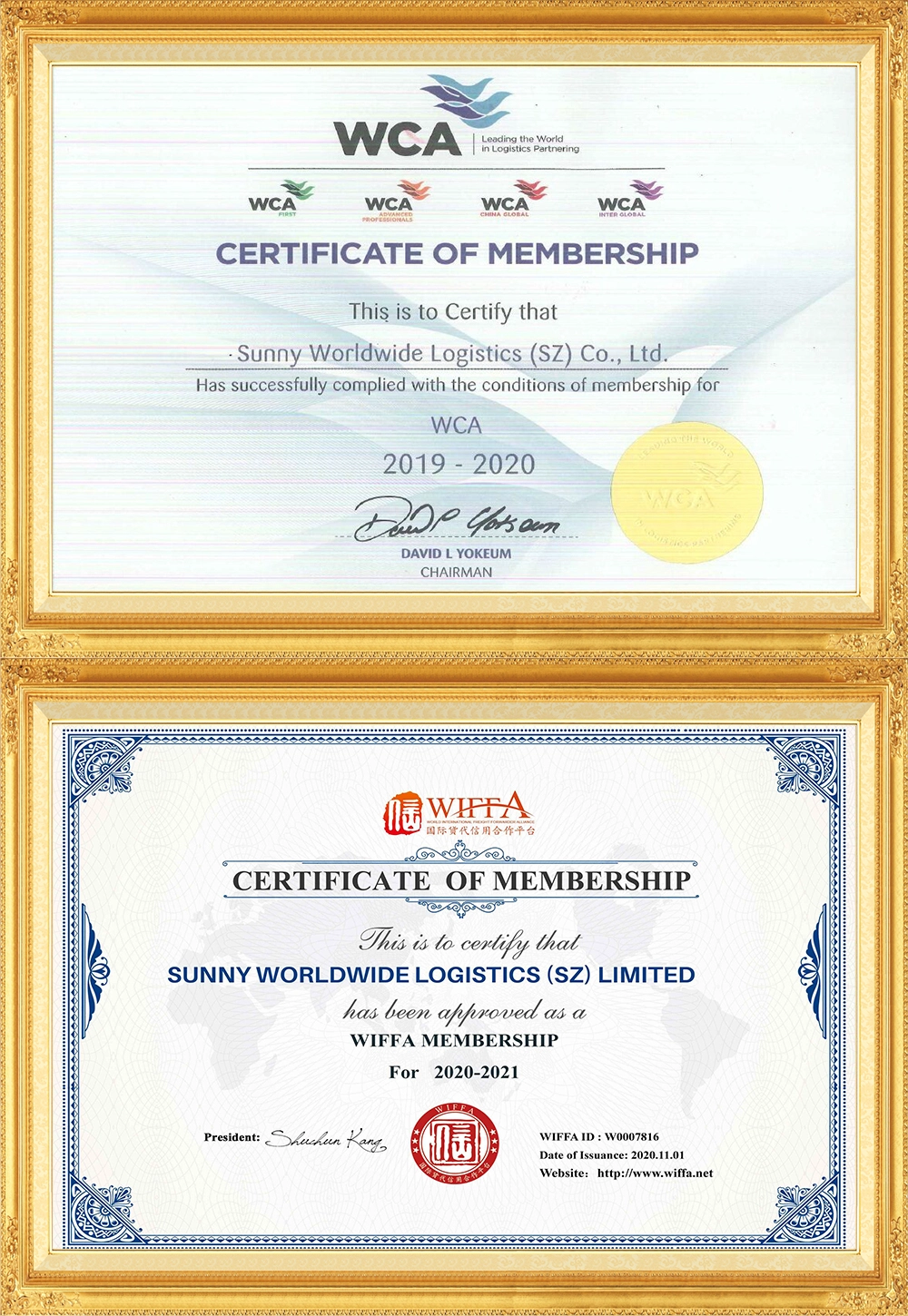
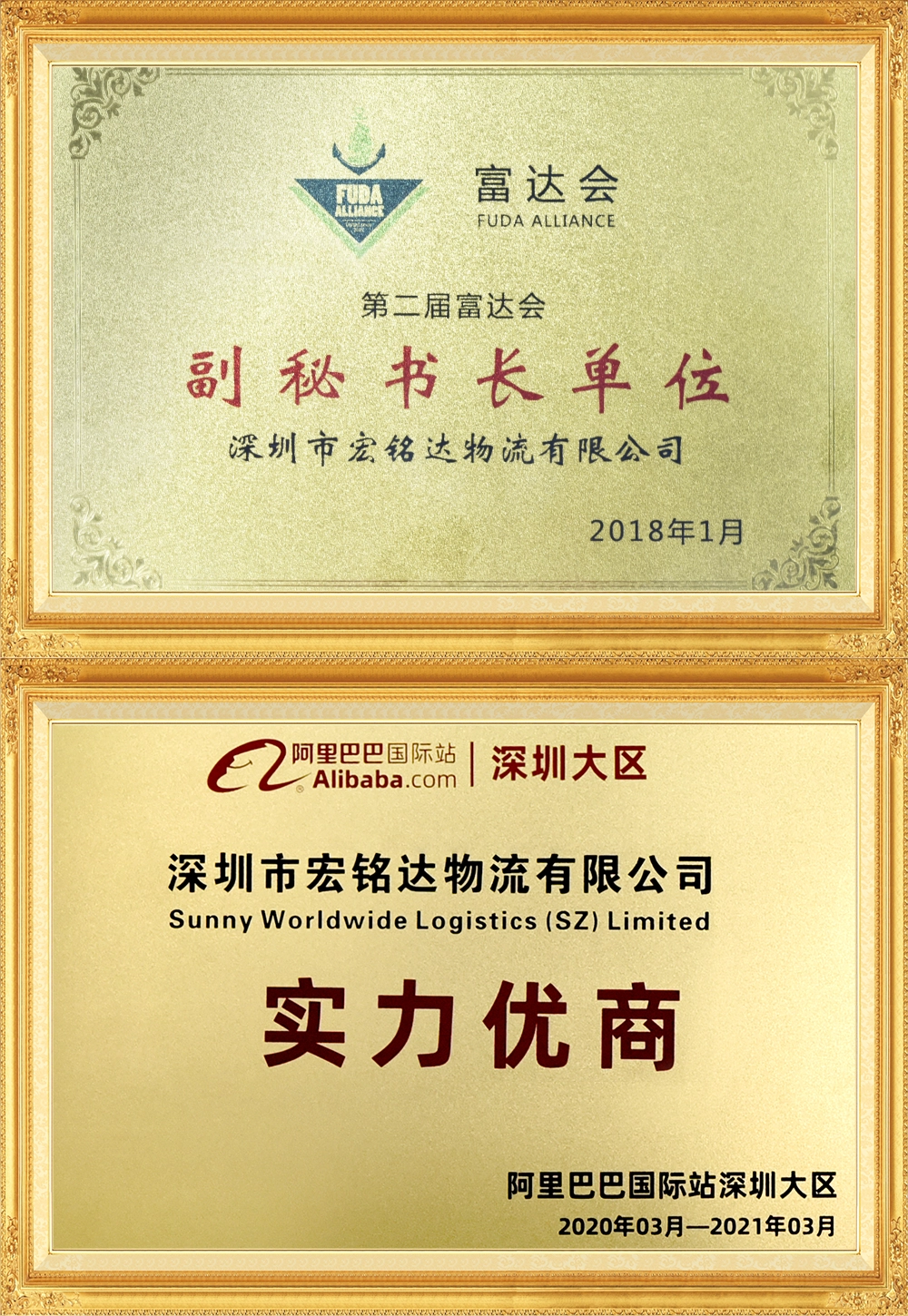
- Certifications
-

- Follow us
- Subscribe
-
Get email updates on new products
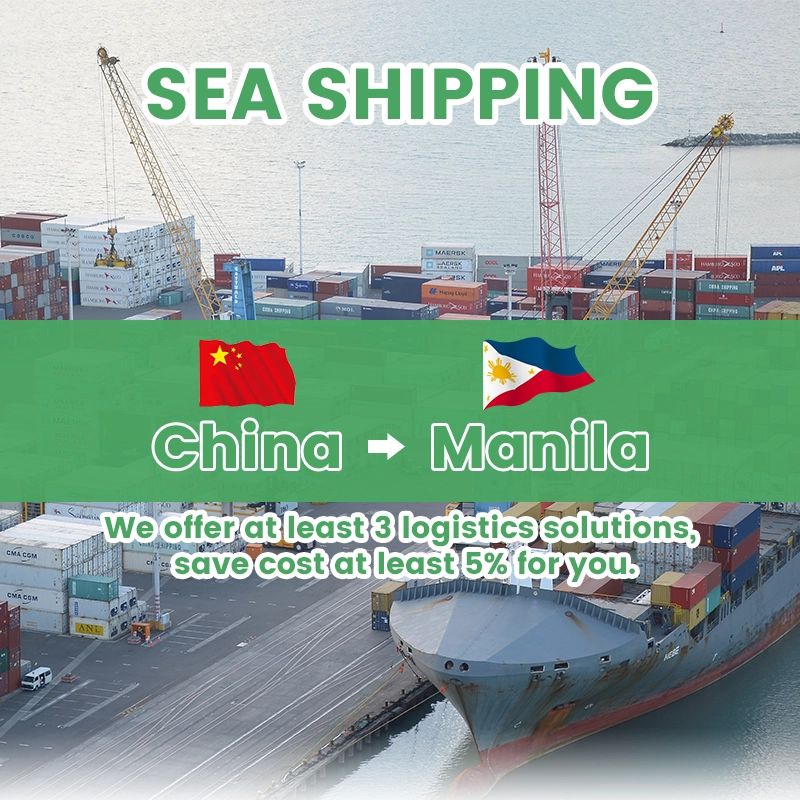
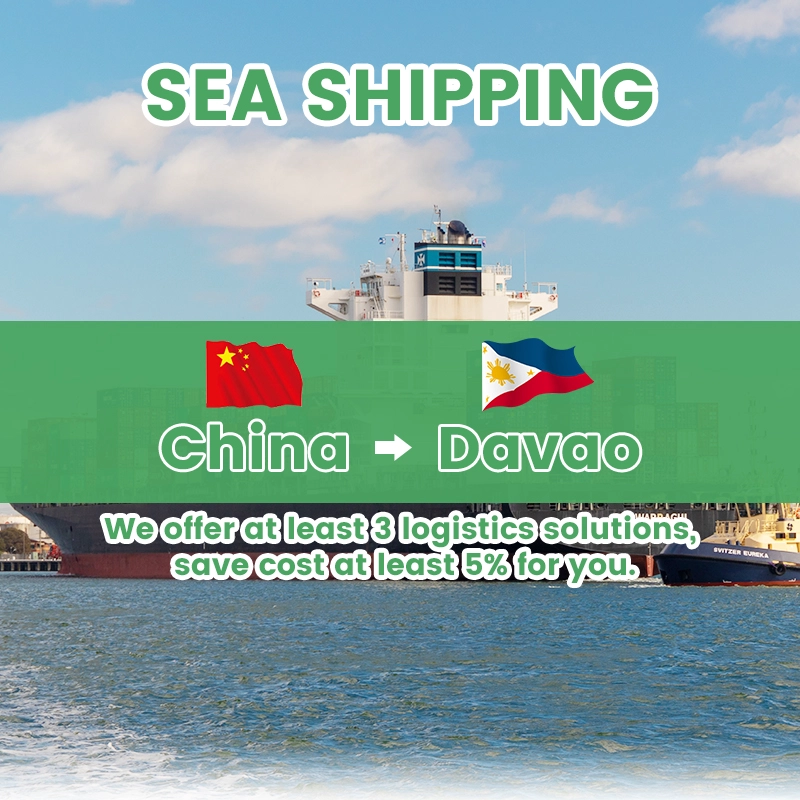
Sea Freight Door-to-Door Service for Battery Goods from China to the Philippines
- Destination: Philippines
- Route: China to Philippines
- Via: China to Philippines
- Departure Day:everyday
- Transit Time (Days): 33-37 Days
- Shipment Type:All Types
- Type:Freight Forwarder Sea Cargo
Quick Answer: What is this battery shipping service?
This service is a sea freight forwarding solution for battery goods moving from China to the Philippines. It is designed for importers, distributors, manufacturers, retailers and project buyers who need support with document review, customs coordination and final local delivery. The published service page lists daily departures and an estimated transit time of 33–37 days. Because battery cargo can have different handling and regulatory requirements, every shipment should be reviewed according to its battery type, condition, packaging, quantity, weight, value and intended use before booking.
What does the service cover?
For a customer, battery shipping is more than booking space on a vessel. A workable shipment plan should connect the cargo information, export preparation, ocean transportation, Philippine import procedures and final delivery address.
The service page describes a door-to-door sea freight solution from China to the Philippines and includes document review, customs clearance and final local delivery in its service scope. The exact inclusion of pickup, export declaration, import clearance, duties and taxes, unloading and last-mile delivery should be stated in the quotation. Customers should not assume that every charge or procedure is included simply because the service is described as door-to-door.
Before asking for a quote, prepare the product name, battery chemistry, rated capacity, voltage, state of charge if relevant, whether the battery is installed in equipment, whether it is packed with equipment, the quantity, package dimensions, gross weight, cargo value, pickup location and Philippine delivery address.
For the service's published route and detailed scope, review the battery goods sea freight service from China to the Philippines.
Route, departure frequency and transit estimate
The target service page publishes the following route information:
| Item | Published information |
|---|---|
| Destination | Philippines |
| Route | China to the Philippines |
| Departure | Every day |
| Estimated transit time | 33–37 days |
| Shipment type | Sea cargo freight forwarding |
| Service concept | Door-to-door, with document review, customs clearance and final local delivery described in the page title and service framework |
The 33–37-day transit figure should be used for initial planning only. Actual timing can be affected by cargo readiness, booking cut-off, consolidation, vessel schedule, port operations, document accuracy, customs inspection, public holidays and final-mile delivery conditions.
Customers shipping to Manila, Cebu, Davao or another Philippine destination should provide the complete delivery address. The final route and local delivery arrangement may differ by city, cargo profile and service scope.
How the shipping process works
-
Submit the cargo profile
Provide the battery type, product description, quantity, packaging details, dimensions, gross weight, cargo value, pickup address in China and destination address in the Philippines. Explain whether the battery is standalone, installed in equipment or packed with equipment. -
Document and cargo review
The forwarding team reviews the information needed for quotation and shipment planning. If the cargo requires special handling or additional supporting documents, this should be identified before booking. -
Confirm the service scope and quotation
Ask the quotation to list pickup, export handling, ocean freight, import customs coordination, duties and taxes, local delivery, storage, inspection and any exclusions separately. This makes the final logistics cost easier to evaluate. -
Cargo pickup and export preparation
Cargo is collected or delivered to the agreed origin facility. The outer packaging, shipping marks, labels and commercial documents should match the declared cargo information. -
Sea transportation from China to the Philippines
The published page states daily departures and an estimated 33–37-day transit time. The actual sailing date depends on booking confirmation, cargo readiness and available space. -
Philippine arrival and customs coordination
The consignee or importer should provide accurate company, product and shipment information and confirm any applicable import requirements. Customs coordination is not the same as a guarantee of customs approval. -
Final local delivery
After the agreed import procedures are completed, the shipment can be delivered to the confirmed Philippine address when the quotation includes final-mile delivery. Keep the delivery record, commercial documents and shipment updates for inventory and accounting purposes.
Battery cargo information customers should disclose
Battery goods can include standalone batteries, batteries installed in products, batteries packed with products, power stations, electronic devices, vehicles, industrial equipment and other products. These categories may require different document and handling reviews.
Before booking, disclose whether the cargo is:
- Lithium-ion, lithium-metal, lead-acid or another battery type
- New, used, damaged, defective or recalled
- Installed in equipment or shipped separately
- Temperature-sensitive or requiring special handling
- Intended for consumer, medical, industrial, automotive or other use
- Packed as individual units, cartons, pallets or a full container
Do not publish or promise a dangerous-goods approval, specific certification, fixed customs outcome or universal acceptance statement unless the company has current evidence for that exact cargo category and route. The importer remains responsible for providing accurate cargo information and meeting applicable requirements.
Why customers choose a coordinated door-to-door plan
- One shipment brief: Origin, cargo, destination and delivery requirements are reviewed together.
- Earlier document visibility: Potential information gaps can be identified before the cargo is booked.
- Clearer cost decisions: Customers can ask for included and excluded charges instead of comparing an ocean freight rate alone.
- Fewer handover gaps: Pickup, transportation, customs coordination and final delivery are discussed as one service plan.
- Better receiving preparation: The consignee can plan inventory receipt around the estimated route and the agreed delivery scope.
These are planning benefits, not guarantees of a particular customs result, price, transit time or delivery date.
Frequently Asked Questions
Can I ship batteries by sea from China to the Philippines?
The target service page is specifically presented as sea freight for battery goods from China to the Philippines. Acceptance still depends on the battery type, condition, packaging, documents, quantity, destination and applicable requirements. Submit the complete cargo profile before booking so the forwarding team can review the shipment.
How long does battery sea freight to the Philippines take?
The target page publishes an estimated transit time of 33–37 days and daily departures. This is an initial planning estimate rather than a guaranteed delivery period. Booking cut-off, cargo readiness, vessel schedules, port operations, customs procedures and local delivery can change the final timeline.
Does door-to-door include customs clearance and final delivery?
The service page title and service framework describe document review, customs clearance and final local delivery. Ask the quotation to confirm which customs activities, duties and taxes, pickup services, storage, inspection costs and final-mile charges are included. The written quotation should control the agreed scope.
What documents should I prepare?
Start with a commercial invoice, packing list, accurate product description, battery specifications, quantity, dimensions, weight, cargo value, pickup address and Philippine consignee details. Additional documents may be required depending on the battery type, product condition and applicable import rules. The forwarding team should confirm the final document list for your shipment.
Can damaged or used batteries be shipped?
Do not assume acceptance. Damaged, defective, recalled or used batteries may require a separate review and may have different handling requirements. Disclose the condition before quotation and wait for written confirmation that the proposed route and service scope are suitable.
Request a battery shipping quotation
To receive a route-specific proposal, send the battery type and specifications, product use, quantity, packaging, dimensions, gross weight, cargo value, China pickup address and Philippine delivery address. Ask for a written breakdown of document review, export handling, sea freight, customs coordination, duties and taxes, storage, inspection and final delivery.
For related route information, visit the Philippines sea freight service category. To submit shipment details, use the site's Contact Us page.
3. Pre-Publication Checklist
- Confirm the 33–37-day estimate is still valid for this specific battery service.
- Confirm the service's actual battery acceptance categories and required documents.
- Confirm whether door-to-door includes duties, VAT, pickup, storage, inspection and final-mile delivery.
- Do not add unverified dangerous-goods certifications, approvals, customer cases, prices or customs guarantees.
- Use only real battery-cargo images approved by the company; do not use unrelated product images.
- Add descriptive image ALT text, such as
battery goods sea freight from China to the Philippines. - Keep one page H1 and use the H2/H3 structure shown above.
- Check the target product link, Sea Freight category link and Contact Us link after publication.
- Verify the rendered title, meta description, canonical, H1, internal links and mobile layout after publication.
- Submit the final public URL for Search Console inspection after the page is live; this draft does not represent Google indexing or ranking.
4. Source and Claim Notes
- Target service page: https://www.philippines-shipping.com/product/Sea-freight-door-to-door-service-for-battery-goods-from-China-to-the-philippines-including-document-review-customs-clearance-and-final-local-delivery.html
- Related service category: https://www.philippines-shipping.com/category/sea-freight.html
- Contact page: https://www.philippines-shipping.com/contact-us.html
The route, daily departure, 33–37-day estimate and sea freight type in this draft are based on the target page's public service parameters. Regulatory acceptance, final quotation, exact document list, customs result and delivery date require shipment-specific confirmation.
- Other Products