














The cargo throughput of Philippine ports continues to rise, and foreign trade freight and terminal intelligence are working together
The latest data from the Philippine Ports Authority (PPA) shows that the cargo throughput of major ports across the country has maintained steady growth, and foreign trade import and export and container turnover have shown strong resilience. With the digital dispatch upgrade and customs clearance process optimization of the Manila International Container Terminal, the port detention rate has dropped significantly, and the regional supply chain efficiency and maritime carrying capacity have been substantially improved.

Manila News —— With the continued deepening of regional economic and trade cooperation in Southeast Asia and the steady advancement of domestic infrastructure construction in the Philippines, the latest port operation statistical report recently released by the Philippine Ports Authority (PPA) shows that the cargo throughput of seaports in the Philippines has shown a steady upward trend. The significant growth in foreign trade import and export freight volume and the optimization of the operating efficiency of Manila's core hub port have jointly promoted the overall recovery of the country's logistics and transportation system.
1. Foreign trade import and export and container throughput increased steadily
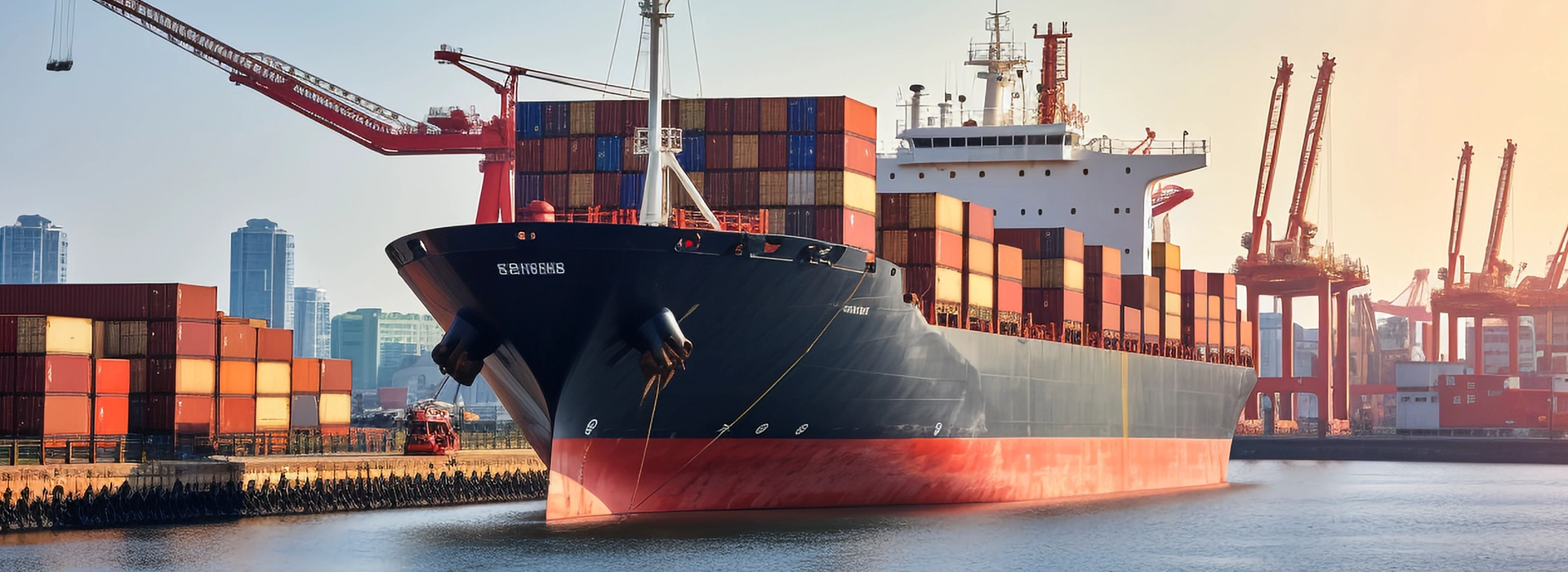
Data show that with the joint support of the import of consumer goods, construction materials, new energy equipment and the export of specialty agricultural products, the container throughput of the Philippines' main shipping hubs has achieved an orderly increase. Especially at the Manila International Container Terminal (MICT), Manila South Harbor and Cebu Port, the processing efficiency of import and export containers has been significantly accelerated.
Driven by the policy dividends of the Regional Comprehensive Economic Partnership (RCEP) and the normalization of bilateral trade between China and the Philippines, the cargo load factor of the China-Philippines shipping route continues to remain in a high range. The demand for maritime transportation of various industrial parts, machinery and equipment and e-commerce retail packages remains strong, providing sufficient supply support for regional liner routes.
2. Substantial breakthroughs in port congestion control and digital customs clearance
For a long time, container lags in the Manila port area and landside truck congestion have been key bottlenecks that restrict logistics timeliness. To alleviate this problem, the Philippine Bureau of Customs (BOC) and the Port Authority (PPA) jointly implemented a number of systemic rectification measures:
- Strictly implement the overdue container clearance policy : For heavy and empty containers that have stayed in Hong Kong for longer than the specified time limit, stepped warehousing fee increases and forced transfer instructions have been implemented, effectively freeing up the storage yard turnover space.
- Promote paperless declaration and electronic tracking of import and export : Through the digital manifest pre-declaration and electronic cargo tracking system (e-TRACC), the pace of inspection and release is accelerated, and the average customs clearance time for a single container is shortened by more than 20%.
- Optimize empty container return and yard coordination mechanism : Many international liner companies have established dynamic empty container acceptance mechanisms with local yards, reducing land transportation scheduling stagnation caused by the backlog of empty containers.
3. Terminal berth expansion and multimodal transport network extension
In order to cope with the demand for medium and long-term maritime trade, terminal operators represented by International Container Terminal Services Inc. (ICTSI) have accelerated the pace of expansion. The putting into use of MICT's new berths and the addition of post-Panamax quay cranes have greatly improved the loading and unloading capabilities of large container ships.
At the same time, the collection and distribution network of major secondary ports in South Luzon and Mindanao is also accelerating. Through the seamless connection of highways and barge feeder systems, foreign trade goods can be more quickly distributed from coastal ports to inland industrial parks and warehousing and distribution centers, effectively reducing the entire comprehensive logistics cost.
4. Suggestions for foreign trade cargo owners and logistics practitioners
In view of the current operating characteristics of the Philippine shipping market, industry experts recommend that cross-border foreign trade companies and logistics planners focus on the following dimensions:
- Complete manifest pre-allocation and compliance document preparation in advance : The Philippine Customs has extremely strict requirements on document consistency (item weight, product name, HS code). The cargo owner should ensure that the bill of lading, invoice and packing list accurately match to prevent manual customs inspection from being triggered;
- Properly plan the free time and the time limit for picking up the container at the destination port : It is recommended to strive for sufficient demurrage/detention days at the destination port during the booking stage, and complete customs clearance and tax payment before arrival at the port to avoid high demurrage and container detention fees;
- Pay close attention to weather warnings and shipping schedule changes during typhoon season : In the fourth quarter and periods when extreme weather is common, emergency backup plans should be established and buffer time should be reasonably reserved to ensure the stable operation of the supply chain.