






- Browse Categories
- Air Freight
- Sea Freight
- Contact Us
-
TEL:+86-755-25643417
Fax: +86 755 25431456
Address:Room 806, Block B, Rongde Times Square, Henggang Street, Longgang District, Shenzhen, China
Postcode: 518115
E-mail: sales1@swwlogistics.com.cn Contact Now
- Logistics Services






- News CenterMore>>
-
- The Philippine Ports Authority has increased loading and unloading rates at the Port of Manila and taken multiple measures to address empty container storage and supply chain congestion.
- The volume of foreign trade cargo at Philippine ports has grown steadily, and the customs and port authorities have strengthened digital transportation.
- Philippine international air cargo welcomes strong recovery: cargo volume in the first quarter of 2026 increased by 16% year-on-year and exceeded 124 million kilograms
- Container throughput at Philippine ports increases steadily: exceeding 4.3 million TEUs in the first half of 2026
- Philippine port cargo volume continues to grow, officials promote Manila Port transportation and digital governance
- Philippines PPA releases latest freight data: Manila Port throughput has grown steadily, and digital initiatives have significantly improved customs clearance efficiency
- The Philippines PPA releases the latest port data: cargo volume has grown steadily, and the Port of Manila has implemented a number of coordinated governance measures
- The Philippine Ports Authority released fourth-quarter freight relief measures: Manila Port yard utilization dropped to 68%
- Manila Port Collaborative Governance: AISL and ICTSI join forces to rectify overdue heavy containers to relieve yard pressure
- The Philippine Ports Authority released data for the first half of 2026: foreign trade exports increased by 17.4%
- Certifications
-




- Follow us
- Subscribe
-
Get email updates on new products
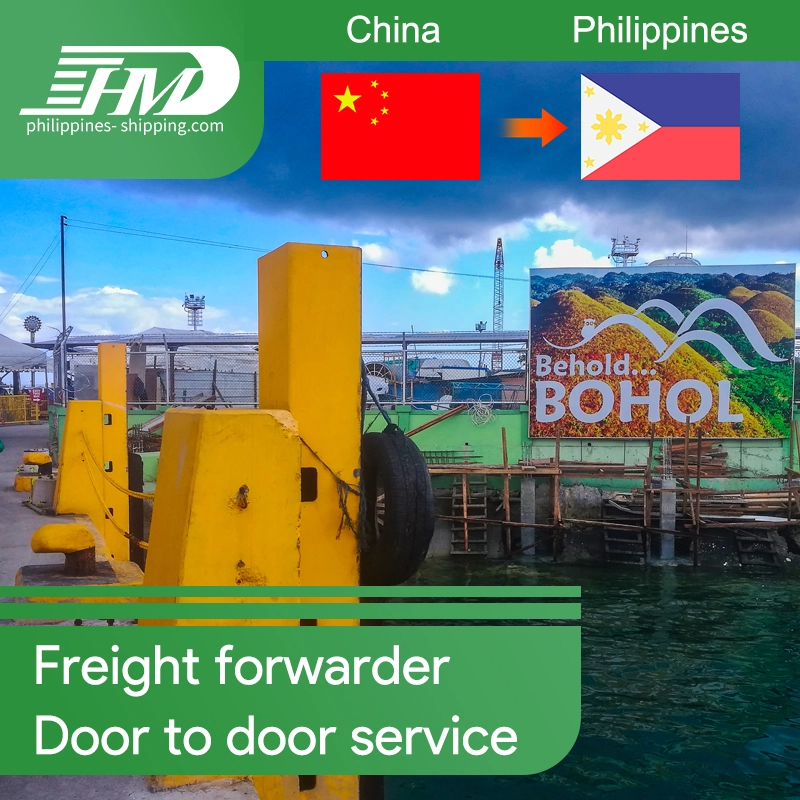
Christmas Shipping Cut-Off Dates to Philippines | China DDP
- Origin: Guangzhou, Yiwu, Shenzhen, China
- Destination: Manila and provincial ports, Philippines
- Service: DDP door to door, duty and VAT included
- Mode: Sea freight LCL and FCL, air freight for late replenishment
- Transit time: 12-18 days by sea, 3-6 days by air, plus clearance
- Cargo: General merchandise, gifts, retail stock, seasonal promotions
Every January there are importers holding containers that arrived on time for a season that had already ended. The vessel was not late. The booking was.
Why the Cut-Off Is Earlier Than the Calendar Suggests
Retail deadlines are set by shelf dates, not by arrival dates. If stock must be on the floor two weeks before the peak, the vessel has to berth a week or so before that, which means the container was loaded at the factory a fortnight before that again.
Work backwards and the number stops looking generous. Space in the last weeks before the peak fills first, and rates rise with it. The shipments that miss are usually the ones booked at the point where only premium options remain.
The practical rule is simple: decide the shelf date first, then count backwards through clearance, berthing, sailing and loading. Whatever that date is, book earlier.
What Actually Slows a December Shipment
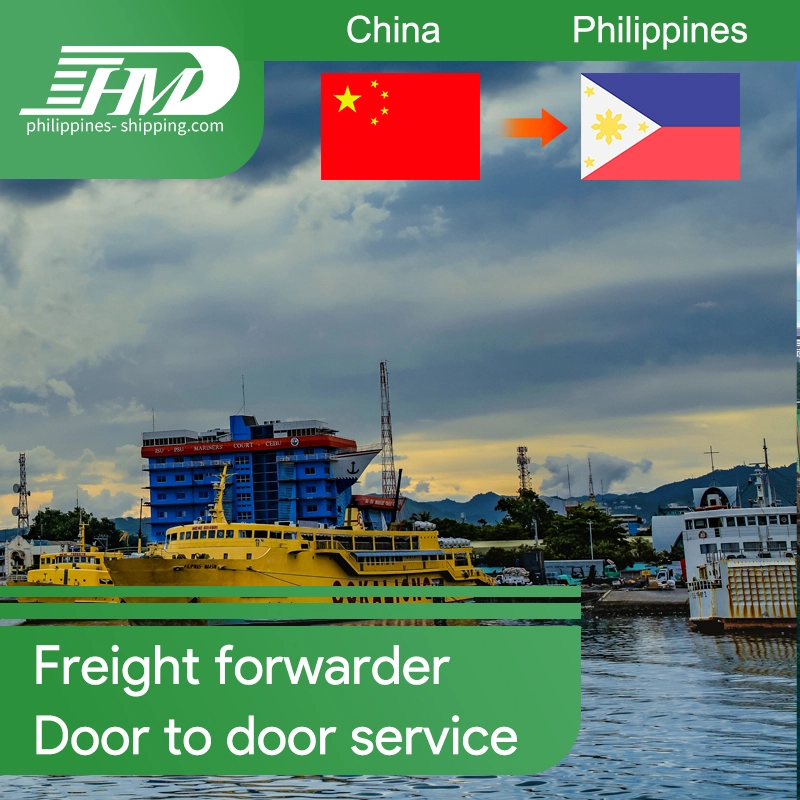
Space, not speed
Sailing time barely changes in December. What changes is how far ahead a slot must be held, and how quickly the cheaper services disappear. A route that takes twelve days in June still takes twelve days in December, if you have a booking.
Terminal congestion
Arrival clusters. When several vessels discharge in the same week, yard space tightens and the release of one container waits behind another. This is the part importers cannot control, which is why the buffer belongs at the front of the plan.
Documentation gaps
Peak season is the worst time to discover an invoice problem. Brokers are at capacity, and a query that is answered in a day in March can take several in December. Clean documents are a scheduling tool, not paperwork.
Building the Backward Calendar
Start with the date the goods must be sellable, subtract the clearance window, subtract the sailing, subtract the loading and inland collection, and subtract a buffer for the unexpected. What remains is the latest booking date.
Two shipments beat one gamble. Sending part of the order earlier at a lower rate and holding a smaller air allowance for late movers usually costs less than a single late sea container and an empty shelf.
How the Shipment Moves
- Collection. Factory pickup in Guangzhou, Yiwu or Shenzhen, with a carton and label check.
- Export. Booking, loading, and the export declaration.
- Clearance. Duty and VAT assessed, container released to our broker.
- Delivery. Trucked to warehouse, mall or fulfilment site, scheduled before the peak.
Where a seasonal order sits near the threshold in our Philippines BOC de minimis rules 2026 note, we check it early. The full sequence is on our service flowchart.
Why Shippers Choose Sunny Worldwide Logistics
We quote from the sailing date backwards, and we say plainly when a requested arrival is no longer realistic on sea freight. That conversation is uncomfortable in October and much cheaper than the one in January.
For seasonal importers we hold the carton and invoice history between years, so the second peak is planned from what actually happened rather than from an optimistic estimate. Most seasonal cargo we handle lands in Manila and moves onward to Cavite, Laguna and Bulacan; see the China to Manila route page.
Frequently Asked Questions
When should I book for December stock?
Earlier than most importers expect. Working back from a shelf date in early December, the sea booking usually needs to be confirmed well before the last quarter's bookings close. Send us the shelf date and we will return the latest booking date for that specific route.
Is air freight worth it in December?
For a short list of fast sellers, often yes. For a full container of general merchandise, no. The useful approach is a sea base order plus a small air allowance held for the items that surprise you.
Do provincial deliveries need a longer buffer?
Yes. Cebu and Davao routing adds a transshipment step, and in a peak week that step is where the delay sits. We quote provincial addresses with their own calendar rather than assuming the Manila timing applies.
Tell us your shelf date and destination through our contact page and we will send back a dated plan rather than a rate alone.
Tel:+86 13534256878
Wechat:+86 13534256878
Contact Person:Mavis

- Other Products