






Controls 40% of Global Tankers! Mysterious South Korean Billionaire ‘Strikes it Rich’ Amid Middle East Conflict
With precise layout before the war, 150 oil tankers reshaped the global shipping pattern.
After the United States and Israel launched a military attack on Iran, the Strait of Hormuz was closed and the global energy market was plunged into chaos.
Oil prices fluctuate violently, and countries are dealing with the crisis of supply chain disruption. And a low-key second-generation South Korean rich man has already become the biggest invisible winner in this geopolitical conflict by virtue of a precise pre-war gamble.
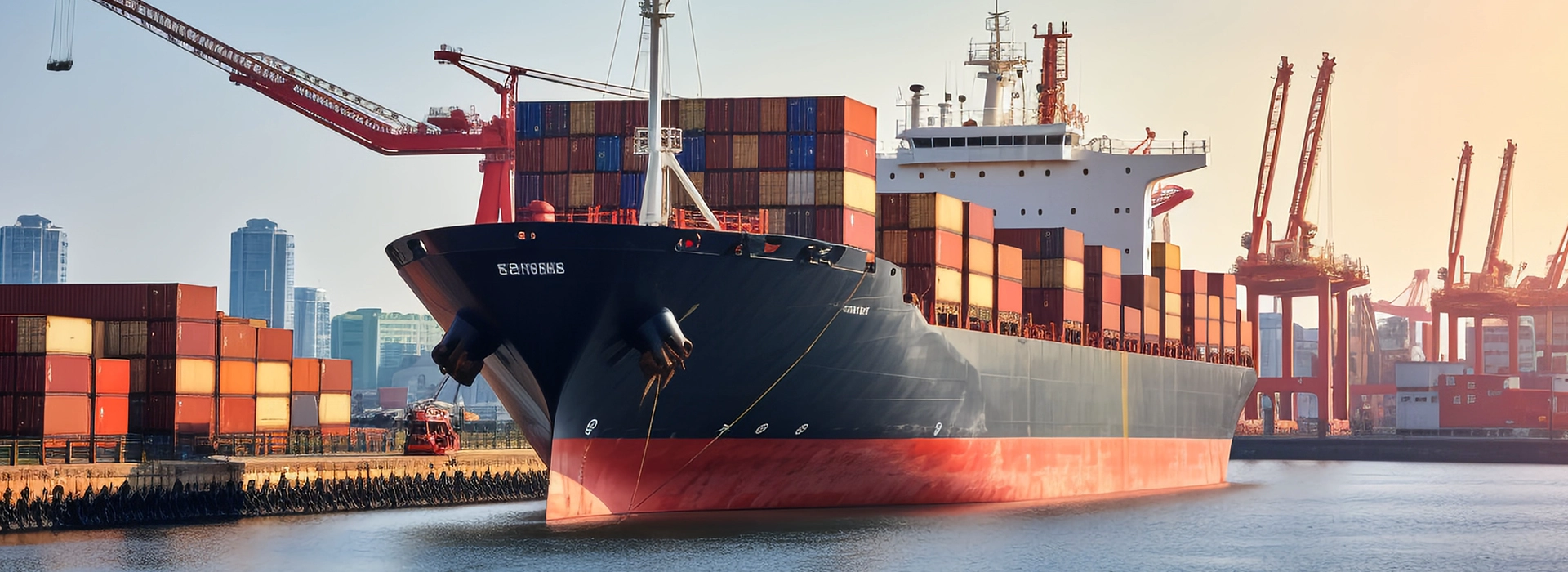
This person is Ga-Hyun Chung, the actual controller of South Korea’s Sinokor (Changjin Shipping) Group. A few months before the war broke out, He led the group’s frenzied acquisition and leasing of very large crude carriers (VLCCs), and at its peak controlled nearly all of the world’s 40% of available VLCC capacity.
Now, the closure of the Strait of Hormuz has caused tanker rents to skyrocket by nearly 10 times, his tanker fleet is less than 6 The cost can be recovered within a few months. This commercial gamble can be called a textbook-level operation in a geopolitical crisis.
According to reports, Sinokor has quickly accumulated approximately 120 A VLCC of this scale is said by industry veterans as “never seen before in the industry.”
Arrive 2 At the end of the month, industry peers estimated that The number of VLCCs controlled by Sinokor has increased to 150 This number was equivalent to nearly half of the world’s total unsanctioned and unoccupied VLCC at that time. 40% , directly breaking the original pattern of the global tanker shipping market.
Global oil shipping volume continues to rise, but a large number of oil tankers are locked in long-term leases or specific routes due to Russian and Iranian oil sanctions. There are fewer and fewer ships that can be freely leased, and market supply is already tight.
According to disclosures, at least two large shipowners discovered when negotiating ship sales with Sinokor that the final buyer was actually an entity related to Mediterranean Shipping Company (MSC) founder and Italian billionaire Gianluigi Aponte.
Currently, The specific cooperative relationship between the two parties and how much of Sinokor's transaction involves MSC are still unclear, but the linkage between the two will undoubtedly further consolidate its voice in the tanker market.
Sinokor controls a large fleet, increasing competition in the market and sometimes even setting its own prices. Affected by this, the global one-year average rental price of VLCC once exceeded the daily 10 million US dollars, a record 1988 A record high since records began.
It can be seen that Sinokor's operation is not a blind gamble, but accurately seizes the dual outlet of "sanctions demand".
On the one hand, Western sanctions on Russia and Iran have led to a contraction in shipping capacity; on the other hand, rising global oil trade demand, the combination of the two will inevitably push up tanker rentals and ship prices.
Public information shows that Sinokor Group was established in 1989 In 2000, it initially focused on container transportation. In that year, it opened the first South Korea-China container route and became an important force in South Korea's shipping industry.
In the industry, Zheng Jiaxuan also has a well-known hobby: judo. One former employee described him as dedicated and physically strong, and it was rumored that he almost never lost an arm-wrestling contest. This tenacious and competitive character also runs through his business layout.
Before this major expansion, Sinokor had long been a "small player" in the VLCC market. People who know Zheng Jiaxuan said that he has always been regarded as a conservative risk-taker in the past, doing things safely and not taking risks easily.
But in recent years, his style has become more radical: 2024 In 2017, Sinokor had intensive bookings, which once pushed up tanker rents, confusing its peers. However, the market soon subsided. This time, the scale of his actions was far greater than before, directly shaking the global shipping market and completing a counterattack.
Zheng Jiaxuan's transformation from conservative to radical is essentially an accurate judgment of the global energy landscape and shipping market trends. He clearly realizes that behind the risks of geopolitical conflicts lie huge business opportunities.
2026 year 2 To the end of the month 3 At the beginning of the month, the United States and Israel launched a military strike against Iran. The situation in the Strait of Hormuz deteriorated sharply and was eventually closed. And all of Zheng Jiaxuan's plans before the war were quickly transformed into huge profits at this moment.
Even before the war broke out, Sinokor had quietly Quietly at least 6 An empty VLCC was transferred to the Persian Gulf on standby. 1 month 29 On the same day, its Singapore Loyalty was the first to cross the Strait of Hormuz and enter the Gulf. Within the next four weeks, at least one more 5 Oil tankers followed one after another and gathered in the waters near Dubai.
As for whether Sinokor's move was based on anticipation of U.S. military operations, or whether it was simply to go to major oil-producing areas to find supply sources, there is no clear answer, but it is undeniable that this move happened to hit the time point of the war.
The Strait of Hormuz is the world’s most important oil transportation channel and bears the global 31% The closure of seaborne oil trade has directly led to the near-stagnant export of crude oil from the Persian Gulf, and the rapid saturation of oil storage facilities in the region.
Sinokor's empty tankers anchored in the bay instantly became a scarce resource that major oil companies were competing to rent: everyone needed these tankers as floating oil storage facilities to store crude oil that could not be transported.
Rentals then surged, and Sinokor's VLCC's quotation for transporting oil from the Persian Gulf to China reached per barrel 20 US dollars, while 2025 The average price during the same period last year was only 2.5 U.S. dollar, up as much as 7 times.
Although Sinokor's current profit momentum is rapid and Zheng Jiaxuan's gamble seems to be a complete success, there are still many uncertainties about whether this gamble can continue to win.
In the short term, it is difficult to change the pattern of high tanker freight rates, but in the long term, three major risks cannot be ignored.
First, short-term dividends are sustainable, but they depend on the direction of the war. According to the International Energy Agency 3 month 12 The latest monthly oil market report released on Sunday showed that the transportation volume of crude oil and petroleum products in the Strait of Hormuz dropped from the average daily level before the US-Israeli military strike. 2000 million barrels, plummeting to the current "extremely low level"; Gulf countries have cut their total daily crude oil production by at least 1000 million barrels, estimated 3 Global daily crude oil supply will plummet by approximately 800 Thousands of barrels.
However, if the war ends quickly and navigation in the Strait of Hormuz resumes, freight rates may fall quickly.
Secondly, long-term demand is facing suppression. The International Energy Agency has characterized the supply shock caused by the Iran war as the largest oil supply disruption on record.
Shrinking supply means that as the situation develops, the total volume of global ocean oil transportation will decline, and long-term demand for tankers will be suppressed.
Finally, operational and regulatory risks are highlighted. At present, the linkage between Sinokor and MSC has greatly increased the concentration of the global tanker market. This near-monopoly pattern may attract the attention of industry regulatory authorities and may face challenges such as antitrust investigations in the future.
The current high profits may stimulate a substantial increase in new ship orders. After the new ships are delivered in the future, the market may experience an oversupply situation, which will lead to a drop in freight rates. This is also a common risk that all ship owners need to face.
This huge gamble not only transformed Sinokor from a small player in the VLCC market to an industry giant, but also marked a structural change in the global tanker shipping market: pricing power is shifting to a few super giants.
In the past, competition in the tanker market was fragmented, and freight rates were mainly determined by supply and demand. Now, the linkage between Sinokor and MSC has the ability to influence or even dominate market pricing. This oligopoly pattern may continue to affect the development of the global tanker market.
From another perspective, Zheng Jiaxuan's case also reveals to us the business logic in the era of globalization: geopolitical conflicts are never just political events. There must be business opportunities hidden behind them, and those who can seize these opportunities are often those who dare to take risks and are good at predicting trends.
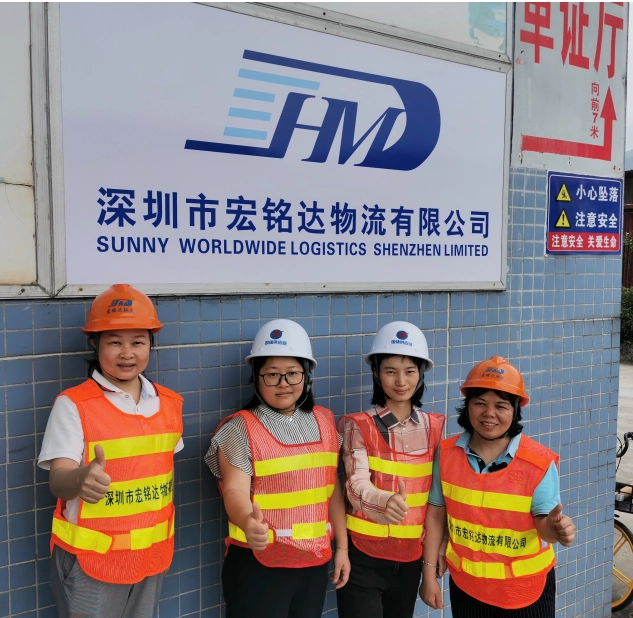
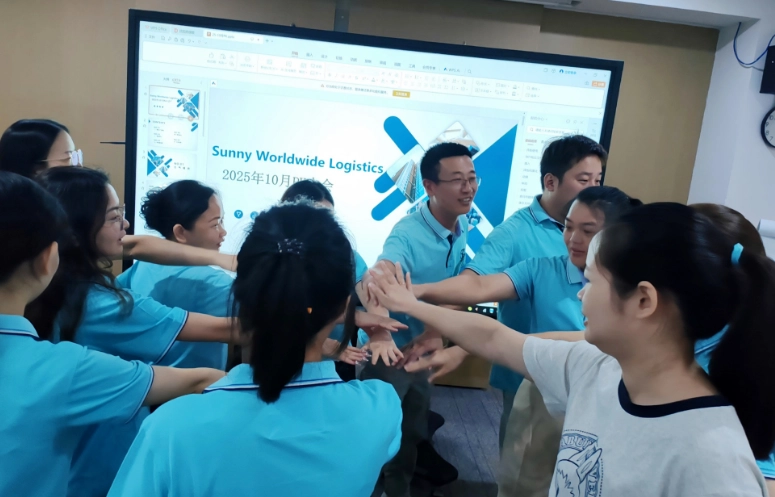
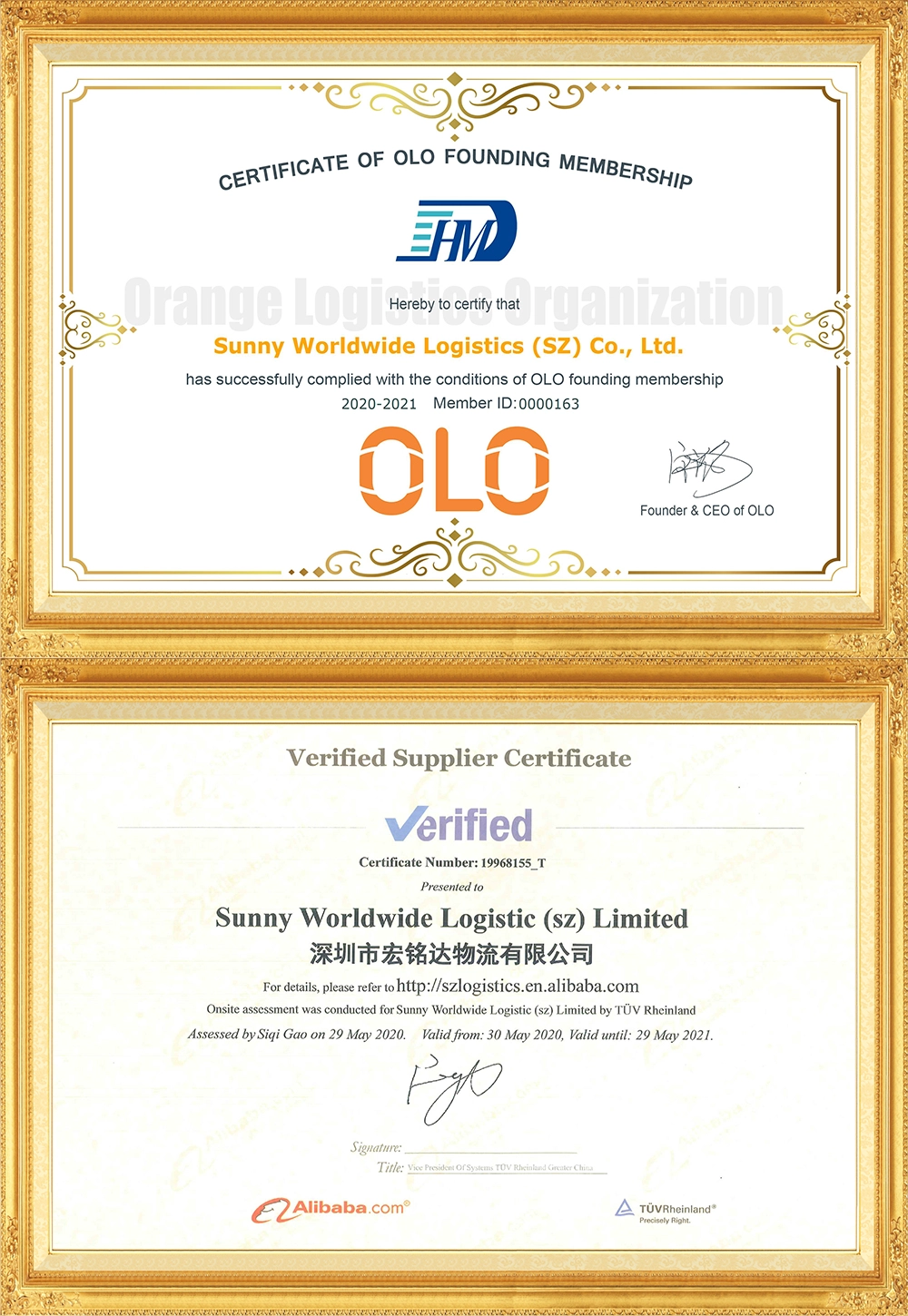
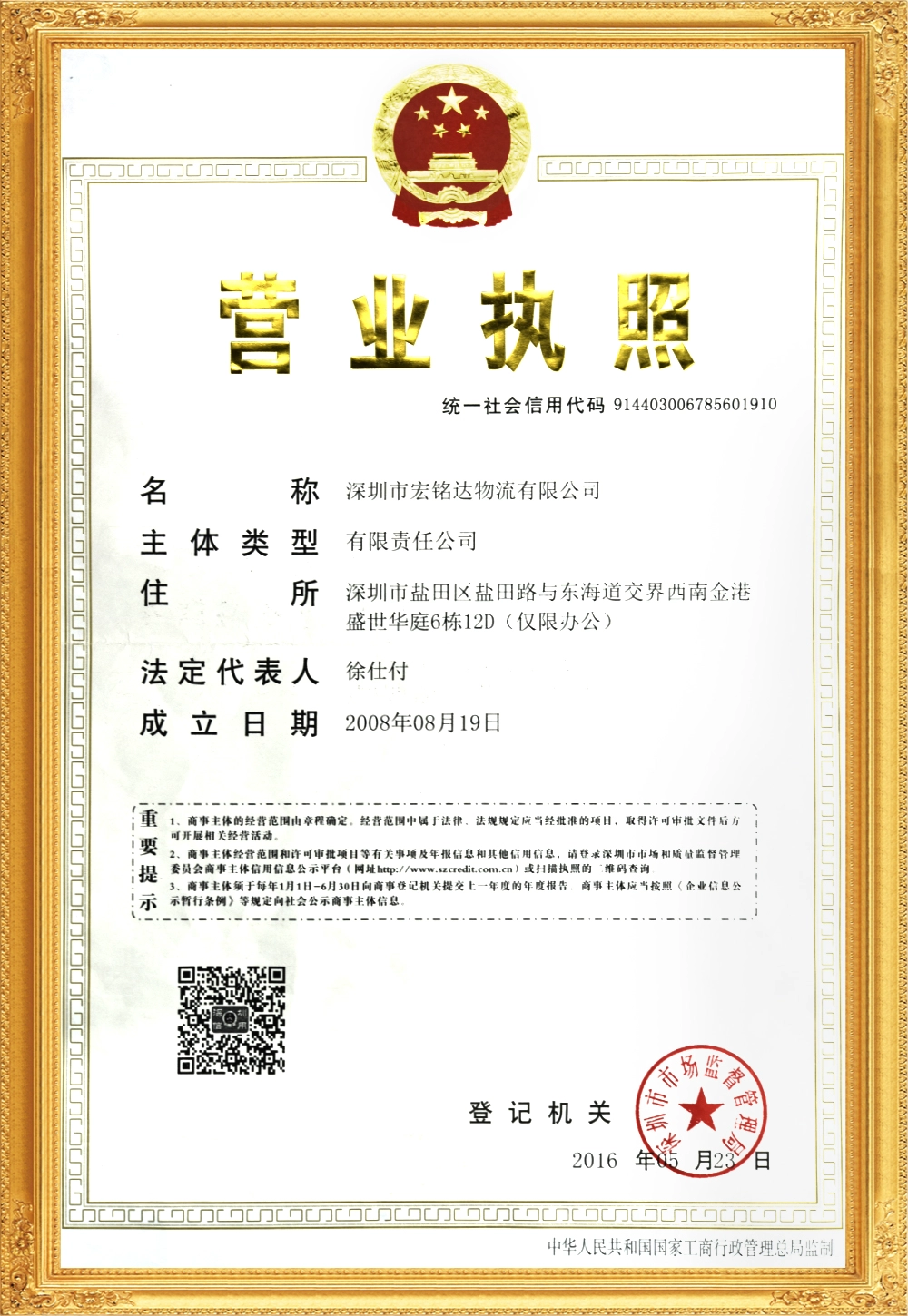
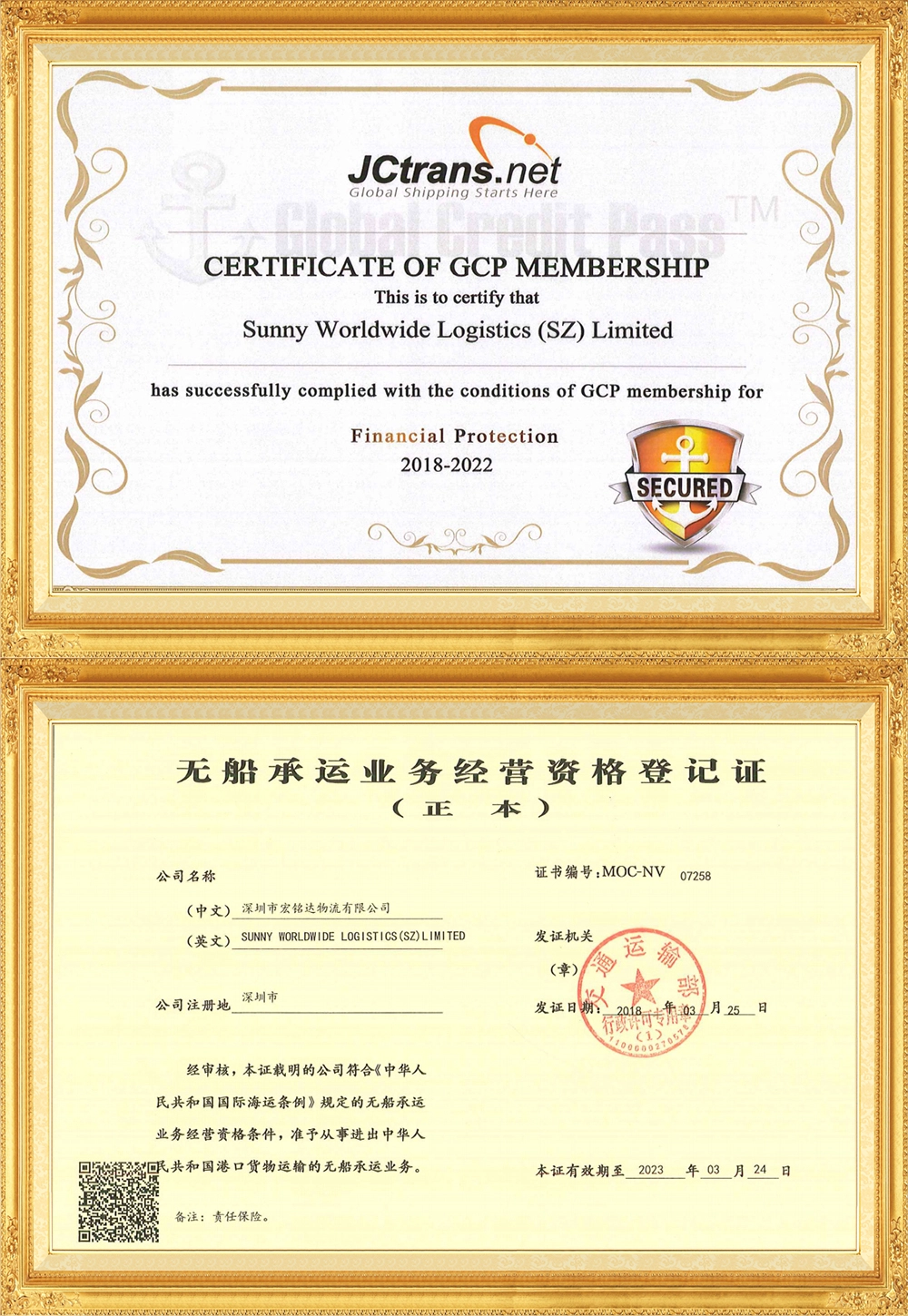
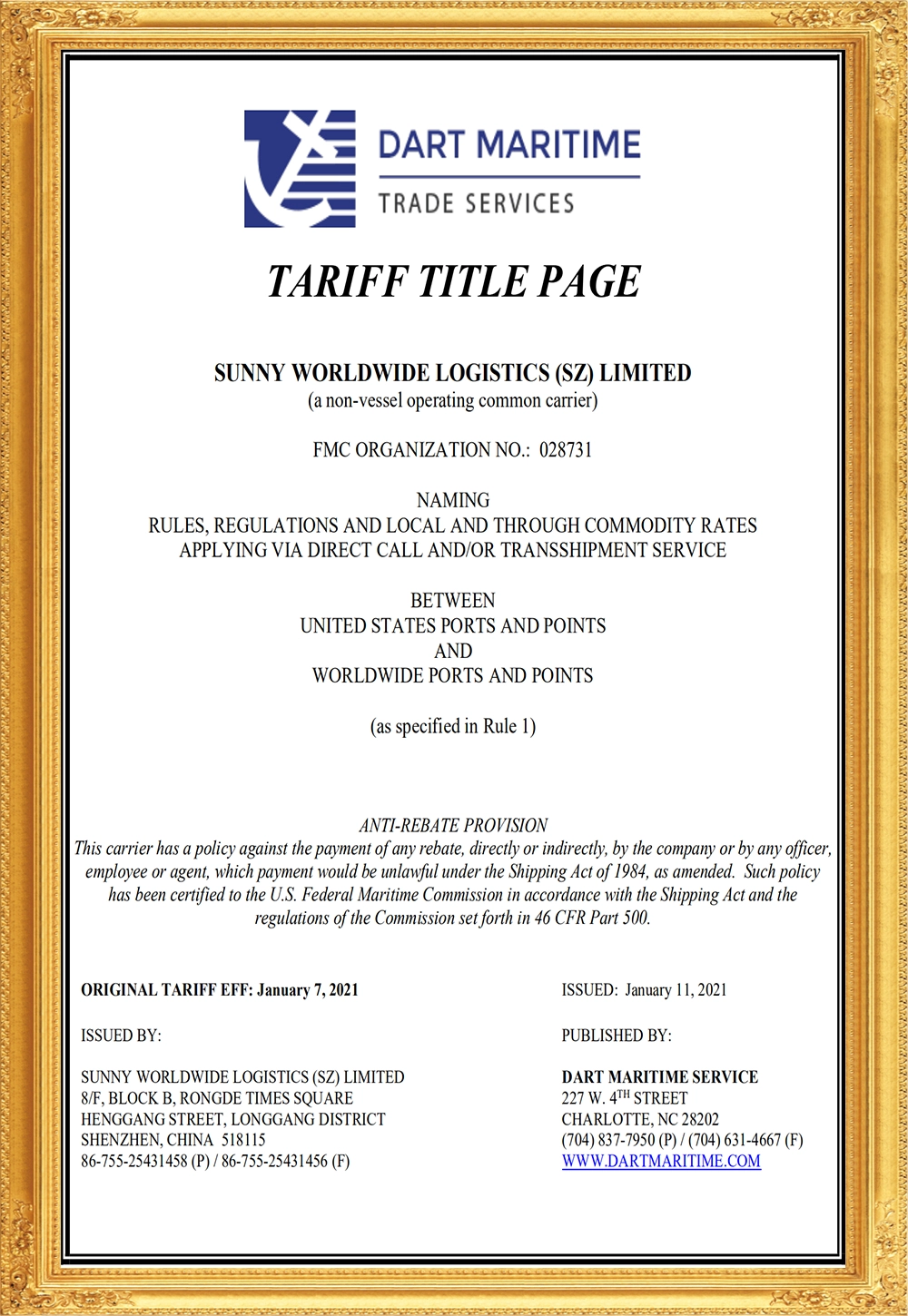
sunny worldwide logistics Co., Ltd. - Three Core Competencies:
Exclusive foreign trade warehouse at Yantian Port—one of only three among 60,000+ logistics peers in Shenzhen.
Own container fleet, available on-call—among the best in Shenzhen's industry.
1,800 sqm of premium Grade-A office space in Longgang—a testament to exceptional strength.
sunny worldwide logistics—Top 3 in Shenzhen Logistics.
When it comes to logistics, choose sunny worldwide logistics—your gateway to the world.
About sunny worldwide logistics
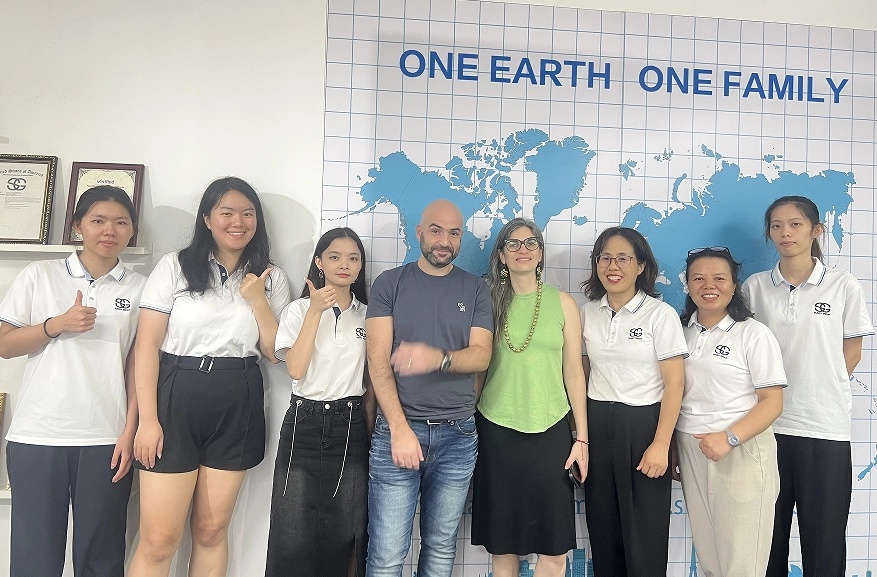
Established in 1998, Swwlogistics is an international freight forwarding enterprise headquartered in Shenzhen, with 1,800 sqm of self-owned Grade-A office space. Our mission: "Ssunny worldwide logistics Freight—No Surprises Unless Acts of God." With 27 years in freight forwarding, there's no pitfall we haven't seen.
Services:
Sea freight
Land transport
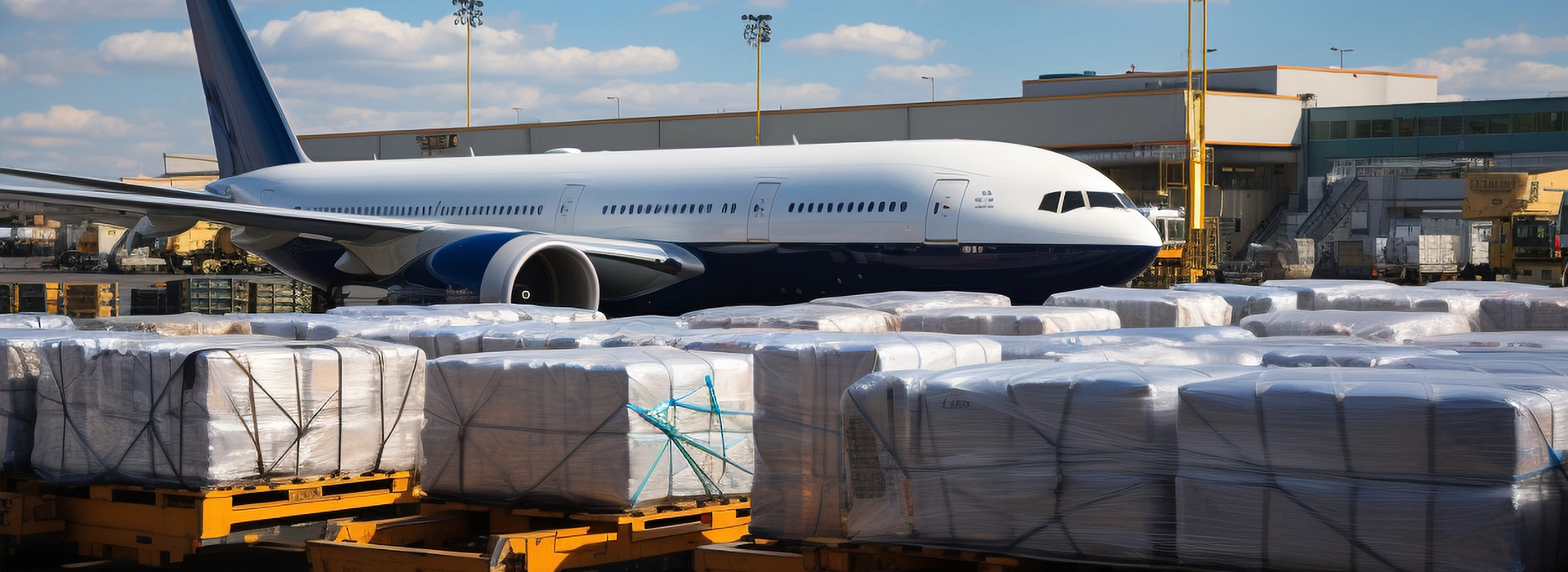
Air freight
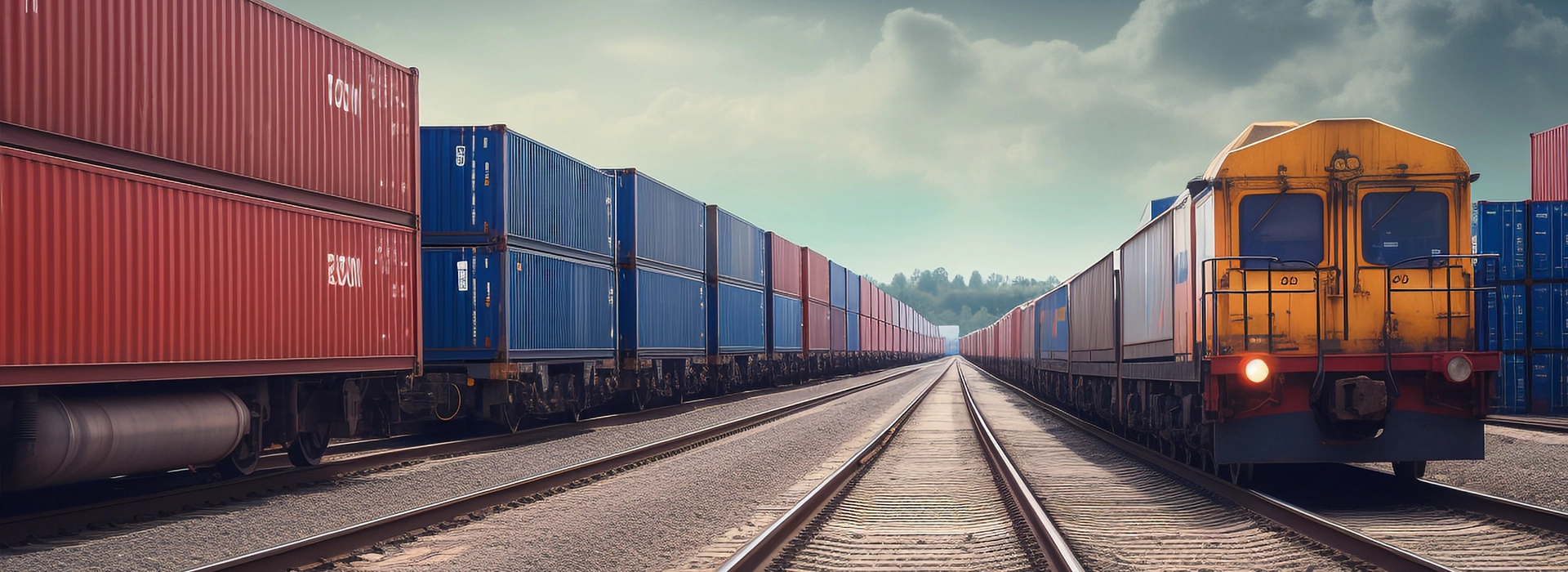
Rail freight
Customs clearance
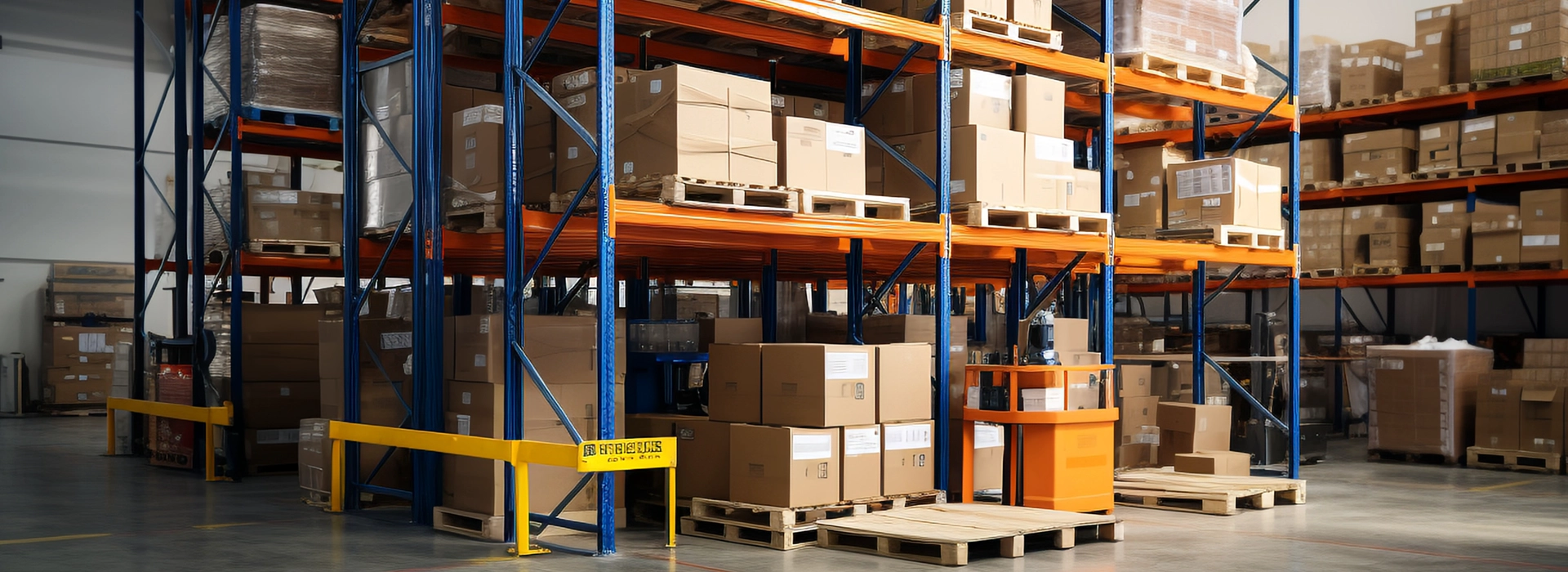
Warehousing
Inspection declaration
Container trucking
Fumigation
Insurance
One-stop integrated logistics solutions.
sunny worldwide logistics—More committed than the cargo owner themselves.
Contact Us:
QQ: 2885374591
Tel: 0755-25643421
WhatsApp/WeChat: 19076129125 (Lily)
Websites:
Official: swwlogistics.com
Rate Inquiry: swwlsrates.com
Mexico Site: swwshippingforwarder.com
Address: 8/F, Block B, Rongde International, Henggang, Longgang District, Shenzhen, Guangdong, China
Email: sales36@swwlogistics.com.cn