











MSC First to Break 1,000-Ship Barrier as Global Container Fleet Expands, Industry Concentration Hits New High
According to the latest statistics released by shipping consulting agency Alphaliner on May 8, 2026, the total number of container ships in operation worldwide has reached 7,538, a net increase of 11 ships from a month ago; the total shipping capacity has increased to 34,098,128TEU (20-foot equivalent units), a month-on-month increase of 98,919TEU; in terms of deadweight tonnage, the total tonnage has reached 405,111,359 deadweight tons.
In terms of the ranking of the world's top 20 liner companies, TS Lines has successfully ranked 20th due to its recent fleet expansion, while Thailand's Container Lines (RCL), which was previously on the list, fell out of the top 20 due to its relatively lagging capacity growth. This change reflects the fragmentation of regional liner companies in the capacity competition.
MSC becomes the first liner company with a capacity of over 1,000 ships
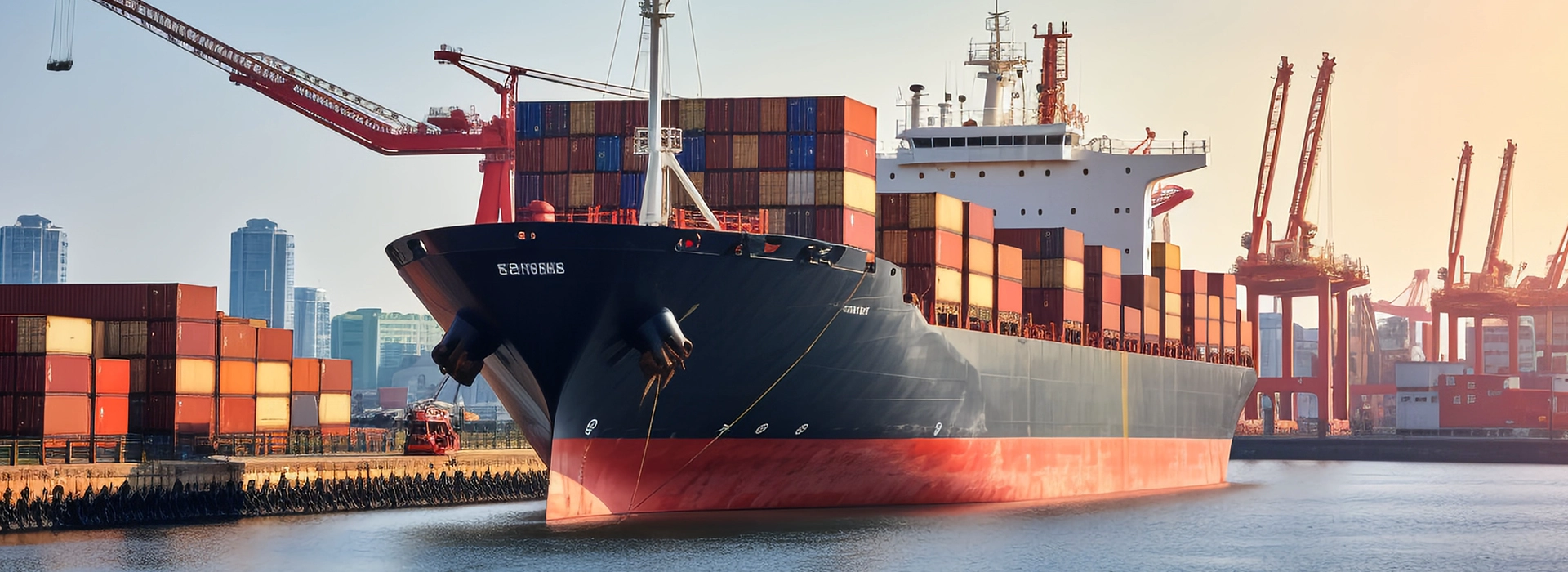
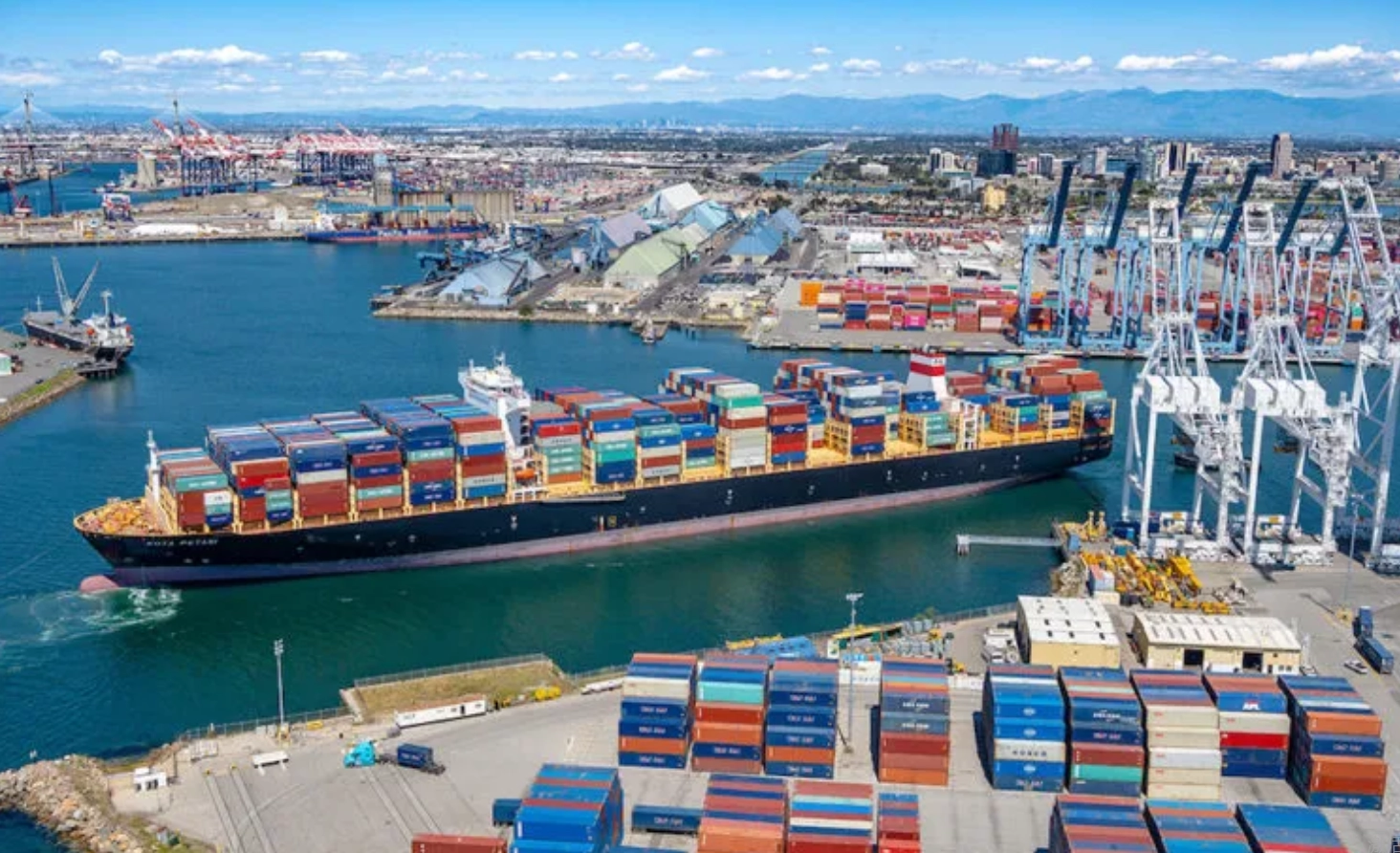
The most striking change in this data comes from Mediterranean Shipping Company (MSC). The company's total operating capacity increased by 44,421TEU compared with the previous month, with a net increase of 5 operating ships, bringing the total number to 1,000. It became the first liner company in the history of the global container shipping industry to operate more than 1,000 ships. This milestone not only marks MSC’s continued rapid expansion since it started as a small cargo ship in 1970, but also further consolidates its position as the top global shipping capacity.
At the same time, CMA CGM's total shipping capacity increased by 22,765TEU, but the number of operating ships remained unchanged, indicating that its growth mainly came from the increase in container capacity of the existing fleet or the replacement of new large ships. Yang Ming's shipping capacity increased by 18,540TEU, with a net increase of 2 operating ships; Evergreen's shipping capacity increased by 16,556TEU, with a net increase of 1 operating ship. The shipping capacity of companies such as Hapag-Lloyd, Dexiang Shipping and Maersk also increased to varying degrees, but the increase was relatively small.
COSCO Shipping leads the way, strategic differentiation of capacity reserves
In terms of new shipbuilding orders, COSCO Shipping Group (COSCO) performed the most aggressively, with its ordered shipping capacity increasing by 286,000 TEU in a single month, and the corresponding number of new shipbuilding orders increased by 28 ships, highlighting its long-term capacity expansion intentions. Maersk followed closely behind, with a new order capacity of 12,501TEU, corresponding to an order for one new ship. Korea Shipping Lines (KMTC) added 9,500TEU, involving 5 new ships. Wan Hai Lines also saw an increase in its built-to-order capacity, indicating that regional route operators are also preparing for future market share.
Capacity expansion and market concentration evolution
Judging from the overall trend, the global container ship fleet capacity is still rising steadily, and the competition for capacity among leading liner companies has not slowed down due to fluctuations in market freight rates. MSC took the lead in breaking through the record of 1,000 operating ships, highlighting its strategic execution ability to be independent from shipping alliances and independently control shipping capacity. It is worth noting that MSC’s expansion is not only reflected in the number of ships, but also in the transformation of its fleet structure to large-scale and green (LNG dual fuel, etc.), which will further enhance its cost advantage on the east-west trunk route.
At the same time, COSCO Shipping has significantly increased its investment in new shipbuilding orders, reflecting that national liner companies represented by China are reserving capacity for the next stage of adjustments to the global trade pattern. As the Red Sea crisis continues and detours around the Cape of Good Hope become the norm, effective transport capacity consumption increases. By locking in new ship production capacity in advance, leading companies can occupy a more favorable competitive position when supply and demand for transport capacity are imbalanced in the future.
Dexiang Shipping entered the top 20 and Honghai Container Shipping fell out, which reveals the differences in the development paths of different companies in the regional market. In recent years, Dexiang has been deeply involved in Southeast Asia, the Indian subcontinent and the Middle East routes, and has actively ordered new ships, with significant growth in shipping capacity; while Honghai Container Transport has been relatively conservative in its capacity update and expansion pace, which is reflected in the ebb and flow of rankings.
Generally speaking, the container shipping industry is currently in a stage where the worries of “overcapacity” coexist with the acceleration of “head concentration”. Although the total number of new ship orders accounts for about 36% of the existing fleet size, leading liner companies have digested some of the new shipping capacity by dismantling old ships, slowing down sailing, and adjusting routes. In the next few years, with the intensive delivery of a large number of new ships, the industry will face a real supply stress test, and those companies that have made early arrangements in terms of capacity quality and network layout are expected to take the initiative in the next round of cyclical fluctuations.