










82% Rejection Rate! US Customs Crackdown Intensifies as Tens of Thousands of Containers Face "Lockdown"
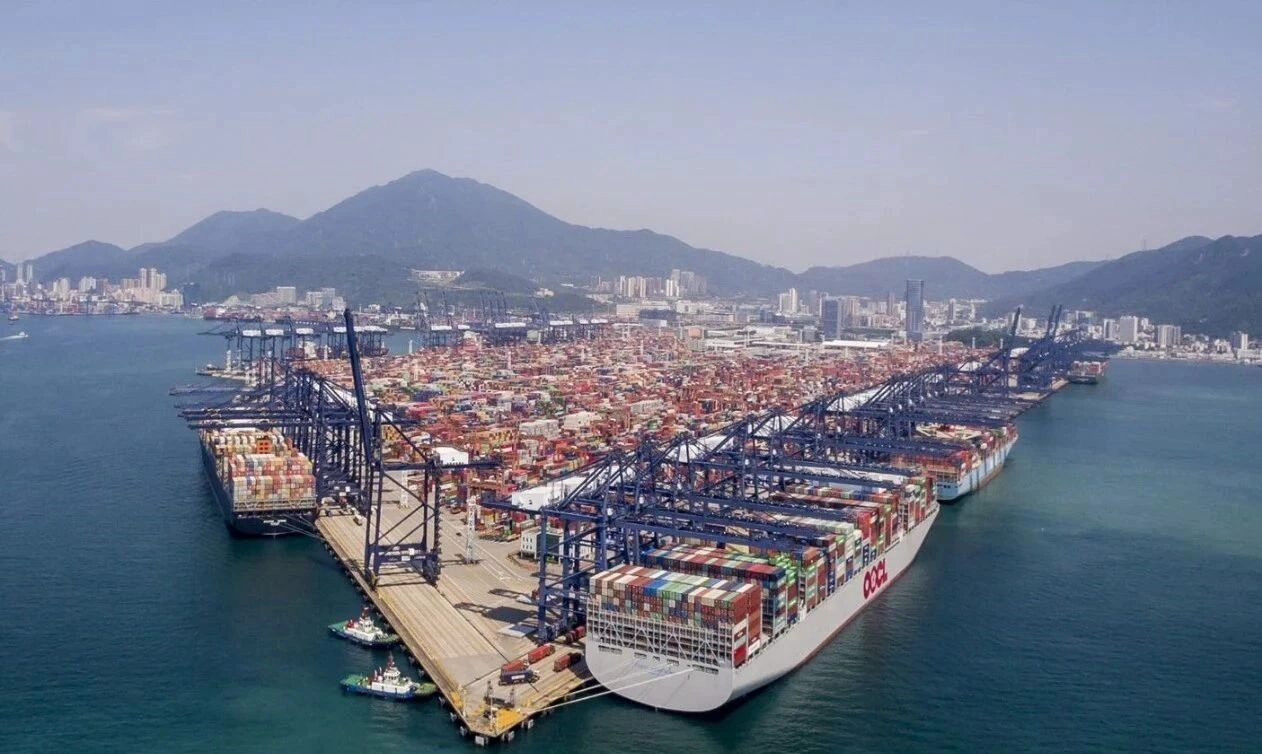
Recently, the regulatory sword of the US Customs has been unsheathed again. At the beginning of the year, it was only focusing on 5H inspections in Los Angeles and Long Beach. Now it has spread like a spark to many ports across the United States, including Oakland, Savannah, and Seattle. Other small and medium-sized ports have become the hardest hit areas. According to cross-border logistics industry statistics, a total of 3,826 Chinese export containers in the United States triggered 5H inspections. The return rate is as high as 82% , and it becomes more stringent as it goes forward.
However, the 5H inspection crisis has not yet subsided, and the 9H inspection has quietly been implemented. The US Customs has officially upgraded from "inspection of goods" to "inspection of subjects"! A large number of bonds have been blocked, IORs have been restricted, and goods will be detained without unpacking them. If freight forwarders and cargo owners do not make timely and compliant rectifications, they may face the risk of huge demurrage fees, cargo detention, or even customs clearance failure!
Recently, a notice about changes in U.S. customs clearance policies spread rapidly in the industry. News shows that U.S. Customs and related guarantee agencies are simultaneously strengthening their review of importer qualifications, Bond usage, and trade compliance. Starting from May, a new round of regulatory measures will be gradually implemented.
According to feedback from the industry, shortly after the notice was released, there were alreadyAbnormalities occur in a large number of Bonds: Including premature expiration, suspension of use, and even the associated importer status (IOR) being restricted. This change directly affects the stability of the customs clearance process, and many companies are forced to temporarily adjust their operating plans.
Judging from the reasons, this round of regulatory upgrades is similar to the logic that triggered the previous 5H inspections, and the core still points to the compliance risk issues existing in the industry. For example, operations such as low declared value, false declarations, borrowing or leasing the importer's identity (IOR), applying for Bond through shell companies, and unclear responsibilities under the DDP model have all become key targets for rectification.
However, unlike 5H, which mainly focuses on the goods themselves, the 9H inspection that has attracted attention this time focuses more on the review of "people".
9H is one of the U.S. Customs inspection codes, which means "Invalid Consignee Hold". Simply put, when the system recognizes that there is a problem with the consignee information in the bill of lading, this type of inspection may be triggered.
Different from traditional inspection, 9H does not rely on unboxing inspection, but completes judgment through system review of data. The review focuses on the following aspects:
-
Whether the consignee (Consignee) or importer (IOR) really exists
-
Whether the company’s registered address and business status are valid
-
Whether it has legal import qualifications
-
Whether the use of Bond is standardized and whether it matches the declared category
-
Are AMS, ISF and bill of lading, invoice, packing list and other information consistent?
Once there are abnormalities or logical conflicts in the above information, the system may directly trigger 9H detention.
Compared with the inspection delays and return risks caused by 5H inspection, the impact of 9H is more direct and hidden.
First of all, once 9H is triggered, the goods will be directly locked by the system and cannot enter the regular inspection process, nor will they be unpacked for inspection. This means that the problem is not with the goods, but with the declaration entity itself.
Secondly, the information transmission path is limited. Normally, the 9H notice will only be sent to the customs broker or freight forwarder through the ACE system, and the cargo owner may not be informed of it at the first time. This information asymmetry often leads to delayed problem processing.
In actual operation, if the goods are not processed in time, the goods will continue to be detained, and the resulting demurrage fees and container detention fees will continue to accumulate, eventually creating high cost pressure.
In addition, there are knock-on effects at the industry level. Some customs clearance banks have suspended operations due to rising risks, and guarantee companies have tightened audit standards out of compliance responsibilities, resulting in a periodic contraction of customs clearance and guarantee resources available in the market.
In this incident, Bond became the key variable.
As an important guarantee tool for import customs clearance, the compliant use of Bond has always been a focus of US supervision. As risk events increase, guarantee companies have begun to proactively strengthen audits and even re-evaluate existing Bonds.
Some companies reported that Bonds that were originally in normal use were terminated early or were required to resubmit review materials. This means that in the future, Bond will no longer be “available immediately”, but will need to continue to comply with compliance standards.
From the 5H inspection at the beginning of the year, to March when some guarantee companies stopped providing single Bonds, and now to the tightening of 9H inspections and Bonds, a clear trend can be seen -U.S. import regulations are being systematically upgraded.
This change sends a clear signal: the past model that relied on "gray operations" or "flexible processing" is no longer effective, and will be replaced by a comprehensive review of data consistency, subject authenticity, and full-link compliance.
For freight forwarders and cargo owners, the key to the future is no longer just price and channels, but:
-
Whether there are real and stable import entities
-
Do you have a compliant and traceable reporting system?
-
Whether it can ensure that documents, data, and paths are consistent across the entire link
Coping suggestions: Plan ahead and avoid being passive.
In the current environment, the industry generally recommends making the following preparations as soon as possible:
-
Verify existing IOR qualifications to ensure authenticity and validity
-
Review Bond usage to avoid non-compliant operations
-
Ensure that AMS, ISF and a full set of document information are consistent
-
Maintain close communication with customs clearance agencies and guarantee companies
-
Establish compliance processes to reduce improvisation
Overall, U.S. customs clearance supervision has entered a "deep water zone." From checking goods to checking people, from single point of risk to system review, the industry threshold is rising rapidly.
For enterprises, this is both pressure and a watershed - what will stay on the poker table for a long time in the future is no longer "who dares to do more", but "who is more compliant".
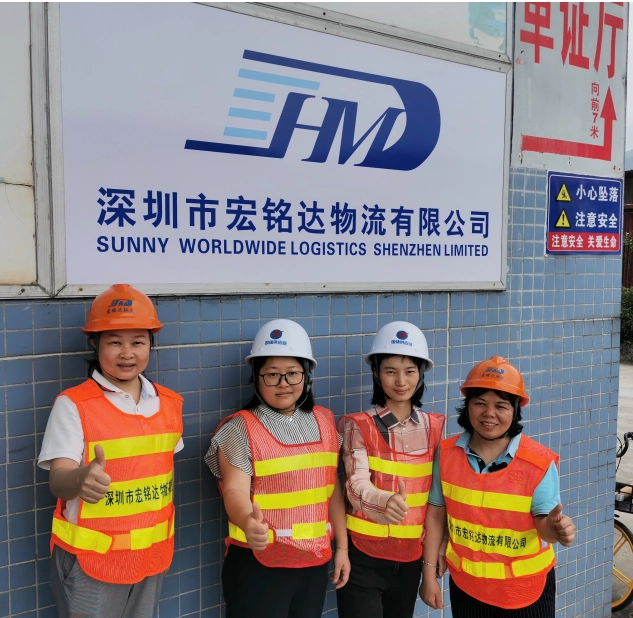
sunny worldwide logistics Co., Ltd. - Three Core Competencies:
Exclusive foreign trade warehouse at Yantian Port—one of only three among 60,000+ logistics peers in Shenzhen.
Own container fleet, available on-call—among the best in Shenzhen's industry.
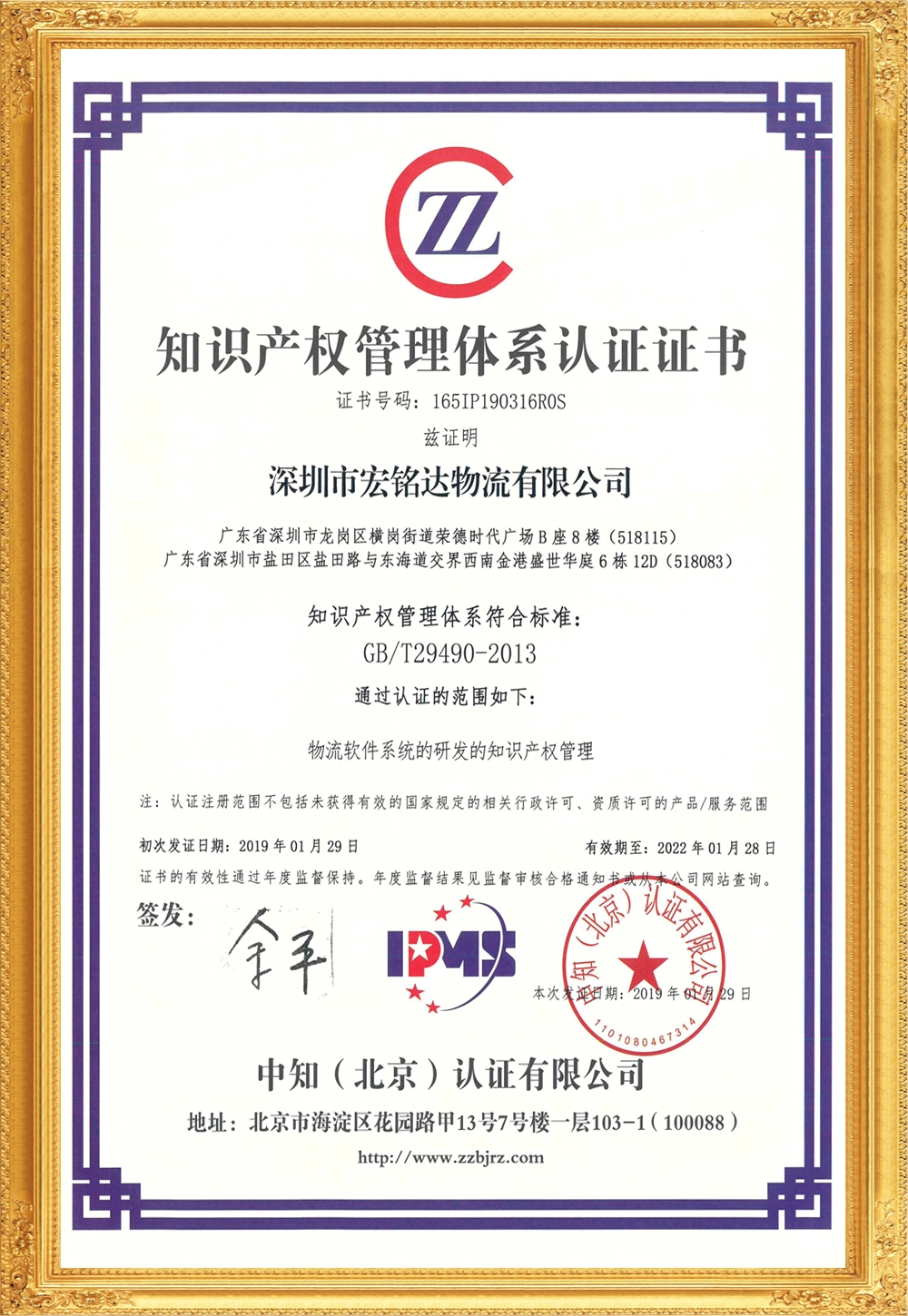
1,800 sqm of premium Grade-A office space in Longgang—a testament to exceptional strength.
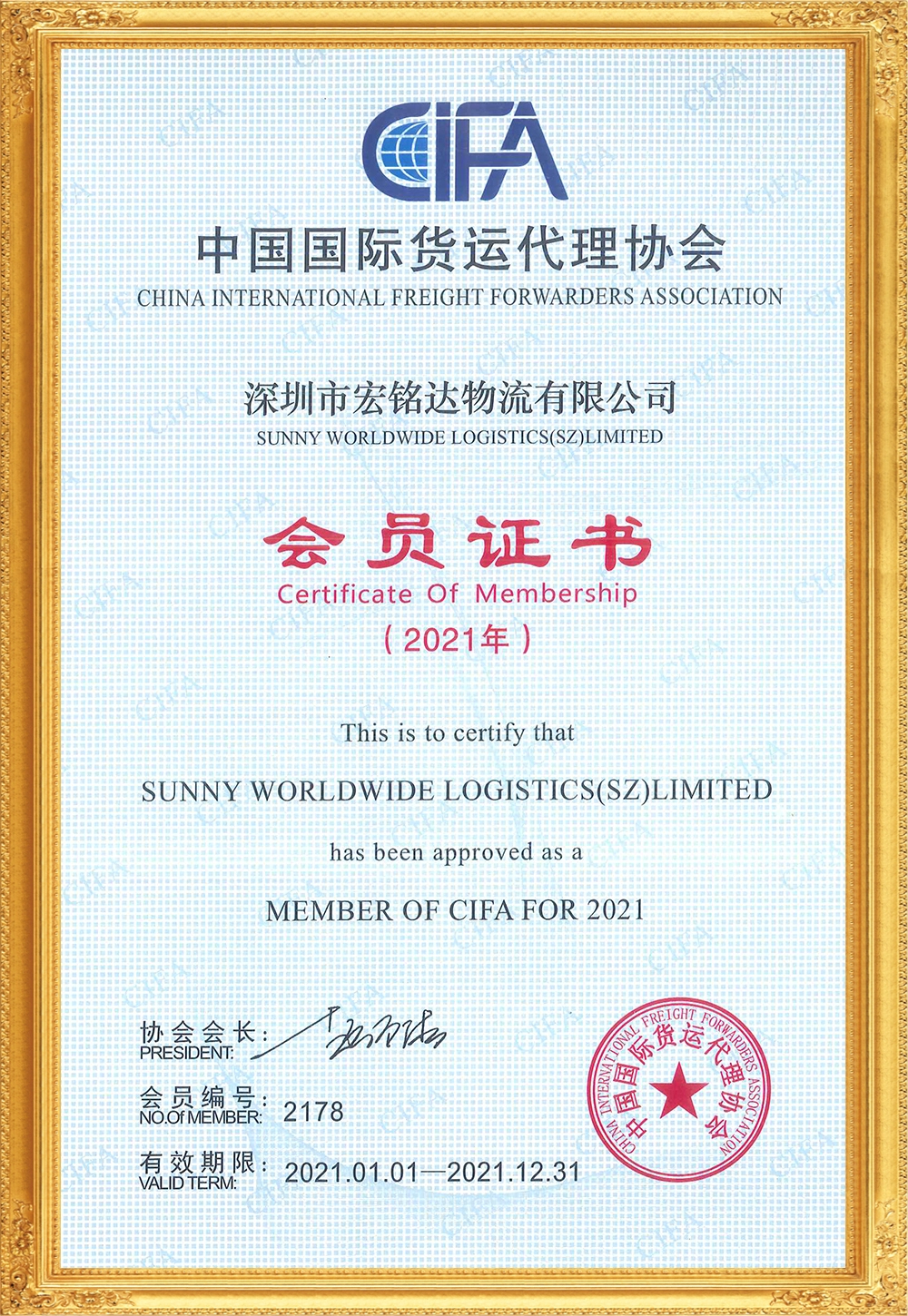
sunny worldwide logistics—Top 3 in Shenzhen Logistics.
When it comes to logistics, choose sunny worldwide logistics—your gateway to the world.
About sunny worldwide logistics
Established in 1998, Swwlogistics is an international freight forwarding enterprise headquartered in Shenzhen, with 1,800 sqm of self-owned Grade-A office space. Our mission: "Ssunny worldwide logistics Freight—No Surprises Unless Acts of God." With 27 years in freight forwarding, there's no pitfall we haven't seen.
Services:
Sea freight
Land transport
Air freight
Rail freight
Customs clearance
Warehousing
Inspection declaration
Container trucking
Fumigation
Insurance
One-stop integrated logistics solutions.
sunny worldwide logistics—More committed than the cargo owner themselves.
Contact Us:
QQ: 2885374591
Tel: 0755-25643421
WhatsApp/WeChat: 19076129125 (Lily)
Websites:
Official: swwlogistics.com
Rate Inquiry: swwlsrates.com
Mexico Site: swwshippingforwarder.com
Address: 8/F, Block B, Rongde International, Henggang, Longgang District, Shenzhen, Guangdong, China
Email: sales36@swwlogistics.com.cn