















Customs Enforcement Surges: 9H Holds Trigger Mass Bond Revocations as US Shifts Focus from Goods to People
After the 5H inspection continues to be high-pressure,The U.S. Customs and Border Protection has launched a new regulatory measure-9H inspection.At the same time, many guarantee companies have simultaneously tightened bond review standards, and some existing bonds have been terminated early or restricted in use. This series of actions shows thatU.S. import supervision is deepening from "goods inspection" to "subject inspection", and the compliance threshold faced by importers and freight forwarders has further increased.
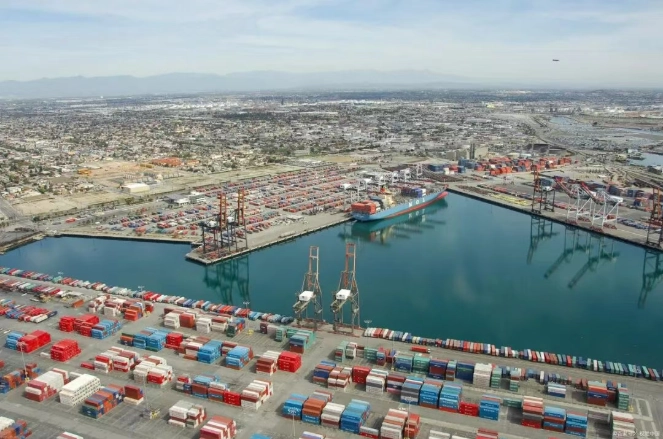
Recently, a notice regarding adjustments to the U.S. customs clearance policy spread rapidly within the industry. The message shows,Starting from May, U.S. customs and guarantee agencies will simultaneously strengthen their review of importer qualifications, compliance with Bond use, and trade authenticity.Soon after the new policy was implemented, a large number of Bonds experienced abnormal conditions, including premature expiration, suspension of use, and even restrictions on the associated importer status (IOR). This change directly impacted the stability of the customs clearance process, and many companies were forced to urgently adjust their operating plans.
The logic of this regulatory upgrade is consistent with the 5H inspection.The focus is on long-standing compliance loopholes in the industry, such as low declared values, false declarations, borrowing or leasing IORs, applying for Bonds through shell companies, and unclear responsibilities under the DDP model.However, unlike 5H, which mainly focuses on the goods themselves, the core of 9H inspection turns to "people" - that is, the authenticity of the consignee and the importer.
9H is one of the U.S. Customs inspection codes, which stands for "Invalid Consignee Detention".This inspection may be triggered when the customs system recognizes that there are doubts in the consignee information in the bill of lading. Different from traditional unpacking inspection, 9H inspection mainly relies on system review data and does not involve physical inspection. The focus of the review includes whether the consignee or importer actually exists, whether the company's registered address and business status are valid, whether it has legal import qualifications, whether the use of Bond is standardized and matches the declared category, and whether AMS, ISF and the bill of lading, invoice, packing list and other information are logically consistent. Once the system determines that the above information is abnormal or contradictory, it will directly trigger 9H detention.
Compared with the delays and returns caused by 5H inspection, the impact of 9H is more direct and hidden.After 9H is triggered, the goods will be locked by the system and cannot enter the regular inspection process, nor will they be unpacked for inspection - the problem is not with the goods, but with the declaration entity.In addition, 9H notifications are usually only sent to customs brokers or freight forwarders through the ACE system, and cargo owners are often not informed at the first time, resulting in delayed problem handling. If you fail to respond in time, the goods will continue to be detained, and costs such as port demurrage and container demurrage will continue to accumulate, eventually resulting in high losses. At the same time, a chain reaction has occurred within the industry. Some customs clearance houses have suspended operations due to rising risks, guarantee companies have tightened audit standards out of compliance responsibilities, and the customs clearance and guarantee resources available in the market have shrunk in stages.
As a key guarantee tool for import customs clearance, Bond's compliance use has always been the focus of US customs supervision. As risk events increase, guarantee companies have begun to proactively strengthen audits and even re-evaluate existing Bonds. Some companies reported that Bonds that were originally in normal use were terminated early or were required to resubmit review materials. This means that in the future, Bond will no longer be “effective immediately” but will need to continue to meet compliance standards, otherwise it will face the risk of being cancelled.
From the 5H inspection at the beginning of the year, to the cessation of single bond provision by some guarantee companies in March, to the current 9H inspection and tightening of bonds, US import supervision is showing a systematic upgrading trend. This series of changes sends a clear signal: the past model that relied on gray operations or flexible processing is no longer effective, and will be replaced by a comprehensive review of data consistency, subject authenticity, and full-link compliance. For freight forwarders and cargo owners, the focus of future competition is no longer just on price and channels, but on whether there are real and stable import entities, whether a compliant and traceable declaration system is established, and whether documents, data, and logistics paths can be ensured to be consistent throughout the entire chain.
Faced with the continued tightening of the regulatory environment, industry insiders recommend that relevant companies check existing IOR qualifications as soon as possible to ensure authenticity and effectiveness; review the use of Bond to avoid non-compliant operations; ensure that AMS, ISF and a full set of document information are consistent; maintain close communication with customs clearance banks and guarantee companies; and establish standardized compliance processes to reduce temporary patchwork operations. Overall, U.S. customs clearance supervision has entered a "deep water zone." From checking goods to checking people, from single points of risk to system reviews, industry entry barriers are rapidly increasing. For enterprises, this is both pressure and a watershed - the long-term stable operation in the future will no longer be "who dares to do more", but "who is more compliant".
In the face of the U.S. Customs' supervisory upgrade from "cargo inspection" to "subject inspection", whether it is the strict examination of the authenticity of the consignee during the 9H inspection or the overall tightening of the Bond audit, a clear signal is sent:Compliance is the real threshold for future cross-border logistics.
Whether each shipment of goods can successfully reach the other side of the Pacific no longer only depends on what is in the cabinet, but also depends on who is declaring it and how it is declared. And this is precisely the value of professional declaration - from the standard declaration at the port of departure to the consistent data of the entire link document, every link can withstand scrutiny, so as to avoid the storm of foreign supervision to the greatest extent.
We are a first-hand customs broker. Document declaration in Shenzhen only costs 100 yuan per ticket, and can be operated at major ports across the country.A professional customer service operation team of more than 50 people provides one-on-one follow-up throughout the entire process from classification pre-examination to document production to ensure declaration specifications and data compliance. No matter which country your goods are destined for, the first step to compliance is to contact us.