

- Browse Categories
- Air Freight
- Sea Freight
- Contact Us
-
TEL:+86-755-25643417
Fax: +86 755 25431456
Address:Room 806, Block B, Rongde Times Square, Henggang Street, Longgang District, Shenzhen, China
Postcode: 518115
E-mail: sales1@swwlogistics.com.cn Contact Now
- Logistics Services
- News CenterMore>>
-
- The Philippines PPA releases the latest port data: cargo volume has grown steadily, and the Port of Manila has implemented a number of coordinated governance measures
- The Philippine Ports Authority released fourth-quarter freight relief measures: Manila Port yard utilization dropped to 68%
- Manila Port Collaborative Governance: AISL and ICTSI join forces to rectify overdue heavy containers to relieve yard pressure
- The Philippine Ports Authority released data for the first half of 2026: foreign trade exports increased by 17.4%
- The cargo throughput of Philippine ports continues to rise, and foreign trade freight and terminal intelligence are working together
- Latest data from the Philippine Ports Authority: Port cargo volume exceeded 154 million tons in the first half of 2026, and container and foreign trade exports grew steadily
- PPA releases latest data for 2026: Philippine container throughput is rising steadily, and maritime trade continues to expand
- The Philippine Ports Authority released the latest data: cargo throughput exceeded 154 million tons in the first half of the year
- PPA releases latest data: Philippine port cargo volume reached 154 million tons in the first half of 2026
- Strong foreign trade freight: Philippine port cargo volume increased by 4.39% year-on-year in the second quarter
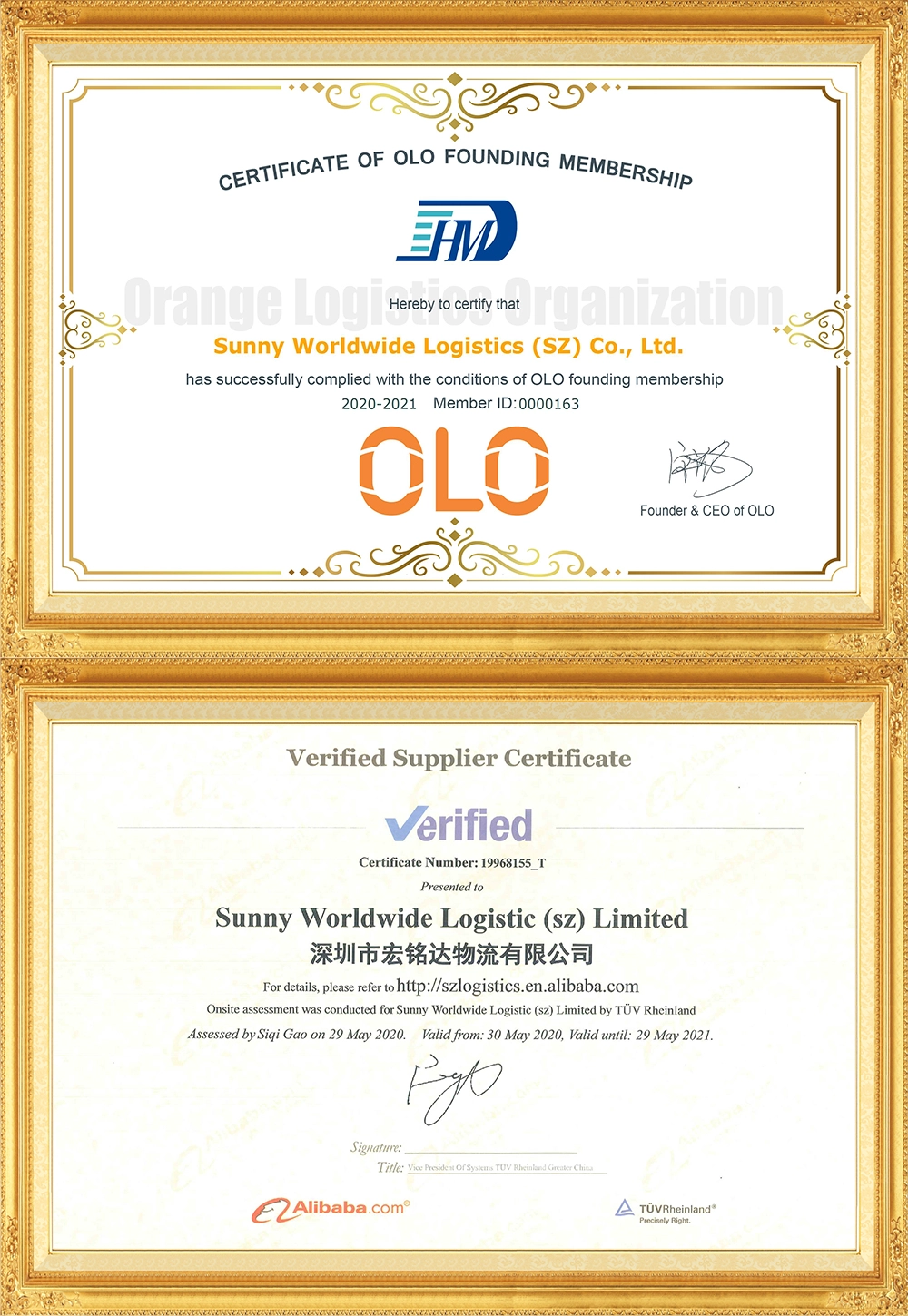
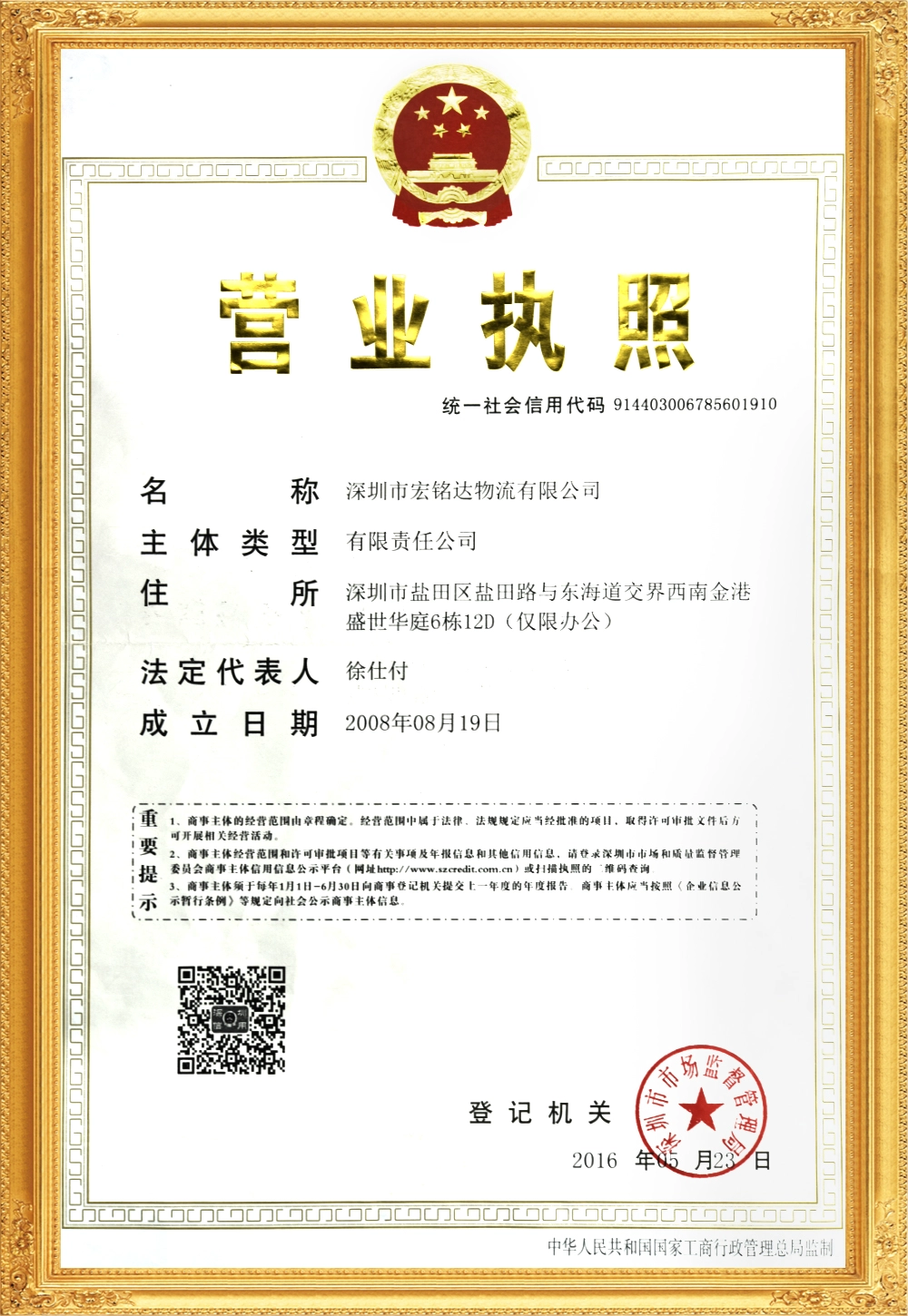
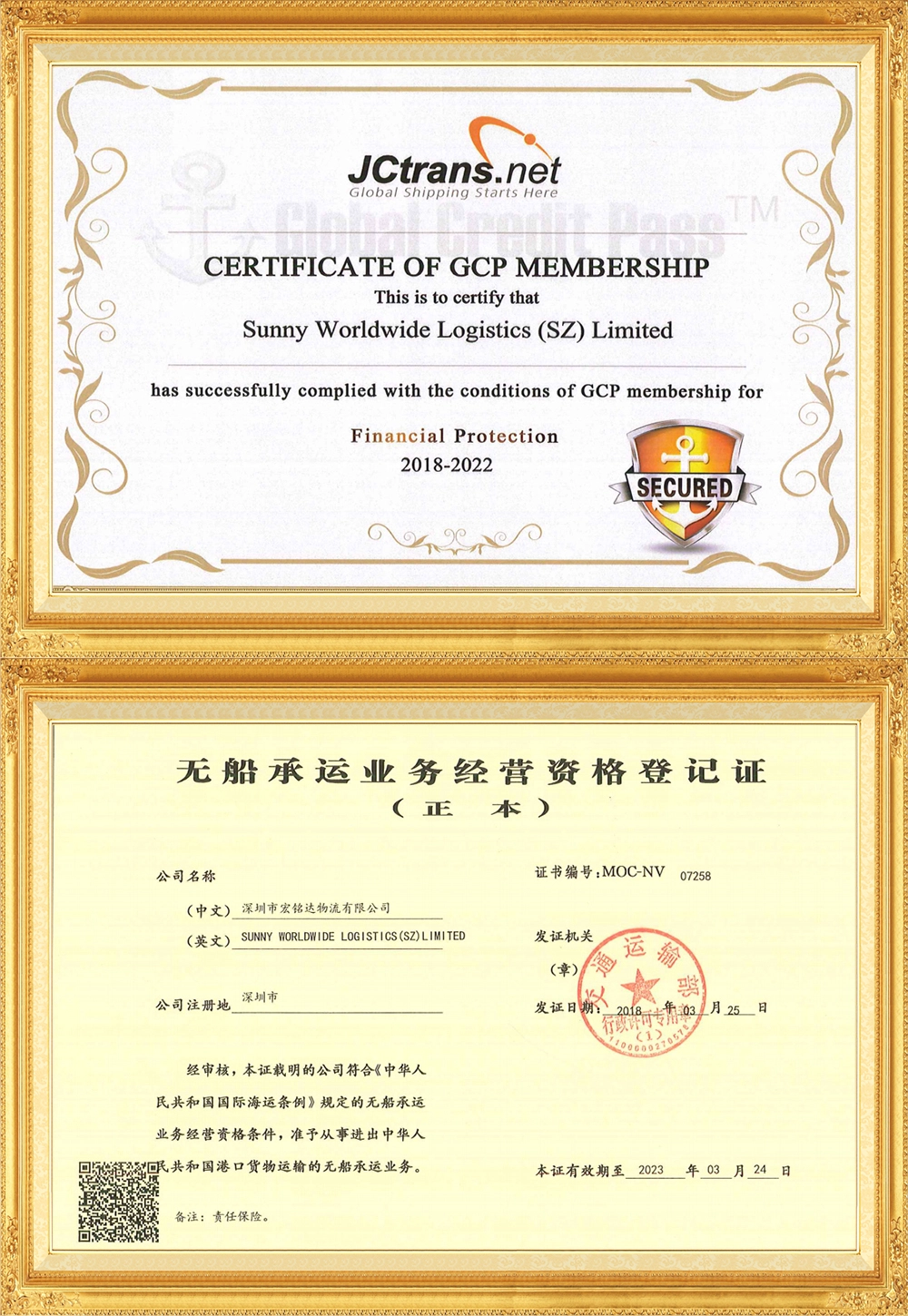
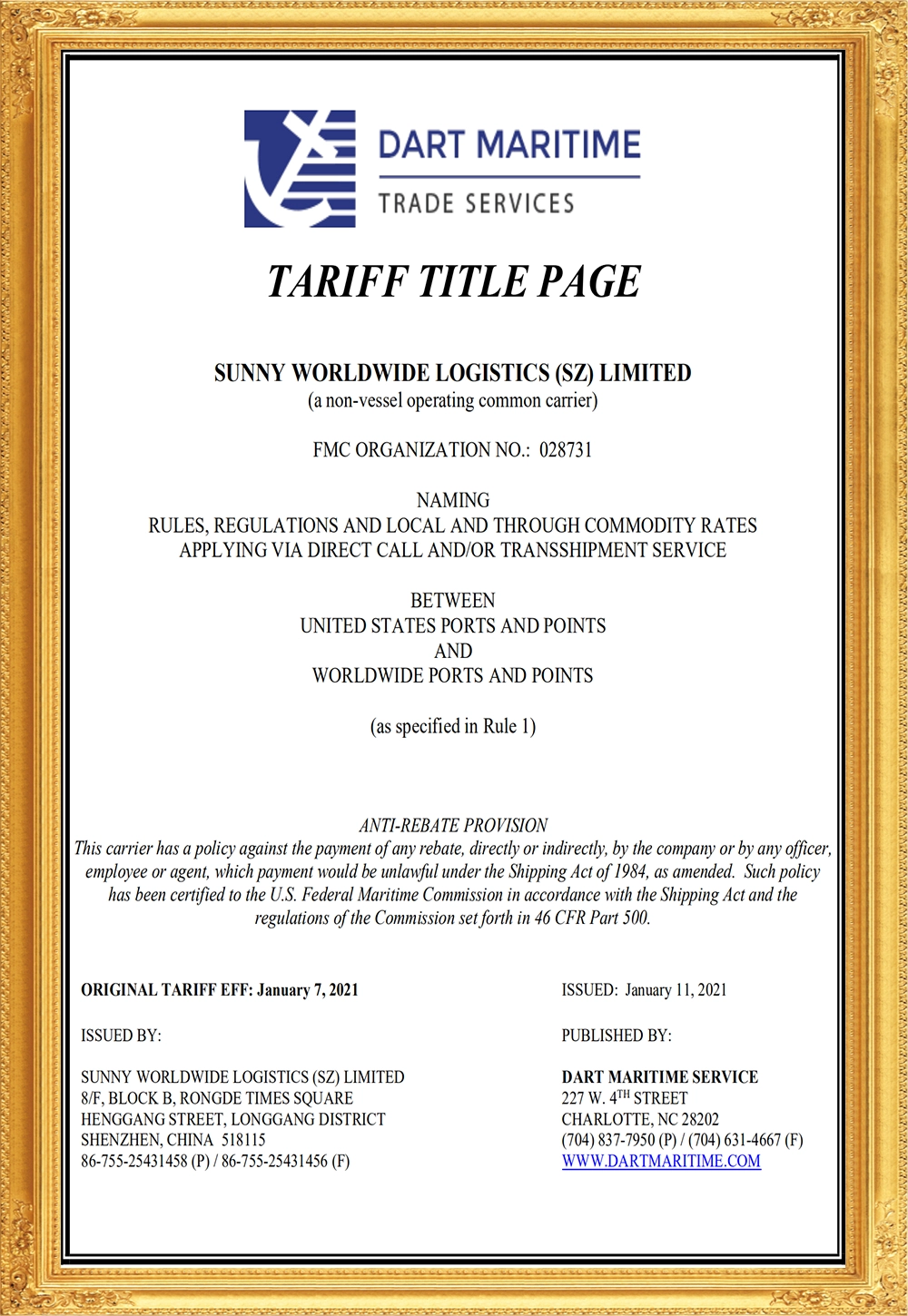
- Certifications
-
- Follow us
- Subscribe
-
Get email updates on new products
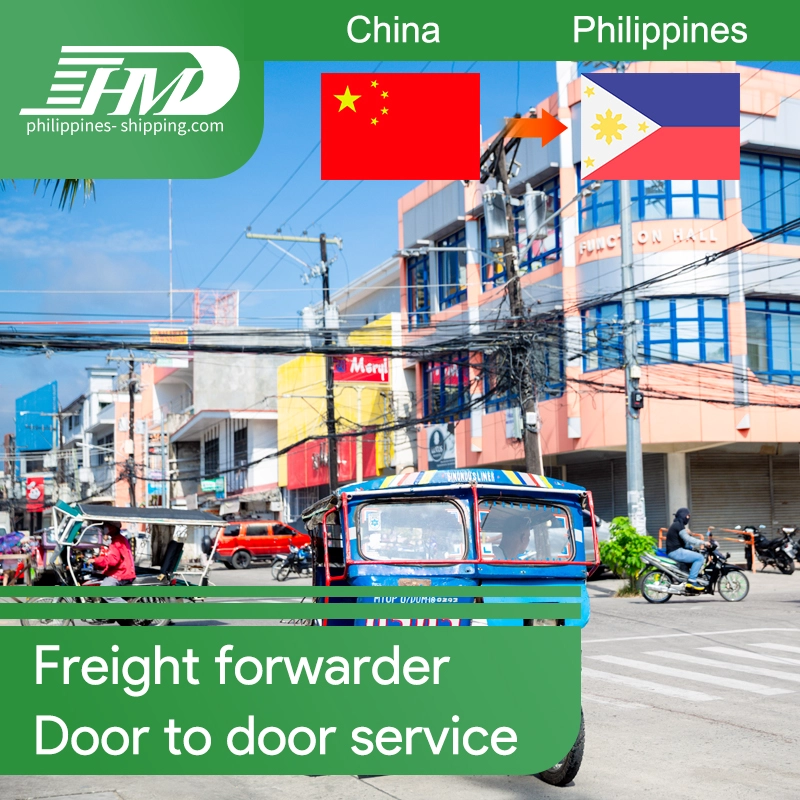
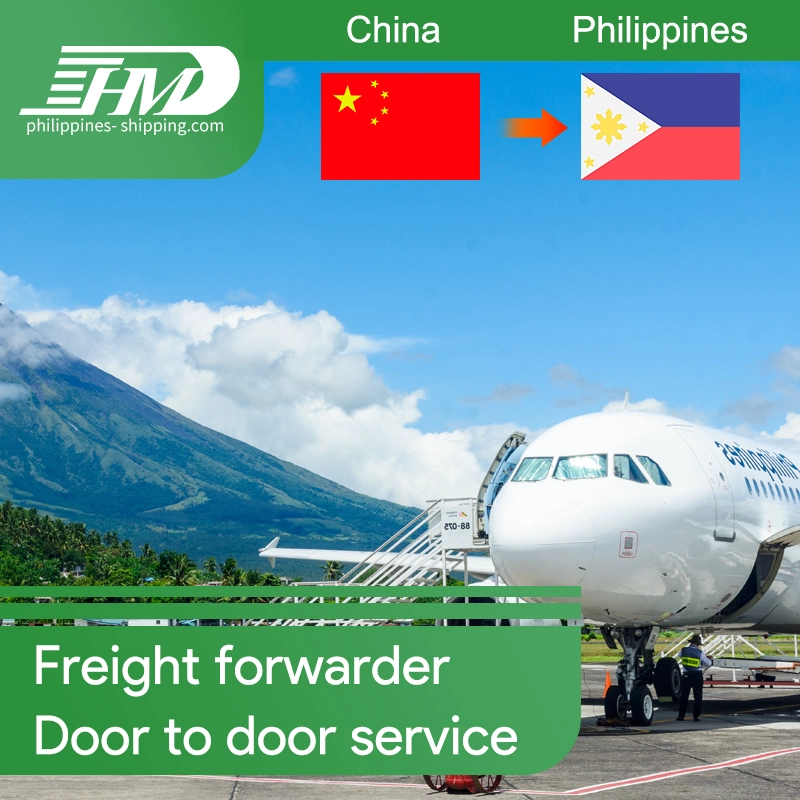
Shipping Marks and Carton Labels Philippines | China DDP Guide
- Place of Origin | China
- Departure Country/Region | CHINA (Guangzhou / Shenzhen / Shanghai)
- Destination Country/Region | PH (Philippines - Manila, Cebu, Davao)
- Transit Time (Days) | Sea: 15 Days (Manila) / 25 Days (Cebu & Davao); Air: 3-5 Days
- Shipping Method | DDP Door to Door (Sea FCL & LCL, Air Freight)
- Cargo Type | General cargo - retail stock, distributor orders, e-commerce inventory
A container is rarely held because the duty was miscalculated. It is held because nobody can tell which carton belongs to which line on the packing list. A box with no marks is a box that has to be opened, and opening boxes takes days.
Marking looks like paperwork. It is really an instruction to everyone who will touch the cargo after it leaves the factory — the truck driver, the warehouse tally clerk, the broker's inspector and the receiving team at your own site.
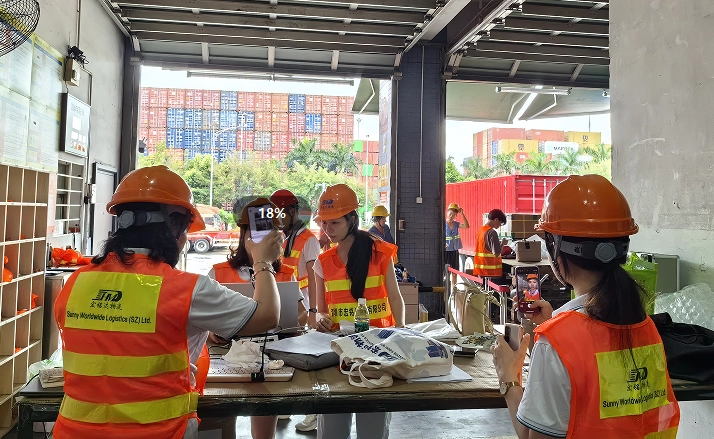
Sunny Worldwide Logistics has moved cargo on the China–Philippines lane for more than 20 years. We check marks before the container is sealed, because after that point every correction costs a re-handle.
Why an Unmarked Carton Stops at the Warehouse
Consolidation is where markings earn their keep. When several suppliers' cargo shares one container, the only thing separating your pallet from the shipment next to it is what is printed on the box. A carton without a shipping mark gets set aside, and set-aside cargo does not sail on the booked vessel.
The same applies at destination. Clearance is a documentary exercise that depends on the goods being identifiable against the invoice and packing list. If a carton cannot be matched to a line item, the file waits.
What Goes on the Carton
Shipping marks
The consignee reference, the carton number against the total, the port of discharge, and the order or PO number. Enough that a stranger holding the box knows whose it is and where it stops.
Product labels
Retail packaging is a different exercise from shipping marks, and it belongs to your buyer's specification. Where a Philippine distributor or marketplace requires a label — product name, importer details, warnings, language — that requirement usually attaches to the retail unit, and it is cheaper to apply it at the factory than to relabel a warehouse in Manila.
Country of origin marking
Where the product or its retail packaging is required to carry origin marking, it should be on the goods before shipment. Adding it after arrival means unpacking, which is the one cost that never appears in a freight quotation.
Wood packaging
Solid wood crates, pallets and dunnage entering the Philippines must be treated and marked under ISPM 15, which the Bureau of Plant Industry enforces. Processed wood such as plywood is treated differently from solid wood, and an unstamped solid wood pallet can hold the consignment on arrival. Our guide to fragile item packaging for sea freight covers crate specification.
Where Requirements Differ by Buyer
Retail and e-commerce stock
The buyer's label spec governs, and it usually covers the retail unit, not the carton. Ask for it before production, not before sailing — relabelling is the most common avoidable cost on this lane.
Distributor and industrial orders
Shipping marks matter more than retail labels. Part numbers, quantity per carton and a readable PO reference keep a receiving team from rejecting the delivery at the gate.
Mixed or consolidated orders
One container, several suppliers, several POs. Each carton needs to say which one it belongs to, or the warehouse has to open and sort it — and sorting charges are billed by the hour.
How We Check Marks Before Loading
At collection
We collect from your suppliers with our own trucking fleet at the Shenzhen and Guangzhou ports, which means the first inspection happens before the cargo ever reaches a warehouse.
At consolidation
Cartons are checked against the packing list for marks, counts and dimensions. Anything unmarked is flagged to you before the container is stuffed rather than after it is sealed. The sequence is on our service flow page.
At loading
Marks face outward where possible, carton numbers run in sequence so a missing box is visible on inspection, and the load is photographed. If a box arrives damaged or missing at destination, that photograph is the difference between a documented claim and an argument.
At destination
We clear the shipment, pay the assessed duties and taxes and deliver, with clearance typically running 1 to 2 days ahead of the industry average. Delivery is free within 30km of the Metro or downtown area.
Why Shippers Choose Sunny Worldwide Logistics
We own the first mile. Our own trucking fleet operates at the Shenzhen and Guangzhou ports, so collection and the first mark check stay in our hands rather than being subcontracted across the city.
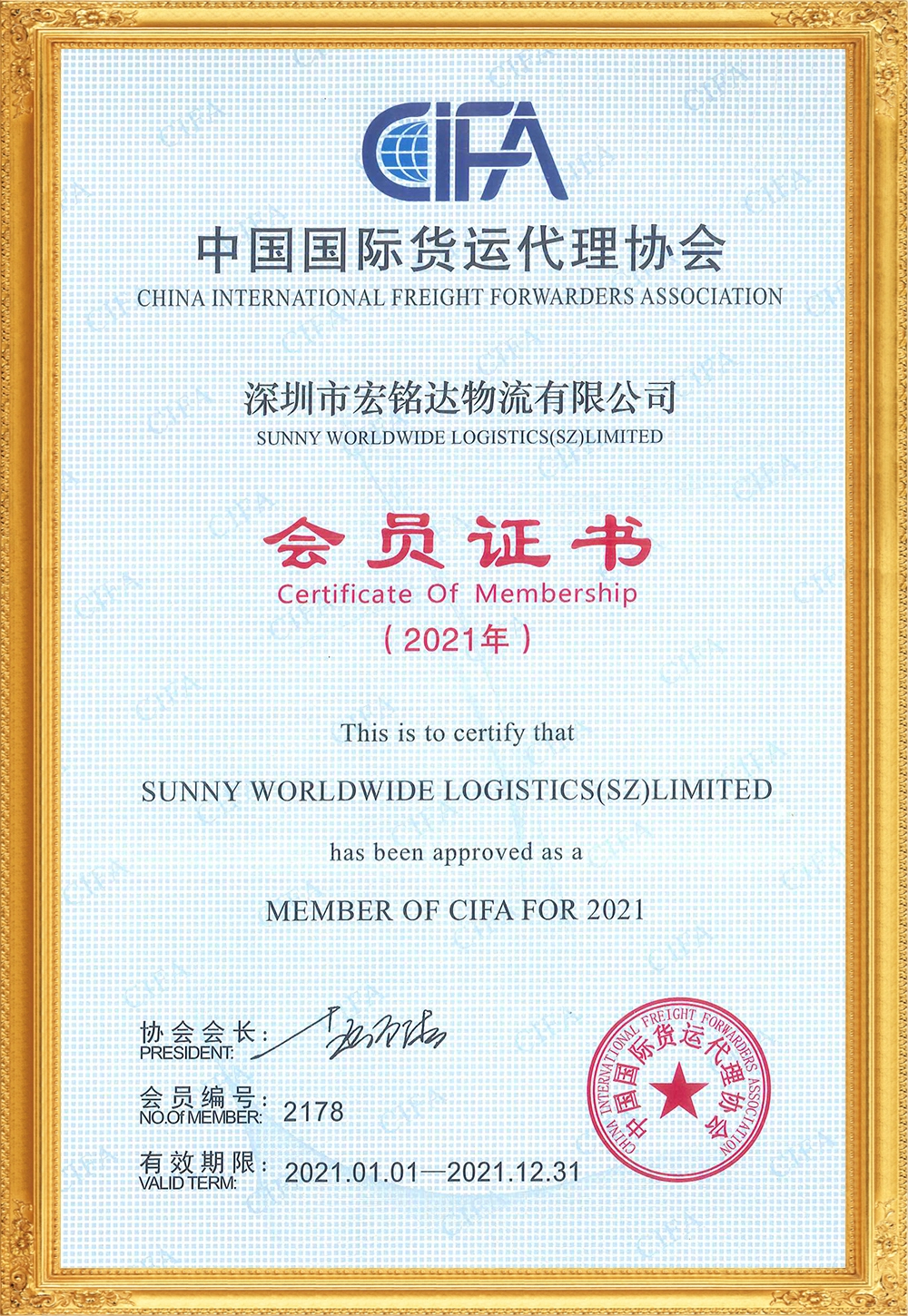
More than 20 years on this lane, through every change in Philippine import rules. NVOCC and FMC registered, and members of the Worldwide Cargo Alliance, CIFA, JCTRANS, WIFFA, FUDA, SZSSA and OLO.
Every inquiry gets at least three routing or consolidation options, designed to save clients at least 5% against their current arrangement. Optional cargo insurance is available, and our Manila DDP shipping service applies the same mark check on every load.
Frequently Asked Questions
Who decides what the shipping marks say?
You do, usually together with your buyer. We tell you what the marks have to achieve — identification, carton sequence, port of discharge — and we check that they are on the cartons before loading.
Do retail labels have to be in a specific language?
That depends on your buyer's specification and, for some product categories, on Philippine labelling requirements. Confirm the spec with your buyer before production; it is not a decision to leave until the container is at the port.
Are wooden pallets always a problem?
Only when they are solid wood and untreated. Treated and correctly stamped wood packaging is routine. Processed wood such as plywood follows a different rule, and we will tell you which category your packaging falls into.
Send us the packing list and your buyer's label spec, and we will tell you what needs to change before the cargo is collected. Contact Sunny Worldwide Logistics — the cheapest correction is the one made at the factory.
Tel:+86 13534256878
Wechat:+86 13534256878
Contact Person:Mavis

- Other Products