

- Browse Categories
- Air Freight
- Sea Freight
- Contact Us
-
TEL:+86-755-25643417
Fax: +86 755 25431456
Address:Room 806, Block B, Rongde Times Square, Henggang Street, Longgang District, Shenzhen, China
Postcode: 518115
E-mail: sales1@swwlogistics.com.cn Contact Now
- Logistics Services
- News CenterMore>>
-
- In the first half of 2026, Philippine port container throughput reached 4.3 million TEUs, a year-on-year increase of 2.8%
- Philippine Ports Authority and Port of Antwerp-Bruges sign five-year modernization cooperation agreement
- PAL Cargo joins hands with Teleport to expand e-commerce air cargo in the Philippines
- Philippines ships 1 ton of mangoes to Vancouver to expand Canadian market
- Philippine domestic trade shipping capacity expands, Aznar cargo business grows strongly
- Philippine Customs plans to sign port congestion control order in September
- Philippines tightens air cargo dangerous goods penalty rules
- Philippine international air cargo volume increased by 15.4% in the first half of the year
- Philippine Airlines cargo fuel surcharge rises to Level 14 in second half of September
- Philippine ports’ cargo volume continues to grow in first half of 2026
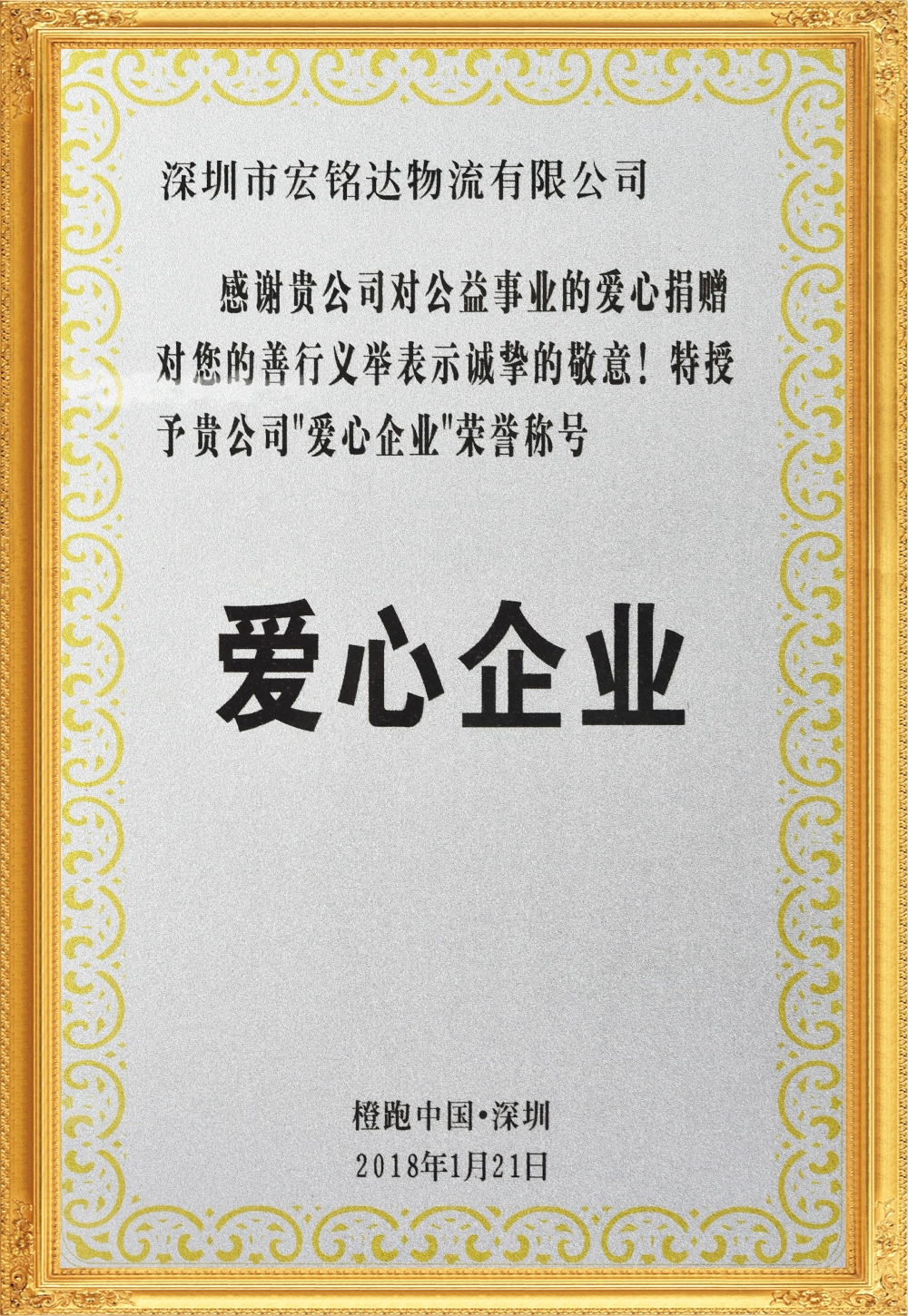
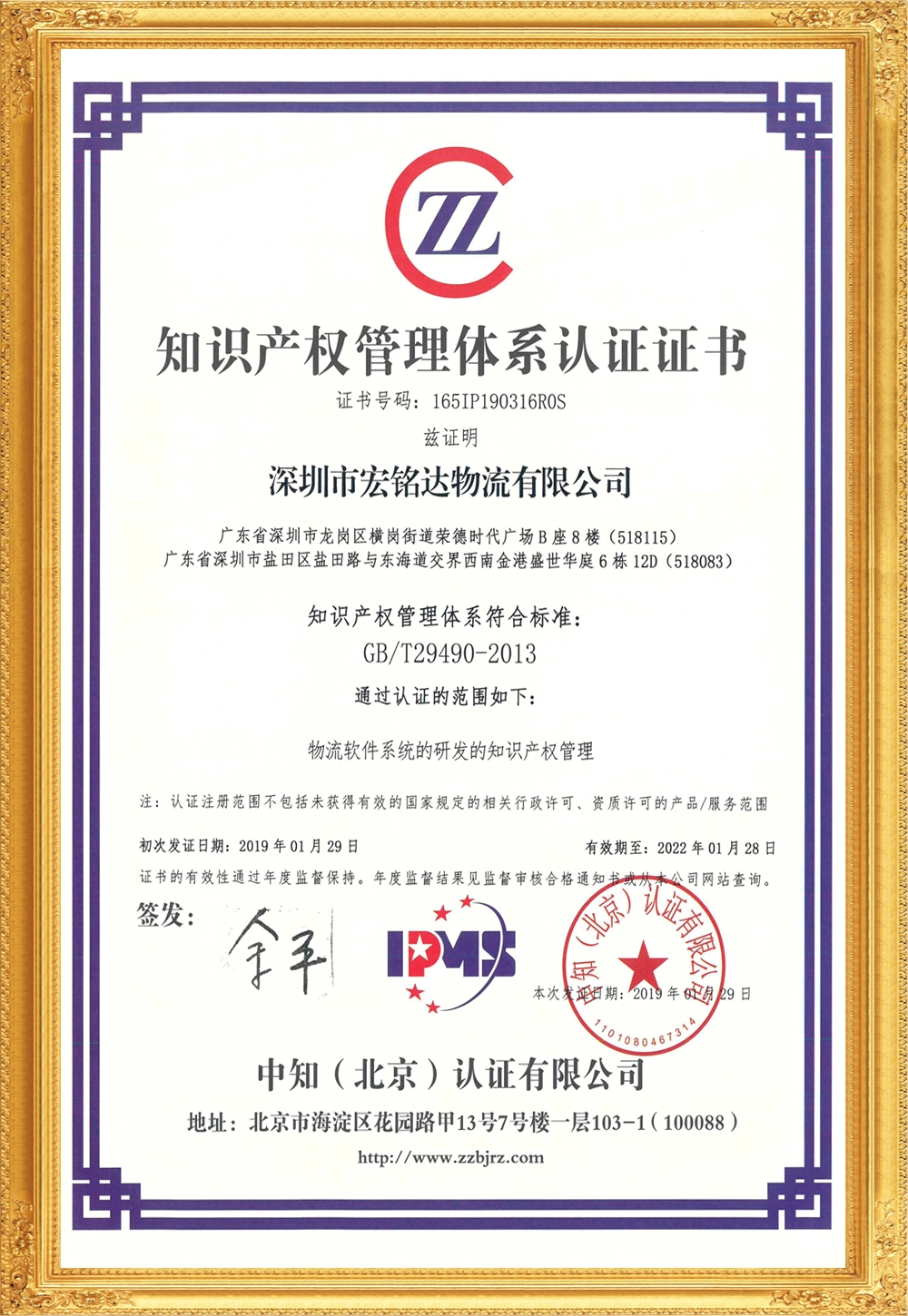
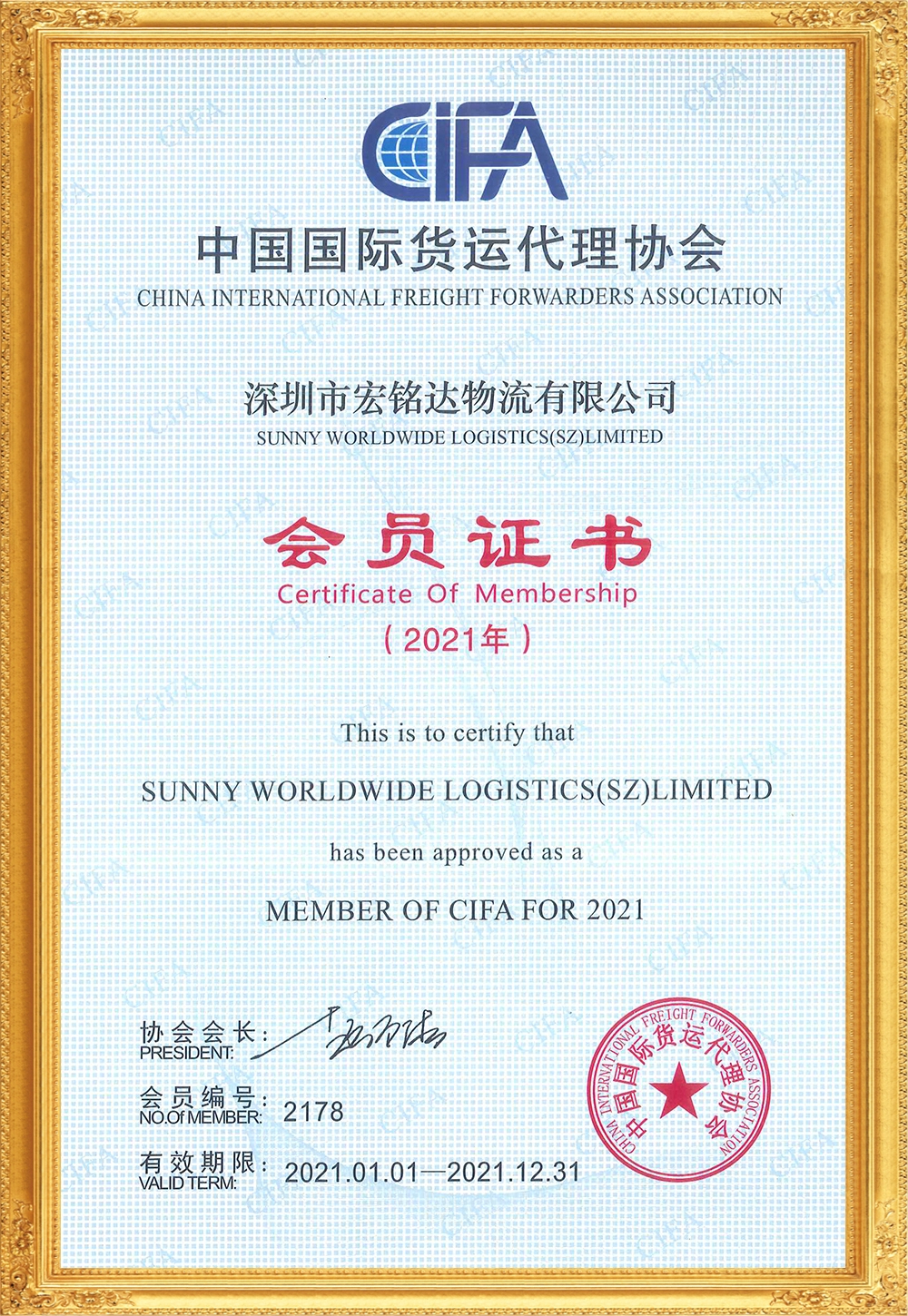
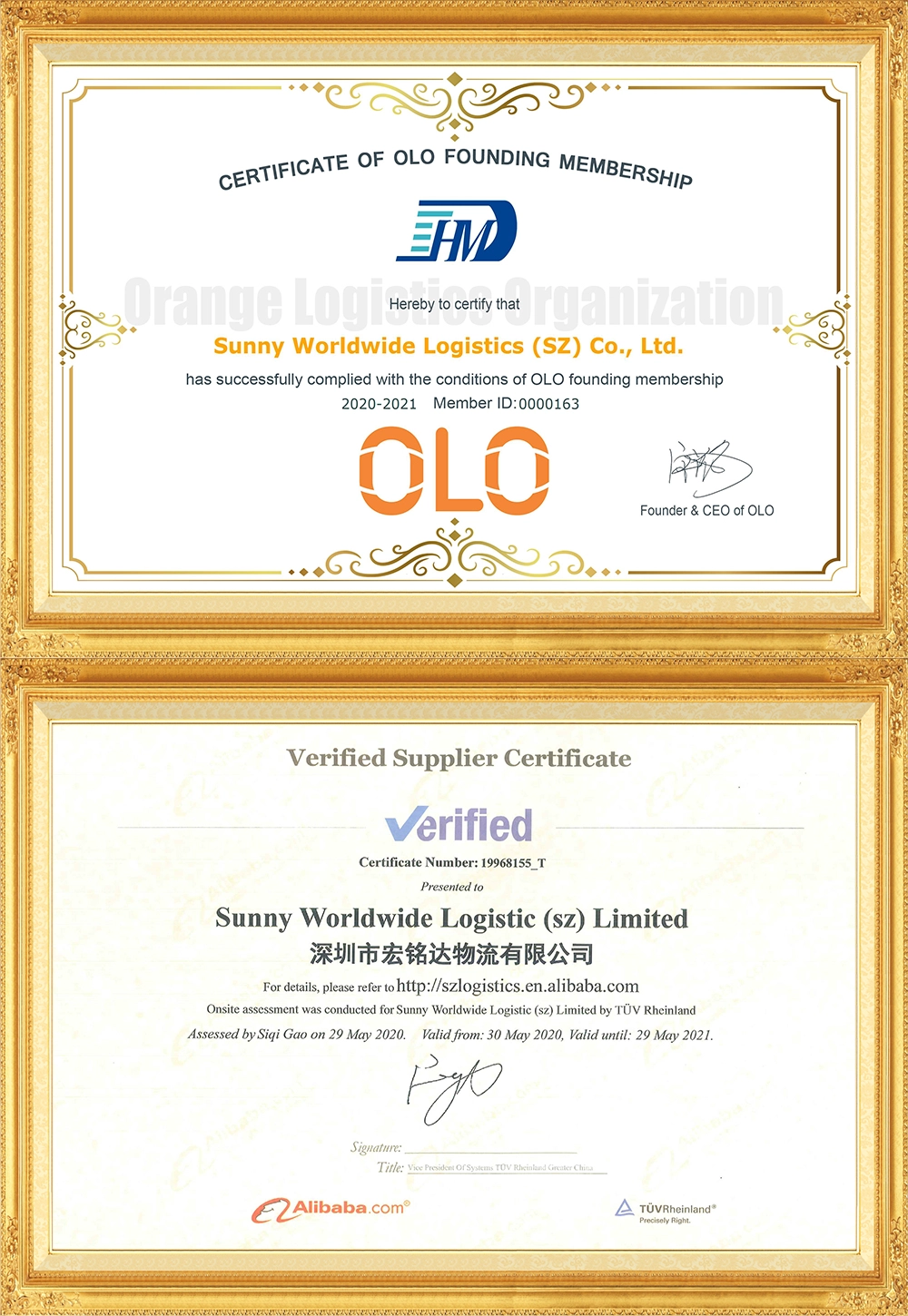
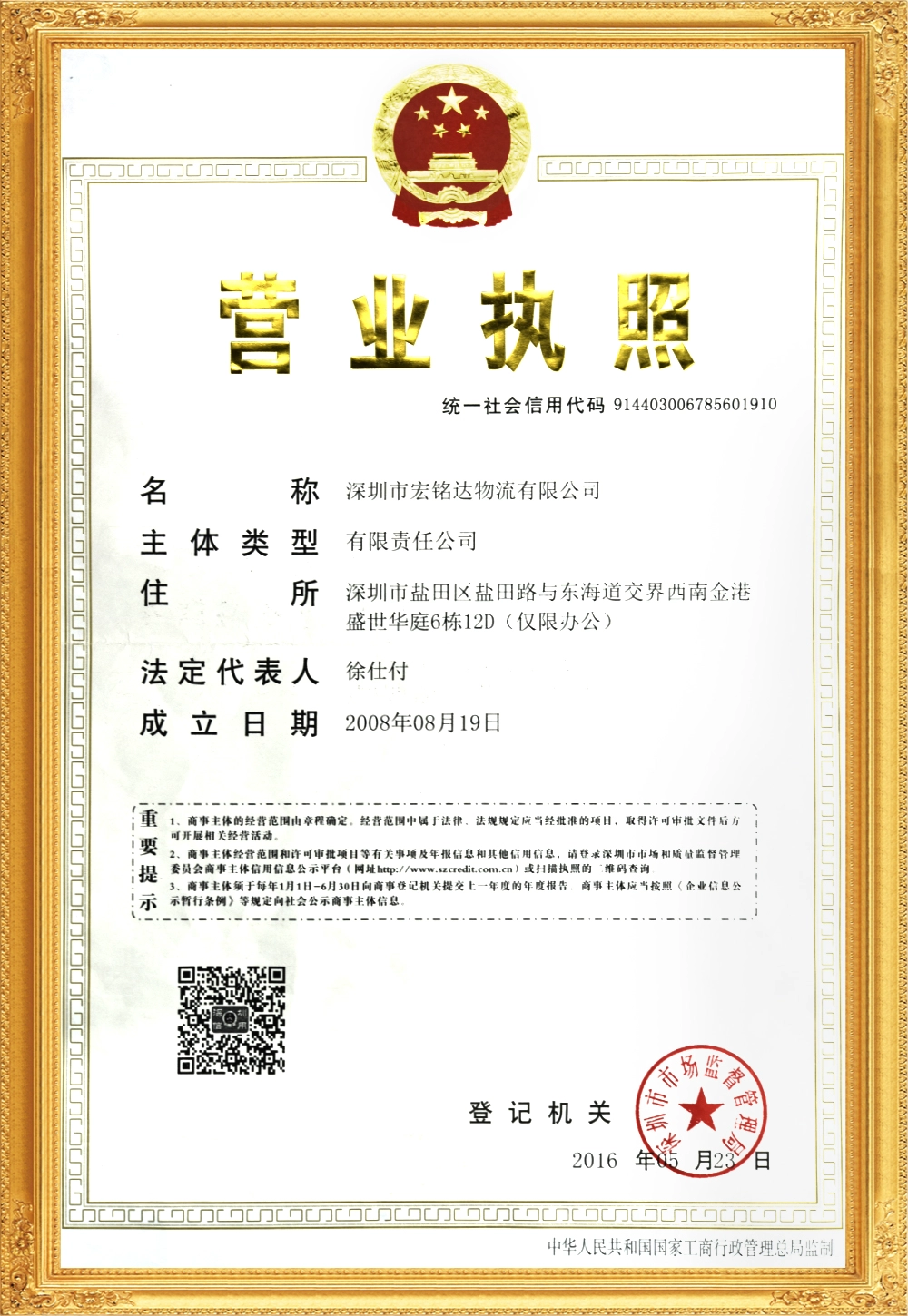
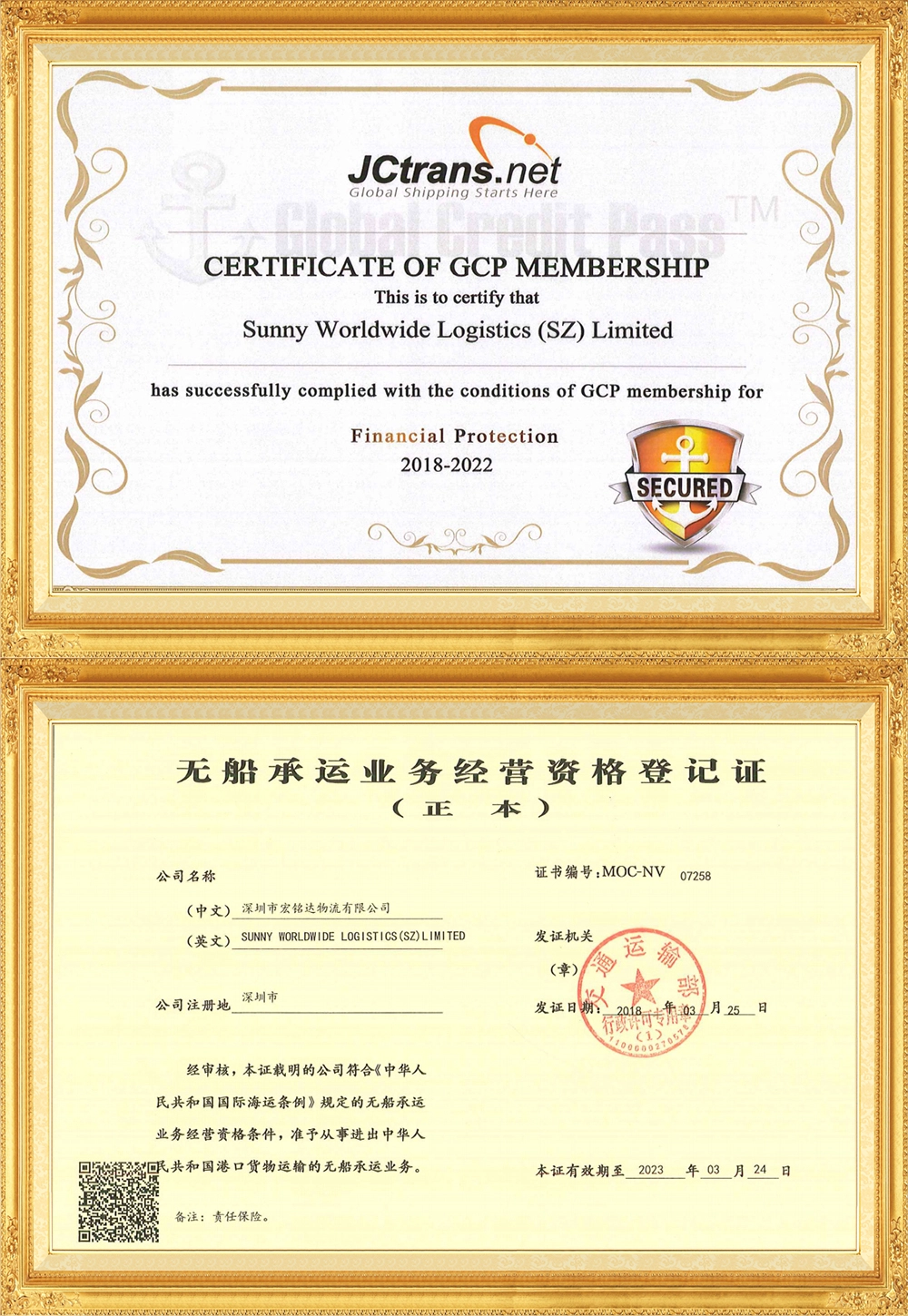
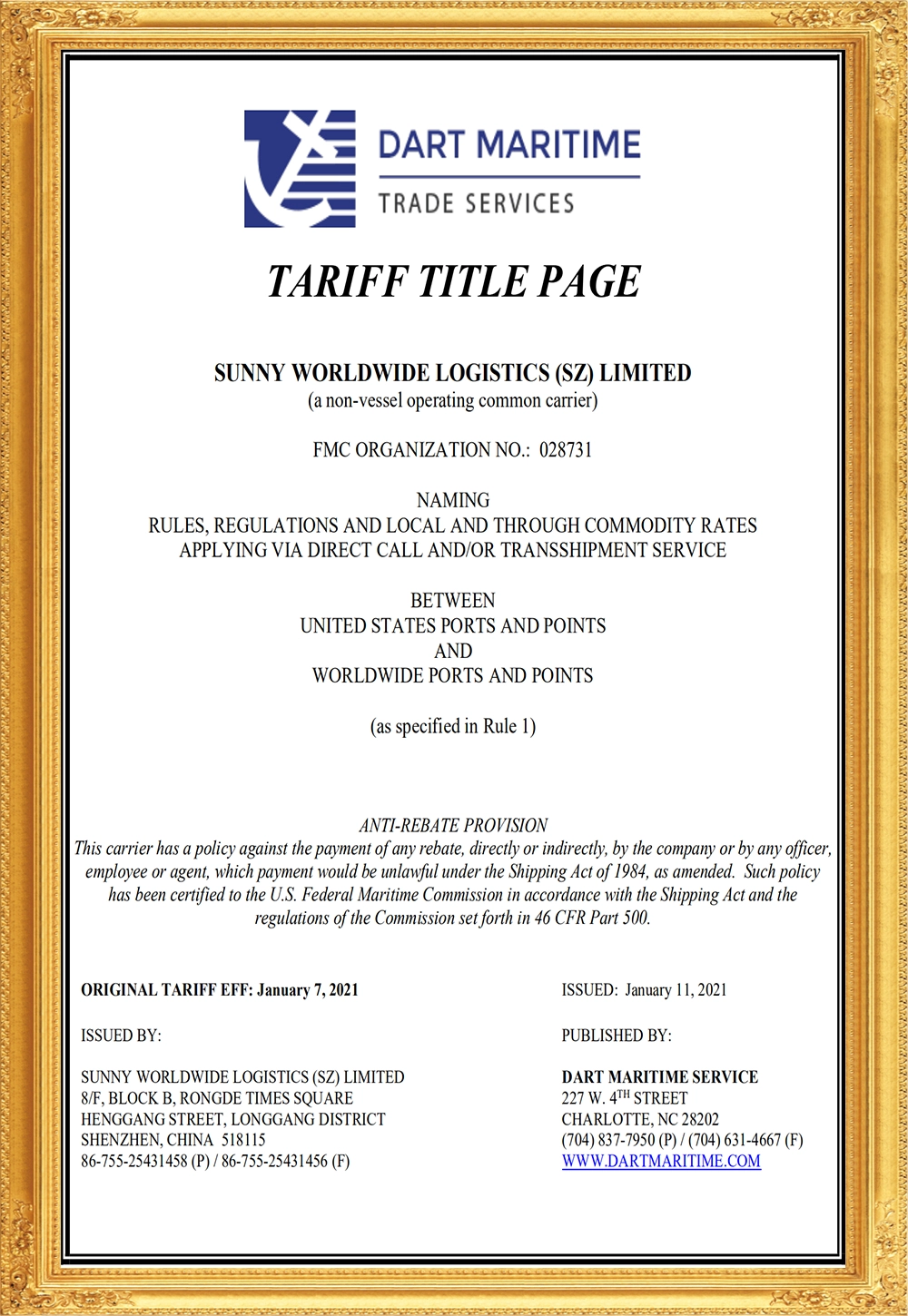
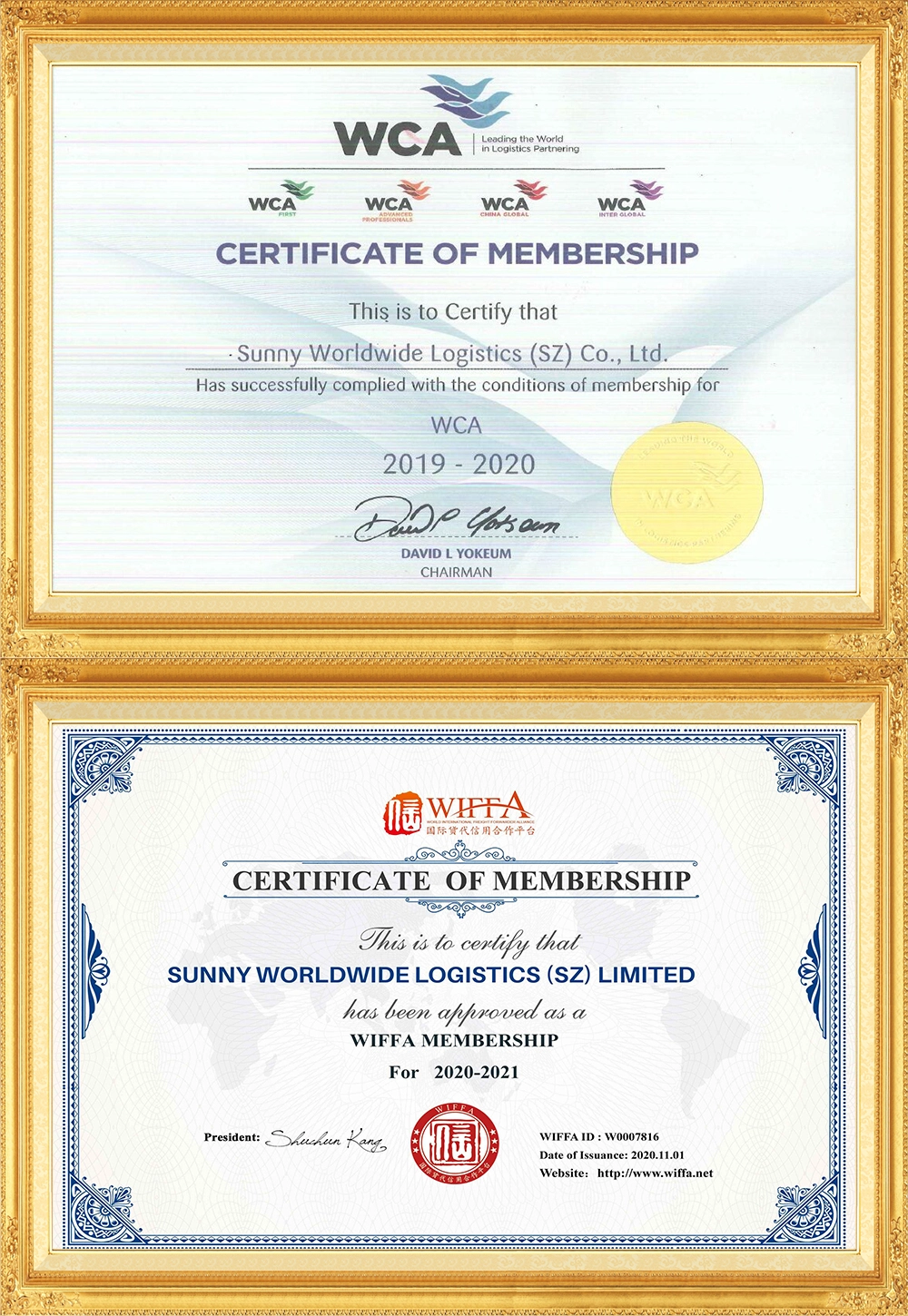
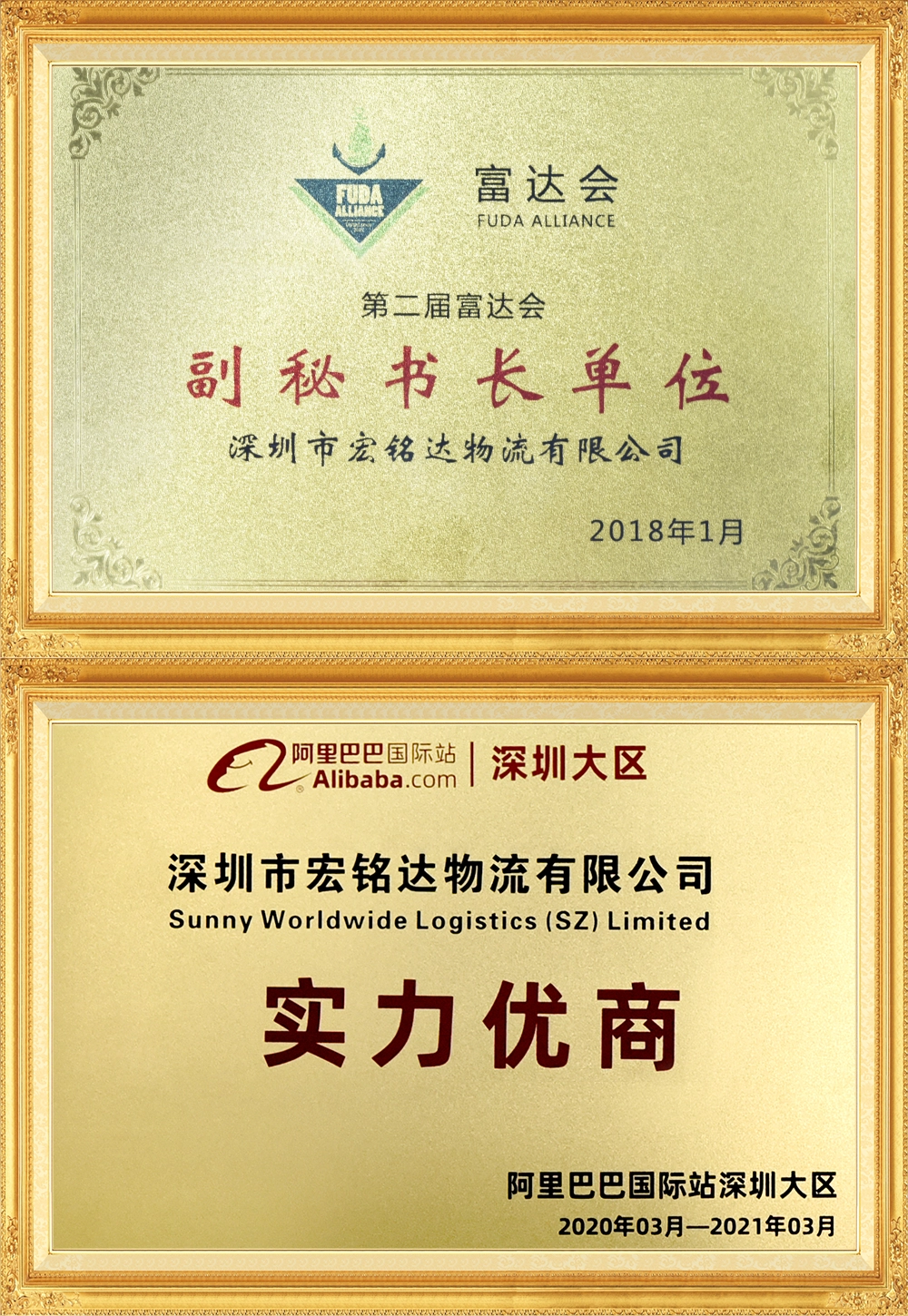
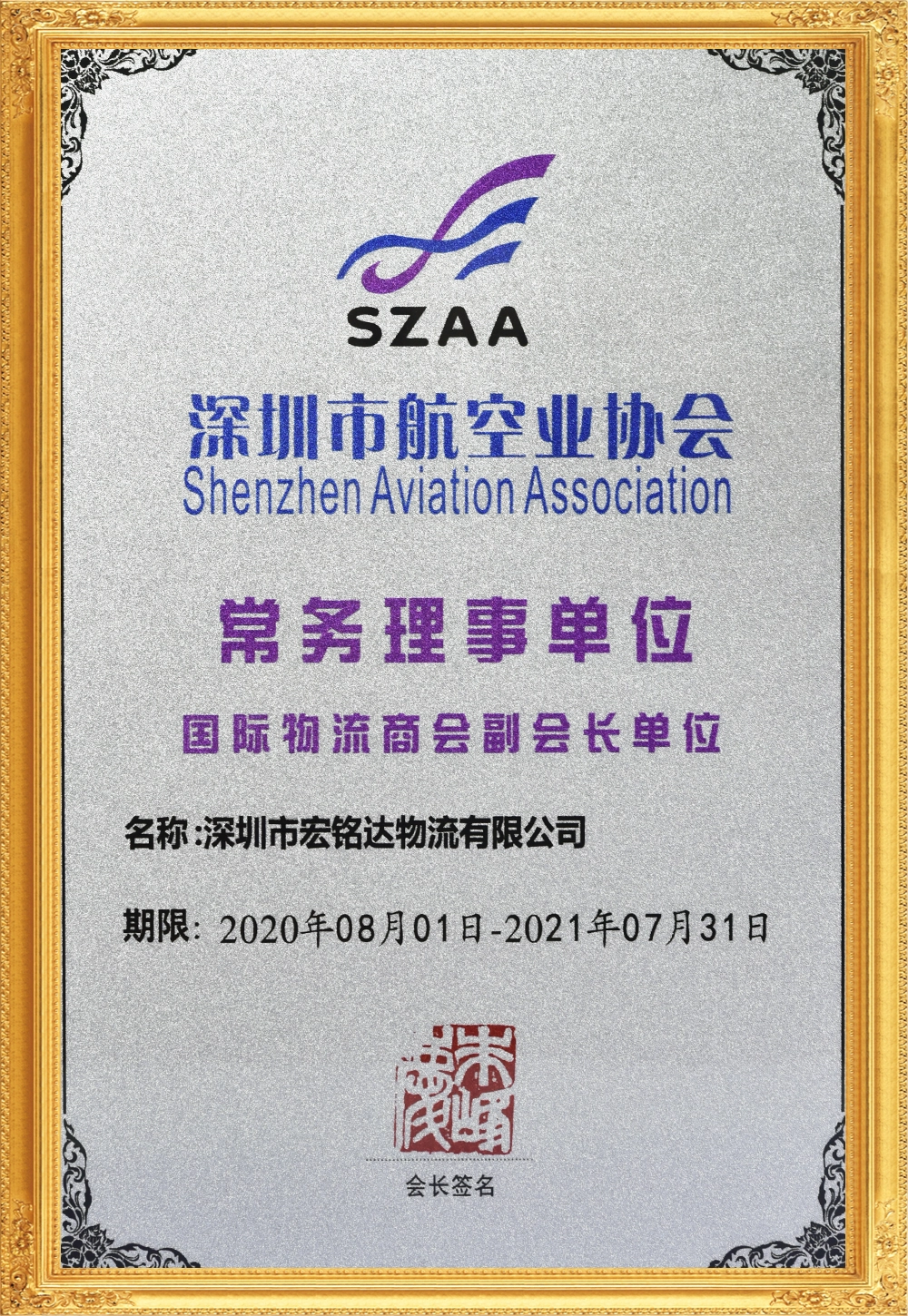
- Certifications
-
- Follow us
- Subscribe
-
Get email updates on new products
Frozen Food Logistics China to Philippines | DDP Door to Door
- Place of Origin:China
- Departure Country/Region:CHINA (Guangzhou / Shenzhen / Shanghai)
- Destination Country/Region:PH (Philippines - Manila, Cebu, Davao)
- Transit Time (Days) Sea:15 Days (Manila) / 25 Days (Cebu & Davao); Air: 3-5 Days
- Shipping Method:DDP Door to Door (Reefer Sea Freight & Air Freight)
- Cargo Type:Frozen food - meat, seafood, processed foods, frozen vegetables and fruit (reefer container)
Frozen Food Logistics China to Philippines | DDP Reefer Door to Door Service

Frozen cargo is the one category where a delay of two days is not an inconvenience — it is a total loss. A reefer that sits on the terminal because a permit was filed late, or a container that loses its set point for eighteen hours in transit, does not produce a slightly worse outcome. It produces a write-off.
Sunny Worldwide Logistics has moved cargo on the China–Philippines lane since 1998. Frozen food is a category we treat differently from general freight, because the margin for error is measured in hours rather than days.
Why DDP Removes the Two Biggest Risks in Frozen Imports
Frozen food imports into the Philippines carry two failure points: permits and money. Both are handled in advance under our DDP arrangement.
On the permit side, the Philippine importer must hold a valid License to Operate (LTO) from the Food and Drug Administration, and processed food products additionally require a Certificate of Product Registration before they can be circulated locally. Unprocessed frozen meat needs an SPS Import Clearance from the Bureau of Animal Industry, and frozen fish and fishery products require a Licensed Importer authorization from BFAR. These documents must be in place before the container is loaded in China — not before it arrives. We check this at quotation stage, and we will tell you plainly if a permit is missing.
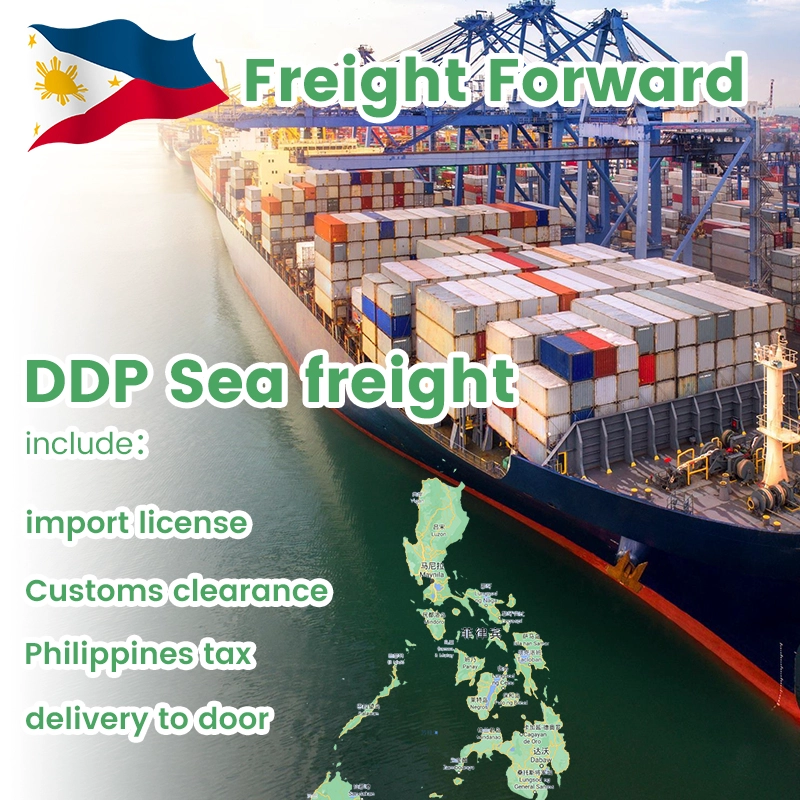
On the money side, our China to Philippines DDP shipping covers export formalities, ocean freight, Philippine import clearance, all duties and taxes, and final delivery. You are not chasing a Bureau of Customs assessment after the reefer has already landed. One price, including the cold chain, to your cold store door.
How We Move Frozen Food from China to the Philippines
Step 1 - Pre-Cooling and Reefer Booking at Origin
Frozen cargo must be frozen before it reaches the container, not cooled inside it. We confirm the product is pre-chilled to its required core temperature, then book a reefer container set to the correct temperature for the commodity — typically -18°C for frozen product. Booking the reefer with the right carrier and equipment is arranged in-house rather than passed to a broker.
Step 2 - Pickup and Loading Under Our Own Control
We collect from your supplier using our own trucking fleet at the Shenzhen and Guangzhou ports. This is not a relay of subcontracted haulers. Loading is planned so that the container doors are open for the shortest possible time, and the cold chain is unbroken from the factory floor onward.
Step 3 - Temperature Monitoring and Documentation
Temperature data loggers travel with the container, and set points are verified rather than assumed. Alongside the freight documents we prepare the health and sanitary certificates your consignee needs, matched to the specific permit held in the Philippines. If the paperwork does not match the consignment, the cargo sits — so this is checked before the container is sealed.
Step 4 - Ocean or Air Transit
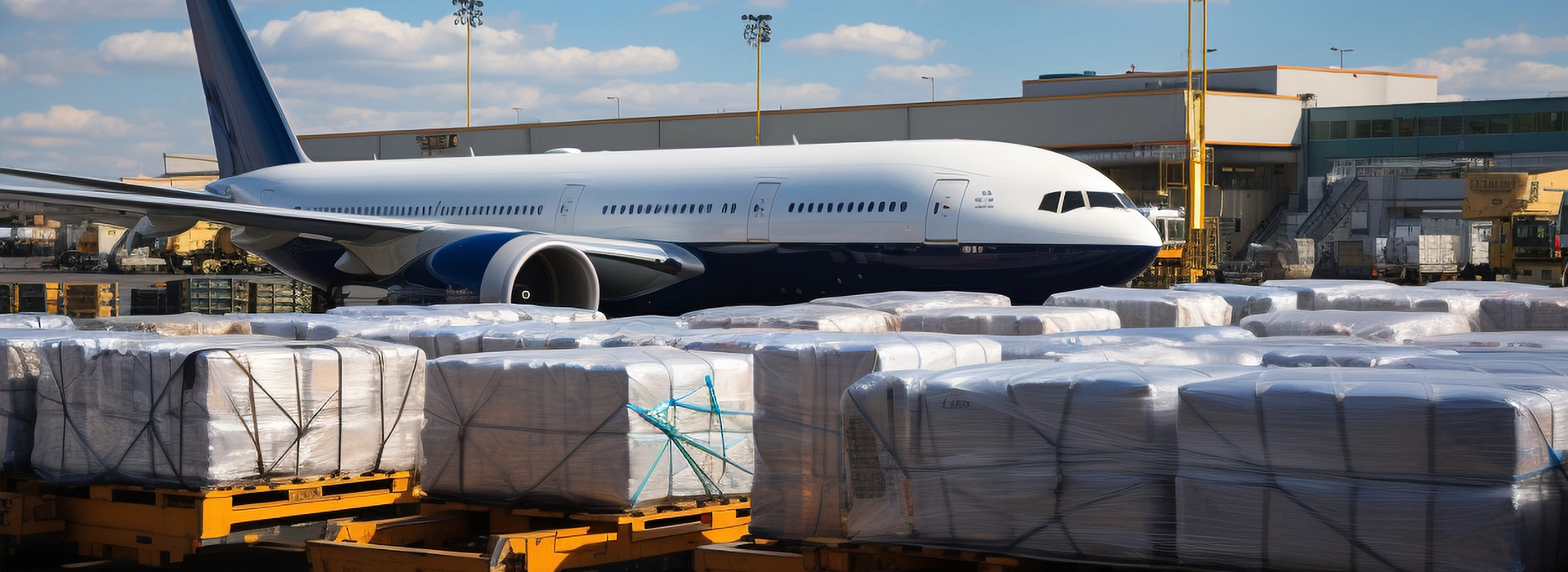
For most volumes, sea freight is the practical route: roughly 15 days door to door to Manila, and about 25 days to Cebu or Davao. For high-value seafood or a shipment that cannot wait, air freight arrives in 3 to 5 working days.
Step 5 - Philippine Clearance and Cold Store Delivery
Our team clears the shipment with the Bureau of Customs, pays the assessed duties and taxes under the DDP terms, and moves the container to your cold store. Our clearance typically runs 1 to 2 days ahead of the industry average — on reefer cargo that difference is measured directly in electricity and storage charges.
Why Shippers Trust Sunny Worldwide Logistics with Frozen Cargo
We control the first mile. Our trucking company operates out of the Shenzhen seaport, so the leg most likely to break a cold chain — the move from factory to port — stays in our hands.
Twenty-six years of route experience. We have been on this lane since 1998 and have absorbed every change in Philippine import rules along the way, rather than discovering them on your shipment.
Facilities that match the service. A 1,800 square meter Class A office in Shenzhen, membership in the Worldwide Cargo Alliance, and Top 100 China freight forwarder standing.
Options, not a single price. Every inquiry gets at least three routing or consolidation options, and our clients typically save 5% or more. We take care of the cargo more than the owner does.
Frequently Asked Questions
Does the DDP price include Philippine duties and taxes on frozen food?
Yes. Our DDP quotation covers freight, clearance, duties and taxes, and delivery to your cold store. Permit fees and product registration held in the consignee's name are separate and are the importer's responsibility.
Can you ship a partial container of frozen goods?
Yes. Where volume does not justify a full reefer, we consolidate LCL frozen cargo. Full reefer container options are available when volume supports it.
What do you need from me to quote?
The product type and whether it is processed or unprocessed, the packing format and total volume, the supplier location in China, the delivery address in the Philippines, and — critically — the permit your consignee already holds. With those we can normally return a firm DDP quotation.
Talk to a Frozen Freight Specialist
Cold chain logistics is a documentation and timing business before it is a transport business. If your current forwarder treats it as the other way around, it is worth a second opinion.
Contact Sunny Worldwide Logistics with your product details and consignee's permit status, and we will come back with a clear DDP quotation and the compliance steps your specific cargo requires.
Tel:+86 13534256878
Wechat:+86 13534256878
Contact Person:Mavis

- Other Products