













The risk has been fully upgraded! Strict investigation across Europe!
As the popularity of the 2026 World Cup continues to rise, European sports peripheral consumption is experiencing explosive growth. However, at the same time, special crackdowns on counterfeit brands by customs in many European countries are simultaneously creating high pressure.
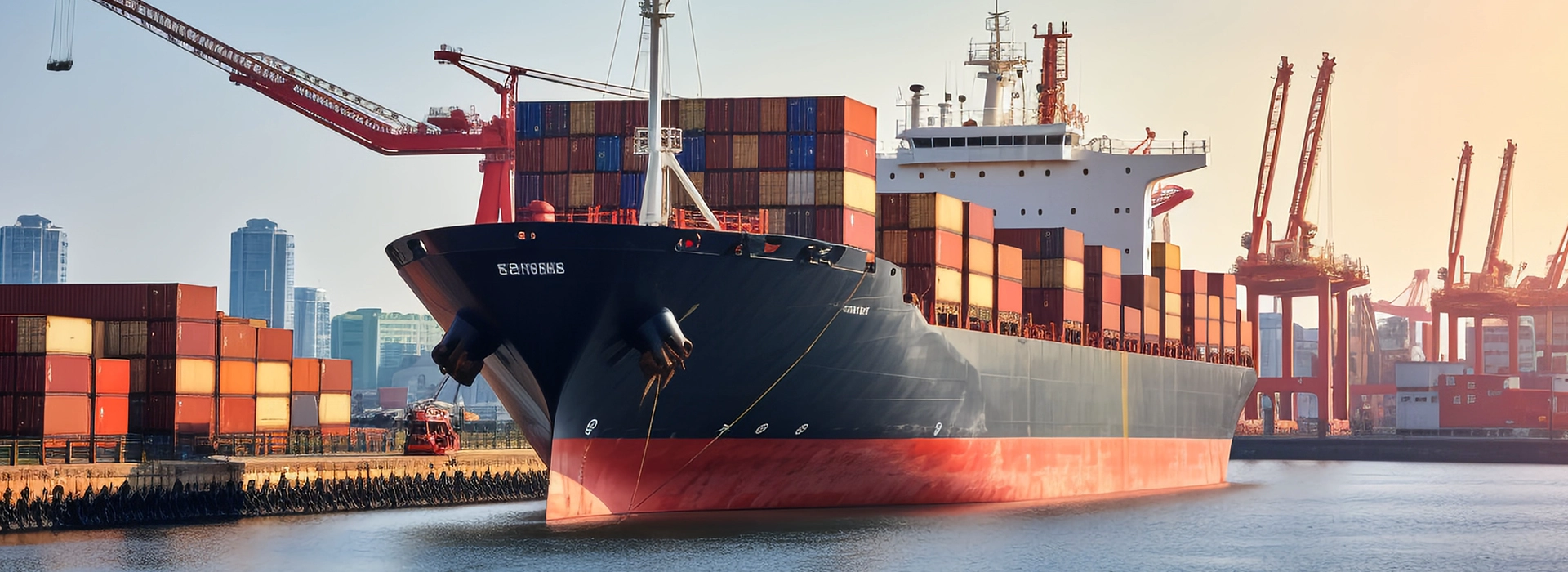
Recently, European customs and police have joined forces with law enforcement agencies from many countries to launch large-scale customs clearance inspections, focusing on cracking down on counterfeit World Cup jerseys, branded sports equipment and other infringing goods. Since June, the number of goods seized at European ports has surged. The number of counterfeit goods seized in special operations alone has reached dozens of tons. A large number of cross-border goods have been stranded, delayed, and even faced with return and destruction. Many freight forwarders and foreign trade sellers have been damaged by thunderstorms. The risk of European shipments has been fully upgraded!
The core of this all-area inspection is an international joint law enforcement operation codenamed CLEANTRADE, led by the Spanish National Police. This special project launched a full-area investigation as early as April this year, gathering four major EU authoritative agencies, Europol, Interpol, the European Intellectual Property Office, and the European Anti-Fraud Office, to jointly handle the case, covering the entire chain of cross-border warehousing, air transport, and distribution across Europe.
According to the official results disclosed by Spain's "Daily Sports":
1. Seize various counterfeit World Cup jerseys and complete sets of national team sports equipment.66,000 pieces
2. The total weight of the goods involved exceeded the16 tons, involved in the case as a wholeThe value of the goods exceeds 7 million euros
3. Cumulative arrests of illegal persons involved in the case95 people
Most of the counterfeit goods seized were Spanish national team jerseys, with a high proportion of imitations of popular teams such as Germany, Argentina, and France. The imitations only reproduced the appearance of the team emblem, and the fabrics and workmanship were not up to standard. They were originally planned to illegally flow into the European terminal market through cross-border e-commerce and offline markets.
At present, many European countries are following similar inspections simultaneously. French customs has previously intercepted nearly 2,300 infringing jerseys. Pan-European anti-counterfeiting has become a normal and high-pressure operation.
At present, the focus of this rigorous investigation is on European air transport channels, Spainmadrid airport,Barcelona AirportIt is listed as the highest risk supervision area and is also the core control point of this anti-counterfeiting operation.
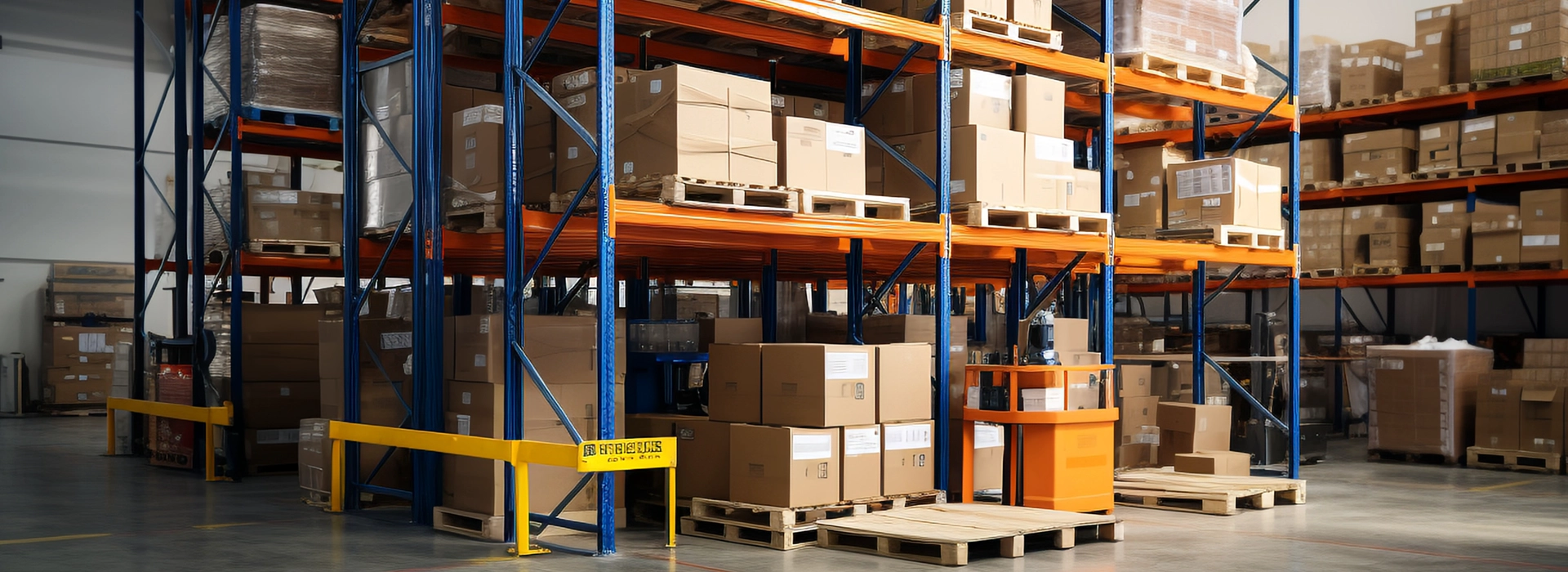
Many freight forwarders and cargo owners have reported that the inspection rate of air cargo sent to Spain has skyrocketed recently, and a large number of World Cup peripheral and apparel goods have been detained in airport supervision warehouses and cannot be cleared and released normally.
What practitioners should be more vigilant about is that this strict inspection is not only targeting obvious counterfeit brands, but a large number of compliant ordinary goods have also been randomly inspected and delayed.
Affected by the upgrade of law enforcement, local cooperative customs clearance agencies and overseas compliance warehouses are required to cooperate with customs traceability verification throughout the process, and all suspected goods and goods with doubtful information will be temporarily detained for verification. This has directly led to two major problems on the European route: customs clearance time has been significantly lengthened, warehousing and storage costs have continued to soar, and some goods have even been directly judged to be infringing, facing the ultimate risk of being returned and destroyed.
As a well-known air transport transit gateway in Europe, Spain is responsible for the distribution of a large number of goods entering Southern and Western Europe. This strict port inspection will not only affect local customs clearance in Spain, but also affect cross-border trade links across Europe.
This strict investigation has brought about a chain logistics crisis:
Timeliness collapse:As Spain is the core transit point for European air freight, the original customs clearance time of 3-5 days has been directly lengthened. The freight forwarders relying on the West Airport to distribute freight across Europe have completely lost the advantage of air freight timeliness;
Skyrocketing costs:Long-term detention of goods results in high storage fees and port demurrage fees, squeezing sellers’ profits;
Cargo disposal risks:Once the goods are determined to be infringing imitations, the goods will be unconditionally confiscated and destroyed; even if they are compliant goods, they may face customs requirements for return if they are detained for a long time.
Industry data shows that hundreds of tons of goods related to counterfeit sportswear have been detained at European ports recently, and the entire European cross-border trade link has been significantly affected.
At every major international competition, European intellectual property inspections and counterfeiting efforts will reach a peak. At present, European lines have entered the stage of high-pressure inspection and zero-tolerance for infringement. The era of relying on marginalization, mixed reporting, and lucky shipments is completely over.
During the strict inspection cycle, compliance is the greatest confidence in cross-border trade. All cargo owners and freight forwarders must adjust their shipping strategies in a timely manner, strictly control product compliance, avoid the risks of goods deductions, delays, and returns to the greatest extent, and ensure the stable delivery of European orders.