













The port is blocked and the airport is blocked! Logistics in the Philippines is in urgent need of joint efforts by multiple departments to smooth things over
On July 19, the Philippine Customs announced the establishment of a task force (Task Force) involving multiple government departments and industry agencies to focus on solving the cargo congestion problem that has lasted for several months at the Manila Port and Ninoy Aquino International Airport (NAIA).
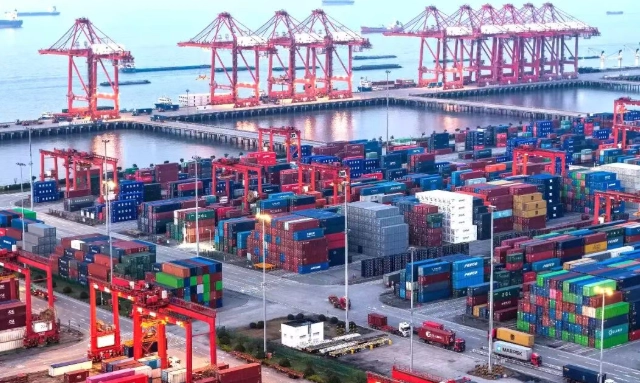
From seaports to airports, logistics pressure continues to accumulate in the Philippines
The establishment of this special working group is not in response to a short-term congestion, but in response to the operational pressure that has lasted for several months, and both sea, land and air cargo nodes are in emergency.
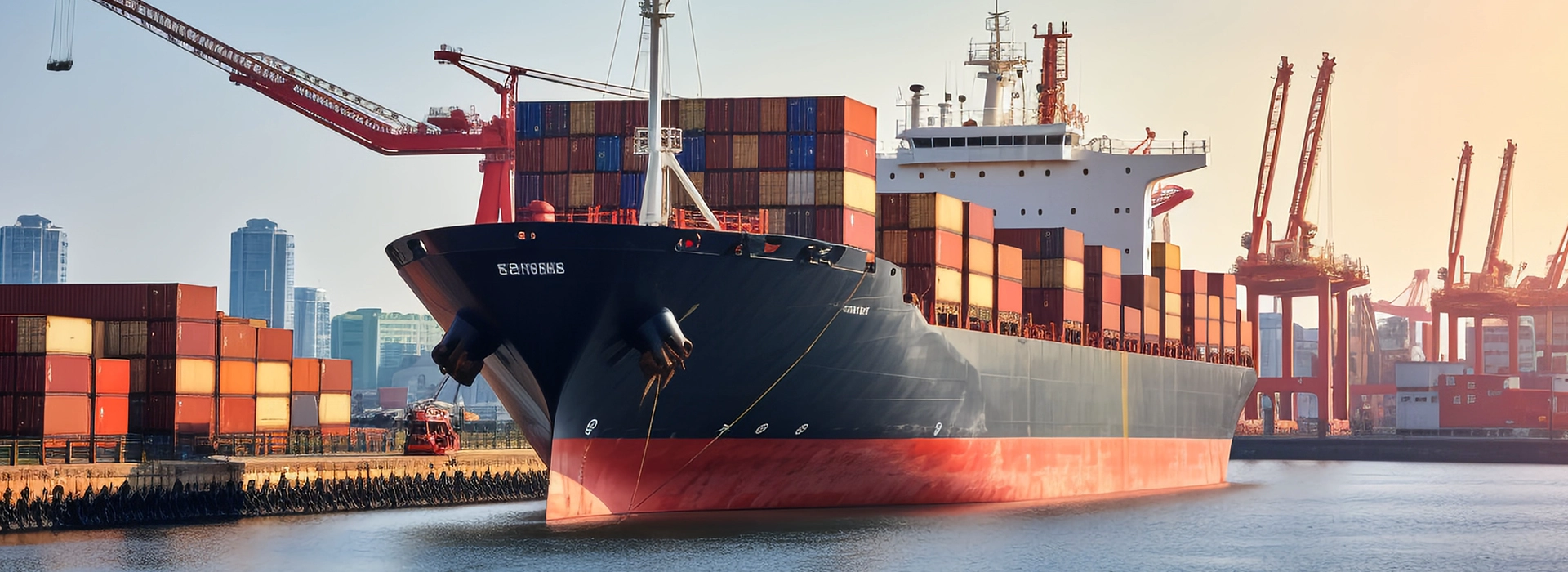
Shipping (Manila MICT, Nangang)
The port yard utilization rate once exceeded 100%, and some imported containers were stranded in the port area;
The return flow of empty containers has slowed down and continues to occupy the limited space in the yard;
The queue time for trucks entering the site has increased significantly, and the vehicle turnover efficiency has plummeted.
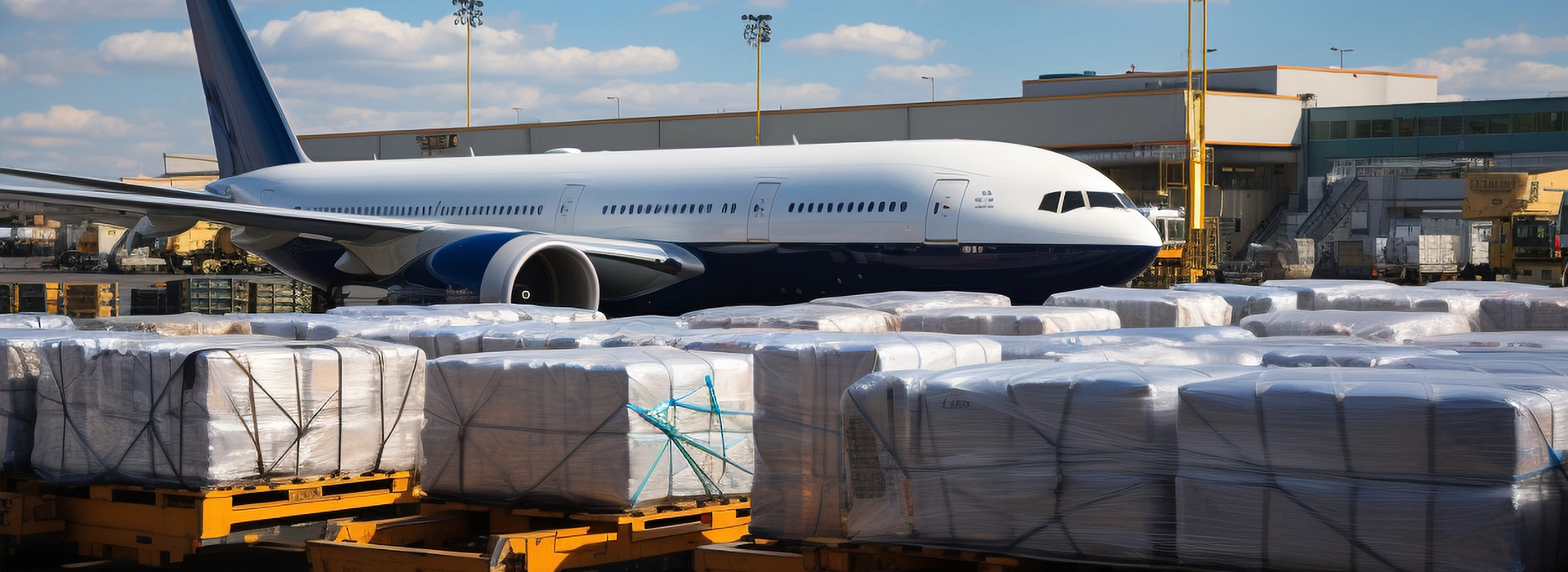
Air transportation (NAIA International Airport)
Airport cargo storage capacity has declined, and air cargo handling efficiency has slowed significantly. For industries such as electronics manufacturing and semiconductors that rely on air transportation, the supply chain has been greatly affected, and some companies have even adjusted production plans.
The simultaneous pressure on ports and airports has caused chain reactions in multiple logistics nodes in the Philippines, further pushing up corporate transportation costs and operational pressures.
The root cause of congestion: not only the volume of goods has increased, but shortcomings in many links have exploded.
The speed of picking up heavy imported containers is slow and occupies the dock yard for a long time;
The empty container recycling and scheduling mechanism is imperfect and the container recycling efficiency is low;
Land trailer capacity scheduling is unbalanced and queues take a long time;
The customs clearance system is old, with lags and occasional interruptions, which lengthens the overall customs clearance time.
Official system governance begins
Faced with continued pressure, Philippine Customs has recently launched a number of measures:
Requiring heavy containers that have been detained in the port for a long time to be transferred to storage yards outside the port
Shorten customs declaration processing time
Promote empty boxes to speed up return flow
Coordinate shipping companies to adjust container entry and exit arrangements
With the establishment of a special working group this time, the focus of governance has begun to shift from individual measures to cross-departmental collaboration.
According to the information released by Philippine Customs, the special working group will focus on promoting three directions:
Improve cargo flow efficiency at ports and airports
Improving container and air unit container (ULD) recycling and management
Coordinate and resolve various operational issues affecting trade facilitation
In the future, relevant suggestions will be directly submitted to the Philippine Customs management and coordinated with finance and other competent departments to promote implementation.
A must-read for freight forwarders/shippers
Adjustment of transportation plans: The processing capacity of ports and airports is limited, and shipping schedules, flights, and pickup times may be affected. It is even more important to confirm transportation plans with customers in advance.
Cost management: Terminal detention, storage fees, and increased vehicle waiting time may all bring additional logistics costs.
Supply chain synergy: In recent years, the Philippine manufacturing industry has developed rapidly, cross-border trade has continued to grow, and ports, airports and land transportation have carried increasing logistics demands. Customer needs have extended from single transportation to full-link integration such as port coordination, customs clearance, warehousing, and distribution, and require rapid response alternatives to abnormal situations. In the future, if freight forwarding companies can identify risks in advance, design resilient transportation plans, and build stable overseas service networks in the region, they will form core competitive barriers and become a key capability to take root in the Southeast Asian market.