




















Suez Canal surcharge increased significantly!
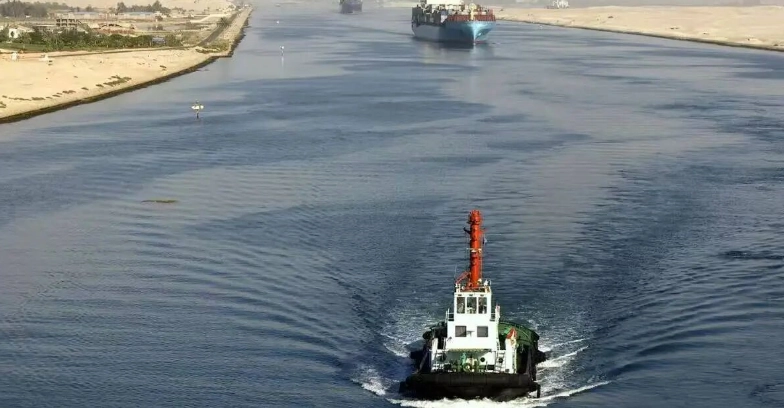
It is reported that the Suez Canal Authority has confirmed that a new round of transit surcharges will take effect on July 15, which will increase navigation costs for almost all types of ships. Meanwhile, some of the world's largest container liner companies are cautiously resuming sailings through Africa's Cape of Good Hope after circumnavigating the waterway for more than 18 months.
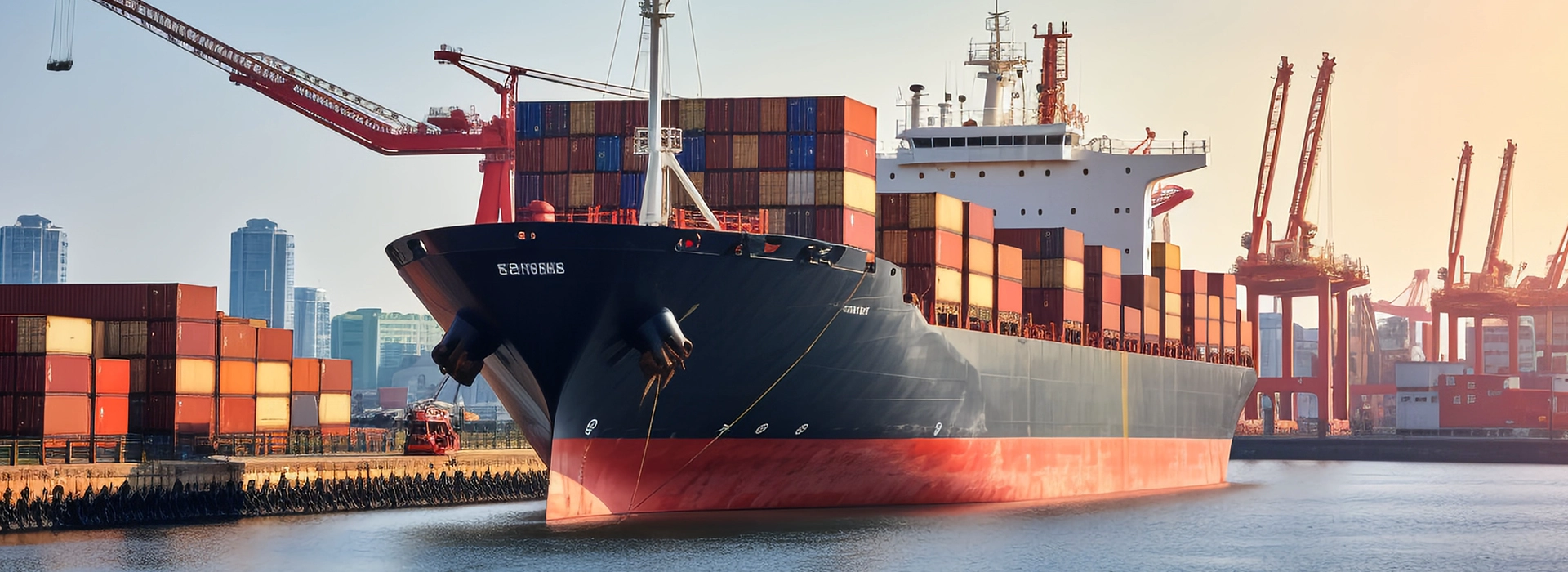
According to the navigation notice issued by the Egyptian canal operator, tankers carrying crude oil and refined oil products will face the largest increase, and their temporary surcharges will be raised from 25% to 37% of the standard navigation charges. The surcharge for empty tankers increased from 15% to 27%. The surcharge for LPG carriers and chemical carriers climbed from 20% to 32%, while the surcharge for LNG carriers rose from 7% to 19%. The surcharge for dry bulk carriers has more than doubled, from 10% to 22%. Container ships, as the most core ship type related to the canal's recovery, will face a 12% surcharge, while the existing tiered rate structure for container ships remains unchanged. The surcharges for general cargo ships, heavy-lift ships and ro-ro ships have been raised from 14% to 26%. The northbound surcharges for car carriers are 26% and the southbound surcharges are 12%. Only passenger ships are not affected by this price adjustment.
The Suez Canal Authority characterized the increase as a temporary measure linked to "current market conditions" and is separate from the base rate. The basic rate has not been adjusted since 2024, and in principle may be revised again based on changes in the shipping pattern. At the height of the Red Sea crisis, Houthi attacks on merchant ships prompted the vast majority of container liner companies to reroute routes to southern Africa, causing canal revenue to plummet by about two-thirds. The rerouting adds about 10-14 days to the Asia-Europe voyage and significantly drives up fuel costs and ship utilization across the industry.
Against this background, the timing of this price increase appears particularly delicate. Maersk and Hapag-Lloyd have begun redeploying ships to the Suez route in recent weeks, with Maersk completing its first westbound heavy-haul voyage under the resumption of navigation plan, an early signal that shipping companies judge the security situation has improved enough to choose this shorter, more economical route again.
But industry analysts warn that this return is still partial and reversible. Most major liner companies still deploy a considerable proportion of their capacity on the Cape of Good Hope route as a risk hedge, and the decision to fully resume normal navigation of the Suez Canal depends both on whether the Bab el-Mandeb Strait can continue to remain calm and on the canal's pricing strategy.
The Suez Canal Authority has reserved the possibility of modifying or canceling new surcharges based on changes in traffic volume and security conditions in the coming months, highlighting that the canal's financial situation and global shipping route decisions are still in flux, rather than entering a clear post-crisis equilibrium.