







Philippine ports’ container throughput will grow steadily in 2026 and digital customs clearance will accelerate
According to the latest report from the Philippine Ports Authority and the Customs Service, the container throughput of national ports in the first half of 2026 increased by 2.8% year-on-year to 4.3 million TEU. With the advancement of digital electronic customs clearance and the construction of multimodal transport hubs, port turnover efficiency has been significantly improved, which not only effectively alleviates traditional congestion bottlenecks, but also provides more robust and efficient logistics support for cross-border shipping from China to the Philippines and ASEAN trade.
Overview of industry trends: Philippine port cargo volume continues to recover, and digital infrastructure drives efficiency jumps
Manila News ——Since 2026, the Philippine shipping and modern logistics market has shown strong recovery resilience and growth momentum. According to the latest statistical report released by the Philippine Ports Authority (PPA) and the Bureau of Customs (BOC), in the first half of 2026, major ports in the Philippines completed container throughput of approximately 4.3 million TEU (standard units), a year-on-year increase of 2.8%. This data shows that with the deepening of bilateral economic and trade exchanges between China and the Philippines, the return of regional manufacturing and the steady release of local retail consumer demand, the Philippines' cross-border foreign trade logistics is entering a stage of high-quality growth.
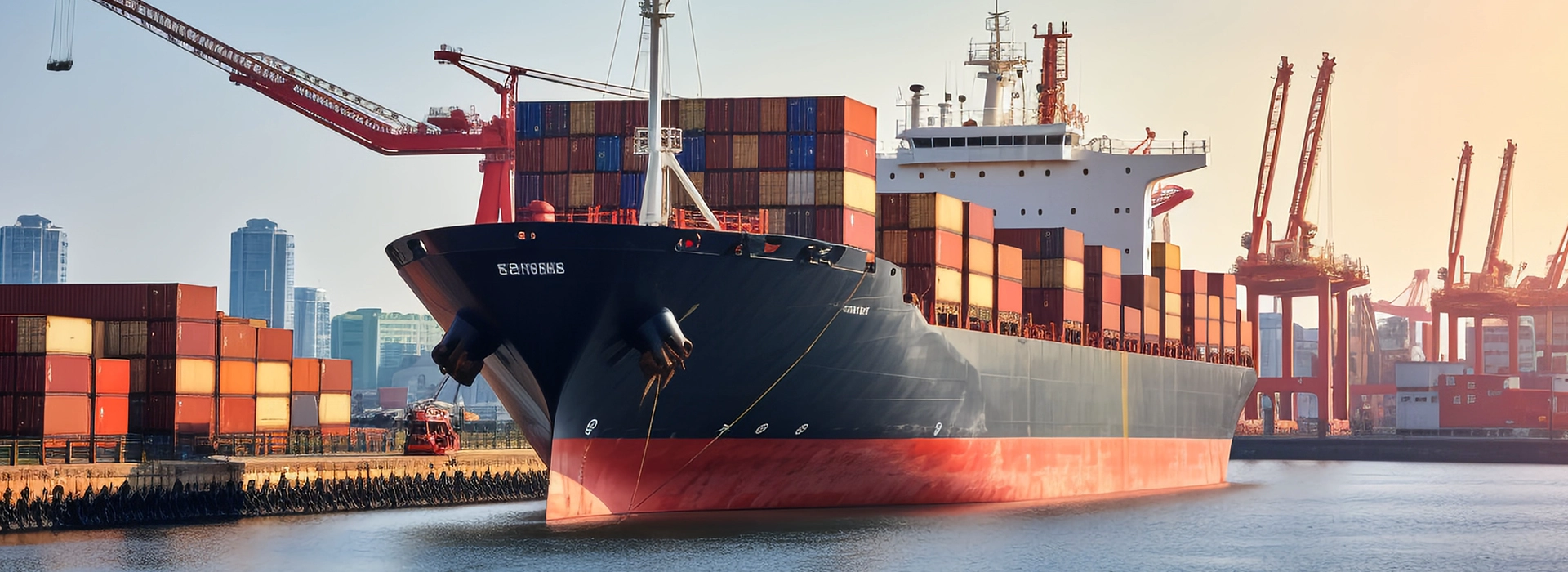
As an archipelagic country, the Philippines’ economic lifeline is highly dependent on maritime transportation and port collection and distribution systems. Since the beginning of this year, core hubs such as Manila International Container Terminal (MICT), Manila South Harbor and Batangas Port have made breakthrough progress in key dimensions such as average ship berth time, quay crane operation efficiency and landside container pick-up and return turnover rate.
Supervision and customs clearance: The customs system is fully digitalized, and the empty container transportation mechanism continues to be optimized.
For a long time, the cumbersome circulation of paper documents and demurrage/detention at the destination port have been the main pain points for cross-border enterprises exporting to the Philippines. In 2026, the Philippine Customs Service will comprehensively deepen customs clearance reforms under the framework of the Customs Modernization and Tariff Act (CMTA), focusing on promoting the following initiatives:
- Popularization of electronic declaration and paperless customs clearance : The import and export commodity inspection and customs clearance system has achieved over 92% electronic coverage, and the customs clearance time for compliant standard goods has been reduced from the past 3-4 working days to less than 48 hours.
- Empty container intelligent dispatch and yard monitoring system : In response to the serious backlog of empty containers at terminals, regulatory agencies and liner conferences have jointly implemented a linked supervision system for empty container transportation and external storage yards, and standardized the container return reservation process, which has greatly eased terminal congestion and reduced demurrage disputes caused by difficulties in returning containers.
- Non-intrusive container inspection : The deployment of new high-power X-ray machines and intelligent plan review systems has significantly reduced the proportion of manual container inspections, ensuring compliance and supervision while increasing the speed of container inspection and release.
Multimodal transport layout: Ro-Ro shipping (RoRo) and regional sub-center ports work together
Driven by the national infrastructure investment plan, the Philippines is accelerating to change the traditional pattern of "over-reliance on the single hub of Manila":
- Roll-on-roll-off (RoRo) network extension : As a key link connecting the three major archipelagos of Luzon, Visayas and Mindanao, national ro-ro freight volume is expected to grow by 6.15% in 2026, effectively ensuring efficient distribution and low-cost transportation of inland and cross-island logistics.
- The diversion effect between Subic and Batangas appears : An increasing number of direct feeder ships to and from China and Southeast Asia are calling directly at Batangas Port and Subic Port, saving manufacturing companies in the southern and northern industrial parks the expensive trailer transportation costs and waiting time in Manila.
Practical suggestions for cross-border logistics: freight compliance and cost control when exporting to the Philippines
Combined with the current status of Philippine port operations and foreign trade compliance requirements, cross-border cargo owners and international freight forwarders need to focus on the following strategies in operational practice:
- Accurate document matching and pre-clearance operations :Invoice (Commercial Invoice), Packing List (Packing List) and Bill of Lading (B/L) information must be strictly consistent, and the HS customs code classification must be accurate. It is recommended to complete the pre-examination form and electronic entry before the ship arrives at the port to avoid customs inspection suspension due to document defects.
- Strict review of port miscellaneous fee structure : Pay close attention to the destination port terminal handling fee (THC), devanning fee (Destuffing), handling fee (Handling) and local value-added tax (VAT) billing standards, and be wary of unnecessary repeated charges and opening clauses (such as "At Cost" warehousing clauses).
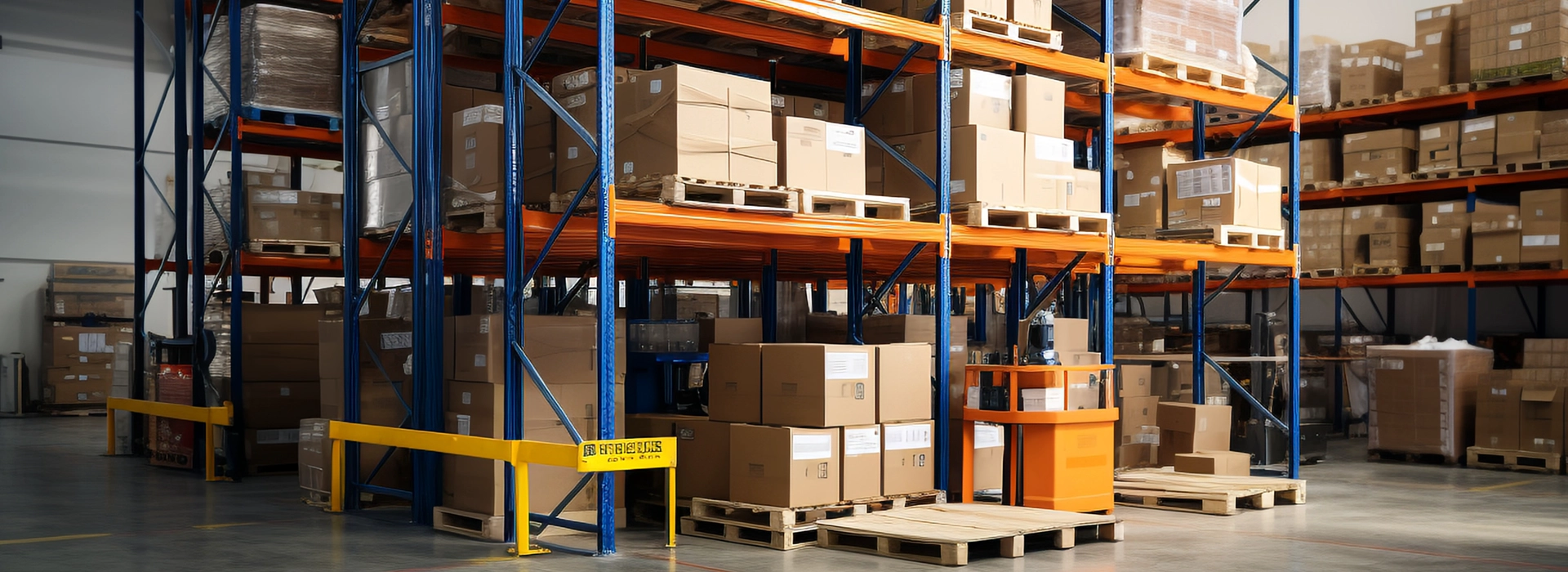
- Scientific planning of container loading plans : When loading containers such as 40HQ, we follow the scientific stowage principle of “heavy the bottom and light the top, big first and then small”, and accurately calculate the gross weight based on the weight of the pallet and the corrugated strength of the outer box, taking into account space utilization and safety in sea bumps, to ensure the safety and smooth delivery of the goods to the consignee at the destination port.