

















The Philippine Ports Authority released the latest freight growth report: the throughput of national ports reached a new high, and digital and intelligent upgrades accelerated the construction of regional trade hubs.
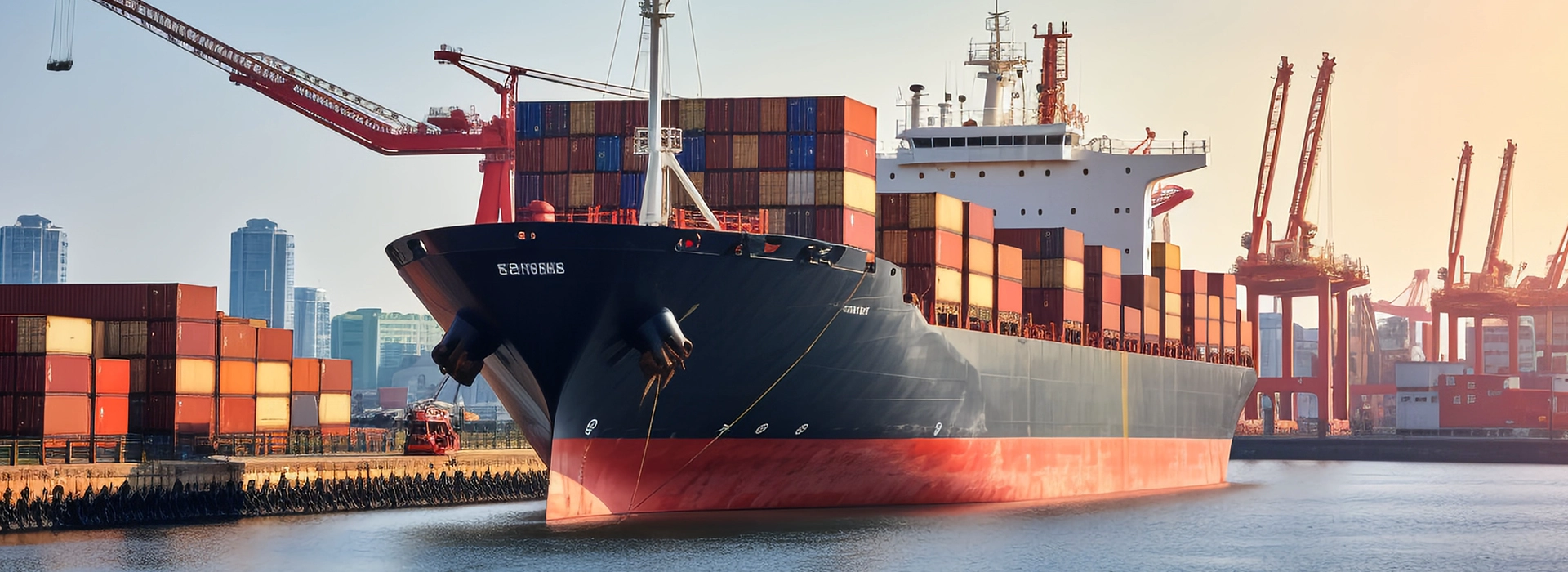
The latest data from the Philippine Ports Authority (PPA) shows that boosted by foreign trade import and export and regional logistics demand, the cargo throughput of major ports across the country has maintained strong growth, and the annual total is expected to exceed the 300 million tons mark. Core hubs such as Manila International Container Terminal have significantly improved turnover efficiency through intelligent dispatch upgrades and berth expansion, providing solid support for the stability of cross-regional supply chains.

1. The throughput of major shipping hubs in the Philippines has continued to grow
The latest operational statistical report released by the Philippine Ports Authority (PPA) shows that freight throughput at major maritime gateway ports across the Philippines has demonstrated strong resilience and growth momentum, driven by the dual drive of international trade and domestic material flow. Thanks to the continued rebound in imports of manufacturing raw materials, construction steel, auto parts and fast-moving consumer goods, as well as the steady shipment of export goods such as electronic manufacturing parts and agricultural products, the total annual cargo throughput of the Philippines' major port groups is expected to exceed the historical mark of 300 million metric tons, further consolidating the Philippines' node position in Southeast Asia's maritime trade network.
Port officials pointed out that the route network between the Philippines and major trading partners in East Asia, North America and Europe has been operating smoothly so far this year. The port berth utilization rate of regional distribution centers such as the core port area of Luzon, Visayas and Mindanao has reached the high-efficiency operation range, providing a smooth logistics lifeline for the smooth operation of the country's macroeconomics.
2. Infrastructure expansion and accelerated digital transformation of container terminals
In order to cope with the concentrated port arrival pressure during the peak cargo season and eliminate potential port congestion hazards, core hubs represented by the Manila International Container Terminal (MICT), Manila South Harbor and Batangas Port (Batangas) have accelerated the modernization and upgrade of software and hardware. International terminal operators continue to introduce large-load quay cranes (Quay Crane), expand yard capacity, and upgrade automated gate systems (Automated Gate System), which greatly improves the efficiency of truck entry and exit and container turnover rate.
In terms of digitalization, the entire Philippine port system has fully implemented electronic bills of lading, electronic delivery orders (e-DO) and online fee settlement platforms, which have greatly reduced the circulation and manual verification of traditional paper documents. By deeply integrating the real-time dynamics of ships with the terminal operating system (TOS), the average berthing and operating time of ships at the main berths has been significantly reduced, effectively reducing the risk of port detention during typhoon-prone seasons and logistics peak periods during holidays.
3. Coordinated development of regional secondary ports and improvement of the archipelago’s multimodal transport network
In addition to the Metro Manila Capital Region, the container throughput and roll-on/roll-off (Ro-Ro) of regional hub ports such as Cebu Port, Sasa Port, Davao, and Cagayan de Oro have also maintained rapid growth. The densification of inter-island barge branch lines and land-island intermodal transportation system has effectively promoted the efficient connection between remote agricultural production bases and metropolitan consumer terminals.
The improvement of secondary port logistics infrastructure has not only alleviated the pressure on the Manila port area, but also attracted multinational freight forwarders and third-party logistics companies to establish bonded distribution centers and regional consolidation warehouses on major islands, building an efficient multimodal transport distribution network covering the entire island, and reducing the comprehensive logistics cost of cross-island distribution.
4. Customs facilitation measures and optimization of customs clearance compliance processes
The Philippine Bureau of Customs (BOC) works closely with the Port Authority, relying on non-intrusive container security scanning, advance declaration systems and intelligent risk management modules to greatly increase the speed of releasing compliant goods while strictly supervising.
Catalyzed by the policy dividends of regional free trade agreements, the foreign trade import process has become more transparent and standardized. For cross-border foreign trade companies that adopt trade terms such as Delivery Duty Paid (DDP) or Delivery at Place (DAP), standardized customs valuation guidelines and an open and transparent miscellaneous fee structure at the port of destination have effectively reduced the risk of additional storage and demurrage caused by non-compliance of documents.
5. Industry Outlook and Logistics Operation Suggestions
Looking forward to the future, the Philippine maritime logistics market will maintain a stable growth trend driven by port infrastructure and regional trade integration. However, cross-border cargo owners and logistics practitioners still need to pay close attention to the potential disruption to shipping schedules caused by fluctuations in international fuel surcharges, exchange rate changes, and extreme tropical weather.