



- Browse Categories
- Air Freight
- Sea Freight
- Contact Us
-
TEL:+86-755-25643417
Fax: +86 755 25431456
Address:Room 806, Block B, Rongde Times Square, Henggang Street, Longgang District, Shenzhen, China
Postcode: 518115
E-mail: sales1@swwlogistics.com.cn Contact Now
- Logistics Services



- News CenterMore>>
-
- The Philippines PPA releases the latest port data: cargo volume has grown steadily, and the Port of Manila has implemented a number of coordinated governance measures
- The Philippine Ports Authority released fourth-quarter freight relief measures: Manila Port yard utilization dropped to 68%
- Manila Port Collaborative Governance: AISL and ICTSI join forces to rectify overdue heavy containers to relieve yard pressure
- The Philippine Ports Authority released data for the first half of 2026: foreign trade exports increased by 17.4%
- The cargo throughput of Philippine ports continues to rise, and foreign trade freight and terminal intelligence are working together
- Latest data from the Philippine Ports Authority: Port cargo volume exceeded 154 million tons in the first half of 2026, and container and foreign trade exports grew steadily
- PPA releases latest data for 2026: Philippine container throughput is rising steadily, and maritime trade continues to expand
- The Philippine Ports Authority released the latest data: cargo throughput exceeded 154 million tons in the first half of the year
- PPA releases latest data: Philippine port cargo volume reached 154 million tons in the first half of 2026
- Strong foreign trade freight: Philippine port cargo volume increased by 4.39% year-on-year in the second quarter
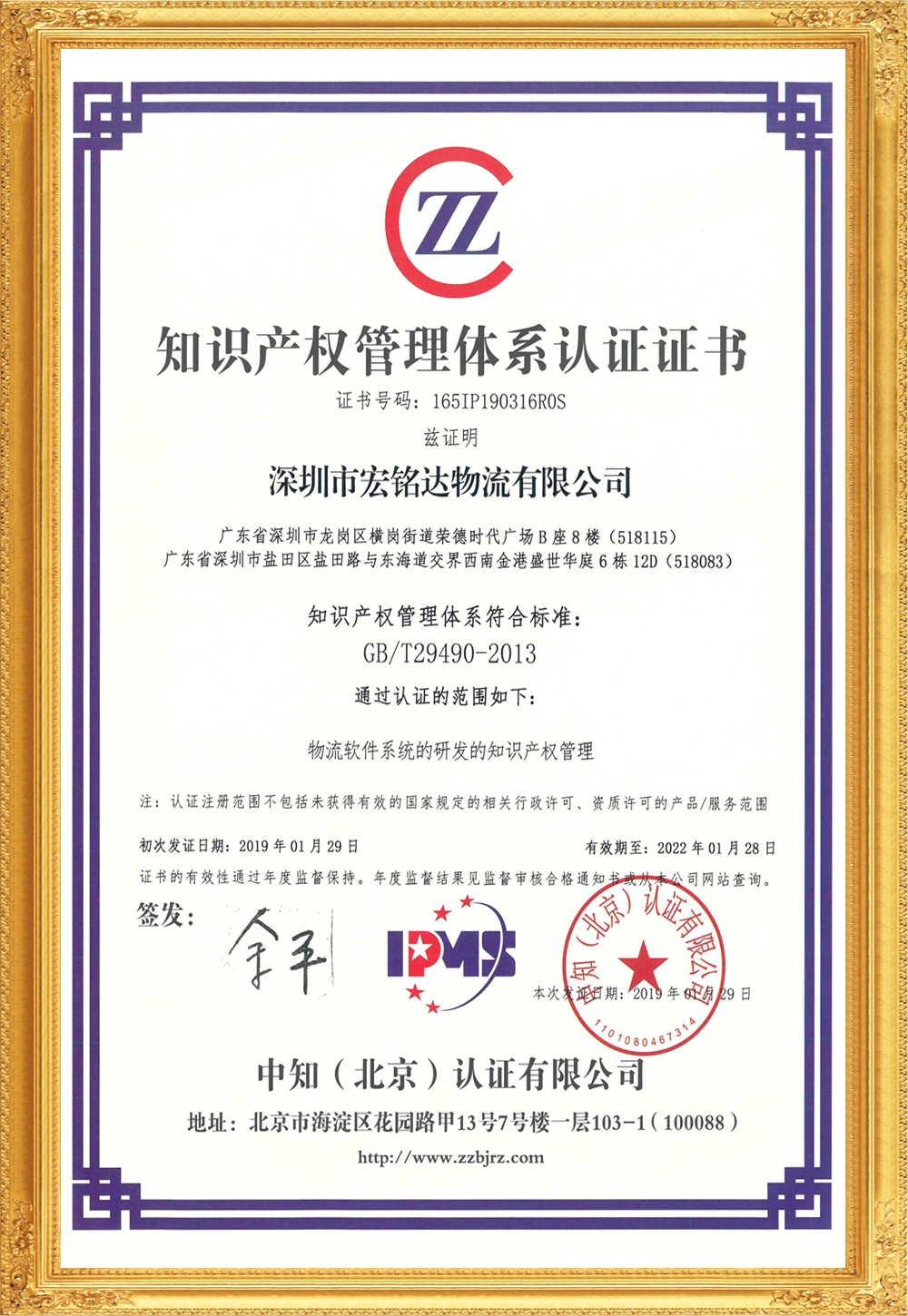
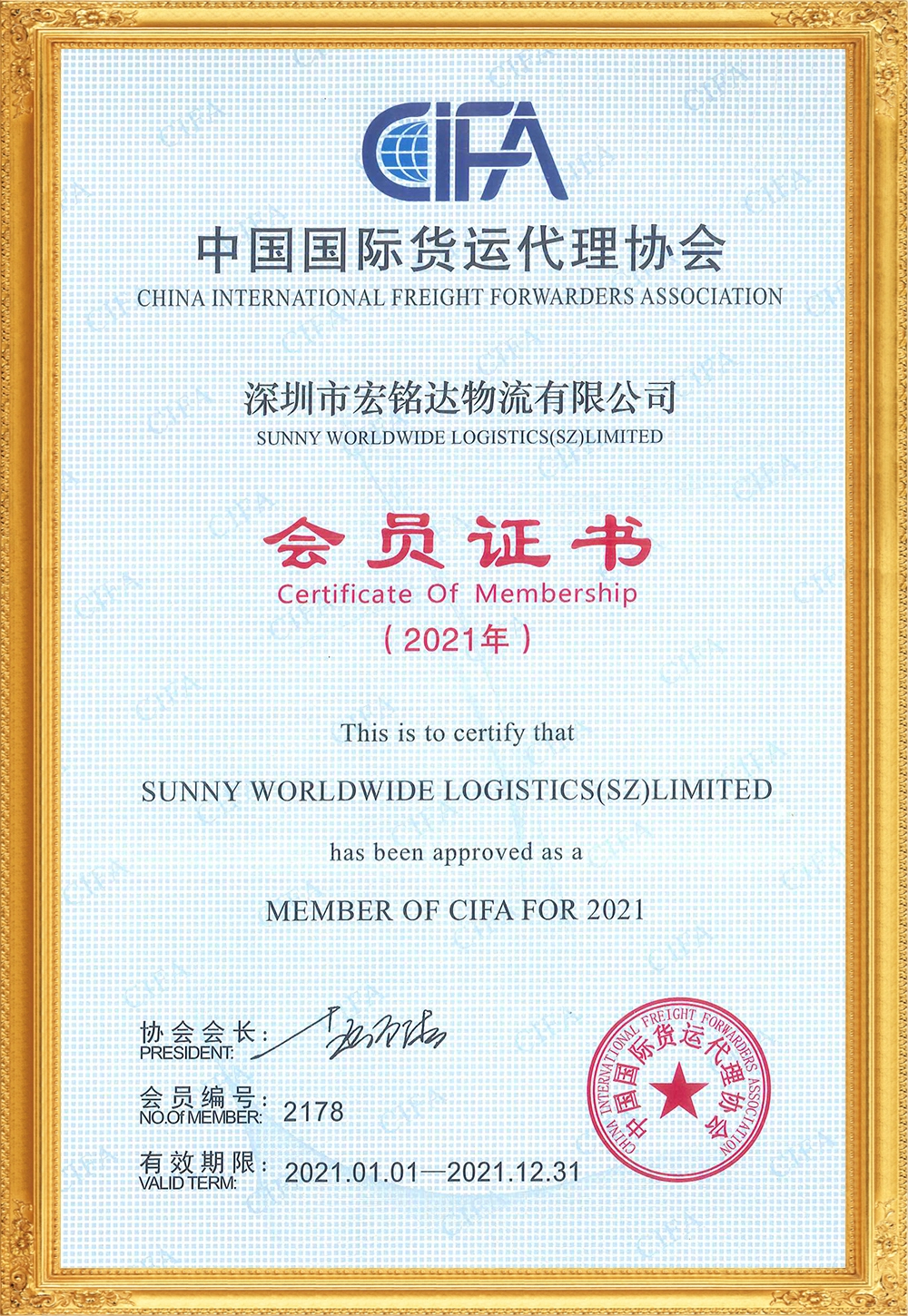
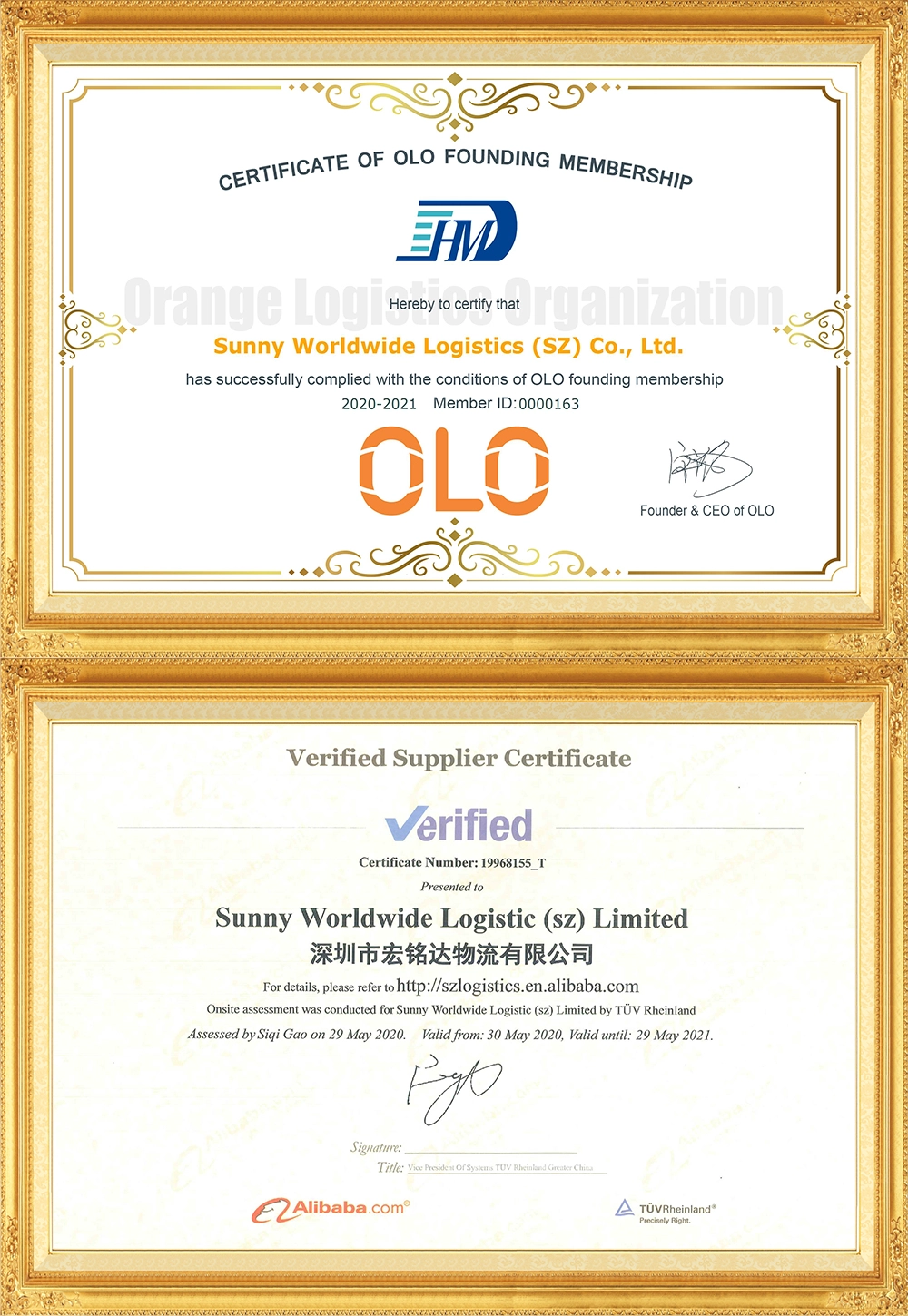
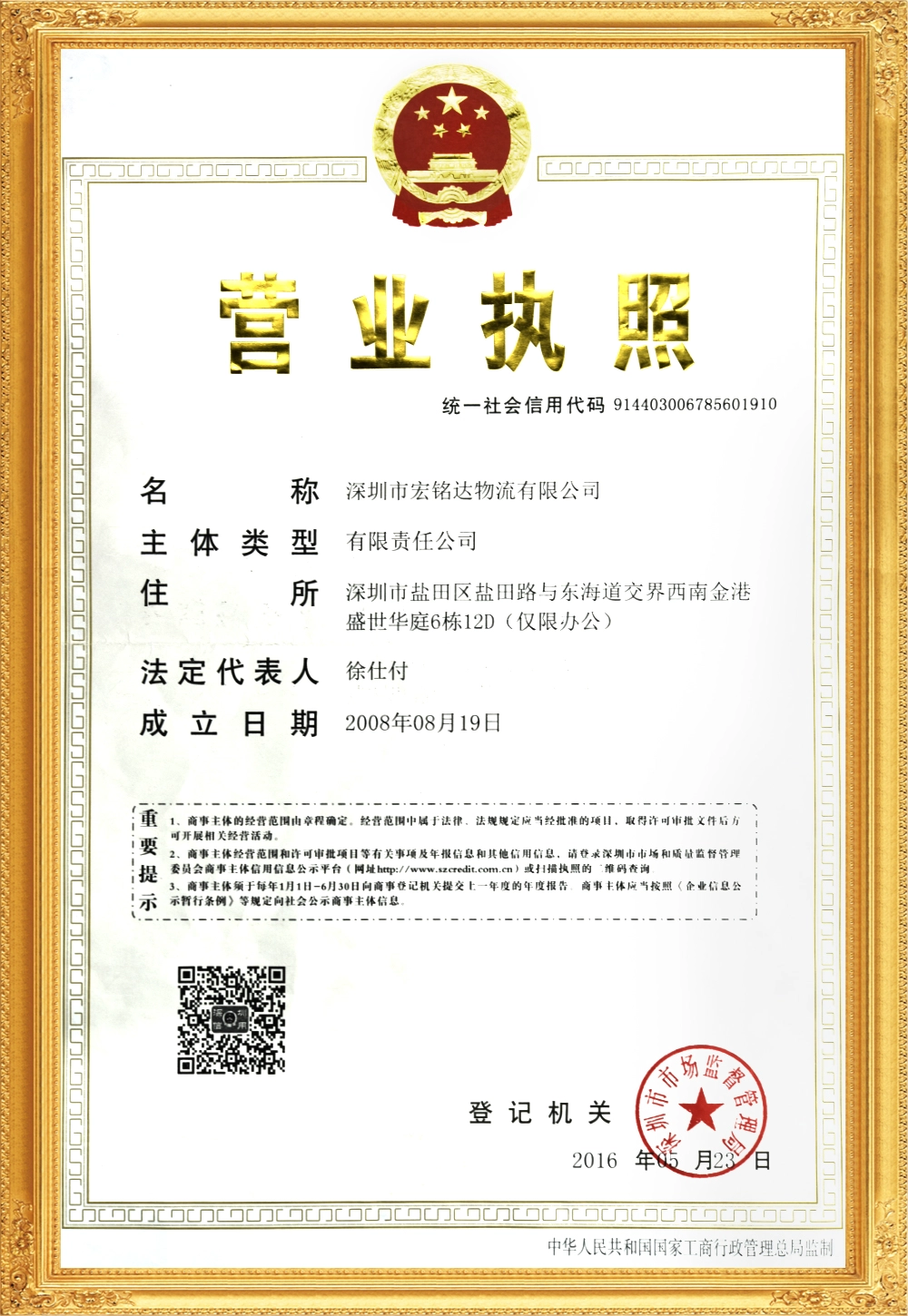
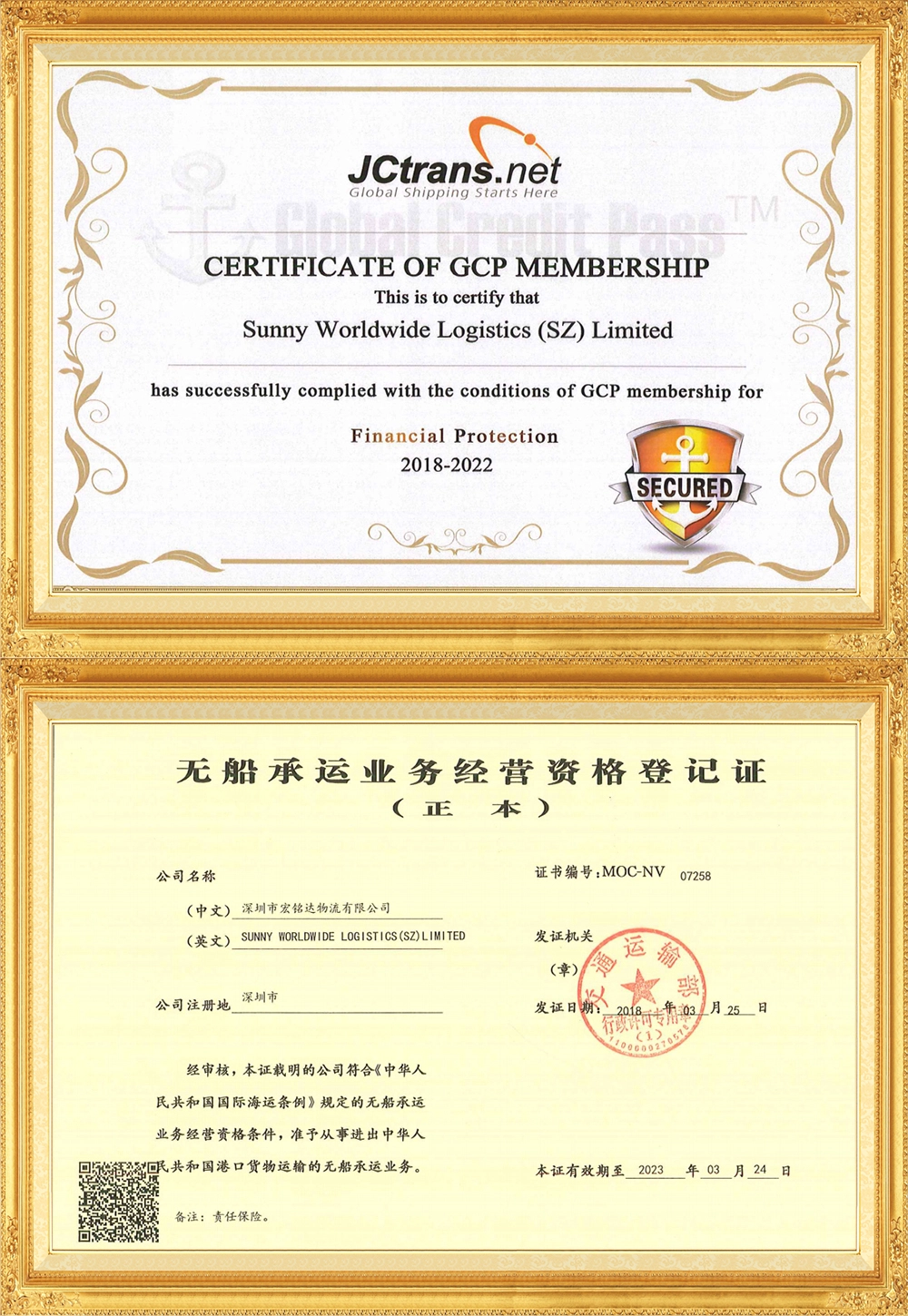
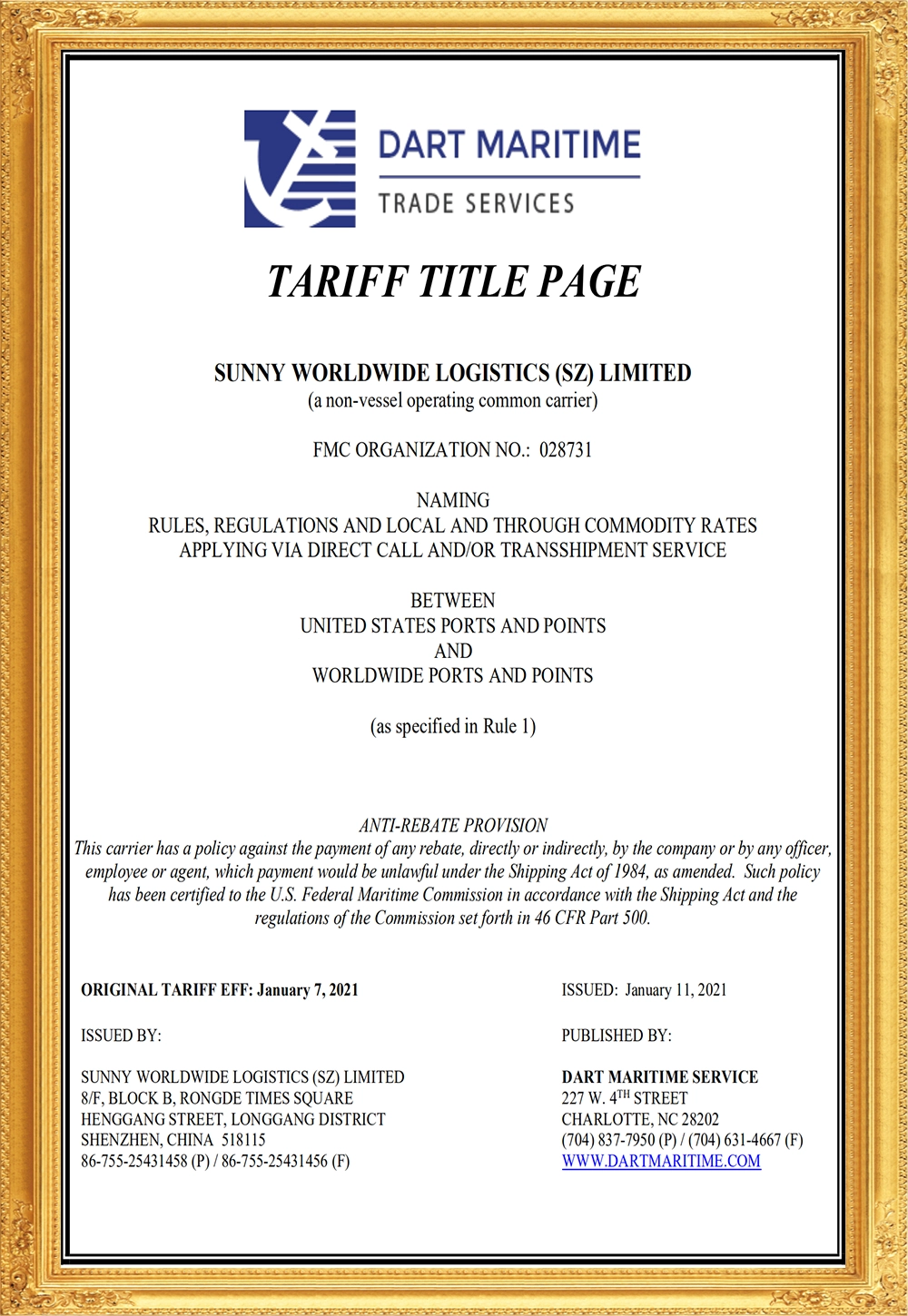
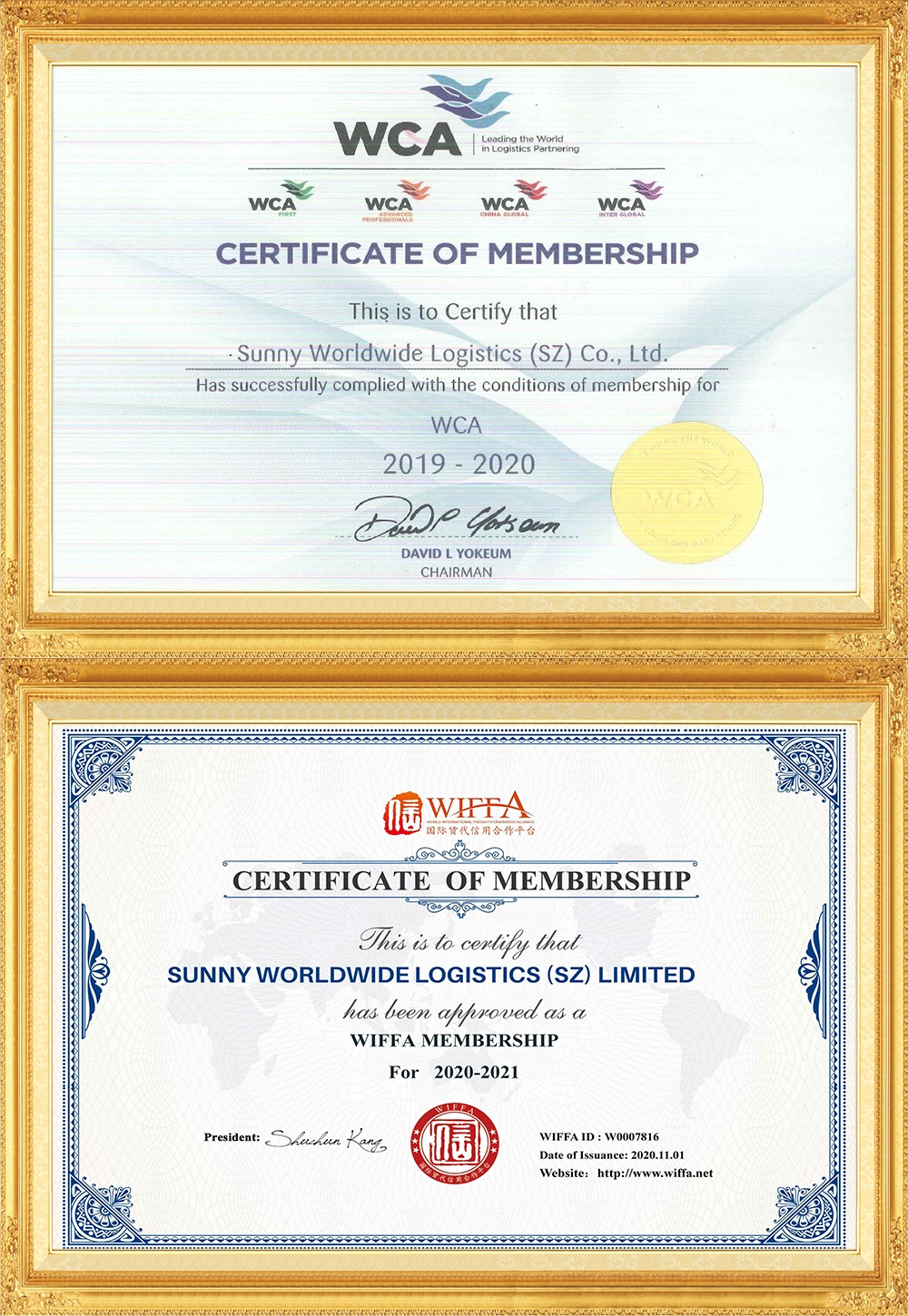
- Certifications
-



- Follow us
- Subscribe
-
Get email updates on new products
Import VAT and Duty Calculation Philippines | DDP Cost Explained
- Place of Origin | China
- Departure Country/Region | CHINA (Guangzhou / Shenzhen / Shanghai)
- Destination Country/Region | PH (Philippines - Manila, Cebu, Davao)
- Transit Time (Days) | Sea: 15 Days (Manila) / 25 Days (Cebu & Davao); Air: 3-5 Days
- Shipping Method | DDP Door to Door (Sea FCL & LCL, Air Freight)
- Cargo Type | General cargo - any commodity with a valid HS code
Two importers bring in the same product, in the same quantity, on the same vessel, and pay different amounts at the port. Nothing is wrong with either declaration. The difference is the value the duty was computed on, and whether the freight and insurance were included in it.
Sunny Worldwide Logistics has cleared cargo into the Philippines for more than 20 years. We are a forwarder, not tax counsel, and the assessment belongs to the Bureau of Customs — but we can show you how the number is built, because most surprises on a landed cost sheet come from a missing input rather than a wrong rate.
Why Identical Goods Produce Different Duty
Duty is not charged on what you paid the factory. It is charged on the customs value, and the customs value includes the cost of getting the goods to the Philippine port. Freight and insurance are part of the base. An importer who budgets duty on the FOB price has simply left two line items out of the calculation.
The second variable is classification. The same item declared under two different HS codes can attract two different rates, and the code is not a matter of preference — it follows the product's description and composition.
The Three Numbers Behind a DDP Quote
Dutiable value
The CIF value: goods, plus freight, plus insurance, converted to pesos at the applicable rate. This is the base everything else is computed on, which is why a cheap freight rate lowers the duty as well as the transport cost, and an expensive one raises both.
Customs duty
The CIF value multiplied by the rate attached to your HS code, plus any excise tax where the product attracts one. This is the only part of the calculation that is genuinely product-specific.
VAT on the landed cost
Philippine import VAT is charged at 12% of the total landed cost — the dutiable value plus customs duty plus excise tax where applicable. The Bureau of Customs publishes the formula on its own estimator, and the detail that catches importers out is that VAT is computed after duty, not on the CIF value alone.
Read the three together and the common mistake becomes obvious: people compare a freight rate with a DDP figure and conclude the forwarder is expensive. The freight rate has no duty, no VAT and no delivery in it.
Where the Calculation Goes Wrong
- Duty budgeted on FOB. Freight and insurance belong in the base; leaving them out understates the duty and the VAT that follows it.
- One HS code for a mixed container. A shipment of several products needs several classifications, and averaging them invents a rate that does not exist.
- VAT treated as a cost. For a VAT-registered importer it is generally creditable, so the cash-flow question and the cost question are different questions. Confirm your own position with your accountant.
- Valuation adjusted to shrink the bill. A declared value below the transaction value is a liability that follows the shipment, not the forwarder.
- Ignoring the small-shipment rules. Below the de minimis threshold the duty question may not arise at all.
What Documents Fix the Number
Commercial invoice
An accurate description, unit price, quantity and terms of sale. Vague descriptions invite a valuation query, and a query costs time whether or not it ends in your favour.
Packing list and HS code
Carton counts, dimensions and gross weights, with the classification you believe applies. If you do not have a code, tell us the product composition and we will flag where the classification needs to be settled before shipment.
The small-shipment path
Goods with an FOB or FCA value of PHP 10,000 or below are not subject to duties and taxes, and commercial goods below PHP 50,000 are processed as informal entry under Section 423 of the Customs Modernization and Tariff Act. Our guide to the Philippines BOC de minimis rules covers the thresholds.
How DDP Turns a Formula into One Figure
Under DDP we carry the whole chain: collection, export declaration, freight, import clearance, the assessed duties and taxes, and delivery. The duty and VAT are computed the same way they would be on your own entry — the difference is that we pay them and you receive one number in advance.
That is not a discount on the tax. It is a transfer of the timing and the administrative work, and it removes the two most common post-arrival surprises: a duty bill larger than budgeted, and a delivery held until it is settled.
How the shipment moves
We collect from your suppliers with our own trucking fleet at the Shenzhen and Guangzhou ports and consolidate at our warehouse against your packing list. The sequence is on our service flow page. Sea freight runs about 15 days door to door to Manila and about 25 days to Cebu or Davao; air freight runs 3 to 5 working days.
On arrival we clear the shipment and pay the assessment, with clearance typically running 1 to 2 days ahead of the industry average, then deliver free within 30km of the Metro or downtown area.
Why Shippers Choose Sunny Worldwide Logistics
We have run this lane for more than 20 years, through every change in Philippine import rules, which is why a classification or valuation question gets raised at quotation stage rather than at the port.
We own the first mile. Our own trucking fleet operates at the Shenzhen and Guangzhou ports. NVOCC and FMC registered, and members of the Worldwide Cargo Alliance, CIFA, JCTRANS, WIFFA, FUDA, SZSSA and OLO.
Every inquiry gets at least three routing or consolidation options, designed to save clients at least 5% against their current arrangement. Optional cargo insurance is available, and our Manila DDP shipping service is quoted as a single landed figure.
Frequently Asked Questions
Is the 12% VAT included in a DDP price?
Yes. A DDP quotation covers the assessed duties and taxes, including import VAT, and the delivery leg. What it does not cover is anything arising from an inaccurate declaration.
Can I estimate my duty before shipping?
Yes, once you have the HS code and the CIF value. Without the code any estimate is a guess dressed as a number, which is why we ask for the product composition first.
Does a lower freight rate reduce my duty?
It does, because duty is computed on CIF and freight is part of CIF. That is also why an unusually cheap freight quote deserves a second look at what it excludes.
Send us the product, the HS code if you have one, and the declared value, and you will get a DDP figure with the duty and VAT already inside it. Contact Sunny Worldwide Logistics — we would rather explain the arithmetic than defend an invoice.
Tel:+86 13534256878
Wechat:+86 13534256878
Contact Person:Mavis

- Other Products