

















Shipping Guide for China’s Exports to the Philippines|Introduction to the Five Major Ports + Essentials of Customs Clearance explained in one go
As an important trading country in Southeast Asia, the Philippines consists of more than 7,000 islands and is one of the important markets for Chinese companies exporting to Southeast Asia.
In recent years, as furniture, building materials, machinery and equipment, hardware accessories, lamps, home appliances and cross-border e-commerce products have continued to enter the Philippine market, the demand for shipping from China to the Philippines has also continued to grow.
Today, we will learn about the most commonly used ports when China exports to the Philippines, as well as the issues that need to be paid attention to during the customs clearance process.
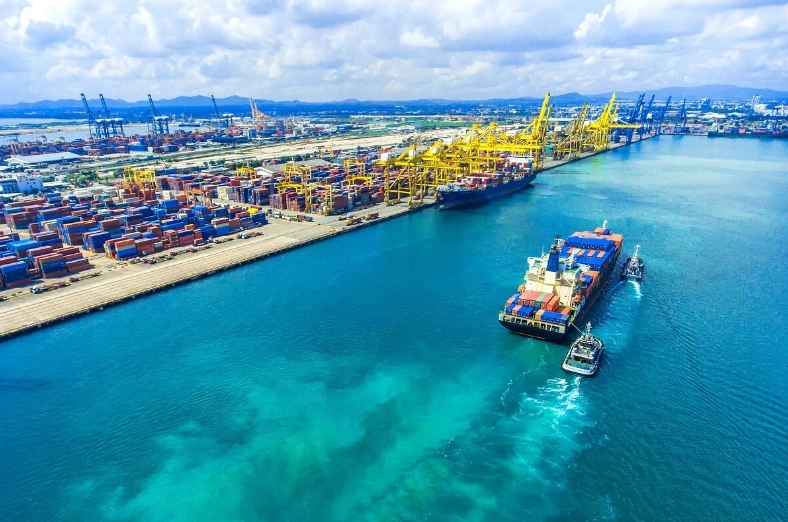
1. Introduction to major ports in the Philippines
1.Port of Manila
The Port of Manila is located in Manila Bay in the west of Luzon Island. It is the largest international port in the Philippines and the most important container port in the country.
More than half of the Philippines’ international trade goods are imported and exported through the Port of Manila. Therefore, whether it is full container load (FCL) or less than container load (LCL), Manila is the most commonly chosen destination port for domestic export companies.
The port has complete container terminals, bulk cargo terminals and modern logistics facilities. It has dense international routes and stable shipping schedules. It can cover major ports in China, such as Shenzhen, Guangzhou, Xiamen, Ningbo, Shanghai, Qingdao and Tianjin.
If the consignee is located in Manila and surrounding areas of Luzon Island, choosing Manila Port is usually the lowest transportation cost and fastest solution.
2. Port of Cebu
Cebu Port is located on Cebu Island in the central Philippines. It is the second largest port in the Philippines and the most important logistics center in the Visayas Islands.
For customers in Cebu, Bohol, Leyte and surrounding areas, choosing Cebu Port directly can reduce domestic transit transportation in the Philippines and shorten the overall delivery time.
In recent years, more and more Chinese companies have exported goods directly to the Port of Cebu instead of shipping them to Manila first and then arranging domestic transshipment. This not only saves logistics costs, but also reduces the risk of cargo damage and delays during the transshipment process.
3.Port of Davao
Davao Port is located in Mindanao Island in the southern Philippines and is the largest international port in the southern Philippines.
With the development of local manufacturing and agriculture, more and more machinery and equipment, construction materials, factory supporting equipment and consumer goods are imported through the Davao Port.
If the customer is located in the Mindanao region, it is recommended to give priority to Davao Port, which can effectively reduce domestic transportation costs in the Philippines and improve overall logistics efficiency.
4.Port of Bacolod
Bacolod Port is located in the western part of Negros Island and is an important port in the Western Visayas region.
Although the number of international routes is not as abundant as that of Manila and Cebu, for local customers, choosing Bacolod Port can reduce inter-island transportation and improve distribution efficiency.
Some routes may require transit via Manila or Cebu, and the specific transportation plan must be combined with the shipping company's route arrangements.
5. Port of Iloilo
The Port of Iloilo is located on Panay Island and is an important port in the western region of the Philippines.
The port is responsible for the import of a large number of industrial products, building materials and consumer goods, and is also an important node for domestic shipping in the Philippines.
For consignees in Iloilo and surrounding cities, choosing Iloilo Port is more economical than going to Manila first and then transshipping, and it can also effectively shorten the delivery cycle.
2. What customs clearance information is needed for China’s exports to the Philippines?
Maritime imports into the Philippines generally require the following basic documents:
1. Commercial Invoice.
2. Packing List.
3. Bill of Lading.
4. HS Code corresponding to the product.
5. Prepare relevant license or regulatory documents according to product category (if applicable).
In addition, Philippine importers need to have legal import qualifications and complete import declarations in accordance with local customs regulations.
three. What are the precautions for shipping from China to the Philippines?
1. The product name must be true and complete.
The Philippine Customs is strict in reviewing the product names of imported goods.
On commercial invoices and packing lists, it is not recommended to use overly general descriptions such as "Parts", "Accessories", "Gift" and "General Merchandise". Instead, accurate and specific English product names should be filled in. For example, don't just write "Machine", write "CNC Milling Machine"; don't just write "Furniture", write "Wooden Dining Table".
Accurate product names not only help customs classification, but also reduce inspection risks.
2.HS Code should be confirmed in advance.
Philippine Customs uses HS Code as an important basis for taxation and supervision.
If the HS Code is classified incorrectly, it may lead to tax payment, re-declaration, inspection and even delayed delivery of goods.
It is recommended to confirm the product HS Code with the customer before exporting to ensure that the commercial invoice, packing list and customs declaration information are consistent.
3. For LCL shipments, you should know the charges at the destination port in advance.
The Philippines is one of the countries where China exports more LCL business.
For LCL goods, in addition to sea freight, destination port fees such as devanning fees, terminal operating fees, order replacement fees, customs clearance service fees, and warehousing fees will usually be involved after arrival at the port.
Note that most bulk cargo LCL warehouses in the Philippines do not have a warehouse-free period.
It is recommended to confirm the cost-bearing method with the consignee before shipment to avoid cost disputes affecting the delivery of the goods.
4. Wooden packaging should comply with international phytosanitary requirements.
Exports of machinery and equipment, furniture or goods packaged in wooden boxes should use wooden packaging that complies with the International Standard for Phytosanitary Measures (ISPM 15) and bear the IPPC logo.
If the wooden packaging does not meet the requirements, the goods may face the risk of inspection, processing or even return after arriving at the port.
5. Choose the destination port reasonably based on the delivery address.
The Philippines is an archipelagic country, and not all goods are suitable for import through the Port of Manila.
If the consignee is located in the central region, the port of Cebu can be preferred; if the consignee is located in Mindanao, the port of Davao can be selected; if the consignee is located in the Western Visayas region, the port of Bacolod or Iloilo can be selected based on the actual address.
Choosing a port closer to customers can often reduce domestic shipping time and logistics costs in the Philippines.
Conclusion
The Philippine market continues to grow, bringing broad development space for Chinese export companies. However, due to the wide distribution of ports, numerous islands, and obvious regional characteristics of the logistics network, preparing port selection and customs clearance documents before exporting is an important link to ensure the smooth delivery of goods.
If you have shipping needs from China to the Philippines, welcome to communicate with us. We can provide you with more professional shipping and customs clearance suggestions based on your products and destination, so that the goods arrive in the Philippines safely and efficiently.