





New September Trade Rules: US Imposes Up‑to‑100% Tariffs & Global Compliance Updates
In September, a number of new foreign trade regulations were implemented. The United States officially imposed tariffs of up to 100% on some drones and parts, and simultaneously strengthened IOR importer qualification verification. Customs clearance and certification policies in many countries are updated simultaneously. Foreign trade companies need to review product tax numbers, calculate customs duties costs in advance, and prevent the risk of cargo deductions and additional fees at the destination port.
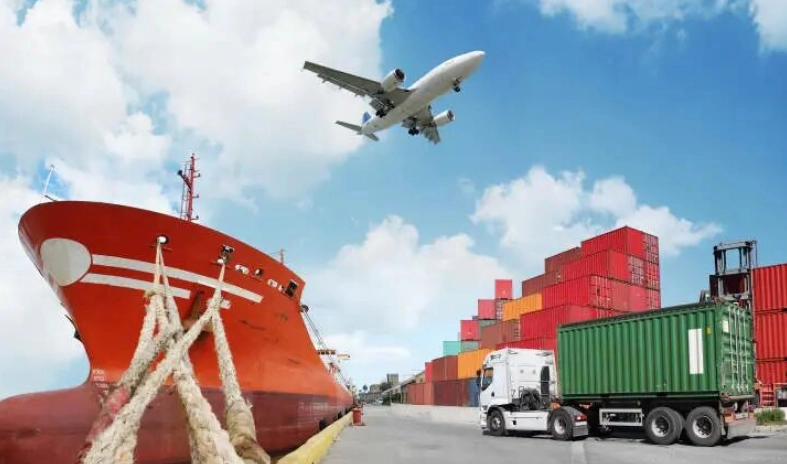
Entering September, many countries and regions around the world have intensively updated their import and export regulatory policies. Tariff adjustments, customs clearance systems, and product compliance requirements have changed simultaneously. Among them, the highest 100% tariff measures introduced by the United States have become the focus of the foreign trade industry and directly affect the quotations, supply chain planning, and order delivery rhythm of many domestic overseas companies.
This time, the U.S. high tariff policy mainly targets drones and their supporting parts. In accordance with the 232 national security provisions, up to 100% import tariffs are levied on drone products with large loads and thermal imaging capabilities. The relevant measures officially came into effect in September. Ordinary small drones also set a 25% gradient tariff. The purpose of this policy is to protect the local industrial chain and reduce the import dependence of key equipment. This tariff can be superimposed on the original 301 series tariffs. Once the product falls into the tax list, the import cost will increase exponentially, and the customs clearance pressure on the consignee will increase significantly. In addition to tariffs, the U.S. Customs has simultaneously tightened the management of IOR importers. Starting from September 18, it will strictly check the validity of IOR qualifications. Information errors and invalid qualifications will directly lead to the invalidation of IOR numbers, and the goods cannot complete customs clearance, resulting in the risk of being detained at the port and being detained. This restricts all containers sent to the United States. Foreign trade companies must remind overseas customers to confirm valid importer information.
Looking around the world, other countries are also updating their foreign trade regulatory rules simultaneously. Canada has introduced counter-tariffs and imposed additional tariffs on tens of billions of dollars of imported goods, affecting the cost of triangular re-export trade; South Africa has implemented PVoC compulsory certification, and high-risk products cannot be cleared without certificates; Vietnam has updated its foreign trade rules, adjusted the catalog of controlled commodities, and optimized the customs clearance process for mechanical and electrical products; Saudi Arabia and Colombia have also updated import registration and product control requirements, and multi-regional compliance thresholds have been raised simultaneously. Domestically, new regulations on electronic documents have been implemented, and electronic bills of lading and electronic waybills have been standardized. Enterprises can make more use of digital documents, but before shipping, they must confirm whether the shipping company, overseas bank, and institution in the destination country accept the electronic version to avoid obstruction in the circulation of documents.
For foreign trade practitioners, this policy change brings multiple practical challenges. First of all, it is necessary to review the product classification, check the HS code of the export product, confirm whether it falls into the new high tariff list of the United States, calculate the tariff cost, and fully reserve tax space during the quotation stage to avoid subsequent cost disputes at the destination port. Secondly, U.S. IOR and ISF declarations can no longer be mere formalities. Overseas consignees must be required to provide true and valid importer qualifications, and do not use third-party invalid IOR numbers for customs clearance.
Companies engaged in the export of drones and related parts will be most directly affected. They need to re-evaluate the feasibility of orders in the U.S. market, adjust their target markets if necessary, and explore other overseas regions. Although ordinary foreign trade companies such as home furnishings, mechanical and electrical products, and consumer goods do not involve 100% tariffs, they must also pay attention to the existing 301 tariffs, MPF, HMF and other fixed fees in the United States, and pay attention to the certification, labeling, and origin declaration requirements of the destination country.
At this stage, overseas policies are changing at a fast pace, and there is still room for subsequent adjustments in some detailed rules. Enterprises should establish a policy tracking mechanism, link up with overseas agents, obtain official announcements in a timely manner, and fully inform customers of tariffs and compliance risks before signing orders. At the same time, the supply chain plan is optimized, and a complete set of tax code review, documentary information, and qualification documents are retained to cope with the changing international trade environment and reduce business risks such as goods deductions, fines, and returns.
Q1: Are you a real freight forwarder or just a middleman agent?
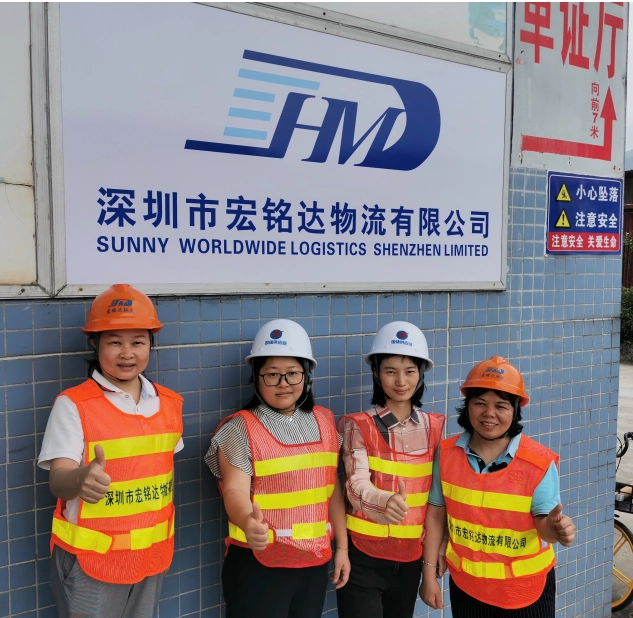
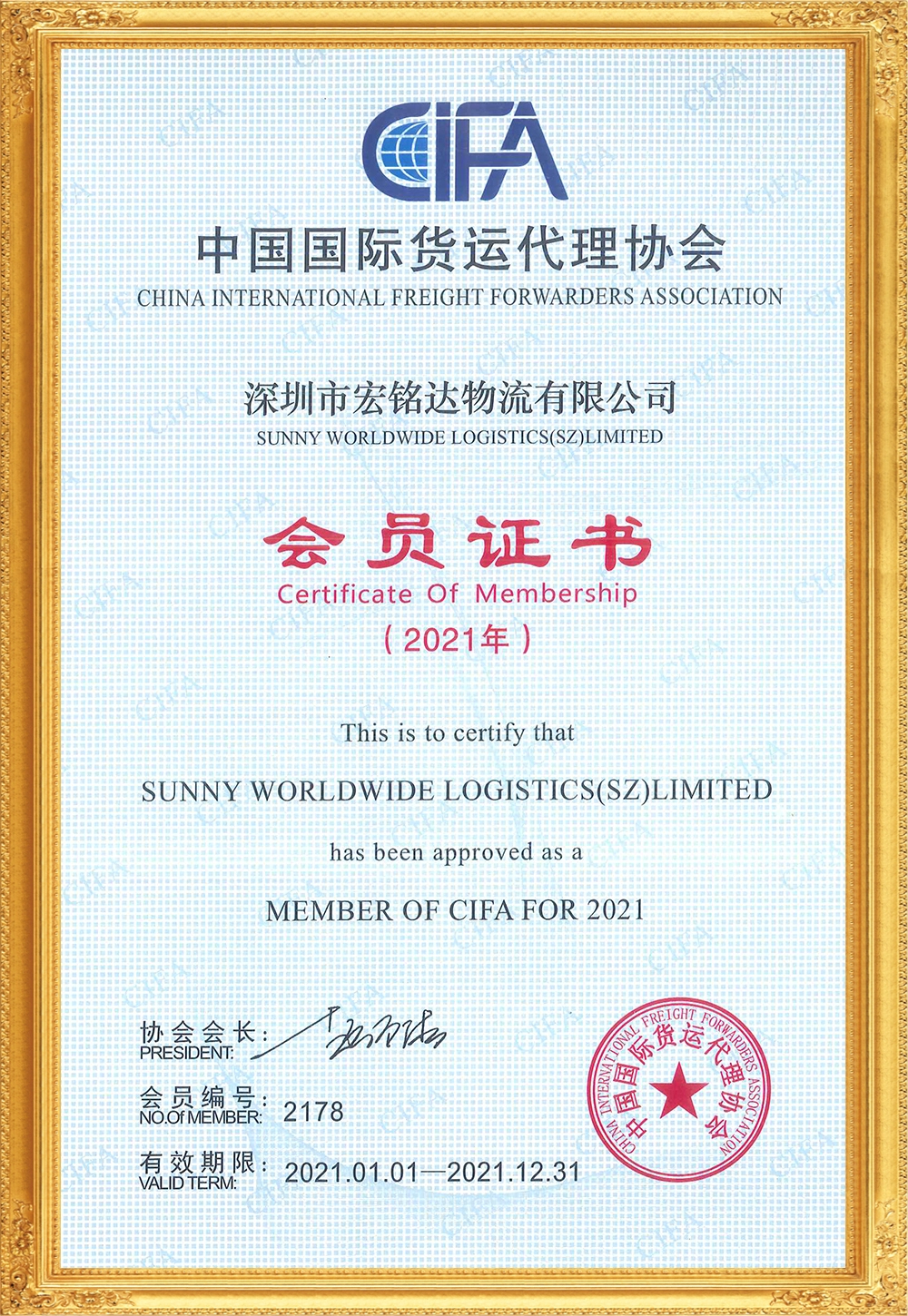
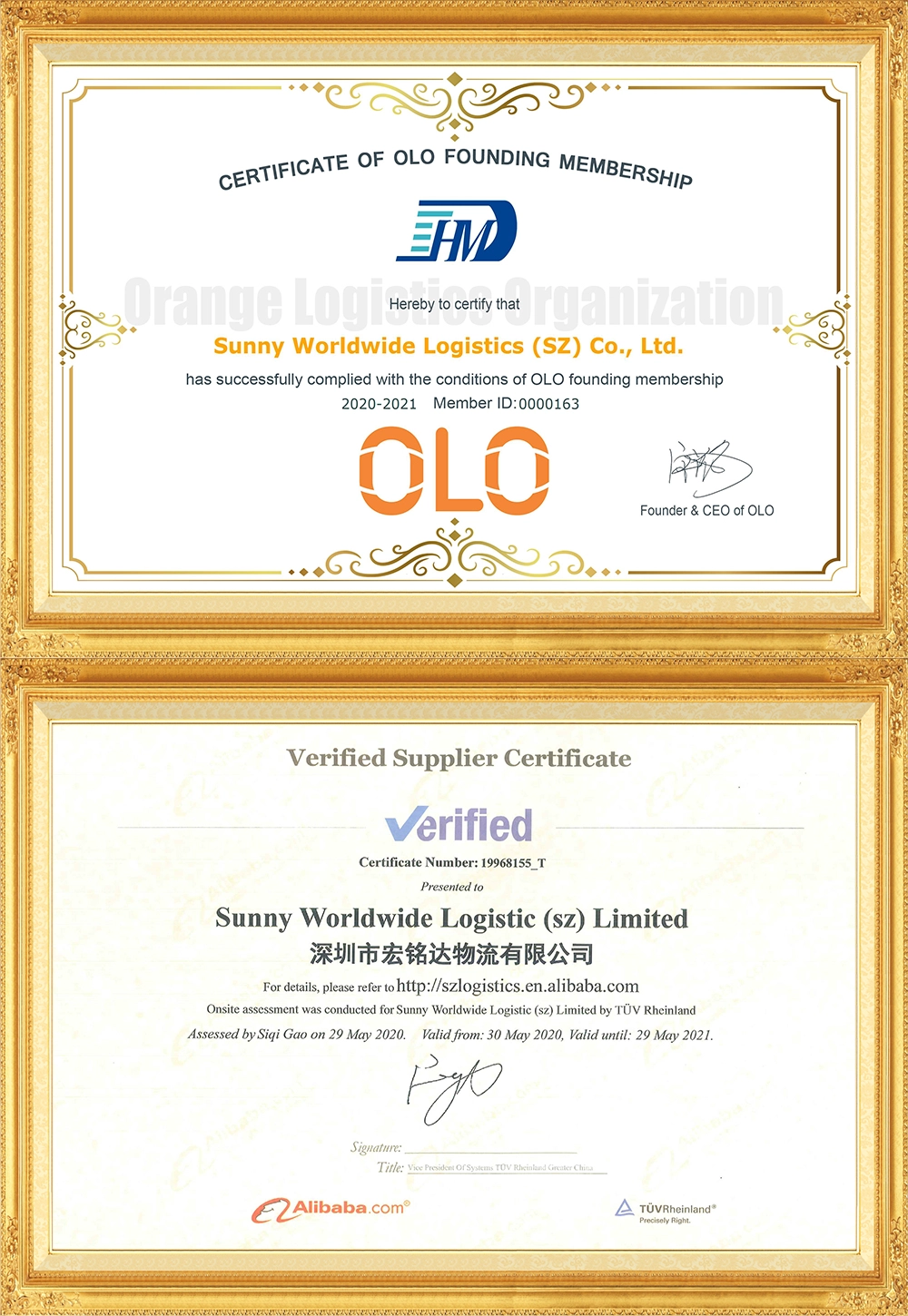
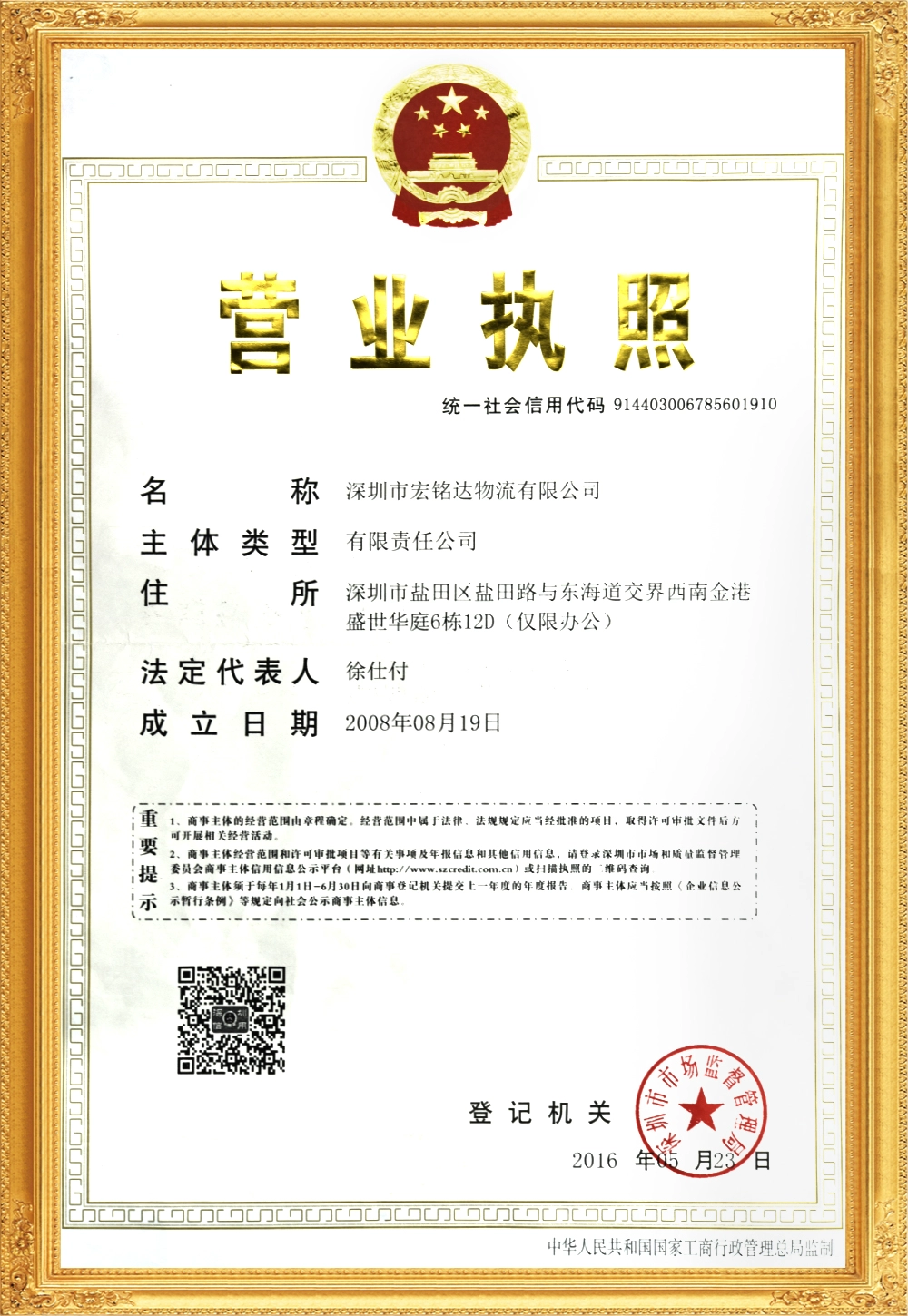
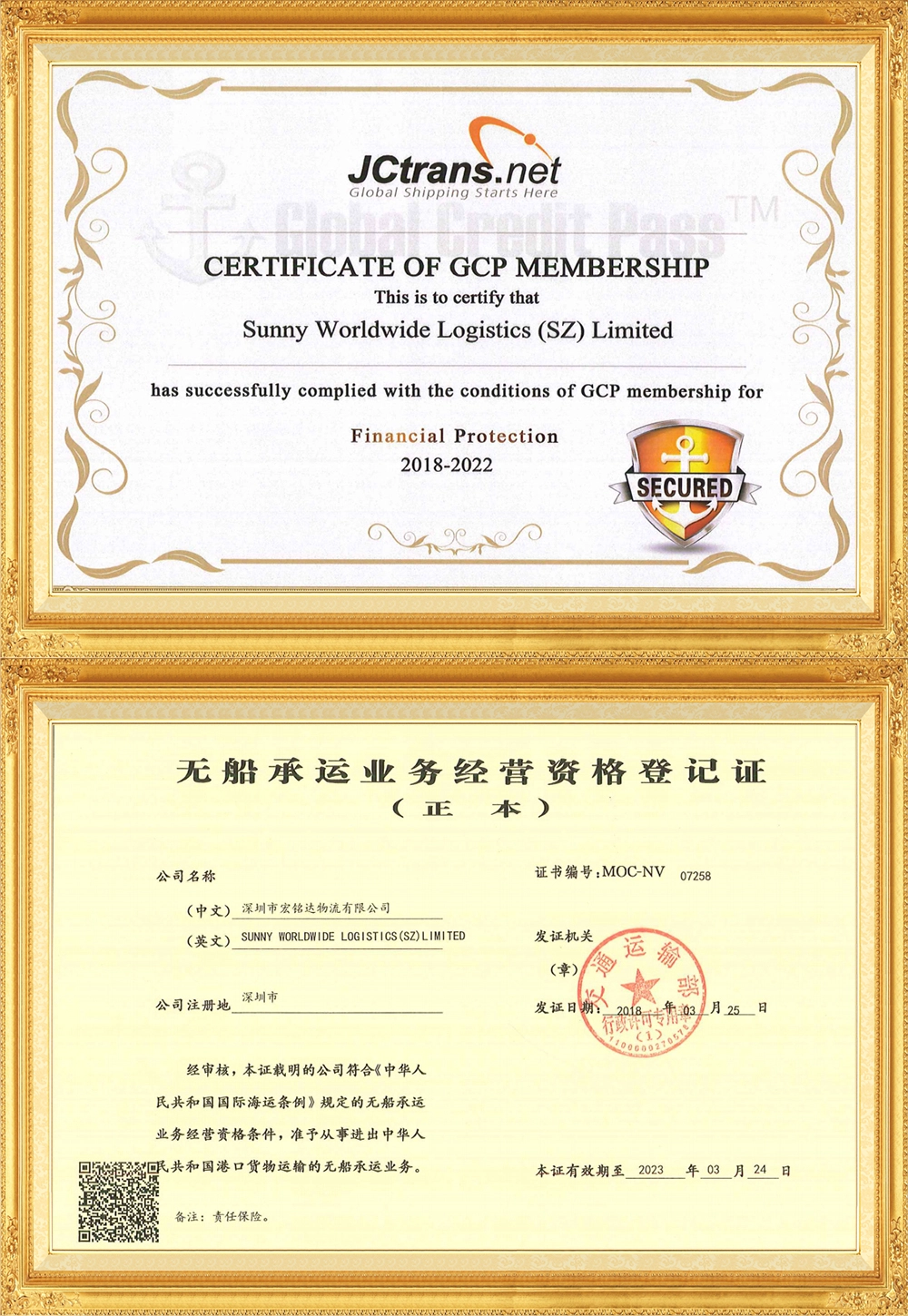
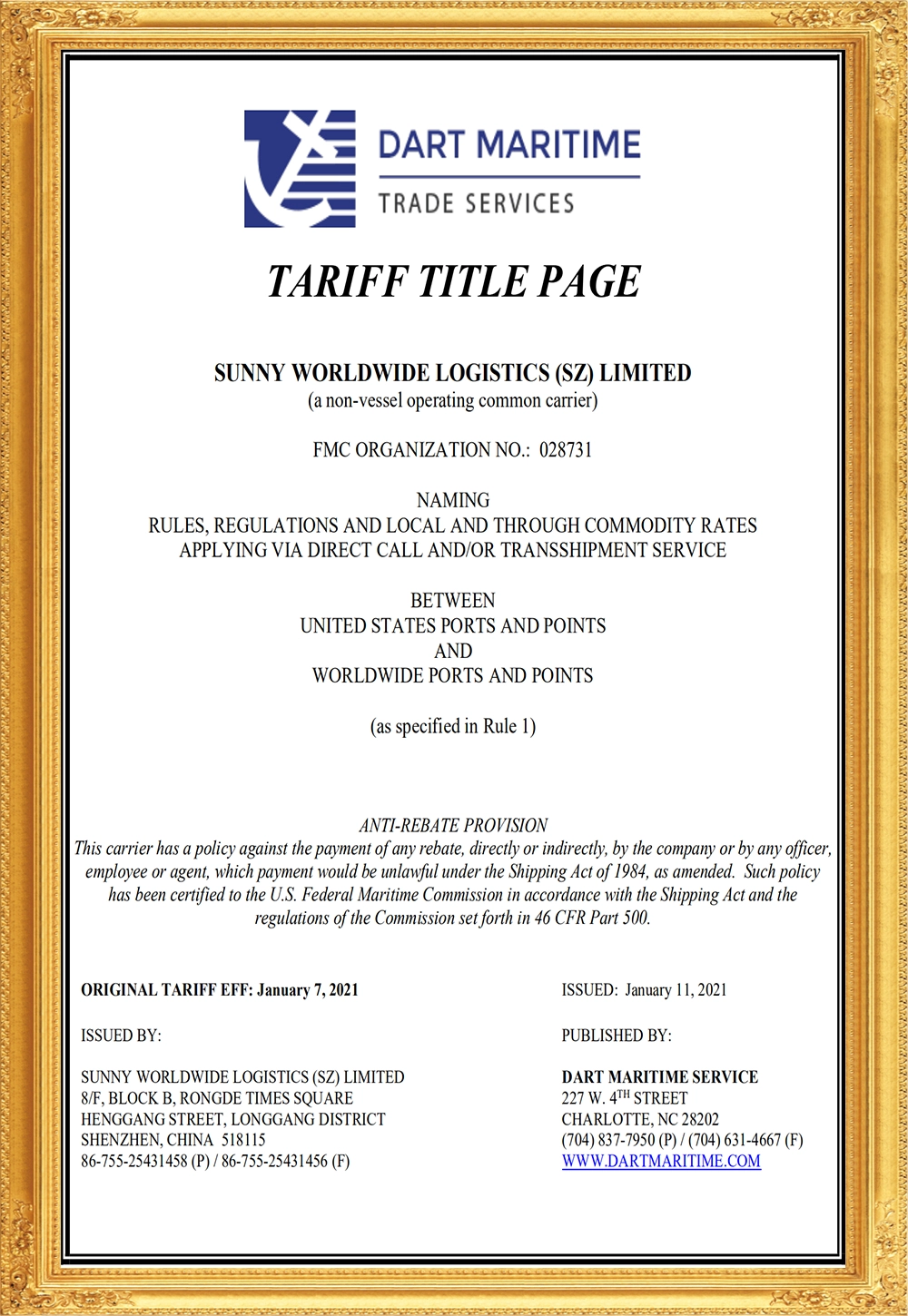
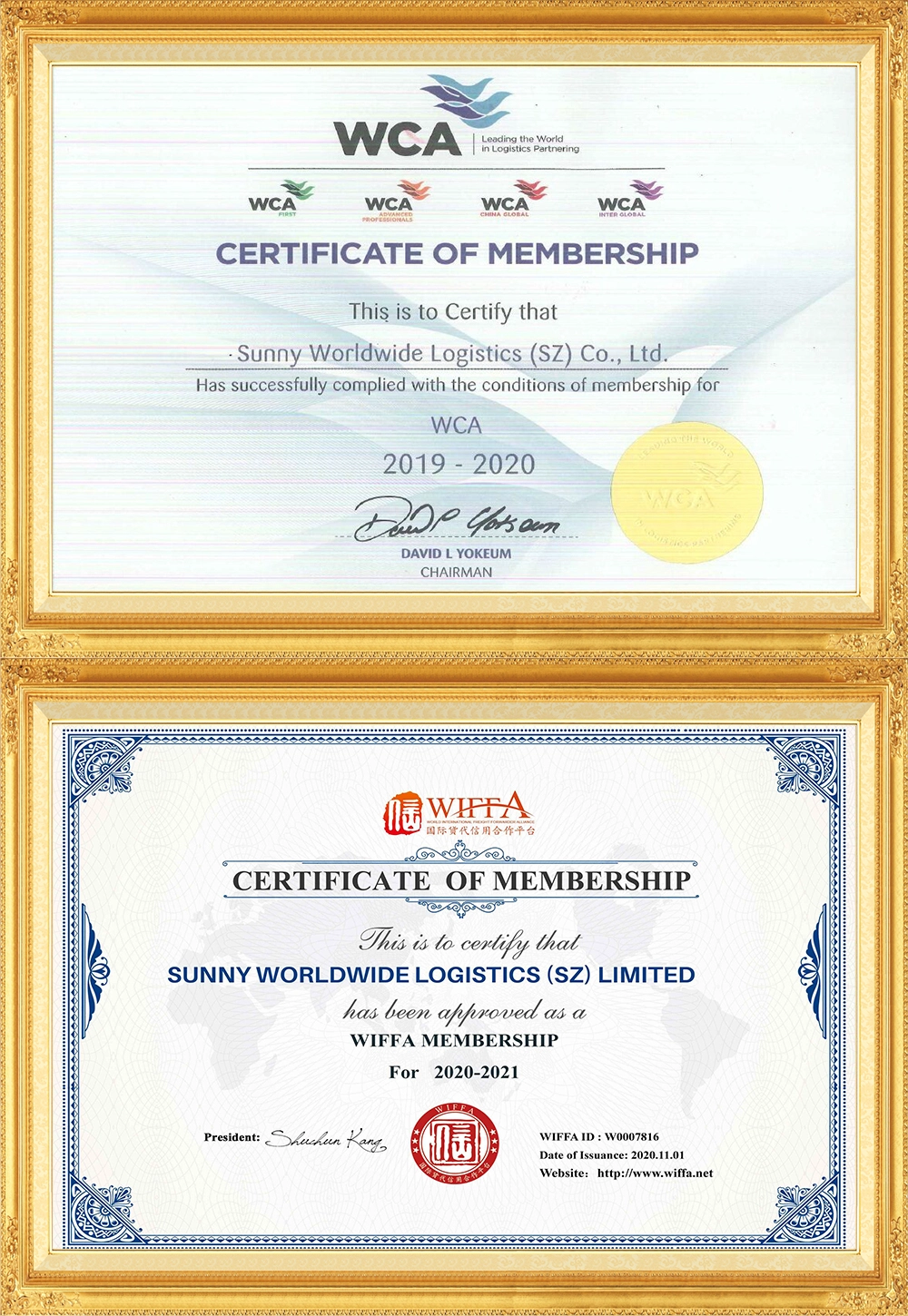
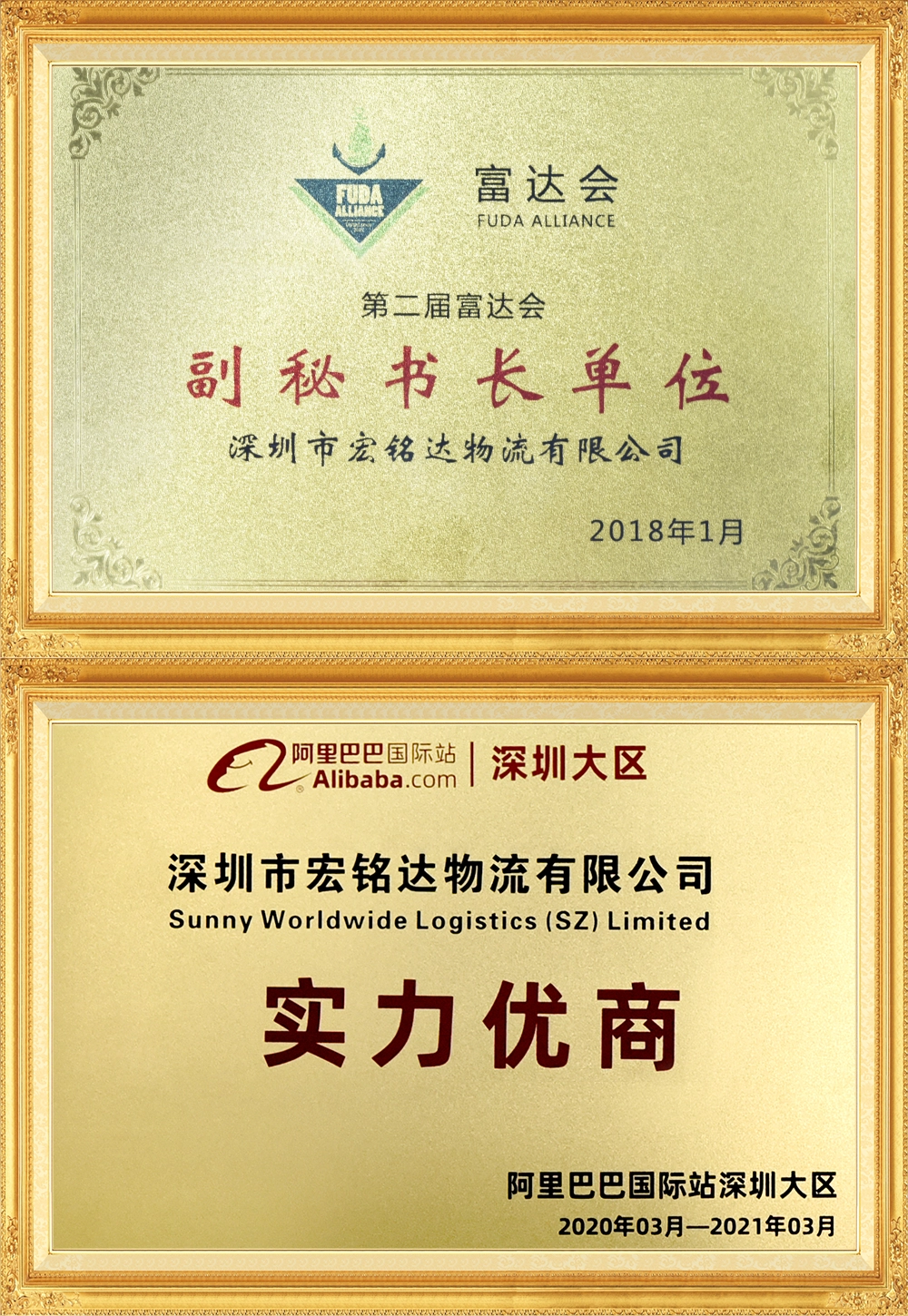
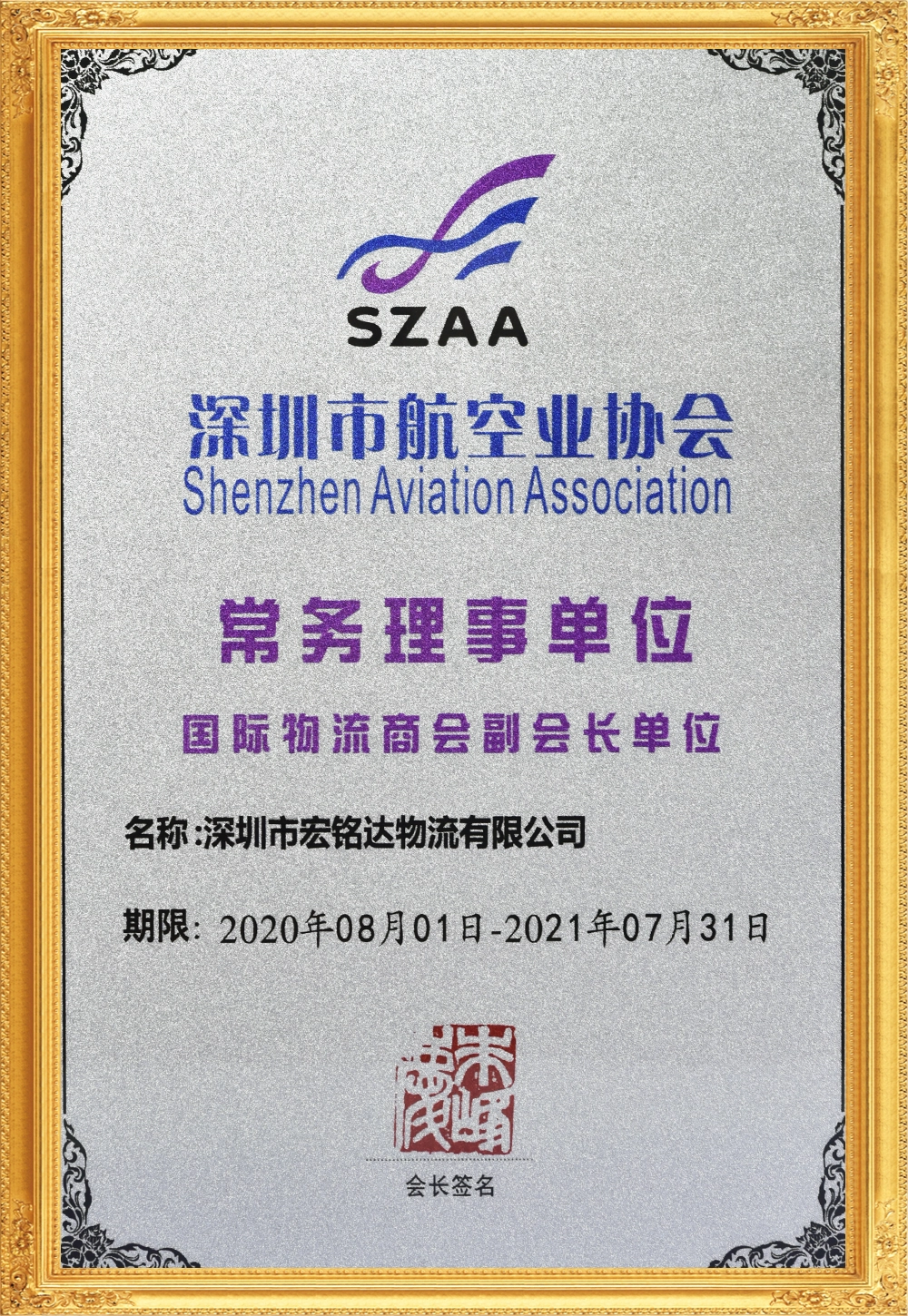
A: We are a direct international freight forwarder, not an agent. Sunny Worldwide Logistics was founded in 1998 — with 27 years in shipping, we know every pitfall in freight and how to avoid them.
Q2: Do you have your own warehouse near the port?
A: Yes. We own an exclusive foreign-trade warehouse at Yantian Port — only 3 companies among 60,000+ forwarders in Shenzhen can say that. Your cargo is stored and loaded in our own facility, not handed to a third party.
Q3: Do you have your own trucks for pickup?
A: Yes, we operate our own fleet of container trucks, available on call — no waiting for outsourced trucking, which makes us one of the fastest in pickup among Shenzhen forwarders.
Q4: How long have you been in freight forwarding? Is your company reliable?
A: Since 1998, 27 years. We own a 1,800㎡ Grade-A office building in Longgang, Shenzhen — few forwarders in the city can match that strength.
Q5: What shipping services do you offer from China?
A: One-stop service: sea freight (FCL/LCL), air freight, railway, land trucking, customs declaration, warehousing, cargo inspection, container loading supervision, fumigation, and cargo insurance.
Q6: Can you pick up goods from my suppliers in Yiwu, Guangzhou or other cities?
A: Yes. We collect cargo from suppliers across China and consolidate it at our warehouse before shipping — with loading photos provided before departure.
Q7: Which countries do you ship to?
A: Worldwide — America, Europe, Australia, Middle East, Africa, Latin America. If there's a port, we can get your cargo there.
Q8: How can I get a shipping quote from China?
A: Send us your cargo details (type, volume/weight, destination) via:
📧 Email: logistics01@swwlogistics.com.cn
💬 WhatsApp/WeChat: +86-15323861694 (Lily)
📞 Tel: 0755-25643421
🌐 Rate inquiry: swwlsrates.com
Q9: Where is your company located? Can I visit your office?
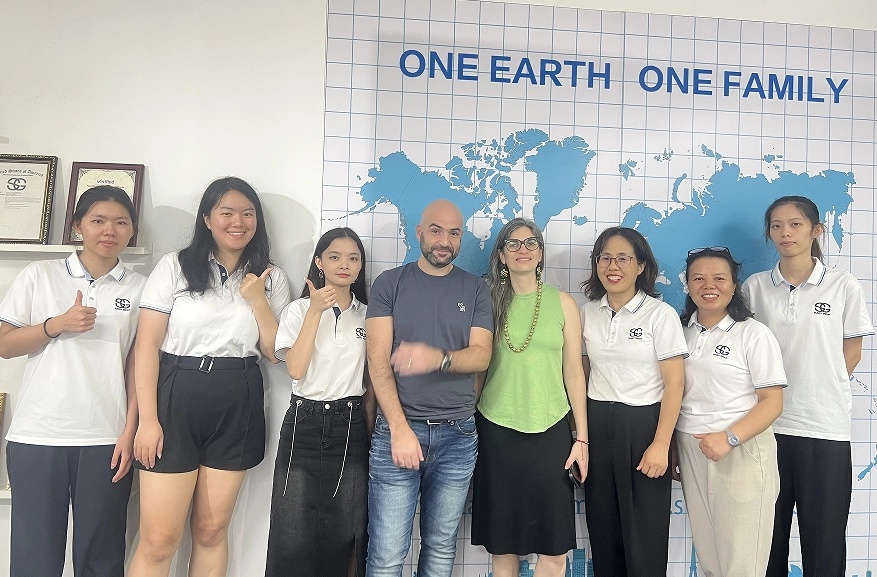
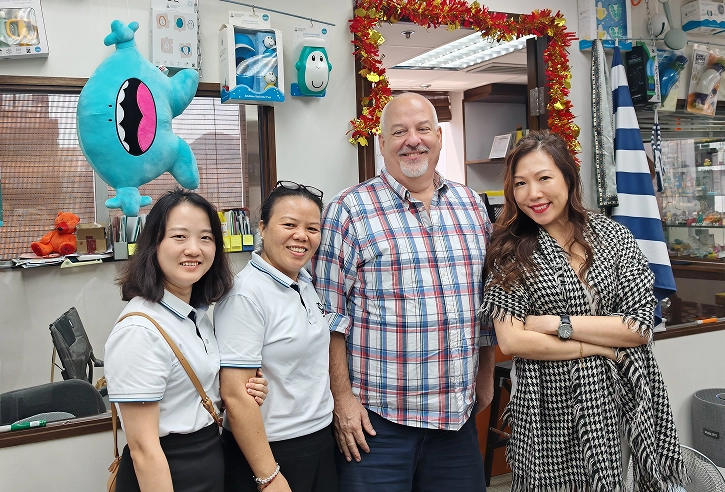
A: 8th Floor, Block B, Rongde Times Square, Henggang, Longgang District, Shenzhen. Clients are welcome to visit.
Q10: Do you have any guarantee if something goes wrong with my shipment?
A: We take full responsibility for every shipment under our control — except force majeure (natural disasters). 27 years of zero-escape reputation backs every booking.