

















Freight Rates Surge! Four Major Trade Lanes Rally Simultaneously as Middle East Tensions Ignite Shipping Market — Used car parts shipping from China to PH
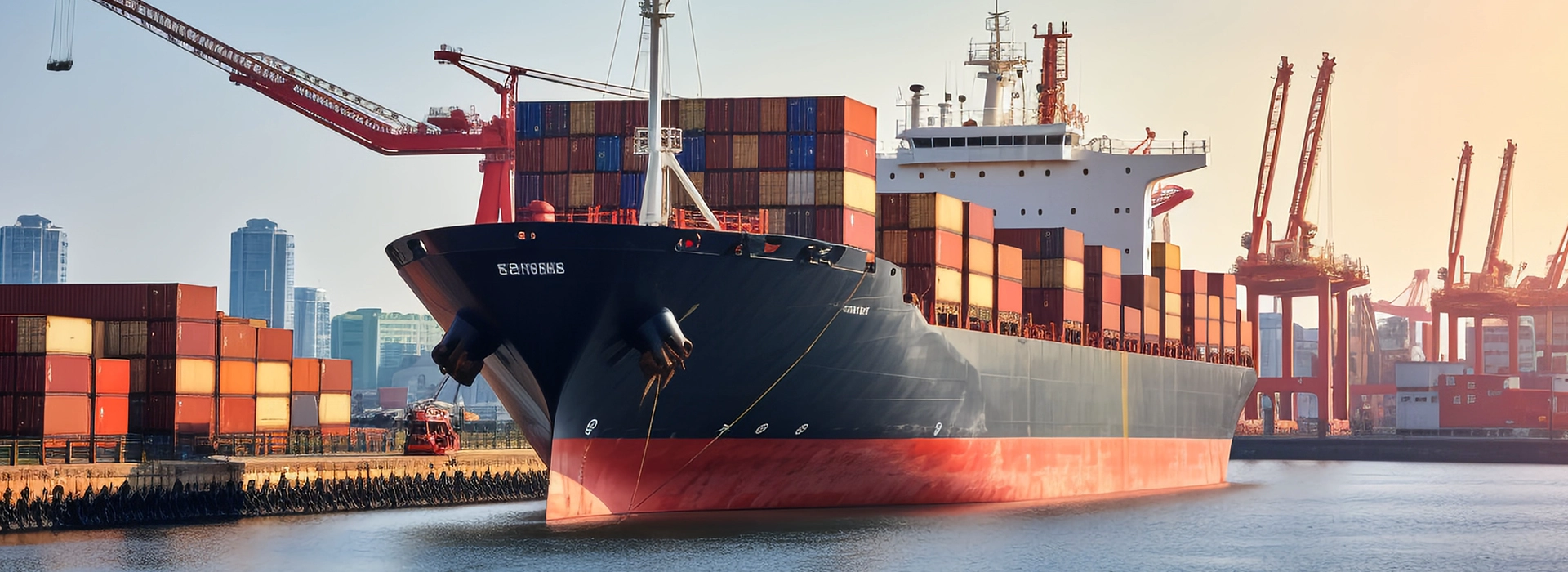
The latest data released by the Shanghai Shipping Exchange shows that global container freight rates are experiencing a strong rebound. On March 7, the Shanghai Export Container Freight Index (SCFI) closed at 1,489.19 points, a sharp increase of 156.08 points from the previous week, with a weekly increase of 11.71%. This is the second consecutive week that the index has maintained an upward trend, and freight rates on the four major ocean routes are all red.
Judging from the performance of specific routes, routes related to the Middle East and Latin America have become the leaders in this round of increases. The freight rate of the Persian Gulf route (Dubai) soared 72.34% in a single week, reaching US,287 per 20-foot container, a net increase of US0 from last week; the South American route (Santos) increased by 61.41%; the Central and South American route (Manzanillo) also increased by 53.37%. Multiple routes rose simultaneously, driving the composite index to rise significantly.
The war in the Middle East affects shipping capacity and market supply continues to tighten
Behind this surge in freight rates is the shipping safety crisis caused by the escalation of the conflict between the United States and Iran. According to industry insiders, the current security situation in the Middle East is highly tense. For the safety of ships and crews, many shipping companies are temporarily afraid to arrange for ships to enter ports even if some ports have not been directly attacked, resulting in a "priced but no ship" situation in the market.
As more and more ships arrive in the Middle East waters, a large number of ships can only anchor in the open sea and wait for the ports to resume operations. At present, major shipping companies generally adopt a wait-and-see strategy and plan to observe one to two weeks before evaluating new operating arrangements. According to market estimates, due to the concentration of ships stranded off the coast of the Middle East, the global available shipping capacity has been reduced by at least about 10%, and problems such as ship shortages, container shortages, and port congestion have resurfaced.
Some logistics people pointed out that just after the Lunar New Year, cargo volume has not yet fully recovered, and freight rates are usually difficult to see a significant increase. But this time the situation is different. The supply-side tightening caused by the situation in the Middle East is changing the market structure. As effective transportation capacity continues to be occupied, supply regulations are gradually tightening.
US Line’s price increase plan is radical, shipping companies are betting on worsening situation
It is worth noting that the annual trans-Pacific route contract negotiations were officially launched in March, and some shipping companies had proposed plans to slightly increase freight rates at the beginning of the month. However, as the impact of the war expands, ship deployment is gradually being affected, and the market generally expects that subsequent shipping capacity will be further tight.
On the US line, the price increase plan originally scheduled to be implemented on March 10 has been shelved by most shipping companies, but the new price adjustment strategy is more radical. Some shipping companies announced that on March 15, the freight rate per 40-foot container on the US West Route will be significantly increased from the current approximately US,700 to US,000; the US East Route plans to increase from approximately US,500 to US,000. Industry insiders commented that although this increase is difficult to implement, shipping companies are obviously betting on the opportunity for freight rates to rise as a result of the worsening situation in the Middle East.
According to the latest data released by Drewry, a shipping consulting agency, in the week ending March 5, the world container freight index rose by 3%, reaching ,958/FEU. The agency expects that spot freight rates on the eastbound trans-Pacific route will continue to strengthen in the coming weeks as the Spring Festival holiday ends.
Energy prices soar and cost pressures accelerate
Rising energy prices are also driving up transportation costs. Market data shows that aviation fuel prices in Singapore have risen to US6 per barrel; since the escalation of conflicts in the Middle East, the price of high-sulfur marine fuel oil in Singapore has increased by more than 40%. With the tightening of fuel supply and the increased fuel consumption caused by ship detours, cost pressure is gradually being transmitted to freight rates.
Rabobank analysts pointed out that if there is an actual blockade of the Strait of Hormuz, or attacks on shipping continue, the related impact may last four to three months, and oil and liquefied natural gas supplies may be disrupted for longer.
Data from ship tracking platform MarineTraffic show that there are currently about 200 oil tankers, liquefied natural gas carriers and cargo ships anchored in the coastal waters of major oil-producing countries in the Persian Gulf. In addition, there are hundreds of ships staying outside the Strait of Hormuz, temporarily unable to enter the core ports of the Persian Gulf due to security risks.
Under the superposition of multiple factors such as geopolitical conflicts, rising fuel prices, and limited shipping capacity, uncertainty in the global shipping market is rapidly heating up, and freight rates have entered a new cycle of fluctuations. For cargo owners and freight forwarding companies, timely attention to market dynamics and reasonable planning of shipment rhythm will become the key to coping with the current complex situation.
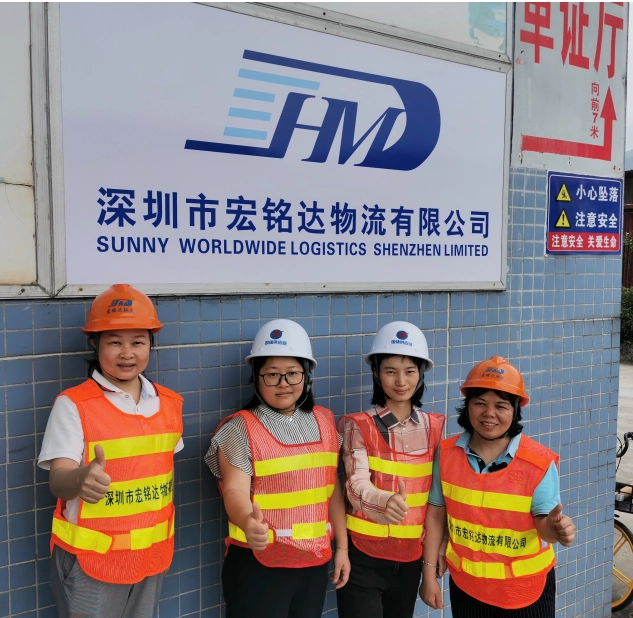
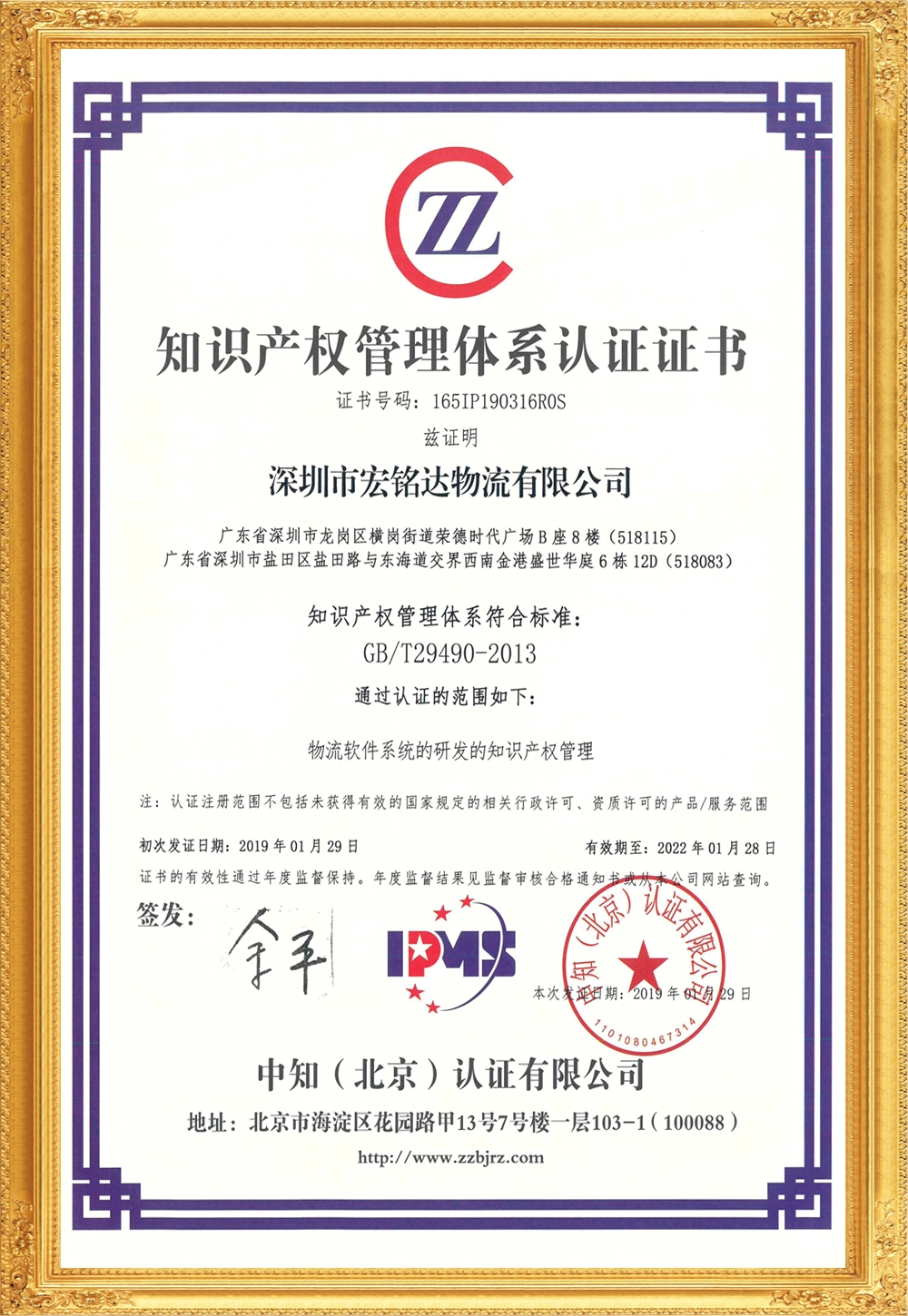
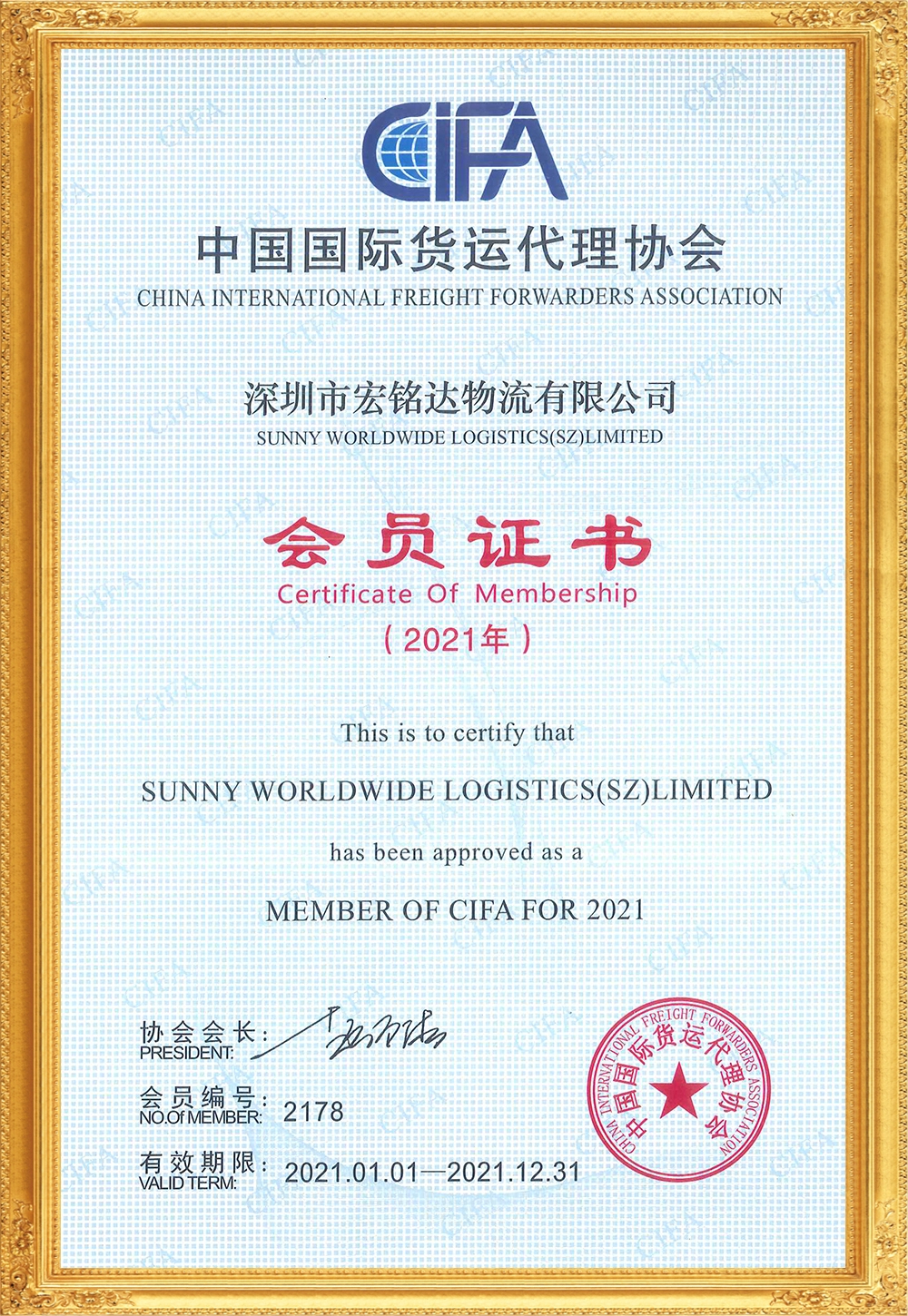
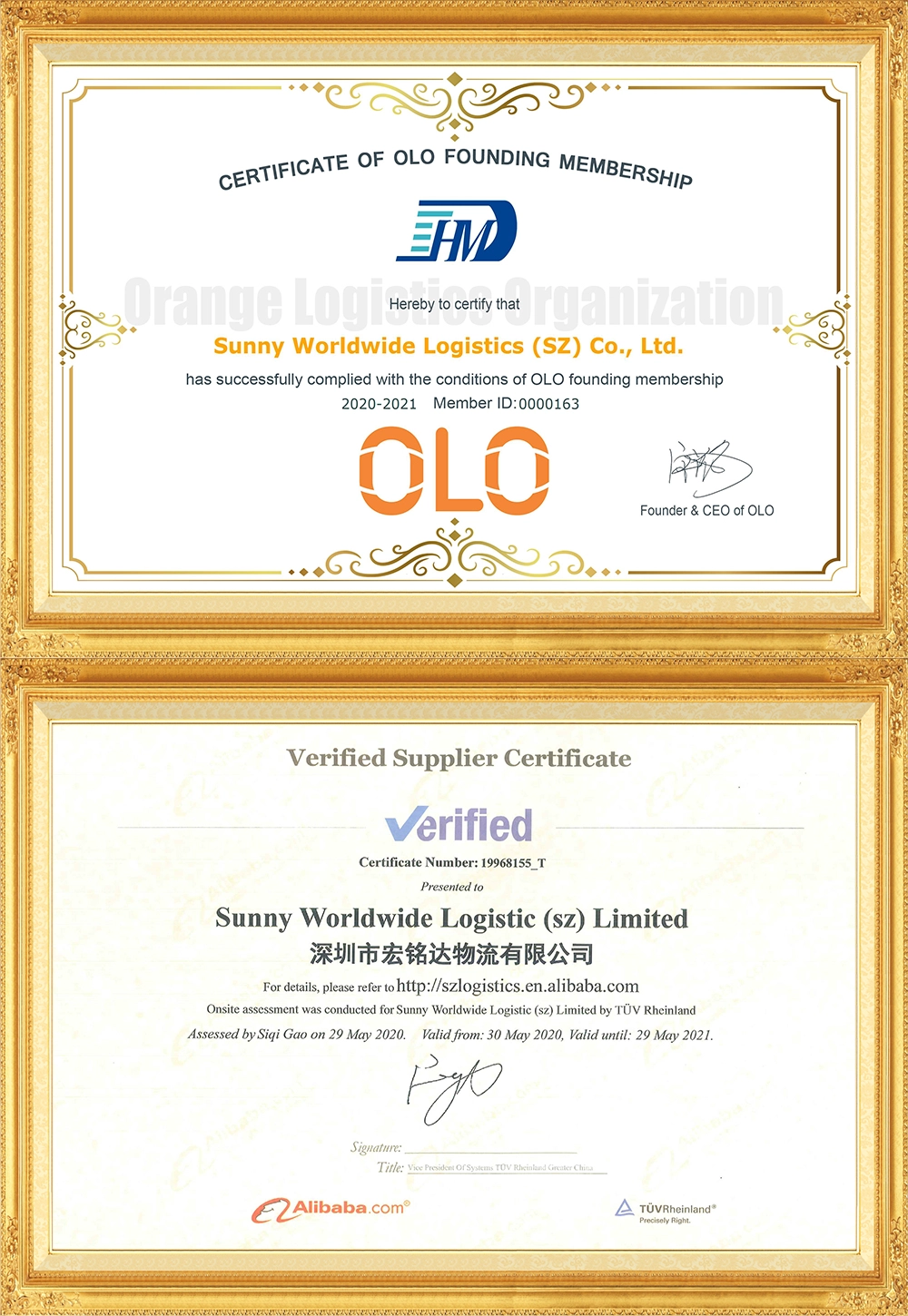
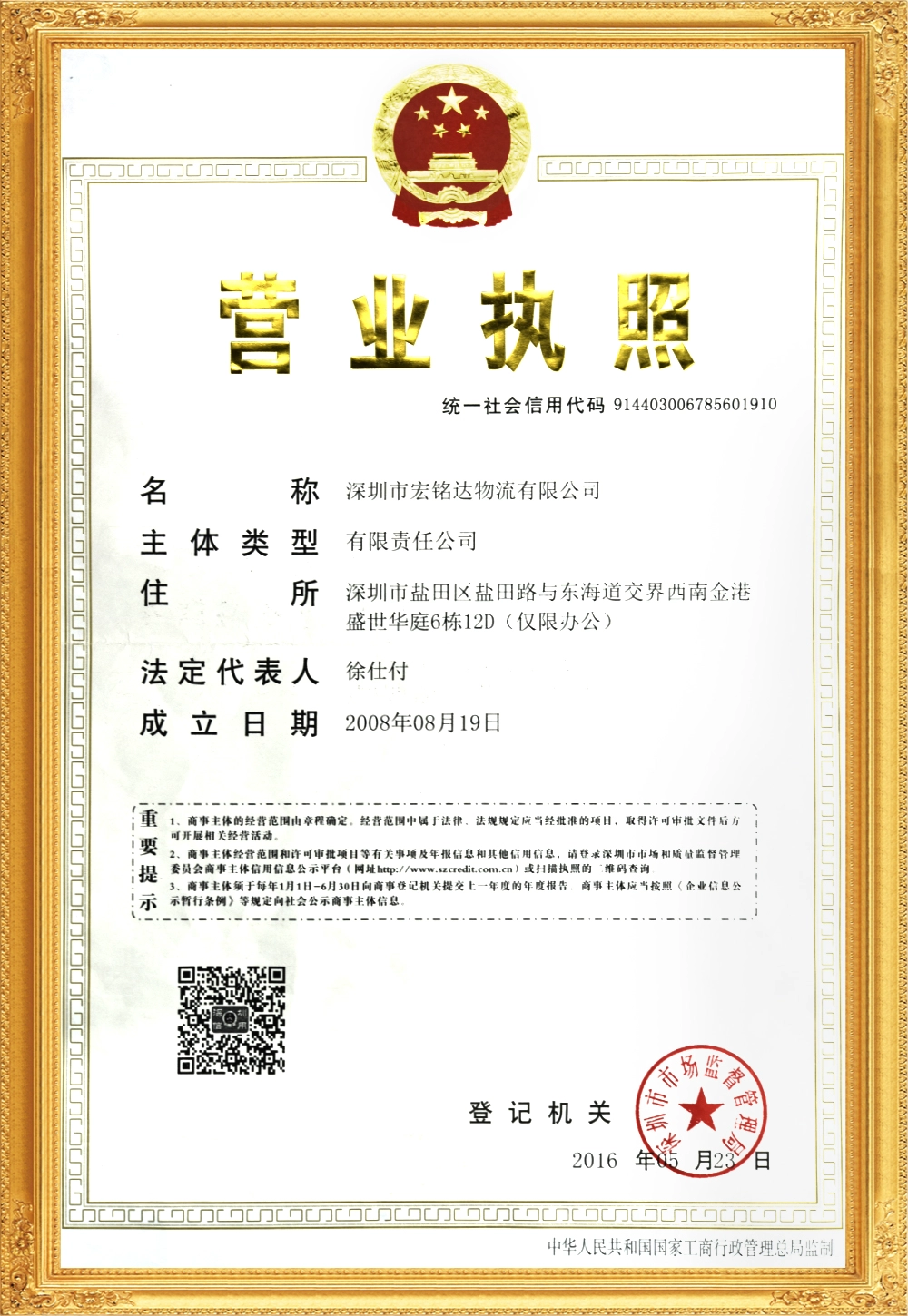
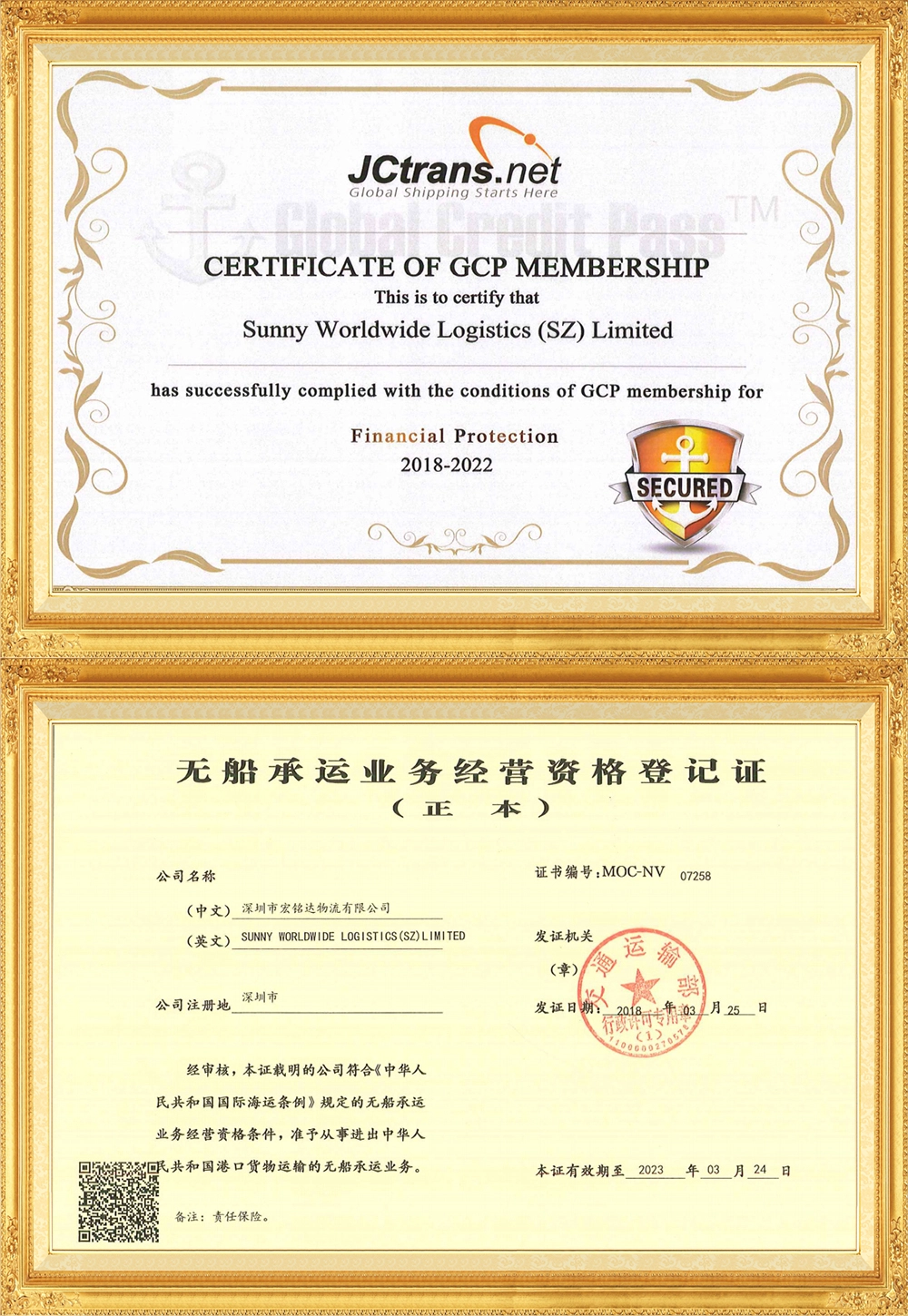
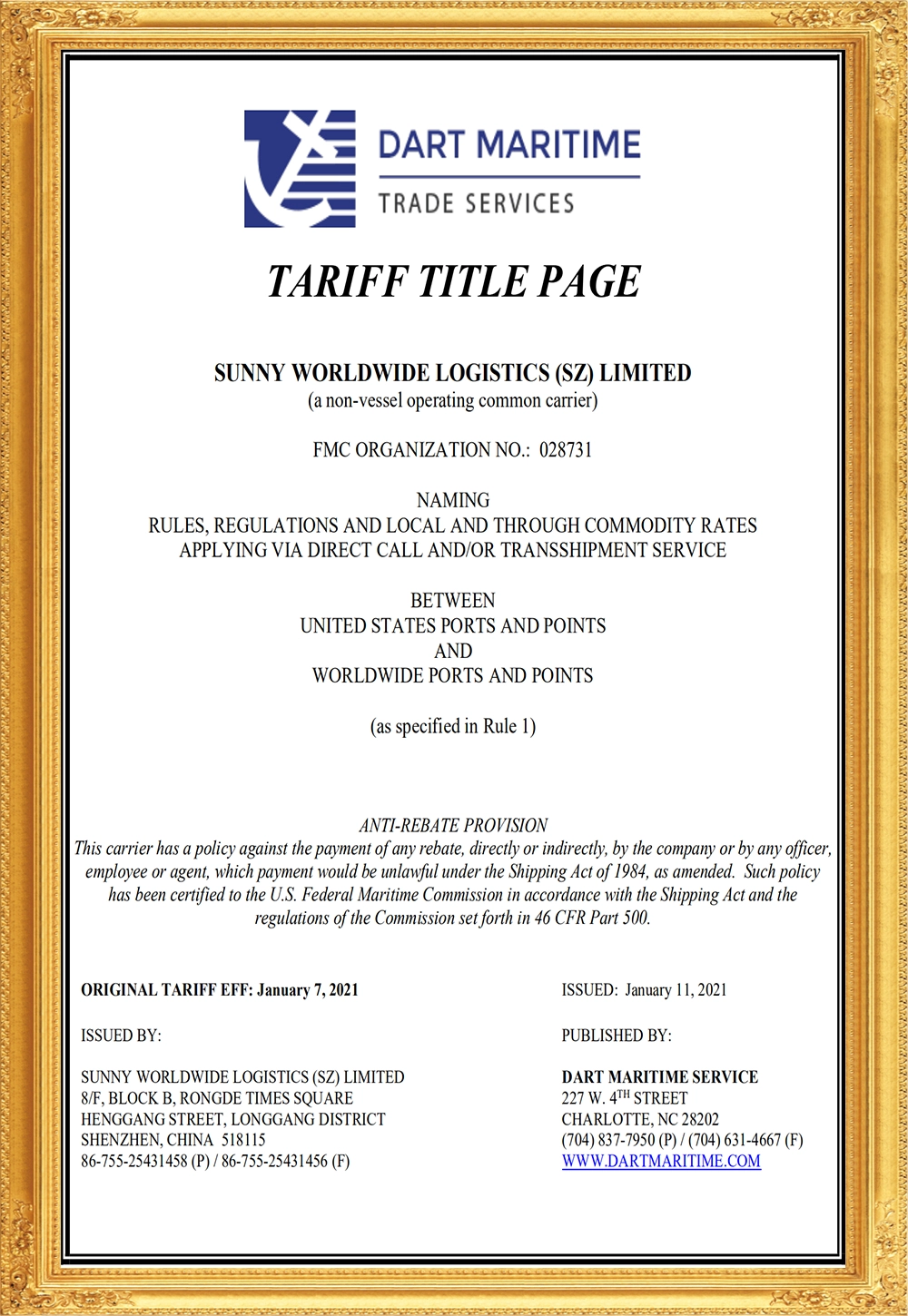
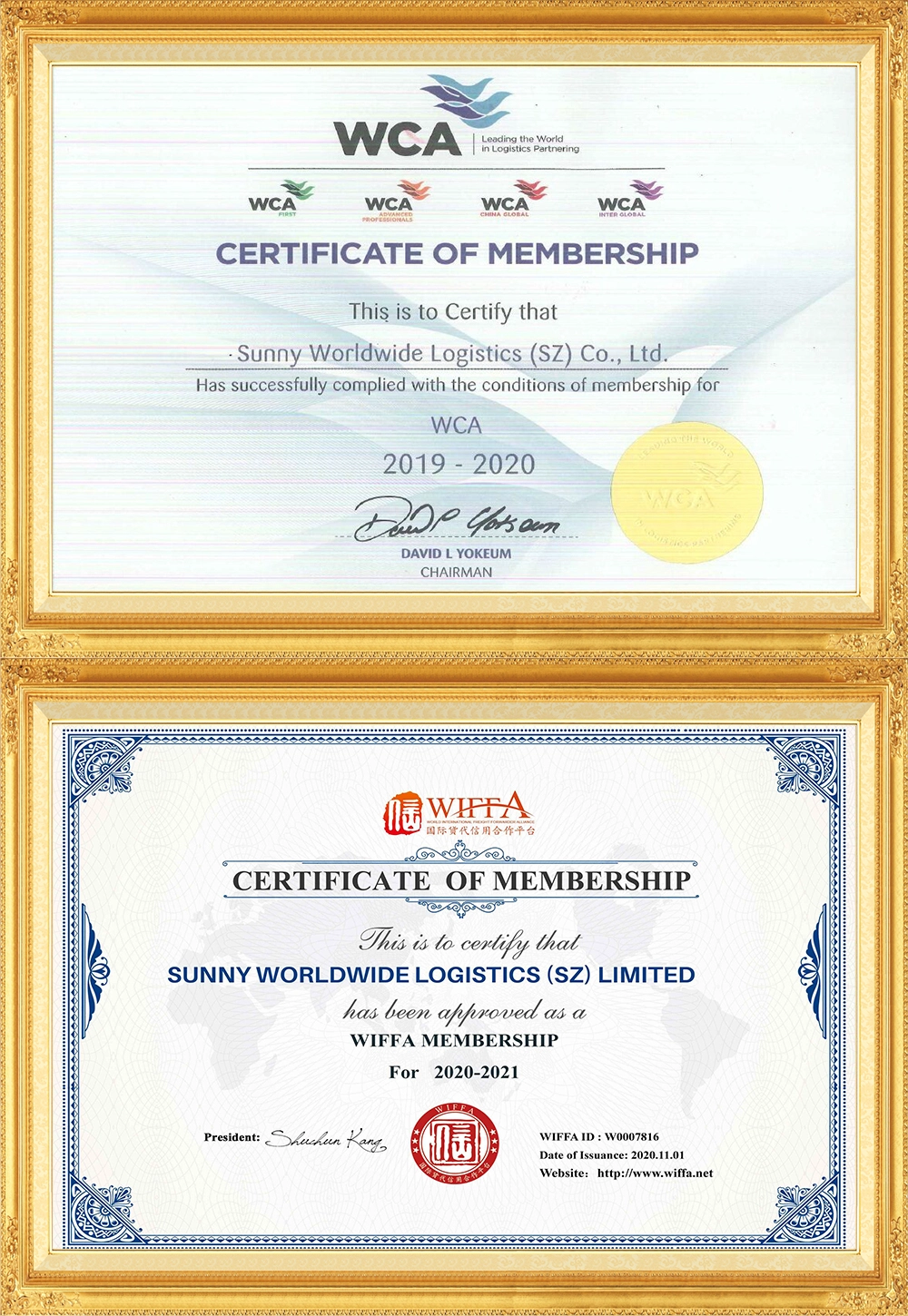
Shenzhen Hongmingda Logistics has three core competencies:
1) There is an exclusive foreign trade warehouse in Yantian Port, one of the three companies among the 60,000 peers in Shenzhen.
2) We have our own fleet of containers, available on call, and are the best among our peers in Shenzhen.
3) In Longgang, it has a full-floor Grade A office building of 1,800 square meters, with extraordinary strength.
Hongmingda is one of the top three logistics companies in Shenzhen.
For logistics, look for Hongmingda, which is connected in all directions around the world.
Hongmingda Logistics - Founded in 1998, it is an international freight forwarding company in China. It has its own 1,800 square meters of Grade A office buildings in Shenzhen. Our mission is Hongmingda freight forwarding, except for natural disasters. With 27 years of experience as a freight forwarder, there are no pitfalls that I don’t know about.
Hongmingda Logistics provides one-stop services related to sea transportation, land transportation, air transportation, railway, customs declaration, warehousing, inspection, trailering, fumigation, insurance and other related services.
Hongmingda Logistics is more of a cargo owner than a cargo owner.
QQ: 2885374591
Tel: 0755-25643421
Same as WeChat ID: 19076129125 (Lily)
Official website: swwlogistics.com
Shipping fee inquiry: swwlsrates.com
Mexico official website: swwshippingforwarder.com
Address: 8th Floor, Building B, Henggang Rongde International, Longgang, Shenzhen, Guangdong
Email: logistics01@swwlogistics.com.cn