






















Cape of Good Hope Emerges as New Global Shipping Artery: Rerouted Vessels Surge 112% Amid Stark Cost-Freight Rate Divergence
The Strait of Hormuz and the Bab el-Mandeb Strait have encountered traffic difficulties one after another. The two key waterways are under pressure at the same time, forcing the global shipping network to passively adjust its route layout. A large number of ships diverted to the Cape of Good Hope in Africa, with the number of detours increasing by 112% year-on-year. This structural change directly pushed up the triple costs of fuel, freight and insurance. However, the market did not see a comprehensive price increase. Instead, it showed a clear polarization trend. What is even more alarming is that the global oil supply crisis triggered by the conflict in the Middle East is gradually eroding the demand for container cargo volume, creating an industry dilemma of rising costs, declining cargo volume, and difficulty in increasing freight rates.
Waterway crisis triggers global diversion
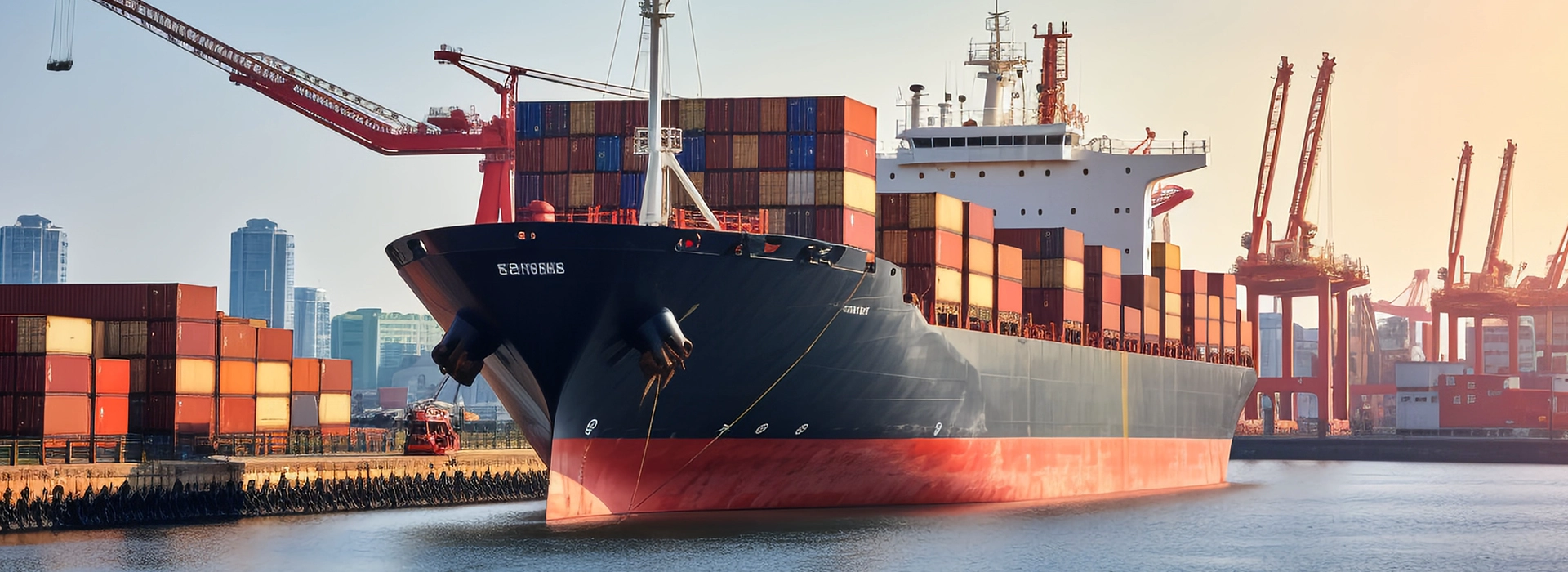
Traffic in the Strait of Hormuz plummeted 94% in March, from 1,229 vessels in the same period last year to 77 vessels. At the same time, the Bab el-Mandeb Strait is facing the risk of being blocked, and leading liner companies such as Maersk and Hapag-Lloyd have collectively abandoned the Red Sea and Suez routes. Data from the Transnet National Port Authority of South Africa show that the number of ships sailing around the Cape of Good Hope has surged by 112%. The plan to return to the Red Sea route in 2026 has been substantially suspended. The Cape of Good Hope has officially become the "new throat" of global shipping. The detour will extend the transportation time by 10 to 30 days and increase the voyage distance by 3,500 to 4,000 nautical miles, causing continued pressure on shipping schedules and capacity turnover.
Triple cost increases
In terms of fuel costs, the price of marine fuel at the world's top 20 ports has nearly doubled, with high-sulfur fuel reaching a record high of US6/ton, and low-sulfur fuel prices approaching the peak levels during the Russia-Ukraine conflict.
In terms of freight, the detour directly pushed up the basic freight by 15% to 20%. The rental cost of a 20-foot container increased by US0. Many shipping companies intensively imposed emergency fuel surcharges and inland trailer surcharges.
Insurance costs have fluctuated dramatically, with war insurance premiums soaring 12 times, and rates rising from 0.25% to 3%. Taking a very large oil tanker as an example, the insurance premium for a single passage through the Strait of Hormuz can reach up to US million. Several insurance companies have simply canceled standard war risk coverage on Gulf routes.
Freight rates are polarized: Middle East branch lines surge against the trend, while main routes turn downward
Costs have been rising, but the market has not ushered in price increases across the board. Instead, it has become an obvious bipolar market. Supported by geopolitical risks, freight rates on feeder routes around the Middle East and India surged against the trend. The freight rate on the route from Shanghai to the Middle East has more than doubled compared with before the war, and the freight rate on the route from Asia to Navasheva, India has increased by 70%. A large amount of transshipment cargo poured into surrounding ports, further pushing up regional freight rates.
On the other hand, on the trans-Pacific and Asia-Europe trunk routes, the gains quickly subsided and turned downward. Although the routes from Shanghai to the western United States, the eastern United States, and Northern Europe were slightly higher than before the war, they all fell month-on-month this week. Only the Mediterranean routes maintained slight growth relying on diversion dividends. Industry data shows that all the shipping companies’ original plans to increase prices on trunk routes in March fell through. Insufficient cargo volume and empty sailing have become key variables that suppress freight rates.
Dividends from price increases cannot offset the collapse of demand
Looking back on the past five years, the epidemic and the Red Sea crisis have successfully pushed up freight prices. At that time, global trade demand remained strong, and supply shortages naturally drove prices upward. But this round of conflict in the Middle East is different - it has caused the largest supply disruption in the history of global oil markets. Oil prices continue to rise, directly impacting household consumption and suppressing industrial manufacturing. The petrochemical industry chain that relies on liquefied petroleum gas has cooled down, and the export of finished products such as plastics and light industry has decreased. Weak consumption has further been transmitted to the foreign trade end, and the cargo capacity of containers continues to decline.
The cost side is under pressure, the demand side is shrinking, and freight rates are constrained at both ends. This shipping change caused by geopolitical conflicts is showing a completely different operating logic from the past.