




















Breaking $11,200? Freight rates from the East to the West continue to rise!
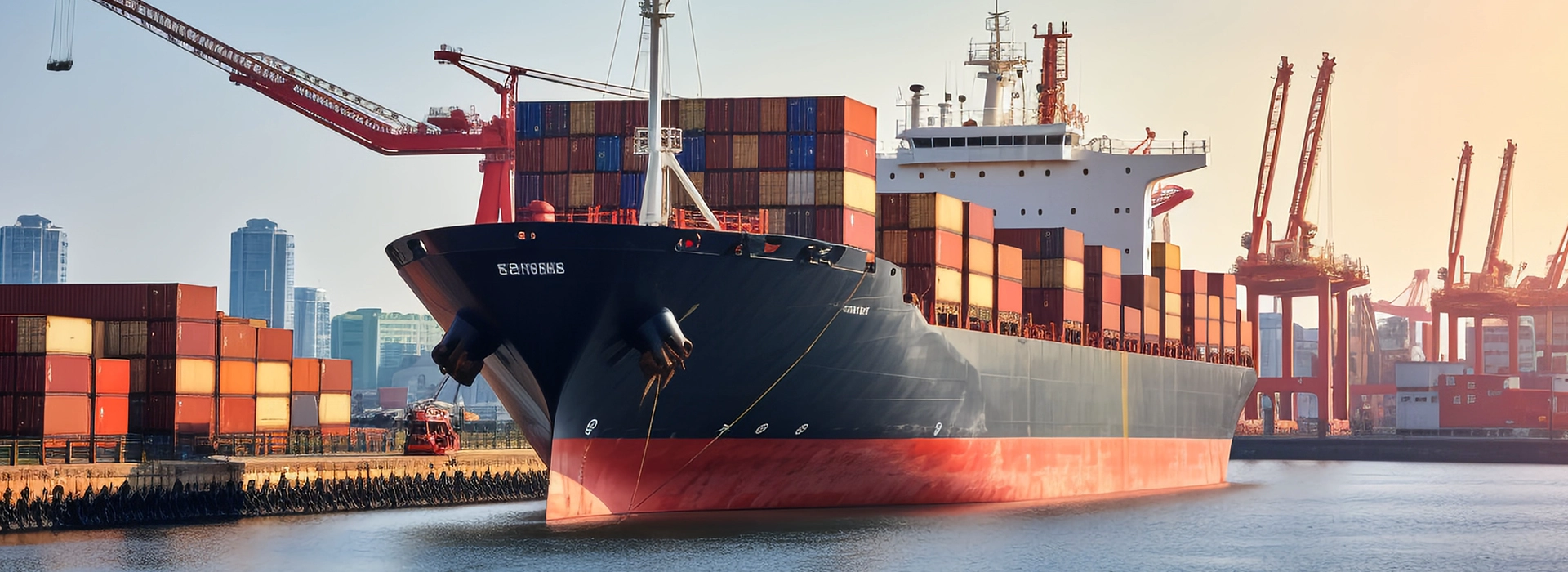
Affected by multiple factors such as water restriction measures in the Panama Canal, continued tensions in the Red Sea and disruptions to the global supply chain, freight rates on North American routes have continued to rise recently.
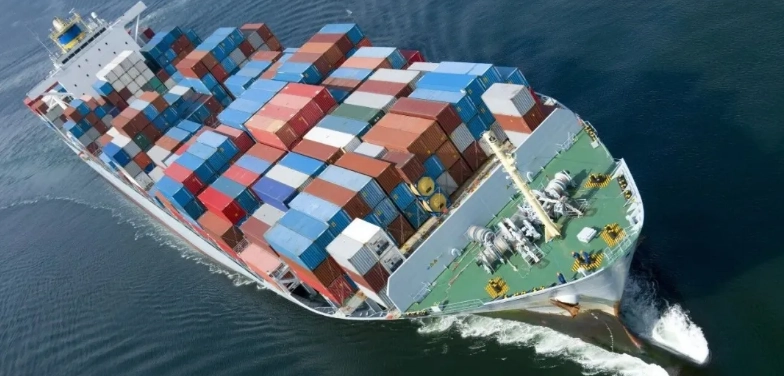
The latest Shanghai Export Container Freight Index was released on August 7 and closed at 3276.14 points, an increase of 70.14 points from the previous issue, a weekly increase of 2.19%, and maintained an upward trend for the second consecutive week. Among them,The US-Western and US-Eastern routes have become the focus of market attention. Some shipping companies have further pushed up the FAK quotation in mid-August, and the US-Eastern route quotation has reached US,200/FEU.
However, industry insiders pointed out that there is still a certain gap between the current market actual transaction price and the shipping company's quotation. Whether subsequent price increases can be implemented depends on the impact of the typhoon, port operation efficiency and changes in actual market volume.
North American routes led the gains, and shipping companies raised their August quotations.
Since August 1, many shipping companies have launched a new round of price adjustments for US routes. As shipping companies have recently gradually relaxed the restrictions on the ratio between long-term contracts and FAK, the actual transaction freight rates in the market have declined. At present, the actual transaction price of the US West route is mostly maintained at around US,500/FEU, and the US East route is about US,700/FEU.
At the same time, some shipping companies are still trying to promote a new round of price increases. France's CMA CGM took the lead in proposing that starting from August 15, the FAK price for the West Coast route will be raised to US,000, and that for the US East route will be raised to US,200. However, large freight forwarding companies believe that there is still great uncertainty as to whether this round of price increases can actually be implemented. On the one hand, there is no obvious explosion in market demand; on the other hand, the effect of price increases will be restricted by the impact of the typhoon on major export ports such as Shanghai and Ningbo. If port operations are blocked and cargo backlog increases, freight rates may rise further.
The matching policy was relaxed, and the actual transaction price fell back.
Previously, shipping companies implemented a stricter ratio policy for the U.S. route, which was about 1:4 for the U.S. East route and about 1:2 for the U.S. West route. That is, freight forwarding companies need to meet a certain proportion of high-priced cargo volume to obtain some preferential shipping spaces.
Recently, shipping companies have gradually relaxed relevant restrictions. The current US-Eastern ratio has been adjusted to about 1:2, and the US-West ratio is close to 1:1. After the ratio conditions were relaxed, more freight forwarding companies were able to obtain relatively preferential space resources, market competition intensified, and the actual transaction price dropped compared with the shipping company's quotation.
In addition, peak season surcharges have been added to long-term contract prices in the United States this year. The US East route has increased by approximately US,000, and the US West route has increased by approximately US,500. In terms of current market quotations, the FAK price of the western US line is about 7,050 to 7,300 US dollars, and the US east line is about 9,100 to 10,600 US dollars. The overall price is still running at a high level.
Panama Canal water restrictions add to Red Sea risks, freight prices still support
Recently, the Panama Canal has further restricted the number of reserved passages for some ships due to falling water levels, which has affected the efficiency of route transportation. At the same time, the situation in the Red Sea continues to be tense. The problems of ship deviations, empty flights and congestion at major ports have not yet been completely alleviated. Global container transportation supply remains tight.
Industry analysts believe that although some routes may experience short-term price corrections due to factors such as port jumps and shipping schedule adjustments in the near future, freight rates will remain high and volatile as the pressure on the supply side has not been significantly relieved.
In addition, changes in the situation in the Middle East have also become an important variable affecting subsequent freight rates. If the risk of passage in the Strait of Hormuz further escalates, it may form new support for the global energy transportation and shipping markets.
European routes enter slow down phase
Unlike North American routes, which continue to rise, European routes have performed relatively weakly recently. With the release of new shipping capacity in August and the gradual return of ship schedules to normal, supply pressure on European routes has increased, and spot freight rates have entered a stage of slow decline.
The industry expects that freight rates on European lines will still mainly fall back in August. If demand during the traditional peak season in September fails to improve significantly, freight rates may fall further. However, security risks in the Red Sea, the situation in the Middle East and route adjustments may still provide support to European routes. In the short term, the market is expected to maintain a pattern of "weak demand and bottom-line risks", with the overall trend showing high fluctuations and weak trends.
Overall, the current container shipping market is in a stage of competition between multiple factors: North American routes are affected by tightening supply and port risks and still have short-term upward momentum; European routes are gradually coming under pressure due to the recovery of shipping capacity. Future freight price trends still need to focus on the impact of typhoons, port operations and changes in geopolitical risks.
In the face of continuously high freight rates and frequently fluctuating markets, the shipping cost of each shipment of goods is being recalculated. The freight rate is already very high, so don’t add any more trouble to the customs declaration process - if there is a mistake in the declaration, the order will be canceled and the shipping date will be delayed, or the container will be dumped and additional costs will be incurred, which is not worth the loss.